Charting a reckless course into middle eastern war zones
19 އޯގަސްޓު 2026 | ބުދަ 09:56The decision for the Maldives to join a Saudi-led military coalition has drawn significant criticism, with concerns raised that it poses a substantial threat to the nation's sovereignty and economic stability. This move is viewed as a departure from the country's long-standing foreign policy, sparking fears that it could entangle the nation in unnecessary conflicts. Consequently, the government is being accused of prioritizing foreign interests over the security and well-being of its citizens

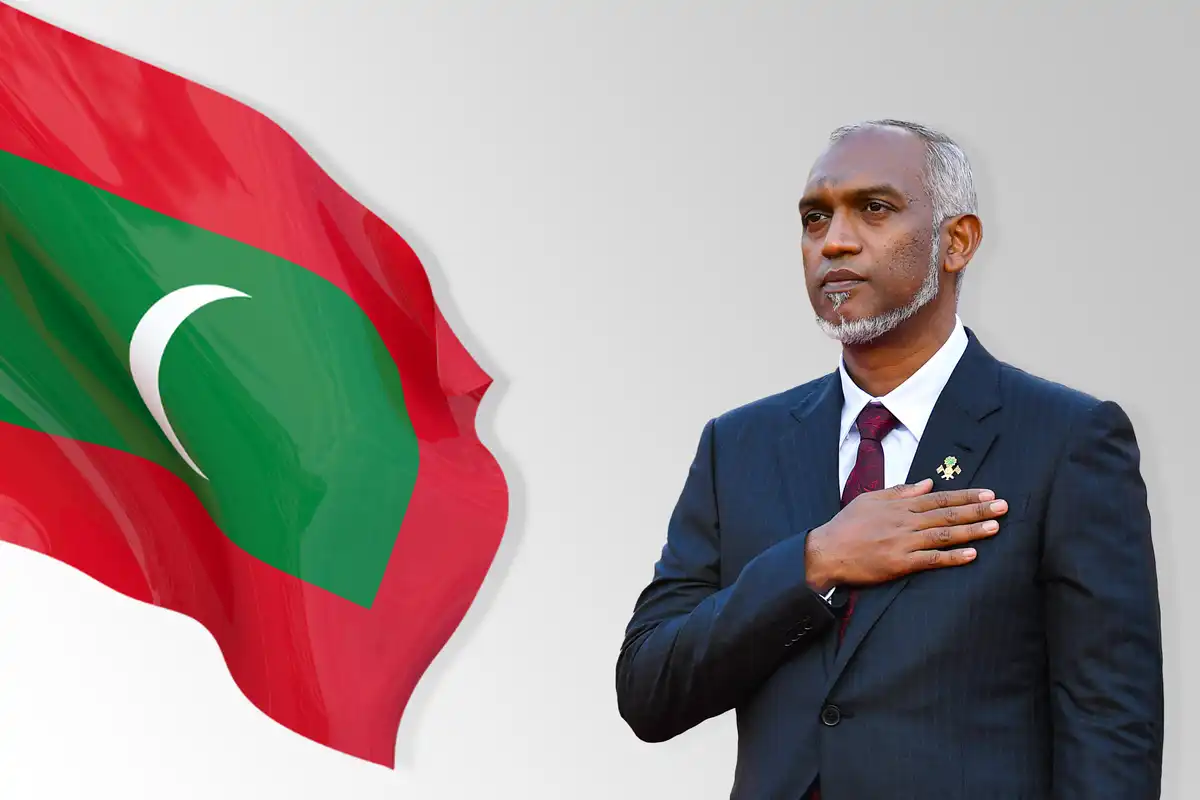
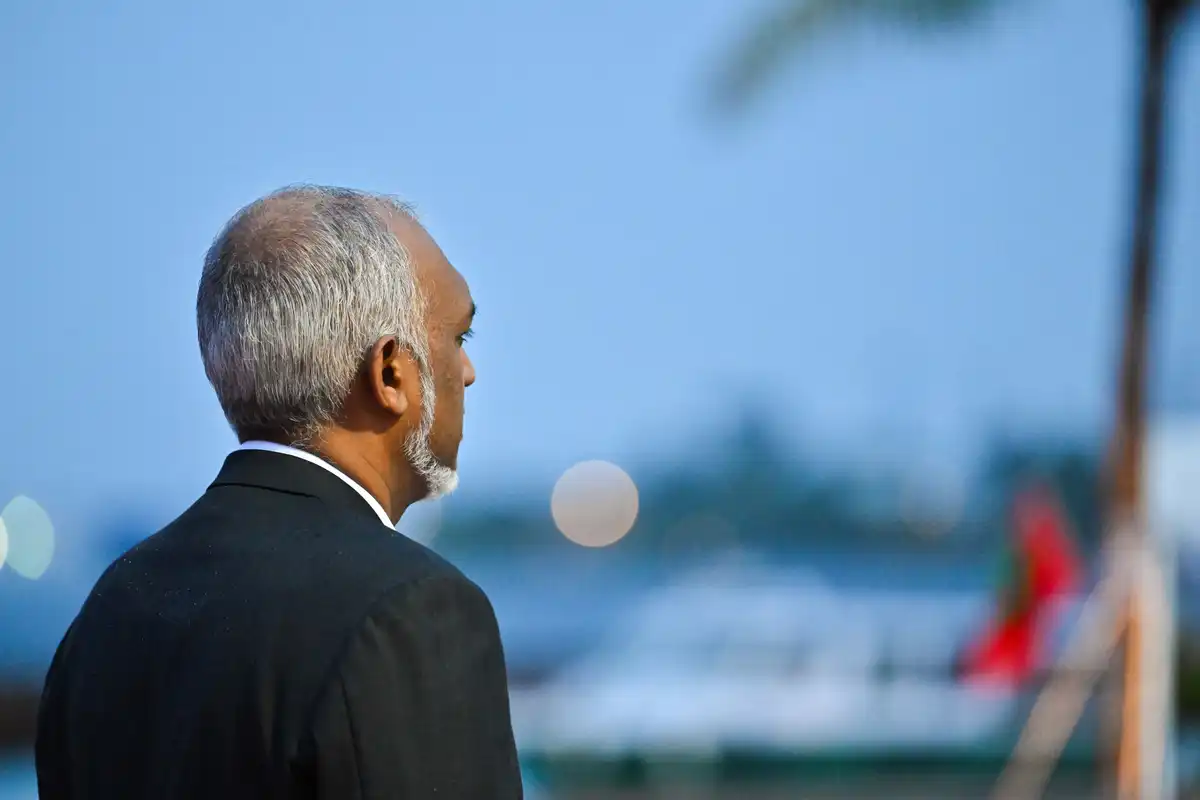
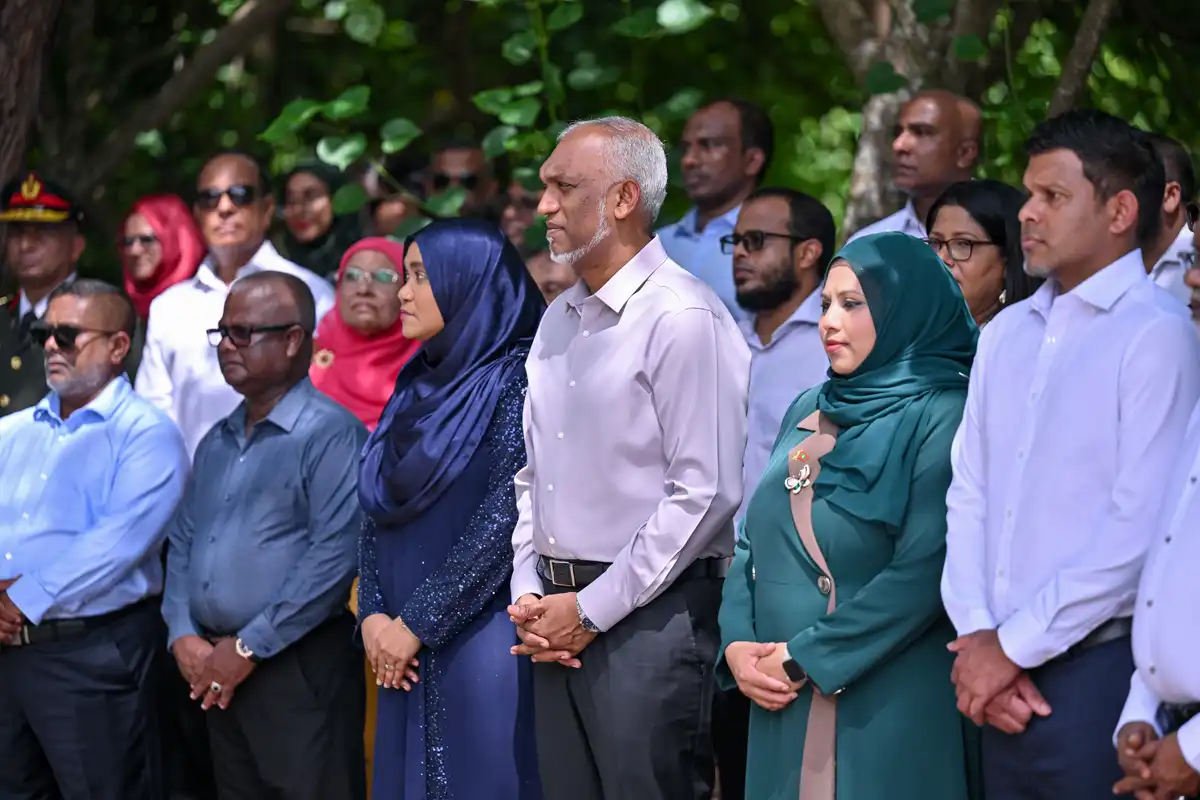
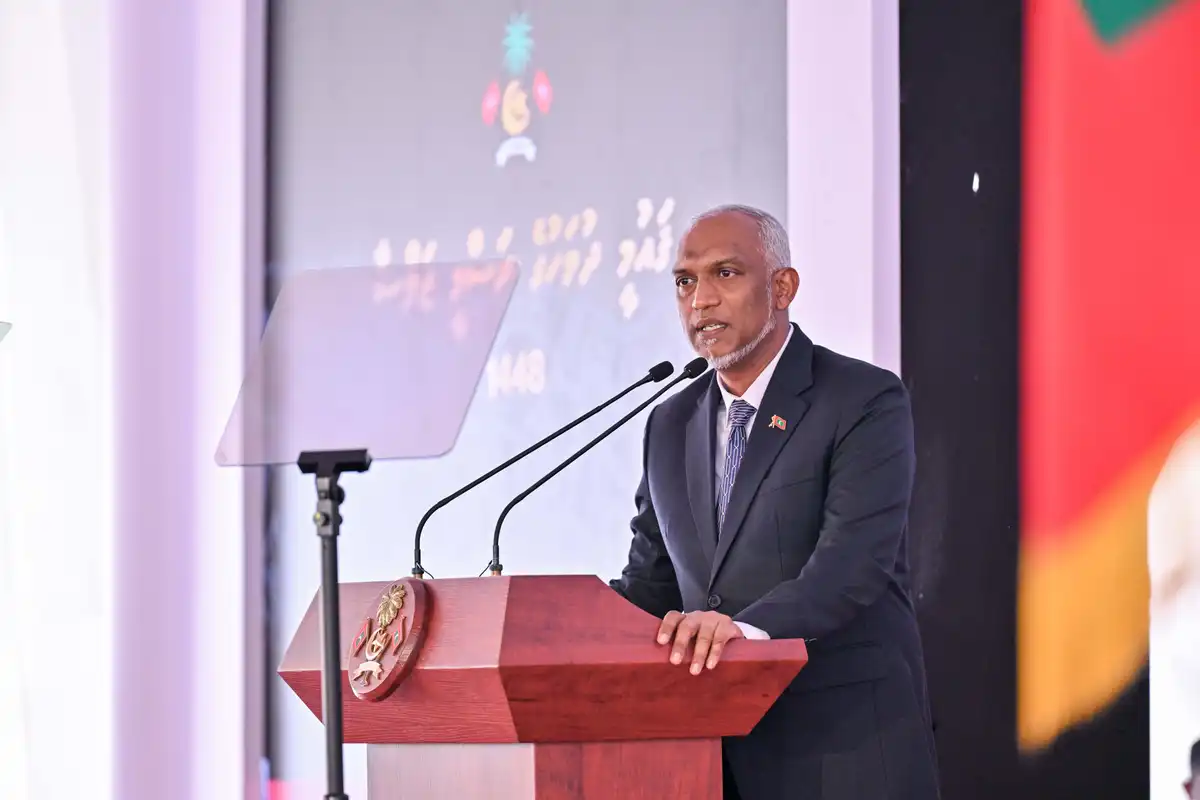
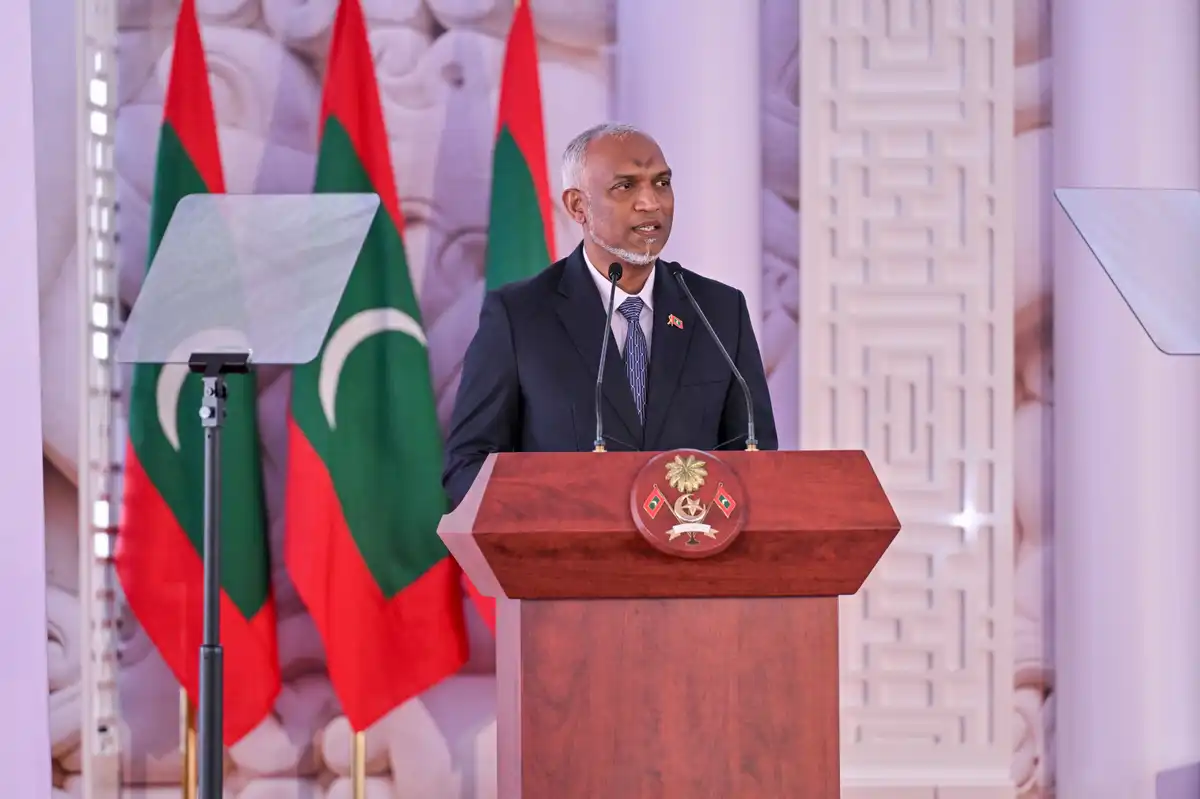
President Dr. Mohamed Muizzu and the National Flag | President's Office
The Multinational Maritime Defense Coalition (MMDC), founded on 30 March 2026, in Riyadh, Saudi Arabia, operates as a military and security structure created to safeguard the Arabian maritime regions, the Bab el-Mandeb Strait, the Red Sea, and the Gulf of Aden.
Established alongside initial members Bahrain, Bangladesh, Comoros, Djibouti, Egypt, Jordan, Kuwait, Pakistan, Qatar, Saudi Arabia, Somalia, Sudan, Turkey, and Yemen, this partnership presents itself primarily as a protective shield for global commerce and energy supply routes.
However, plunging an island nation as tiny as the Maldives into these external military pacts exposes both our sovereignty and our economy to immense hazards.
Most alarming is the prospect of becoming entangled in the explosive, tangled disputes of the Middle East, which is a dangerous arena completely detached from our national strength.
Hollow promises of sovereignty and independence
Throughout his public speeches, President Dr. Mohamed Muizzu has consistently insisted that defending the sovereign independence, territorial wholeness, and cultural identity of the Maldives stands as the ultimate obligation of the state.
He pledged that foreign relations would be guided so that not even an individual grain of sand or a minuscule section of Maldivian territory across land or ocean would ever be yielded, promising uncompromised autonomy to manage domestic matters purely for the safety and prosperity of the public.
In spite of these lofty declarations, the head of state seems to have launched a pathway that drags the country toward unavoidable entanglements, gambling the fate of the entire populace merely to flatter Saudi Arabia and elevate his personal stature and international standing.
As a result, the national legislature has formally endorsed the determination to enter the alliance and execute the Charter of the Multinational Maritime Defense Coalition.
Death of neutrality and the pro-Maldives mirage
Signing onto external defense blocs means the administration has tossed aside its proclaimed "Pro-Maldives" philosophy and broken commitments to put domestic welfare first, discarding our historical path of non-aligned diplomacy.
Subscribing to armed alliances orchestrated by individual states, particularly Saudi Arabia, and entangling the Maldives in Middle Eastern battlegrounds represents a severe blow to our self-determination.
The direct and indirect threats stemming from this membership, along with the obvious avenues through which we might be pulled into battle, are undeniable.
Even if the coalition’s foundational text declares that armed engagement is voluntary, geopolitical arm-twisting routinely compels smaller states to participate in broader wars.
Inviting hostility and sabotaging the economy
Aligning with this external defense group risks turning the fury of militant forces like the Houthis or foreign powers like Iran straight toward our shores, creating severe security dangers and pulling the homeland into a needless conflict.
Gambled lives of Maldivian citizens and the destruction of domestic tranquility in service of distant Middle Eastern skirmishes for individual political prestige amounts to a betrayal of the republic.
Further, this step poses grave hazards to the tourism sector, which represents the core pillar of our financial stability.
Introducing armed confrontations and regional defense panic to an archipelago celebrated globally as a serene, secure haven will inevitably inflate expenses across international transportation, maritime cargo, and insurance underwriters.
This will drive up the costs of essential food supplies and fuel imported from abroad, dealing catastrophic harm to our financial baseline.
Shifting our scarce national wealth and diplomatic personnel toward distant armed disputes rather than urgent domestic requirements represents a major blow to internal progress.
A fragile navy marching into global crosshairs
No matter how vigorously the president attempts to dress this agreement up as an initiative for international harmony, it stands as the unprecedented instance in our country's history where the leadership has chosen to enter an active war coalition.
This inevitably forces one to ask whether domestic defense infrastructure has genuinely evolved enough to warrant such an immense shift.
It remains utterly baffling that a state depending regularly on outside help to carry out standard search and rescue operations in local waters would enlist in a high-stakes military pact.
An administration that struggles to handle routine domestic nautical emergencies is now picking fights with formidable armed factions such as the Houthis and Iran, walking right into threats it cannot possibly manage.
Possessing a lone patrol craft gifted by Australia alongside unmanned aerial units purchased from Turkey hardly turns this country into a battle-ready power.
The head of state should remember that after orchestrating the "India Out" movement, his administration eventually had to walk back its hostility to request Indian aid once again; he could soon find himself begging for assistance from the very entities he now antagonizes.
Betraying domestic interests for foreign approval
The Maldivian public will not tolerate the leadership walking the homeland and its citizens directly into peril simply to please Riyadh or chase personal glory on the global diplomatic stage.
After leveraging "Pro-Maldives" and "India Out!" slogans to climb into power, gutting national security and core constitutional principles for foreign interests cannot be justified.