Rebranding the obvious as Pres. Muizzu plays religion card
15 އޯގަސްޓު 2026 | ހޮނިހިރު 10:10Many observers perceive the exploitation of religious sentiments as a calculated political maneuver, particularly at a time when the administration's popularity is in decline, despite the fact that the Constitution already affords comprehensive protection to Islam. Further, the government's underlying motives have been called into question, as they utilize their parliamentary supermajority to enact legislative amendments that appear to curtail the fundamental powers and rights of the citizenry

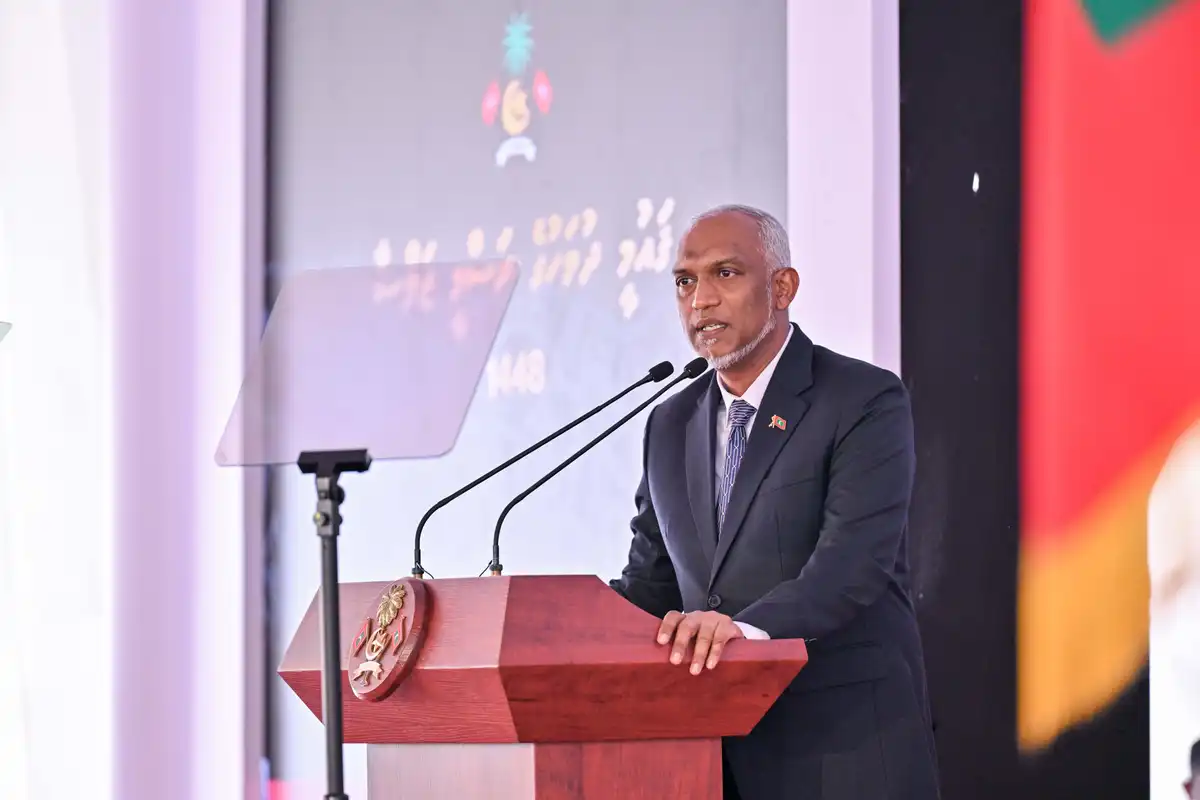
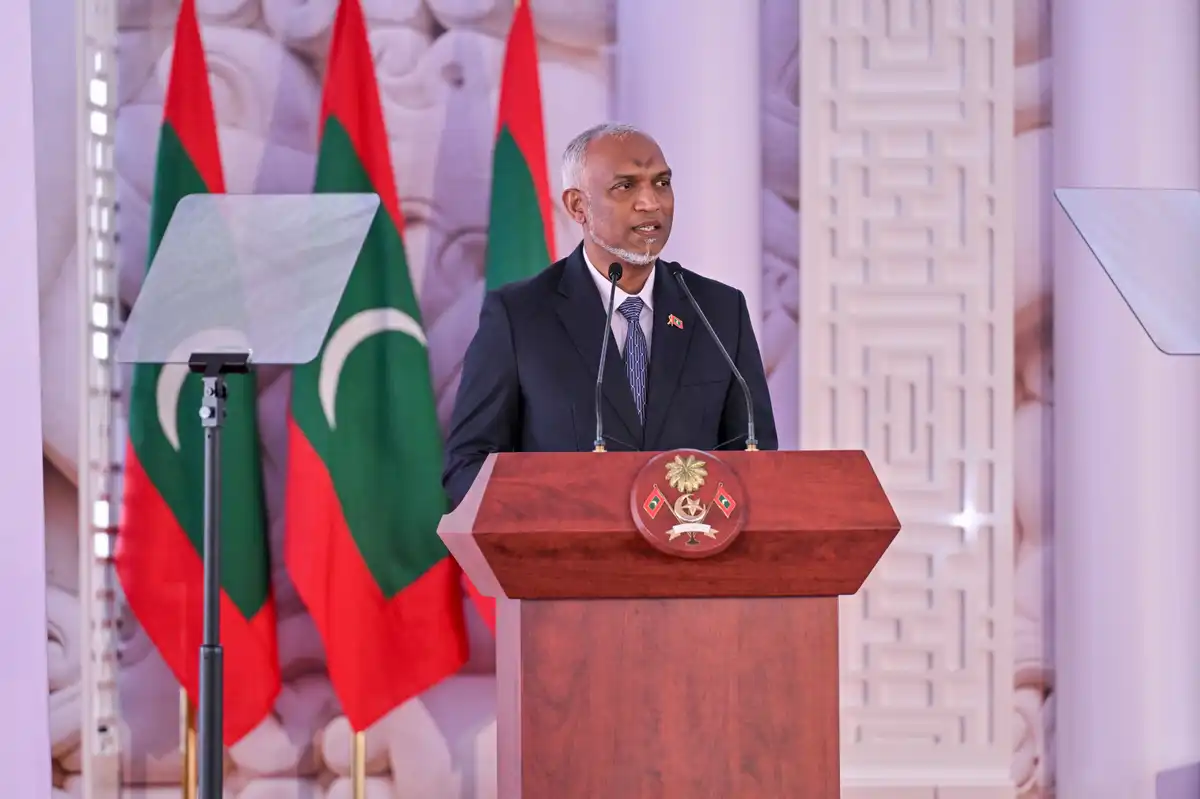
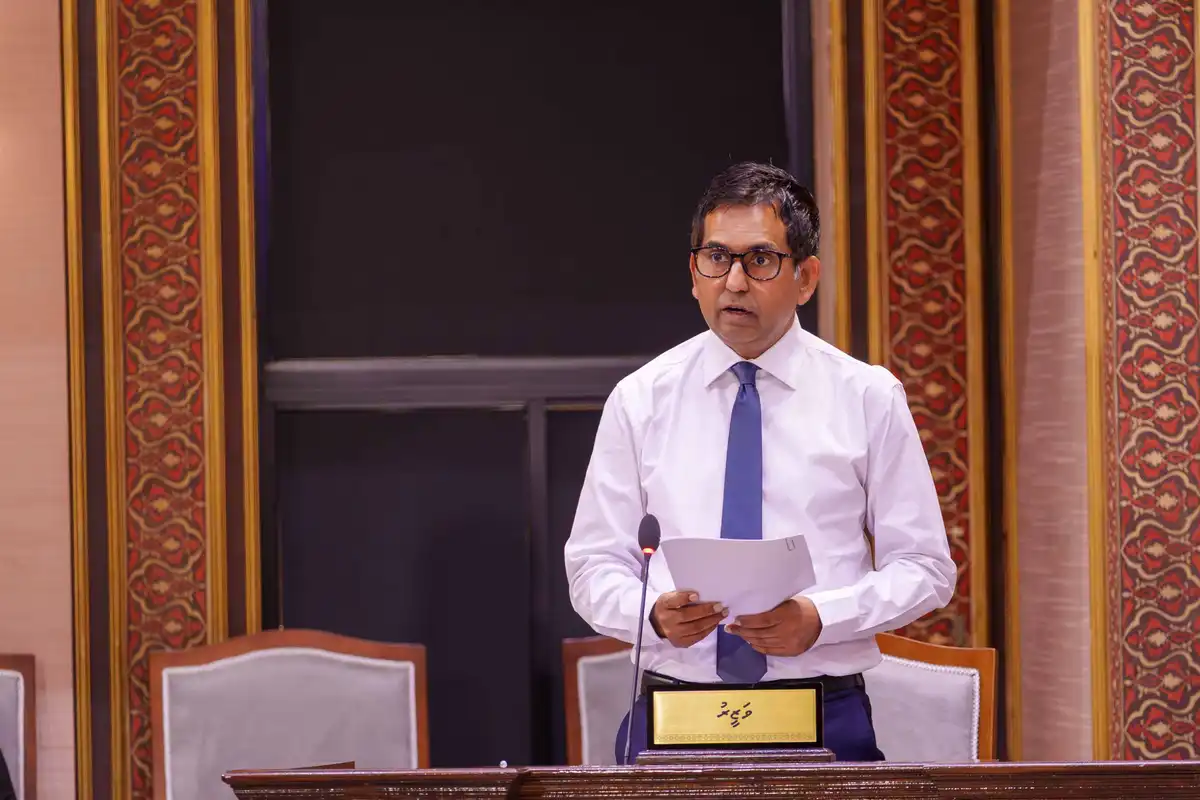
The president takes the podium at the official National Day ceremony, on 15 August 2026 | Presidents Office
President Dr. Mohamed Muizzu has declared plans to submit a brand-new statutory structure to the People's Majlis, supposedly to guarantee that the Maldives never passes any legislation defying Islamic tenets.
On paper, it sounds undeniably virtuous, yet it immediately forces a rather awkward question to the surface: exactly what legal order does the administration imagine has been steering the country up to this moment?
Unveiled during the formal celebrations of National Day, this pronouncement is bound to ignite fierce contention across the political landscape and among ordinary citizens, many of whom are already wondering why such a maneuver is suddenly being rolled out right now, given how deeply entrenched and constitutionally safeguarded Islam already is.
Constitutional shield that needs no reinvention
Maldives remains an entirely Muslim state where civic belonging and religious devotion have been inseparable since the nation embraced Islam back in 548 AH. Further, the 2008 Constitution leaves no room for ambiguity, explicitly forbidding the passage of any statute that runs counter to Islamic doctrine.
Through decades of parliamentary history, the People's Majlis has never once ratified a bill that compromised Islamic values, nor would the citizens of this country ever tolerate such a betrayal. Proposing a new framework to prevent what is already constitutionally impossible feels less like genuine governance and more like an elaborate exercise in political theatre.
Legislative muscle and plunging approval ratings
To understand the timing, one only needs to examine the present balance of power. The governing People's National Congress enjoys an absolute super-majority in the 20th People's Majlis, and the executive branch has shown zero hesitation in wielding this legislative hammer to overhaul existing statutes and rewrite constitutional provisions.
Recent legal revisions have overhauled foreign currency regulations, spiked duties on cigarettes, and handed the head of state expanded control over appointments across independent watchdog bodies.
Compounding this, recent modifications to the Decentralization Act have drawn widespread criticism for stripping away authority from local communities.
Pushing through heavy-handed reforms that repeatedly ignore the public pulse and national priorities has taken a direct toll, serving as the main driver behind the head of state’s slumping approval ratings.
Transparent play for political survival
Seasoned analysts view this sudden surge of piety at a moment of sinking popularity as a calculated distraction from a string of contentious policies.
Skeptics point out that because the ruling party holds unyielding dominance over the legislature, dropping this dramatic proposal out of thin air during National Day, with zero preliminary ground work, casts immense doubt on the regime’s actual motives.
While safeguarding their faith will always remain paramount for Maldivians, the electorate has grown far too perceptive to fall for the tired tactic of using faith as a partisan shield.
The days when theatrical religious appeals could reliably sway the masses appear to be fading fast. Because the highest law of the land already provides airtight legal immunity for Islamic principles, exploiting sacred narratives for partisan leverage is unlikely to pay the dividends the government expects.
If the current regime genuinely wishes to reclaim popular affection and backing, it needs to abandon performative grandstanding and address the real bread-and-butter welfare of its citizens. Lasting respect and public loyalty are earned only when leaders govern with open ears, total transparency, and an unwavering commitment to the public good.