Pres. Muizzu trades independence day venom for national day unity in 30-day jinx
18 އޯގަސްޓު 2026 | އަންގާރަ 10:04President Muizzu is facing criticism for contradictory rhetoric after calling for national unity during National Day. This message follows a divisive Independence Day speech where he attacked political rivals with bitter accusations. Observers highlight the hypocrisy of preaching solidarity so soon after fueling public polarization

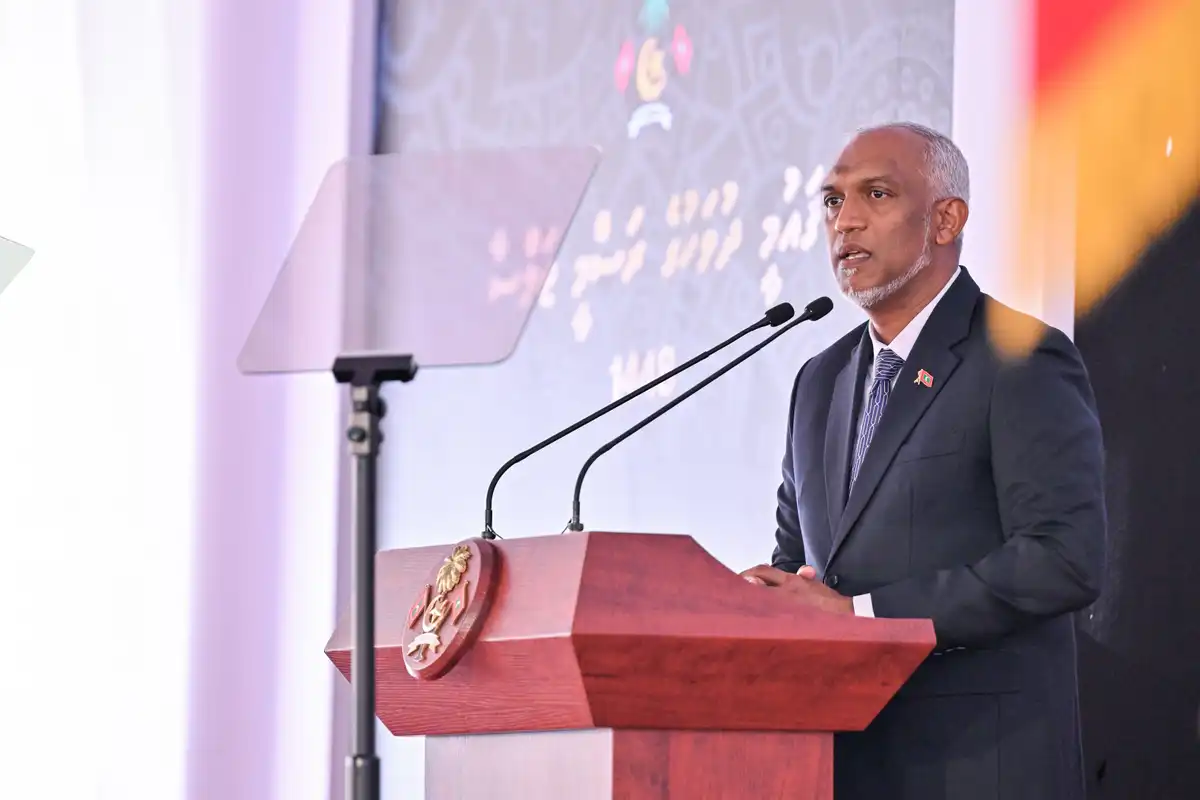
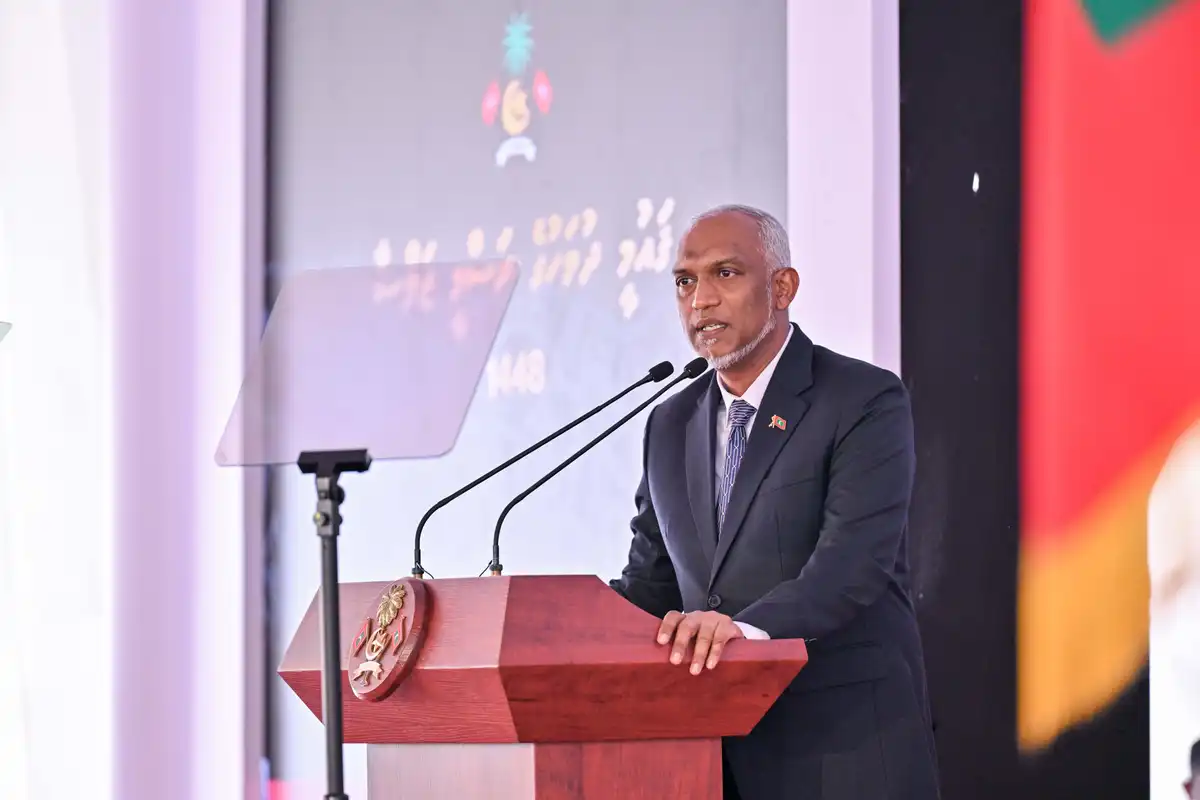
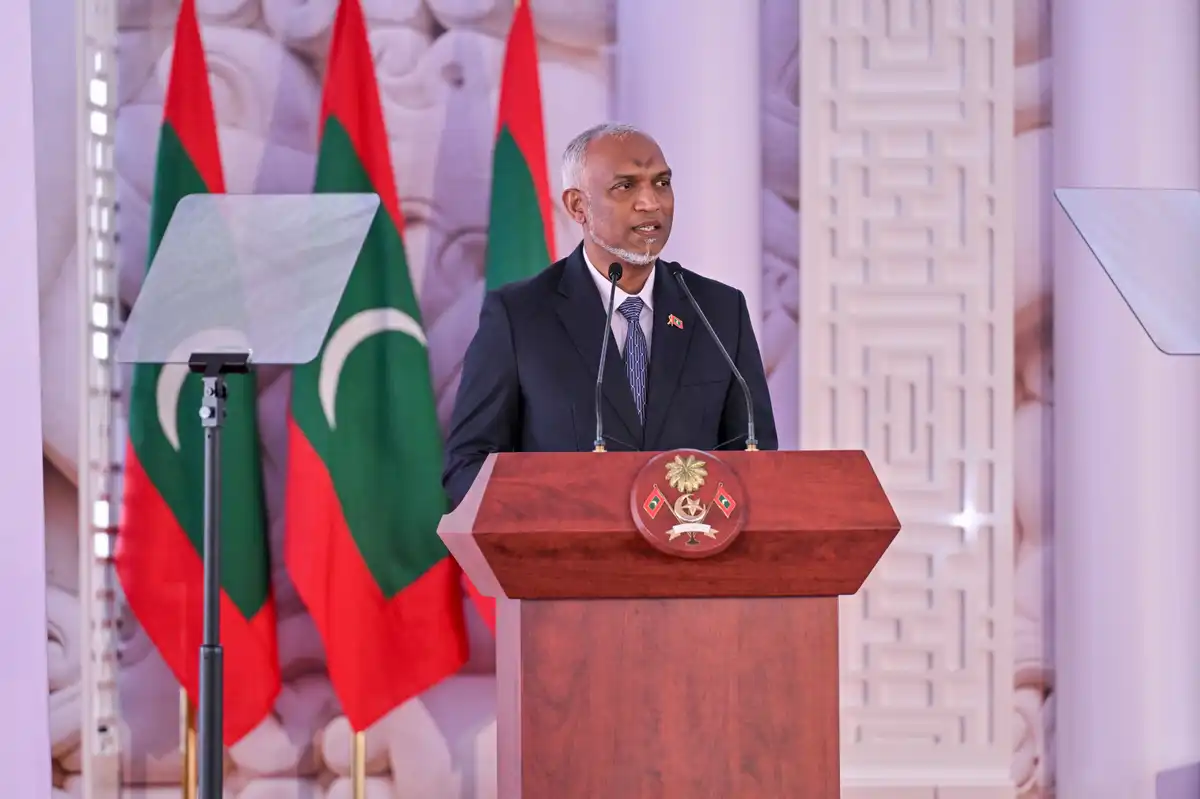
President Dr. Mohamed Muizzu delivers his address at the National Day ceremony | President's Office
When a head of state steps up to the microphone, the performance is theoretically supposed to carry weight, purpose, and constructive vision.
Sitting at the pinnacle of power, a president is expected to act as the supreme moral compass for the populace.
Their core duty boils down to delivering steady guidance and nurturing a genuine atmosphere of camaraderie and collective togetherness among everyone.
From the perspective of the presidential office, every single citizen deserves identical treatment, completely divorced from whatever political loyalties or ideological camps they happen to belong to.
The Utheemu national day script flip
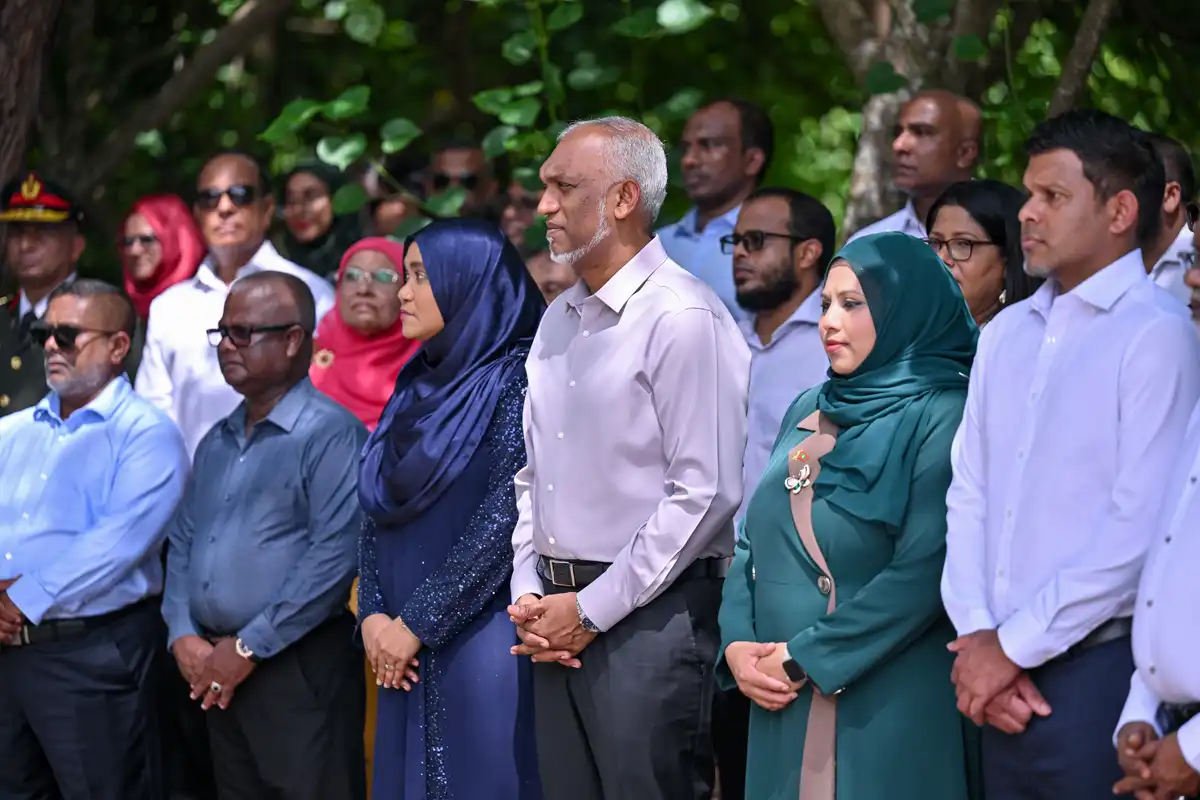
During the gathering hosted at HA. Utheemu to commemorate National Day, President Dr. Mohamed Muizzu made a public plea for everyone to put harmony and solidarity front and center, heavily stressing the absolute necessity of pulling together as a collective when dealing with national matters.
Naturally, this sudden display forces observers to look backward and evaluate the exact flavor of cultivation and rhetoric the president chose to unleash during the Independence Day festivities back on July 26.
Independence Day resentment
That particular Independence Day speech dripped with heavy layers of bitterness and malice.
He used the national platform to unleash a furious, loud assault against political opponents.
The entire performance read like a public venting session for the president's own personal grudges and animosity directed at rival parties, with a relentless focus on how they handled governance back when they were in charge.
To top it all off, it was precisely during this Independence Day broadcast that the president branded the opposition factions with labels painting them as entirely secular and anti-Islamic.
Polarizing rhetoric and national disappointment
The entirety of that address was built brick by brick around this exact brand of rhetoric, which predictably hijacked the entire conversation happening across the nation.
Consequently, the speech successfully planted fertile seeds of division, jealousy, and extreme polarization from one corner of the country to the other.
Countless individuals voiced deep, crushing disappointment, pointing out with frustration that the president's behavior fell far below the basic standards of dignity and decorum that people have every right to expect from the supreme office in the land.
The 30-day hypocrisy check
However, in a dazzling display of whiplash less than a calendar month later during an August 15 event, the president executed a complete about-face into a message of pure reconciliation, passionately begging citizens to lock arms in friendship and unity.
Playing heavily on national pride, he demanded that all Maldivians place solidarity above all else. It is genuinely breathtaking to witness such a glaring, irreconcilable contradiction pouring out of the President within a tight window of just thirty days.
While he now lectures everyone on steering clear of divisive forces, one is forced to wonder if there exists a single person on earth more guilty of manufacturing division via toxic, hateful rhetoric than the president himself.
A whiplash-inducing public confusion
All of this leaves the general population spinning in a thick fog of total confusion.
The Independence Day address operated as a heavily motorized vehicle transporting pure hatred and bitterness, while the National Day speech suddenly championed the virtues of warm friendship and solidarity.
These stand as two completely irreconcilable messages served up by the exact same leader across two distinct public spectacles.