Chilling drift toward autocracy in Pres. Muizzu’s Maldives
12 ސެޕްޓެމްބަރު 2026 | ހޮނިހިރު 08:28Ministers are reportedly evading accountability and resorting to the intimidation of journalists when questioned regarding President Muizzu's pledges. Concerns are mounting that the pervasive climate of fear and authoritarian policies within the administration are obstructing ministers from discharging their duties independently, leading many to observe that the Maldives' democratic framework is currently under threat


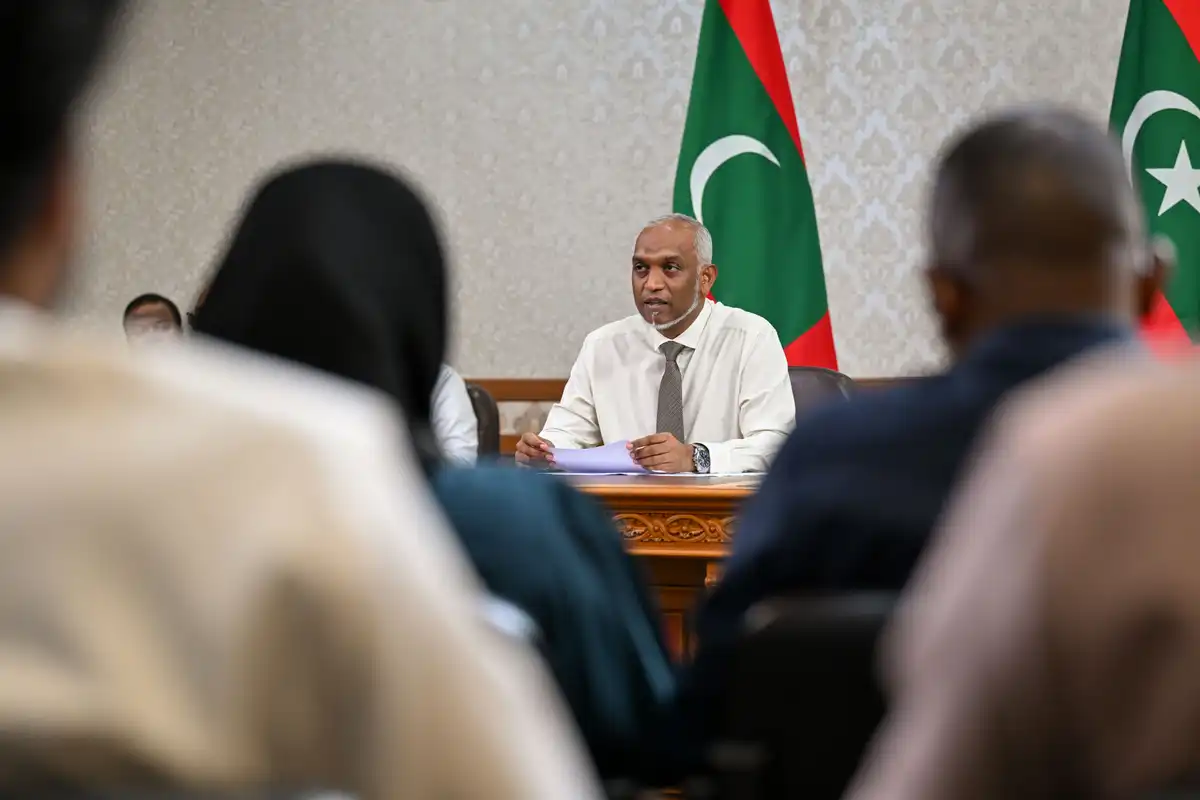
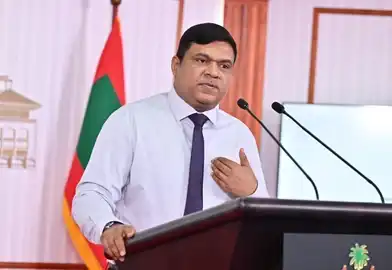
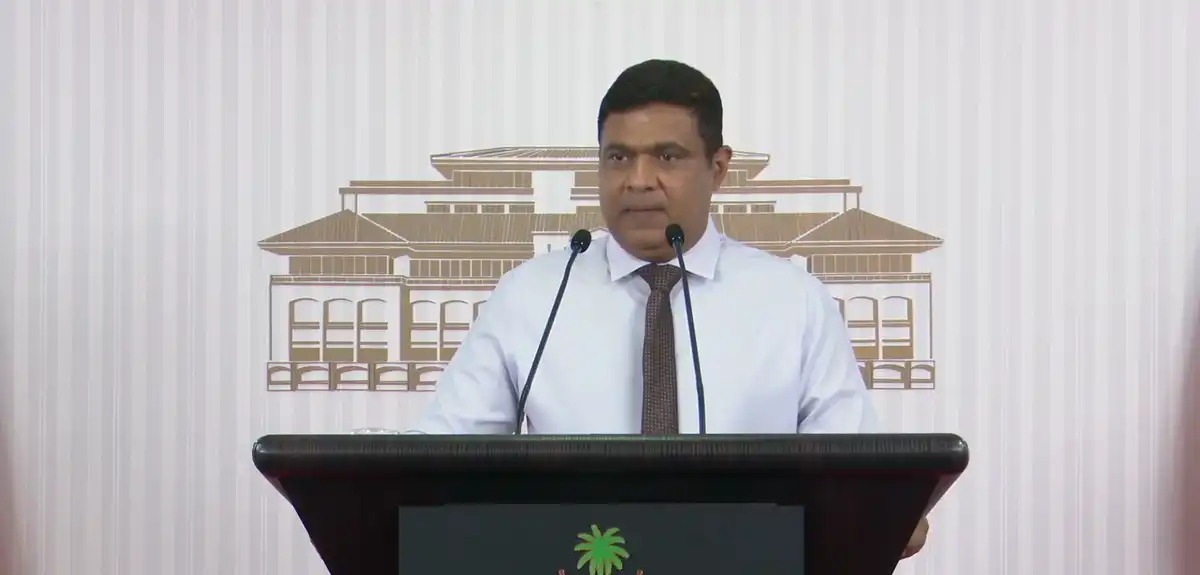
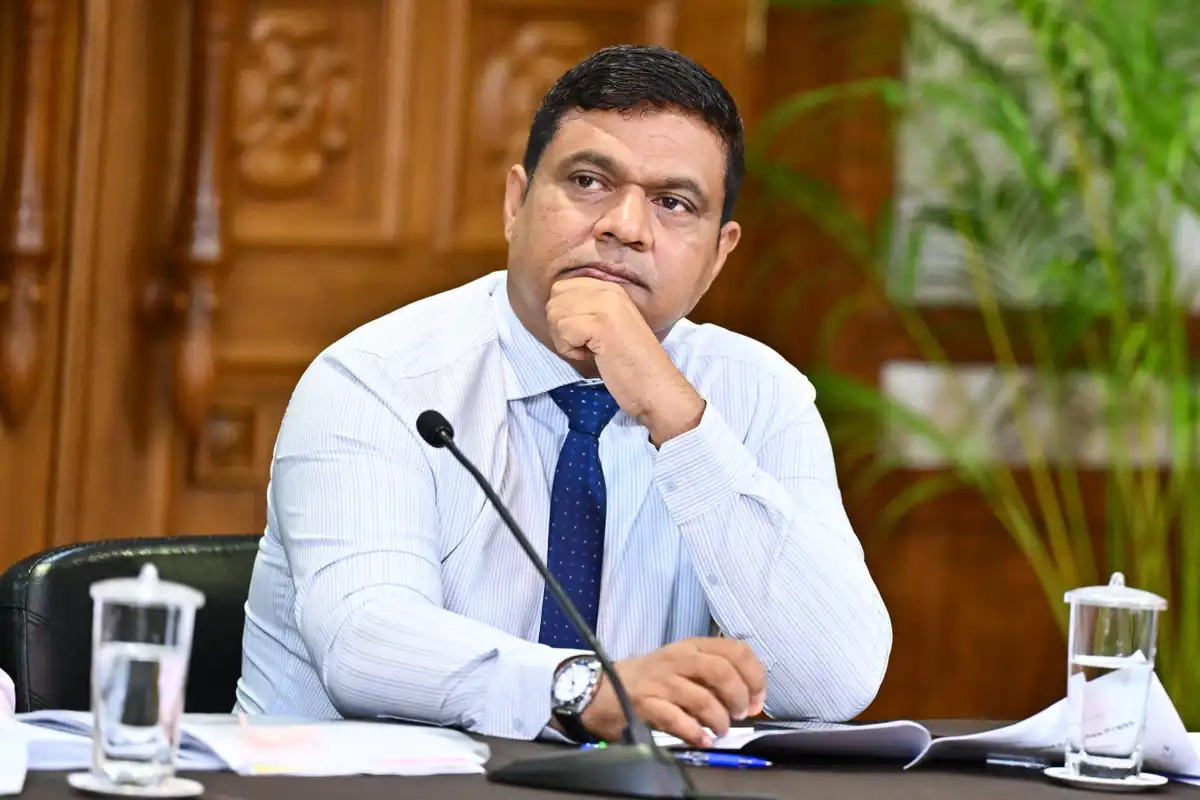
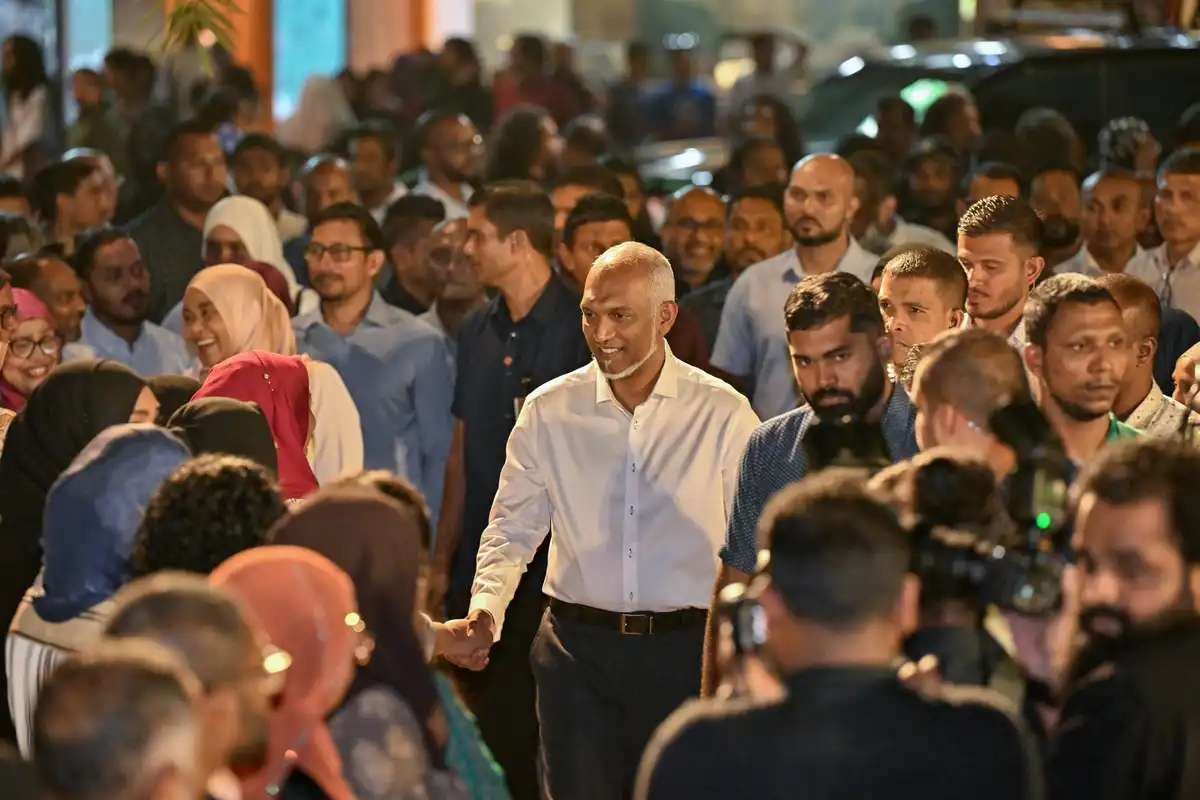
Minister of Tourism and Civil Aviation Mohamed Ameen (L) and President Dr. Mohamed Muizzu (R) | Transport Ministry
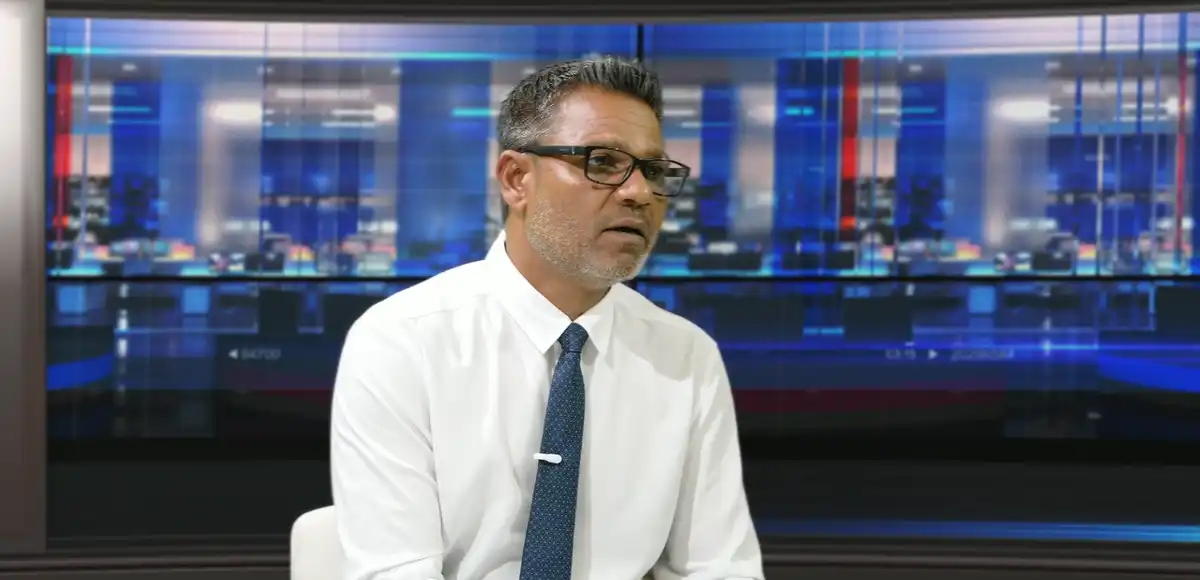
The governance path charted by President Dr. Mohamed Muizzu clashes directly with the democratic foundations and statutory norms of the nation, veering sharply toward an unyielding, despotic framework. The hostile posturing and evasive statements recently delivered by Mohamed Ameen, the Minister of Tourism and Civil Aviation, at a media briefing provide an unmistakable picture of this slide away from openness.
A cornerstone of the current head of state’s platform was a grand commitment to construct ten state-backed resort developments with public shareholding, designed to funnel foreign currency directly to everyday citizens. However, the broader population is kept entirely clueless about the status of this undertaking.
Even after the president explicitly claimed that ground operations would launch in November once September and October wrapped up, the tourism chief could not pinpoint where a single one of these tourism sites would be situated. Whether this failure to provide basic facts stems from outright ignorance or an anxiety-driven reluctance to speak remains an open question.
Confronted by legitimate press scrutiny regarding these missing projects, Minister Ameen chose contempt and deflection over public duty. Instead of delivering straightforward facts to the probing reporter, the minister washed his hands of the topic, declaring that such oversight fell outside his obligations. Pushing back defensively, he insisted that he understood his duties and warned the press corps against any efforts to guide him off his intended course.
Such thin-skinned resistance collapses well below the baseline of professional ethics and decorum expected from an executive cabinet member. It lays bare the reality that the president's inner circle functions within an all-pervasive culture of panic, utterly terrified of displaying a shred of autonomy. The aggressive, inflexible stance radiating from the top appears to exert massive psychological dread across senior ranks, driving officials to hide vital updates even when they possess the answers.
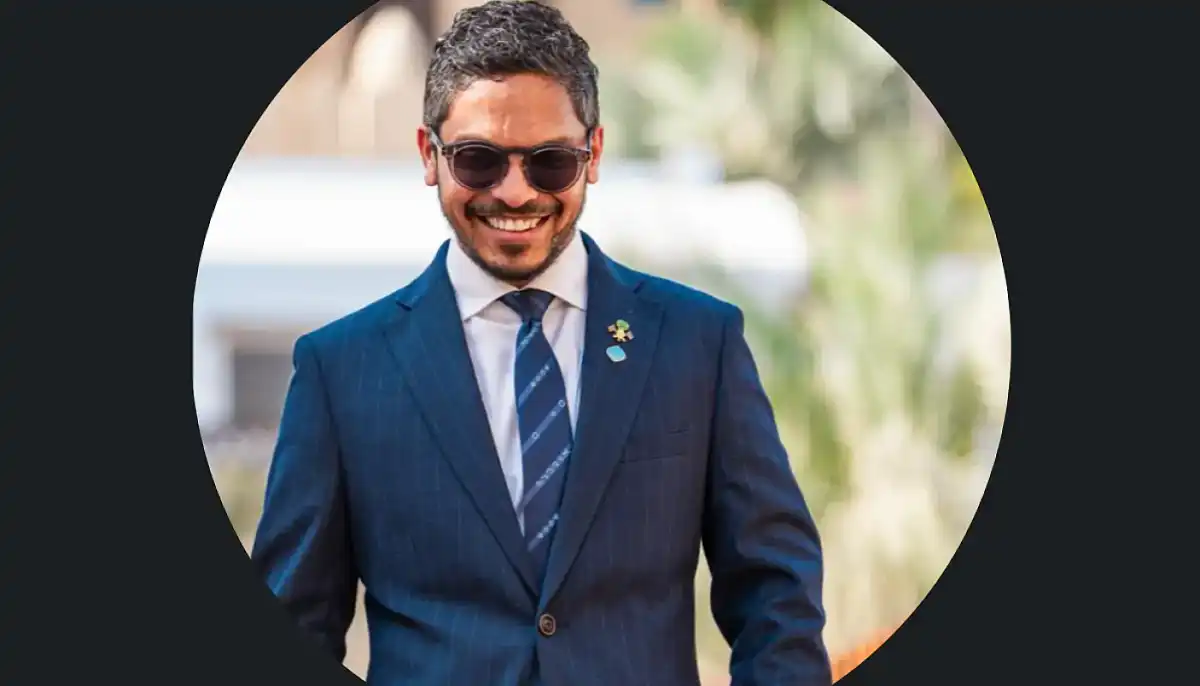
This climate of administrative terror surfaced vividly in a recent dispute centered around Dr. Abdulla Khaleel, a former cabinet official. Amid an enrollment initiative for the governing People’s National Congress, Dr. Khaleel found himself summarily ejected from the political entity's high-level Viber communications channel simply for voicing appreciation to Ibrahim Falah, the ruling party's parliamentary group leader. At a time when every other operative was flooding the message board with tributes tailored exclusively for the president, Dr. Khaleel's simple nod of gratitude to the legislative group chief triggered the head of state’s fury, earning him an instantaneous boot from the digital room.
Developments of this nature paint an alarming portrait of an administration chief who insists on blind, total subservience and refuses to stomach even the slightest division of adulation or independent thought, inviting straightforward parallels to totalitarian rule.
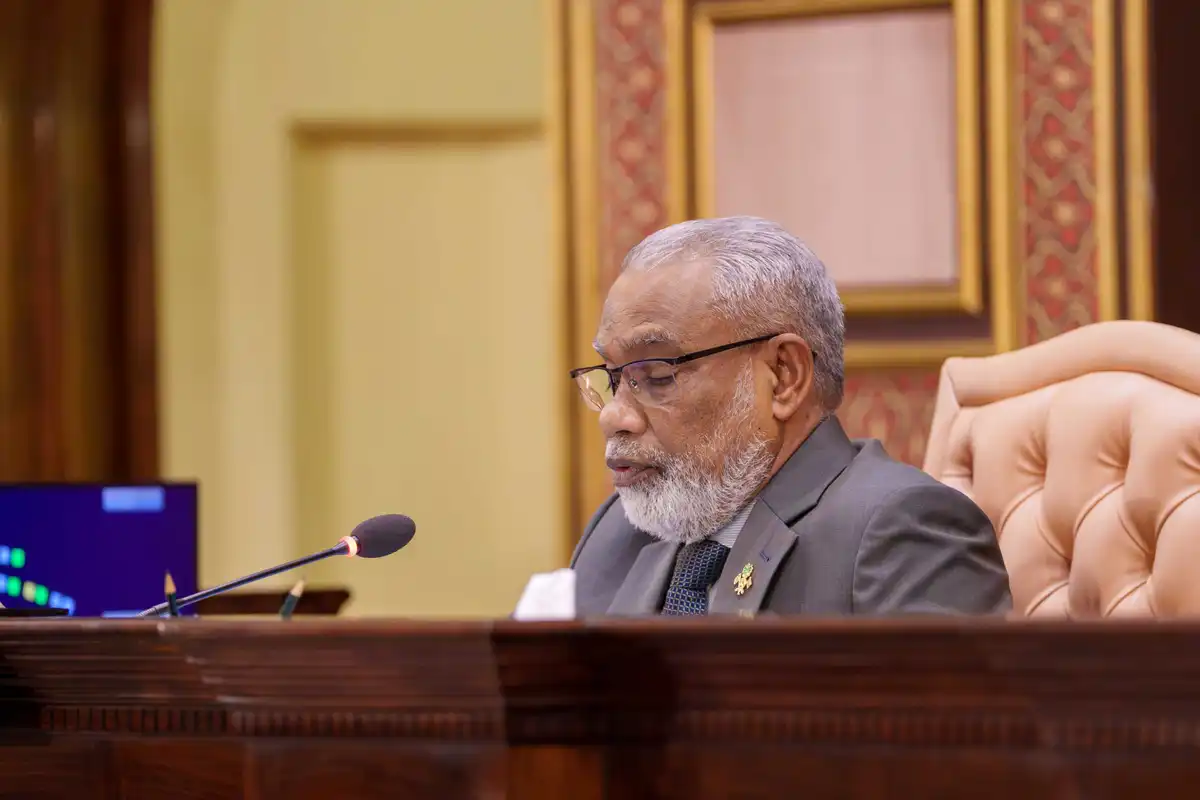
These despotic tendencies reached another grotesque milestone through recent comments from Falah, who represents the Inguraidhoo constituency while leading the ruling party in the People’s Majlis. Addressing an audience from a stage, the lawmaker likened the cheering directed at the president to the rehearsed, forced applause manufactured in North Korea, even celebrating the spectacle as aesthetically pleasing. To casually cite an infamously abusive totalitarian state as an inspirational standard is nothing short of a humiliating spectacle for the country.
For a society founded on individual liberty and self-determination, watching top party lieutenants glorify totalitarian aesthetics is deeply alarming. While apologists might attempt to frame those foreign displays as demonstrations of genuine devotion, the global community recognizes them as the manufactured byproducts of systemic intimidation and terror. Any push to inject or legitimize such dictatorial sensibilities into Maldivian political life signals a catastrophic hazard to the legal protections and basic liberties of the populace.
This paranoiac dread clearly reaches far past a single defensive tourism minister; it permeates the whole executive apparatus. Top officials, alongside everyday people, visibly navigate their careers under the constant threat of unannounced termination. With an executive branch operating by decree, signature initiatives sitting stalled, the independent press facing hostility, and political leaders openly admiring notorious dictatorships, the ruling establishment is violently detaching itself from constitutional norms.
This dark turn demands immediate scrutiny, strict public oversight, and an urgent reversal before democratic governance is hollowed out completely.