Abolishing Atoll Councils is the death knell for the decentralization system: Mulah Council President
11 ޖުލައި 2026 | ހޮނިހިރު 10:20Mulah Council President Jamaal has expressed concern that government amendments to the Decentralization Act are restricting council powers and obstructing local development. Highlighting significant budget constraints caused by high administrative salary costs, he warned that these legislative changes threaten to reverse the progress previously achieved by atoll councils.


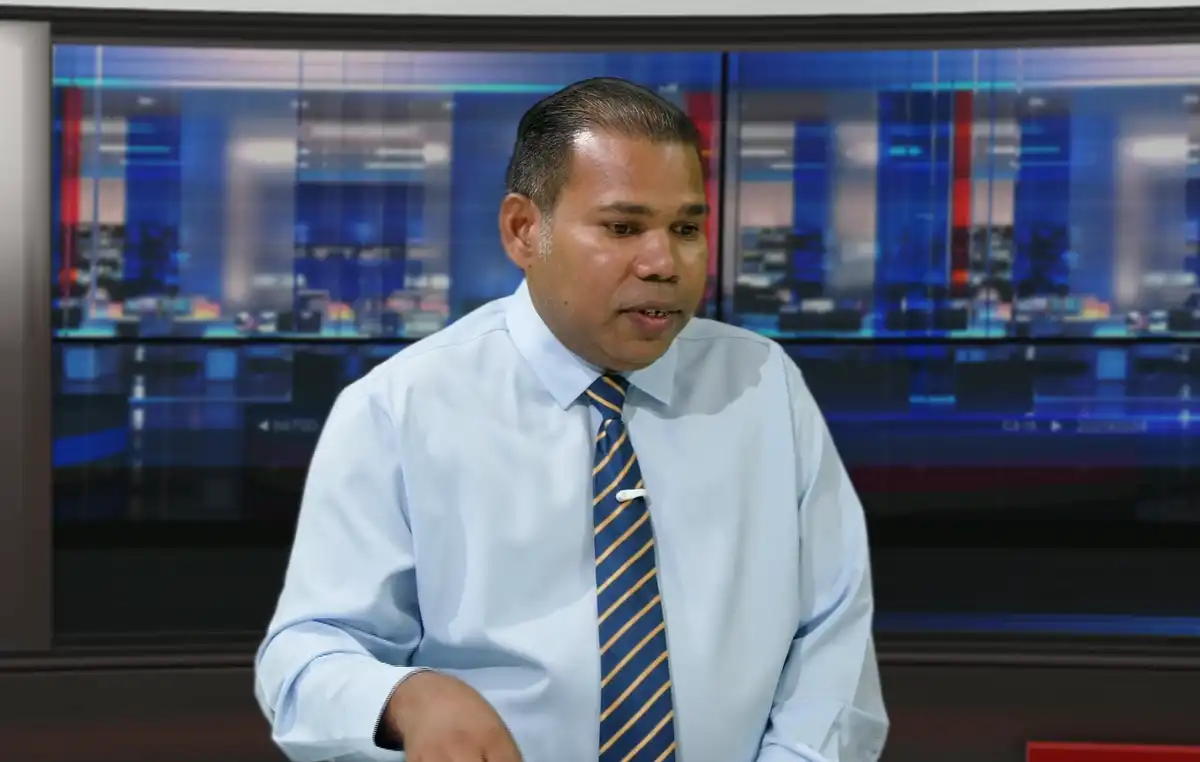
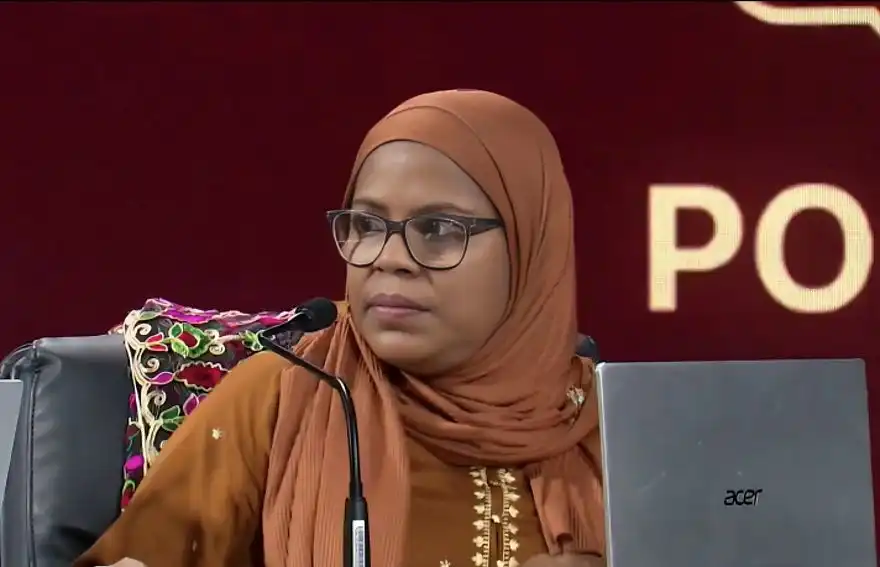
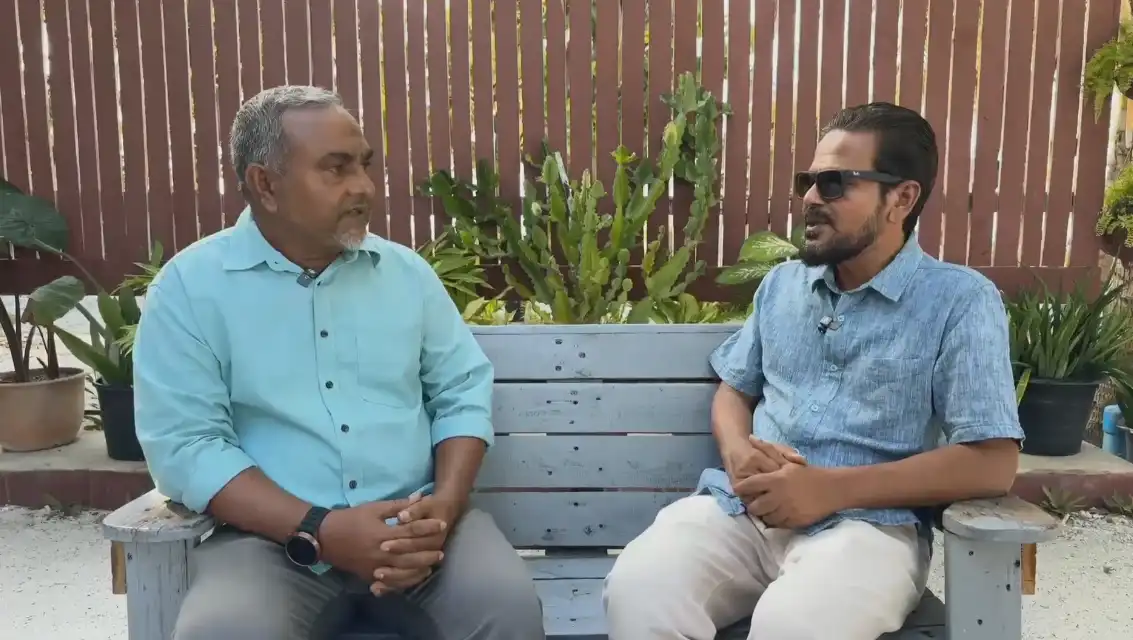
Mulah Council President Ahmed Jamaal speaking during Saturday's "Fashaairu" program. | RaajjeMV
The President of Mulah Council, Ahmed Jamaal, has stated that dissolving atoll councils would be equivalent to burying the decentralization system.
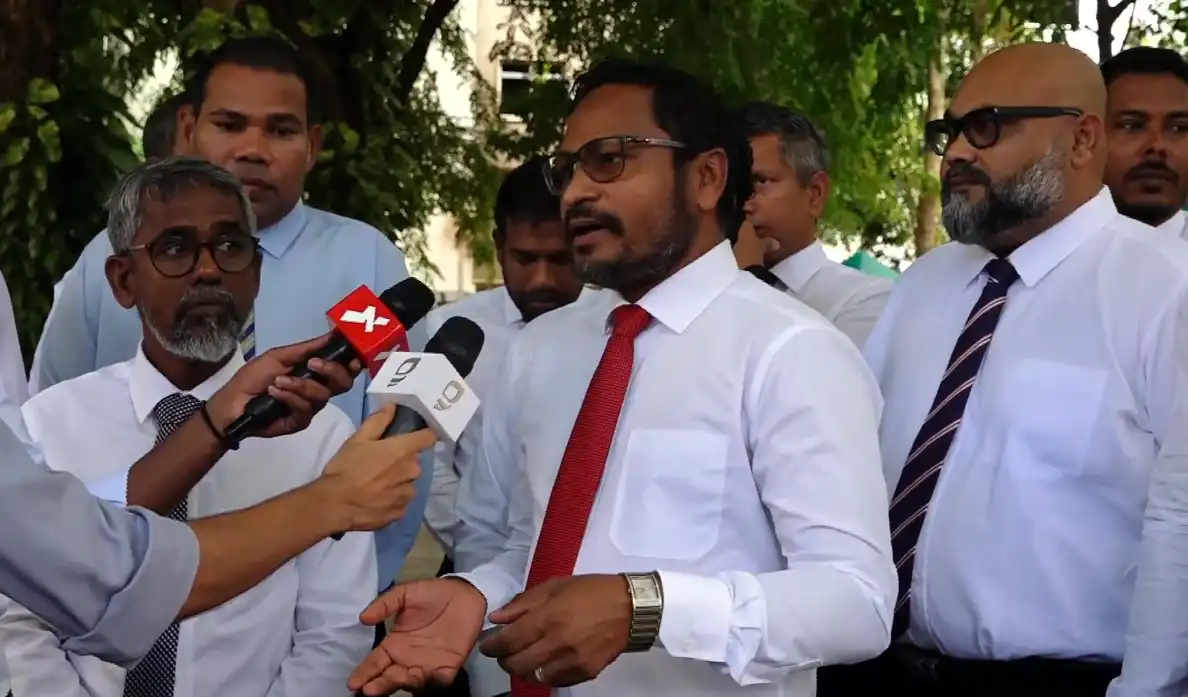
Speaking on Saturday's "Fashaairu" program, Council President Jamaal sharply criticized President Dr. Mohamed Muizzu’s administration for its moves to dissolve atoll councils and the broader changes brought to the decentralization system. He stated that the government is stripping councils of their authority and attempting to revert to an outdated governance model.
Highlighting the decentralization system as the most effective model for local governance, Jamaal noted that during former President Ibrahim Mohamed Solih’s administration, councils undertook significant efforts toward island development.
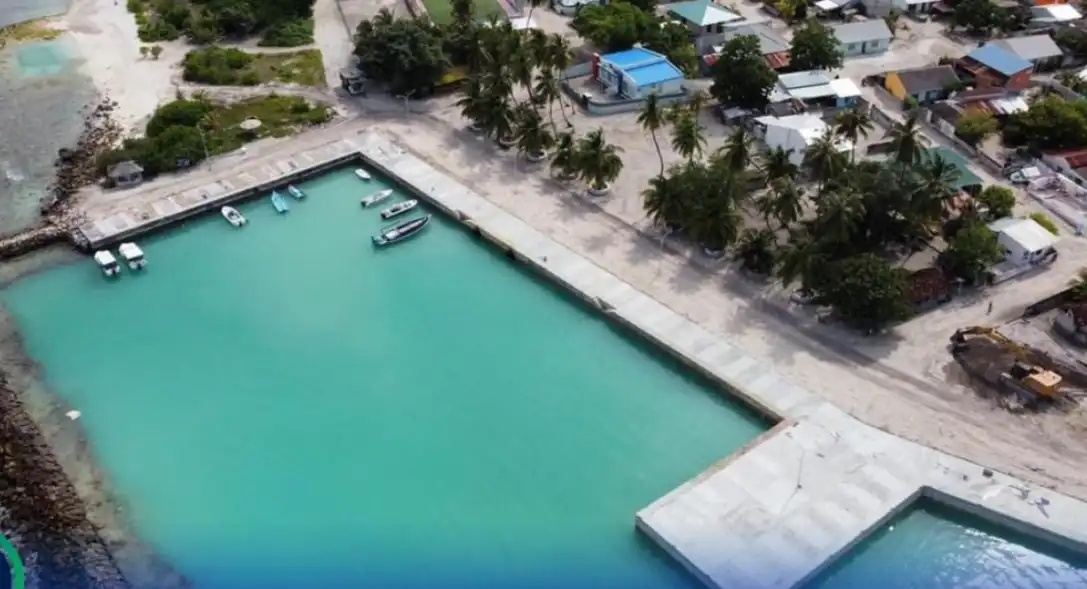
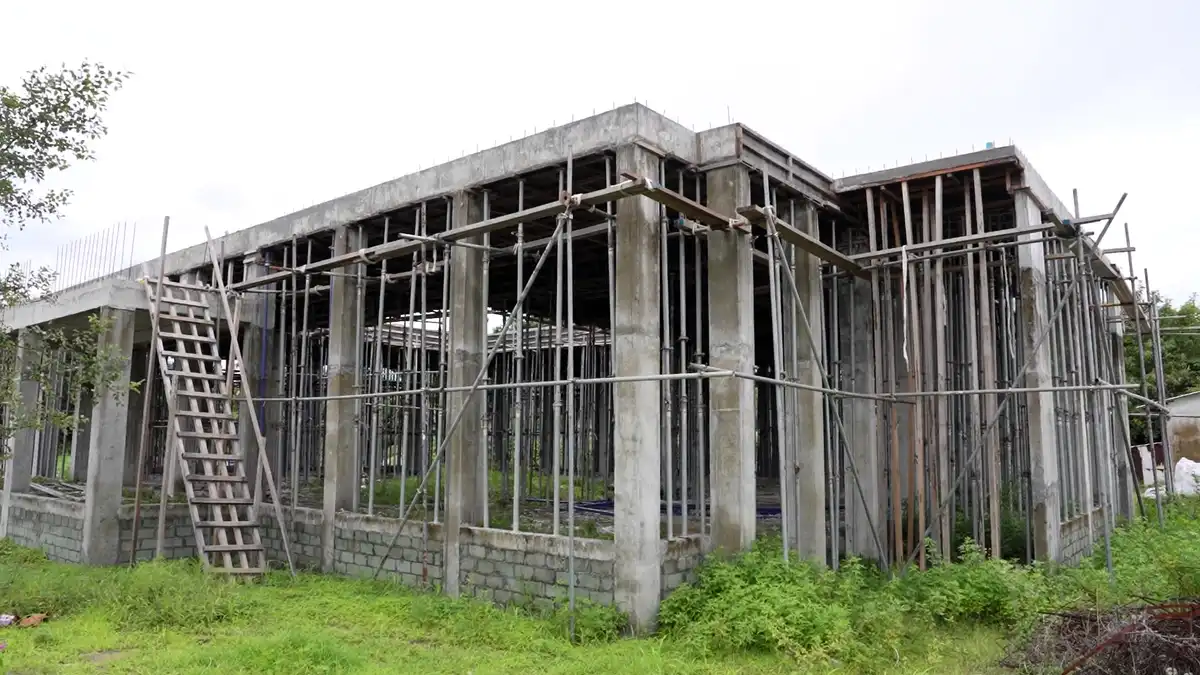
He noted that a park was developed and a modern terminal was established specifically for travelers. However, he stated that the sudden changes brought to the Decentralization Act by the current administration have significantly hindered their efforts.
Furthermore, Jamaal noted that while local council staff salaries were increased, there was no corresponding hike in government grants. As a result, councils are now forced to utilize the entirety of their grants solely to cover payroll expenses. He added that councils are now compelled to rely entirely on their own generated revenue to fund island development projects and other administrative activities.
I strongly condemn the abrupt changes being made to the Decentralization Act. I believe the system established during the previous term was the most effective model for the Maldives. The village and atoll councils were functioning cohesively and efficiently until these current changes were introduced. Specifically, regarding the budgetary adjustments, we receive approximately 12 million Rufiyaa annually as a state grant. However, a significant portion of this—around 11 million Rufiyaa—is consumed by salaries. This leaves us with only about one million Rufiyaa to fund all other activities and initiatives.Ahmed Jamaal, President of the Mulah Island Council
Characterizing the government's move to abolish atoll councils as the death knell for the decentralized system, Jamaal noted that these councils have contributed significantly to regional development, highlighting the Meemu Atoll Council as a prime example of a body that has delivered tangible results. He further stated that while the current administration portrays atoll councils as mere bureaucratic hurdles for obtaining permits, they are, in fact, vital bodies responsible for the comprehensive monitoring and execution of developmental work.
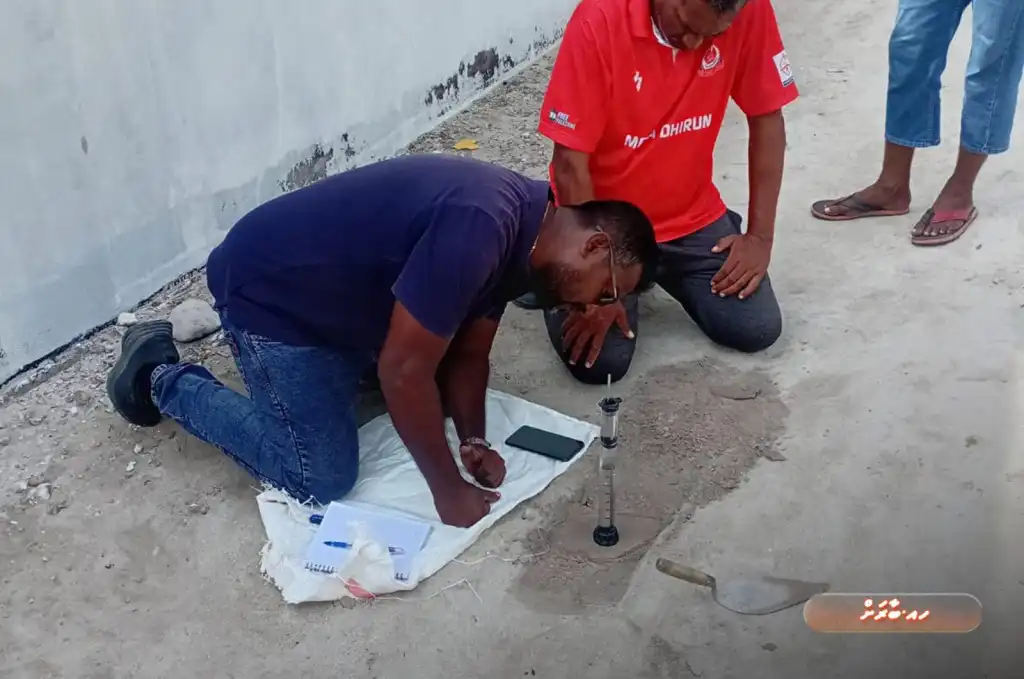
By the end of the term, funding was provided to establish a four-bedroom accommodation block in every island. This initiative was undertaken by the Atoll Council specifically to assist local councils in increasing their revenue streams. Furthermore, solar panels have now been installed at all council administrative offices across the atoll. We believe this is a significant achievement; for instance, since solarizing our own council office, we have managed to save 15,000 Rufiyaa per month from the council budget. The Atoll Council has implemented many such initiatives that directly benefit the public.Ahmed Jamaal, President of the Mulah Island Council
Jamaal stated that during the previous term, the Atoll Council acquired a speedboat and extended its services across the entire atoll. He noted that this initiative provided significant convenience to the hospital, schools, and various other government offices.
However, he stated that the current administration has abolished atoll councils and halted their services. He further noted that there is currently no clear direction on how to manage the assets belonging to these councils.