Reduction in state expenditure is not due to permanent cost-cutting measures, but rather a result of delaying payments on outstanding bills: World Bank
29 ޖޫން 2026 | ހޯމަ 11:12According to a recent World Bank report, the Maldives faces significant economic challenges as its public debt has surged to 129.7 percent of GDP. With growing difficulties in securing financing to meet external debt obligations, the country is projected to require $1.7 billion for debt servicing by 2026. Consequently, the World Bank has urged the government to expedite robust fiscal reforms, including restructuring subsidies and state-owned enterprises, to ensure long-term financial stability.
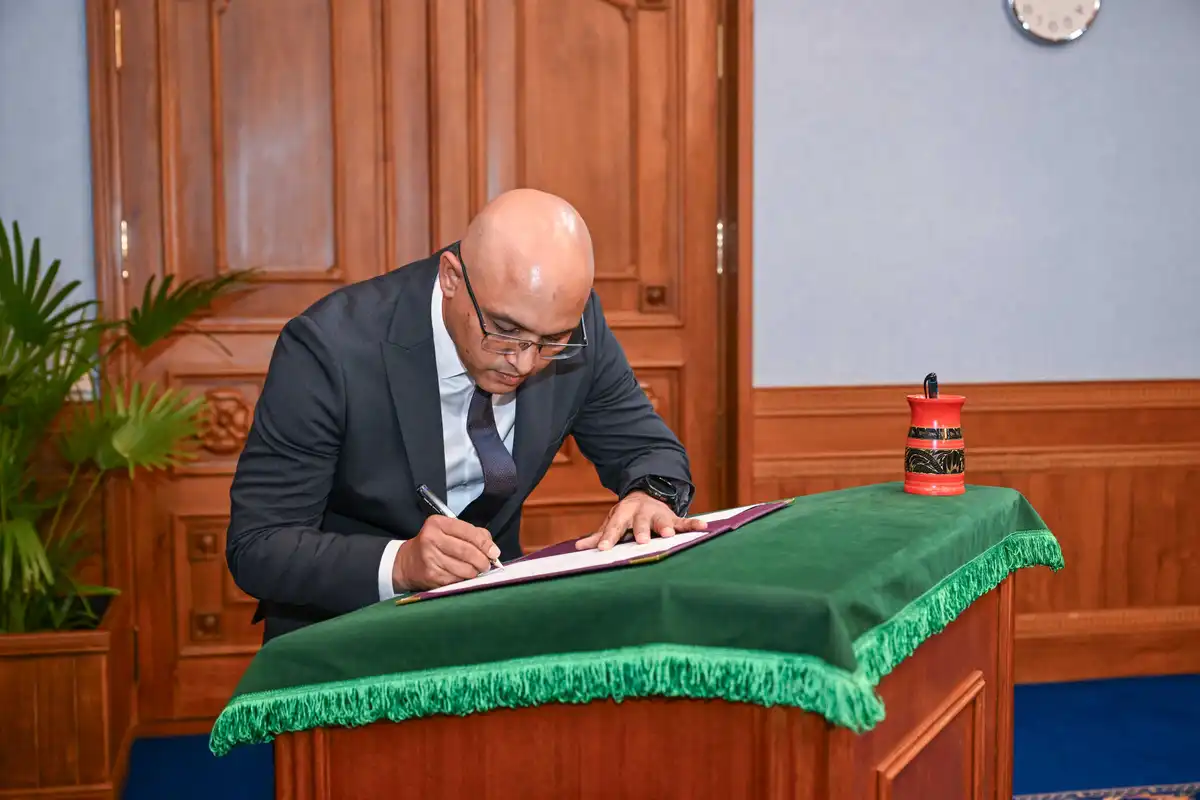
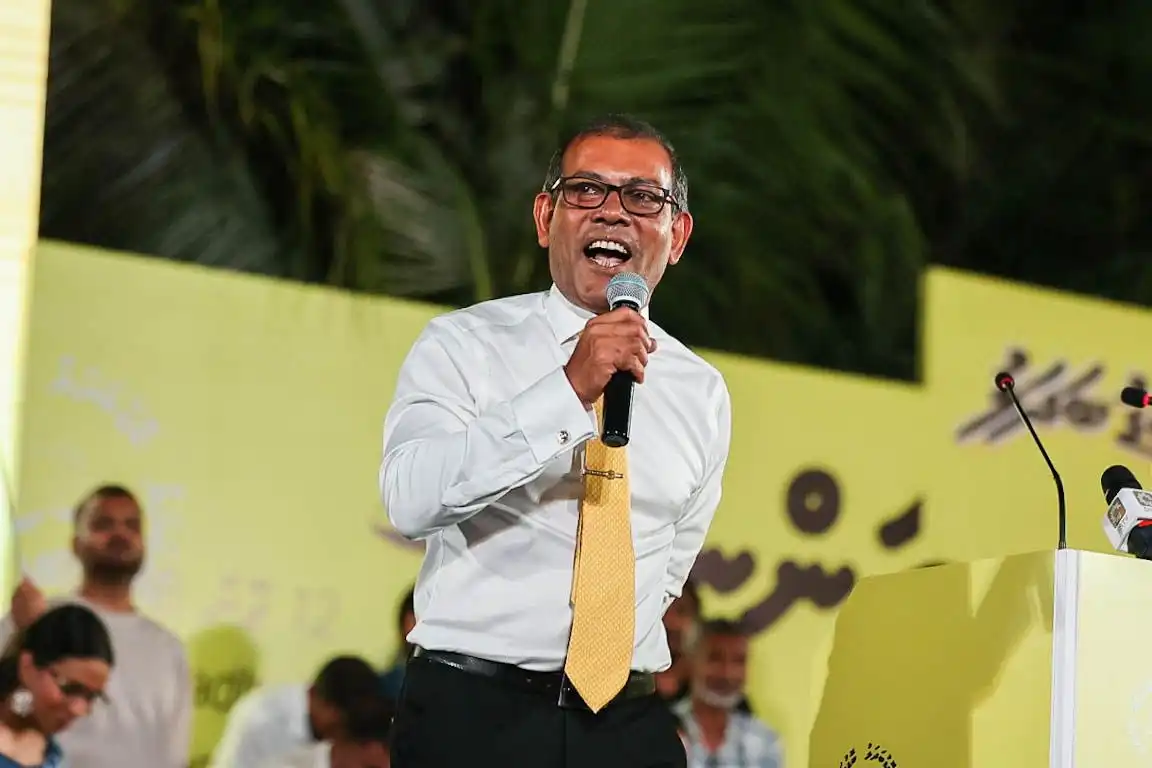
Minister of Finance and Public Enterprises, Hassan Zareer. | President's Office
The World Bank has stated that the reduction in Maldivian government expenditure is not the result of permanent fiscal consolidation, but rather a consequence of delaying payments on outstanding bills.
According to the latest findings from international financial institutions, while the Maldives' economy remains stable due to significant growth in the tourism sector, the nation's economic outlook faces substantial challenges. These include rising public debt, a heavy reliance on external financing, and the impact of shifting global dynamics.
In its "Maldives Development Update" report released on June 11, 2026, the World Bank stated that the Maldives' fiscal position improved in 2025 due to increased government revenue and a narrowing budget deficit. However, the Bank warned that structural vulnerabilities remain, noting that the economy continues to face significant pressure from rising public debt and challenges in securing external financing.
The World Bank estimates that the fiscal deficit, which stood at MVR 10.8 billion or 9.9 percent of GDP in 2024, has narrowed to MVR 5.1 billion or 4.3 percent of GDP in 2025. While state revenue grew by 12 percent due to an increase in tourism-related taxes and non-tax revenue, total expenditure declined following cuts to capital spending. However, the World Bank noted that this reduction in spending was not achieved through permanent structural reforms, but rather by deferring certain payments.
The World Bank has stated that while there have been some improvements in the national budget, public debt remains one of the most significant concerns for the Maldivian economy. According to the report, public and publicly guaranteed debt is projected to reach 129.7 percent of GDP by 2025. It further estimates that without the implementation of sustainable fiscal reforms, debt levels will remain elevated over the medium term. Additionally, the World Bank warned that the Maldives could face substantial risks regarding its external debt servicing obligations.
The report also highlights the significant challenges in securing foreign financing. Projections indicate that while $630 million is required for external debt servicing in 2025, this figure is expected to surge to $1.7 billion by 2026. Although the government settled a $500 million sovereign sukuk in April and fulfilled obligations under a $400 million currency swap agreement with India, approximately $1 billion in foreign debt remains to be paid during the remainder of this year.
The International Monetary Fund (IMF) projects that the Maldives' real GDP growth will settle at approximately 3 percent by 2026. The institution further noted that risks to the economy remain elevated due to global geopolitical tensions, coupled with the country's significant fiscal and external debt vulnerabilities.
The World Bank has urged the Maldives to accelerate measures aimed at streamlining state expenditure, reforming state-owned enterprises, and refining subsidy mechanisms to bolster national revenue. According to the Bank, these steps are essential to establishing macroeconomic stability and ensuring long-term economic growth.