We do not wish to grant forgiveness; our son is gone, and therefore we demand the death penalty: Moosa’s heirs
5 ޖުލައި 2026 | އާދީއްތަ 11:01The heirs of Moosa Ibrahim, who was murdered in L. Maavashu, have rejected a plea for leniency from the accused, Mohamed Ibrahim, demanding instead the application of the death penalty despite his confession. During the proceedings, the Criminal Court verified the validity of the confession and heard medical testimony confirming that the fatal injuries were the result of a deliberate attack. As the trial nears its conclusion, the court is expected to deliver a final verdict shortly.

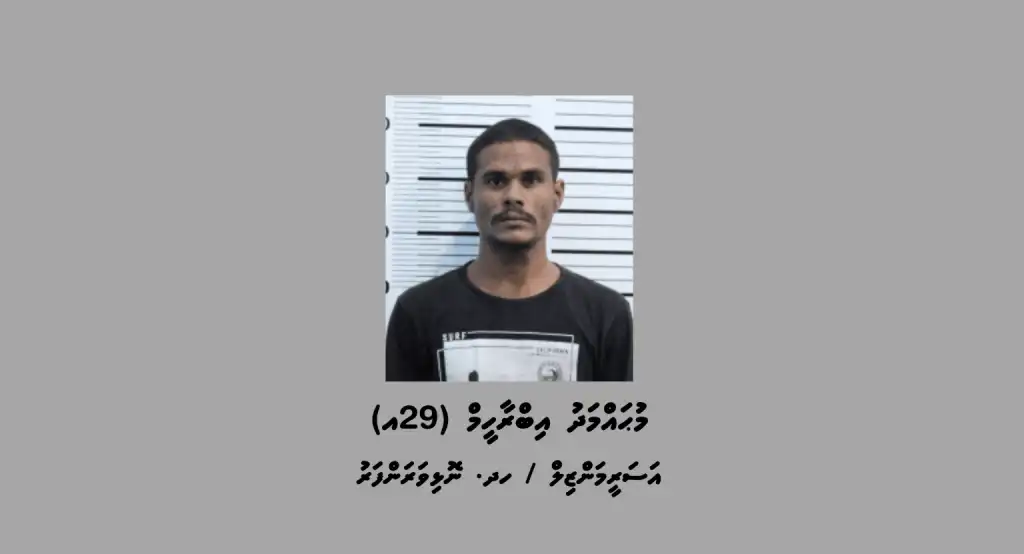
Mohamed Ibrahim has been charged in connection with the fatal stabbing of Musa Ibrahim in L. Maavah. | police
The heirs of Moosa Ibrahim, who was fatally stabbed in L. Maavah, have informed the court that they are unwilling to grant forgiveness to the accused, Mohamed Ibrahim.
The first charge brought against him is for first-degree murder using a sharp object. If convicted, the offense carries the death penalty.
The second charge involves the possession of a sharp object in a public place without a valid reason. If found guilty, this offense carries a prison sentence ranging from 6 to 12 months. However, should the murder charge be proven, there would be no legal interest in pursuing a separate sentence for this particular charge.
The defendant has confessed to the charges in this case. He stated that his only request is for the legal heirs to grant him leniency.
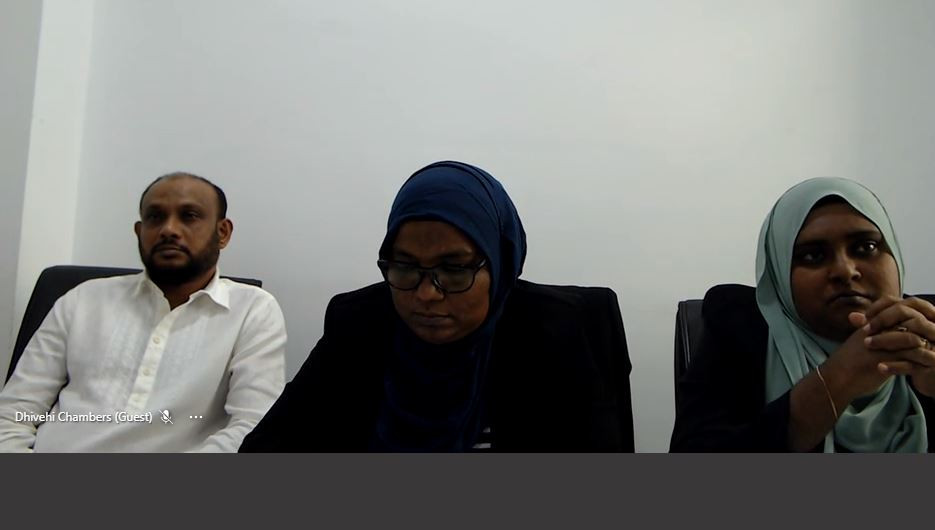
During Sunday's hearing, the court proceeded with recording the statements of the legal heirs. Moosa’s father and mother were present at the proceedings in their capacity as heirs. Additionally, the state provided a detailed clarification on the religious principles governing the right of retaliation (Qisas) and the provision for granting pardon.
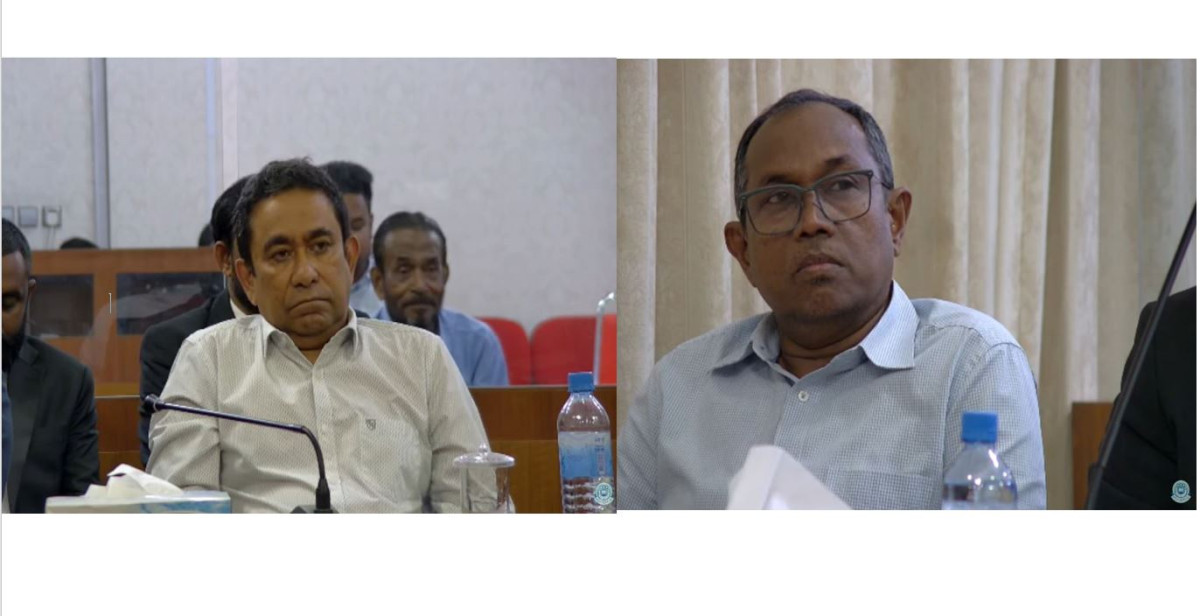
Both individuals stated that they could not grant forgiveness and expressed their desire for the death penalty to be carried out as retribution.
"I do not forgive, nor do I wish to grant it. I want a life for a life; my child's life has also been taken."The Statement of Moosa’s Heirs
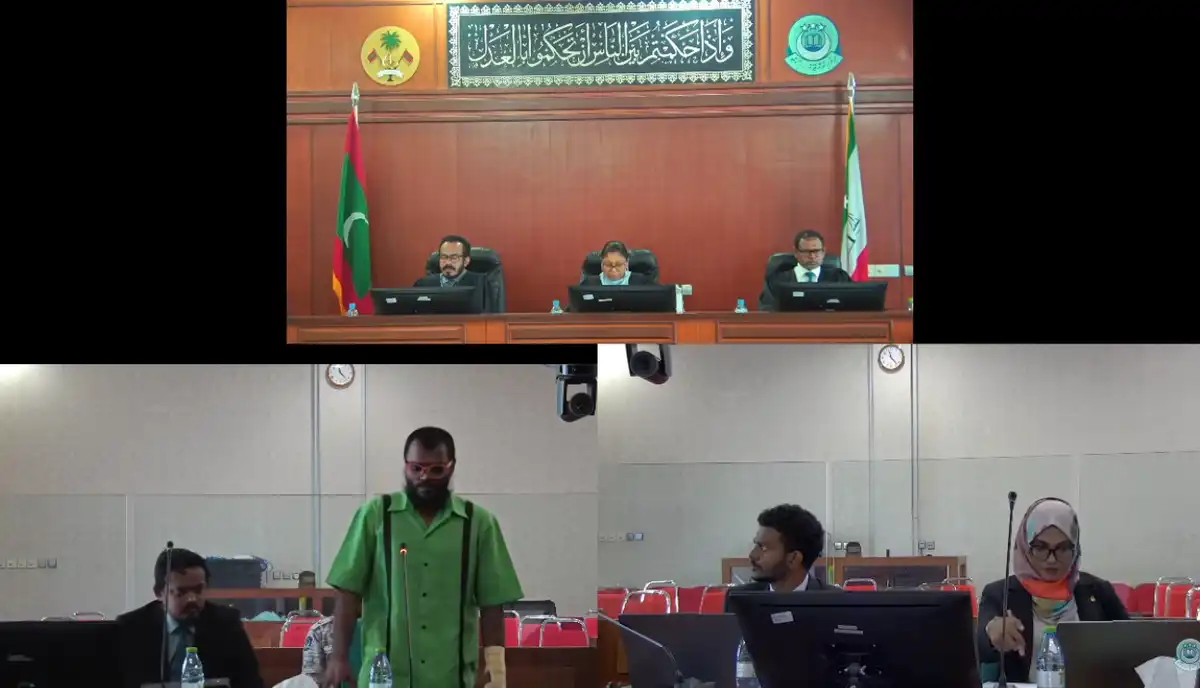
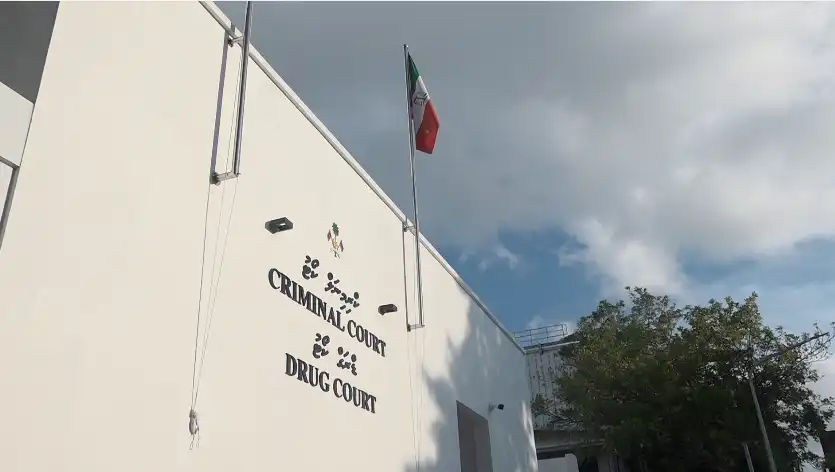
Chief Judge Adam Mohamed is presiding over the case at the Criminal Court.
As this is a case of intentional homicide involving the potential for Qisas (retributive justice), the court must verify the validity of the defendant's confession, even if one has been provided. To ensure this, the Criminal Procedure Act grants the court the authority to summon witnesses at its own discretion to corroborate the facts of the case.
In line with this procedure, the court summoned a doctor to provide testimony during a previous hearing. This was conducted to further verify whether the events transpired in accordance with the confession.
During the hearing, the defendant reenacted the manner in which he killed Moosa. Using an individual of similar height to the victim, he demonstrated how the incident allegedly took place.
The physician also testified that the stabbing appeared to be intentional. This conclusion was based on several factors, including the depth of the wound and the angle at which the knife was driven.
The case is now nearing its conclusion. Consequently, a verdict is expected to be delivered very soon.