High Court upholds death sentence for Adhuham, convicted of murdering Gasim
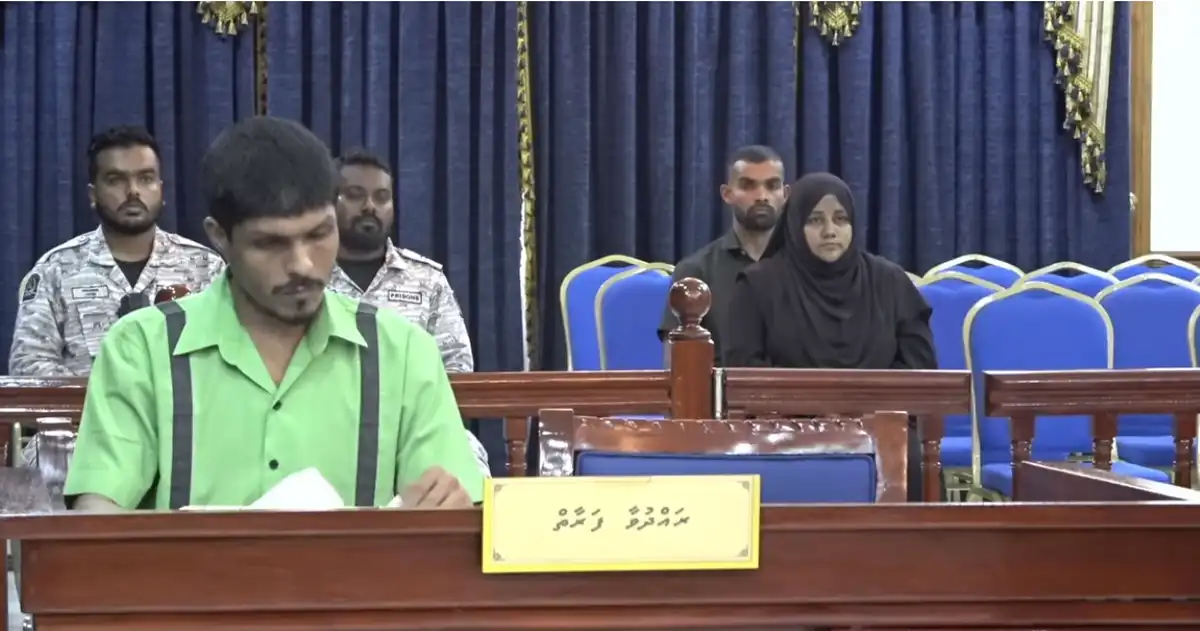
30 ޖޫން 2026 | އަންގާރަ 08:08The High Court today upheld the death sentence against Adhuham Mohamed for the murder of taxi driver Gasim Hassan, citing his own confession and corroborating scientific evidence. With Gasim's heirs confirming their desire for retributive justice, the bench ruled unanimously that Adhuham’s actions met the legal and Shari'ah criteria to establish criminal intent to commit murder.

Adhuham Mohamed has been found guilty of the murder of 59-year-old taxi driver Gasim Hassan. | Raajje MV
The High Court of the Maldives has upheld the death sentence issued against Adhuham Mohamed for the murder of 59-year-old taxi driver Gasim Hassan.
This case involves the murder of an individual in Hulhumalé on the night of December 4, 2019. The defendant, Adhuham, was charged with the killing after attacking the victim with a knife featuring a blade approximately six inches long. Following a trial where the charges were proven, the Criminal Court sentenced him to death in April 2023.
In cases involving the death penalty, the verdict must be submitted to the higher courts to ensure it is a final and conclusive judgment. Accordingly, the state has now filed the matter with the High Court for such verification.
All five of Gasim’s heirs have expressed their desire for the implementation of the death penalty (qisas). These heirs consist of his five children.
Adhuham initially confessed to the crime before later withdrawing his statement, only to confess again at a later stage. The presiding judge of the lower court noted that although Adhuham provided conflicting accounts during the investigation regarding the specifics of the assault on Gasim, he ultimately admitted to the stabbing.
The judge stated that the DNA recovered from the vehicle and the weapon used in the attack matched the DNA profile of Adhuham.
Furthermore, the judge stated that despite Adhuham's claims that the attack was an accident committed under the influence of drugs and without lethal intent, the intent to kill is determined by examining the weapon used and the specific part of the body targeted.
The presiding judge noted that since the attack occurred in a deserted area, a lack of intent to kill could have been argued had Adhuham attempted to assist Gasim following the assault. However, the judge ruled that Adhuham’s decision to flee the scene instead sufficiently proved his intent to murder Gasim.
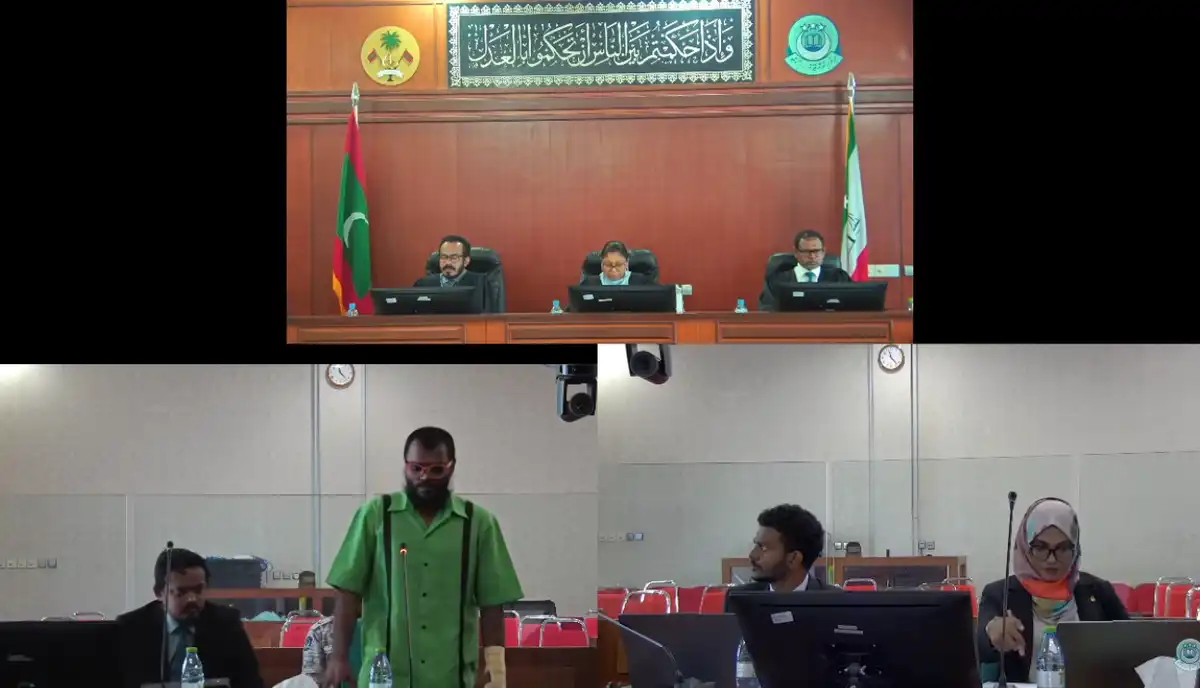
The High Court has upheld the lower court's decision. The three-judge bench presiding over the case unanimously ruled that the death sentence issued against Adhuham is a valid judgment.