Environmental sustainable development goals will not be achieved by 2030!
4 ޖުލައި 2026 | ހޮނިހިރު 09:48UNESCAP has called for the alignment of policies and financial systems across all sectors to address environmental challenges in the Asia-Pacific region. Highlighting that most environmental targets are unlikely to be met by 2030 at the current pace, the Maldives' Minister of Environment, Ali Shareef, emphasized the urgent need for reliable financial assistance for nations vulnerable to the impacts of climate change.
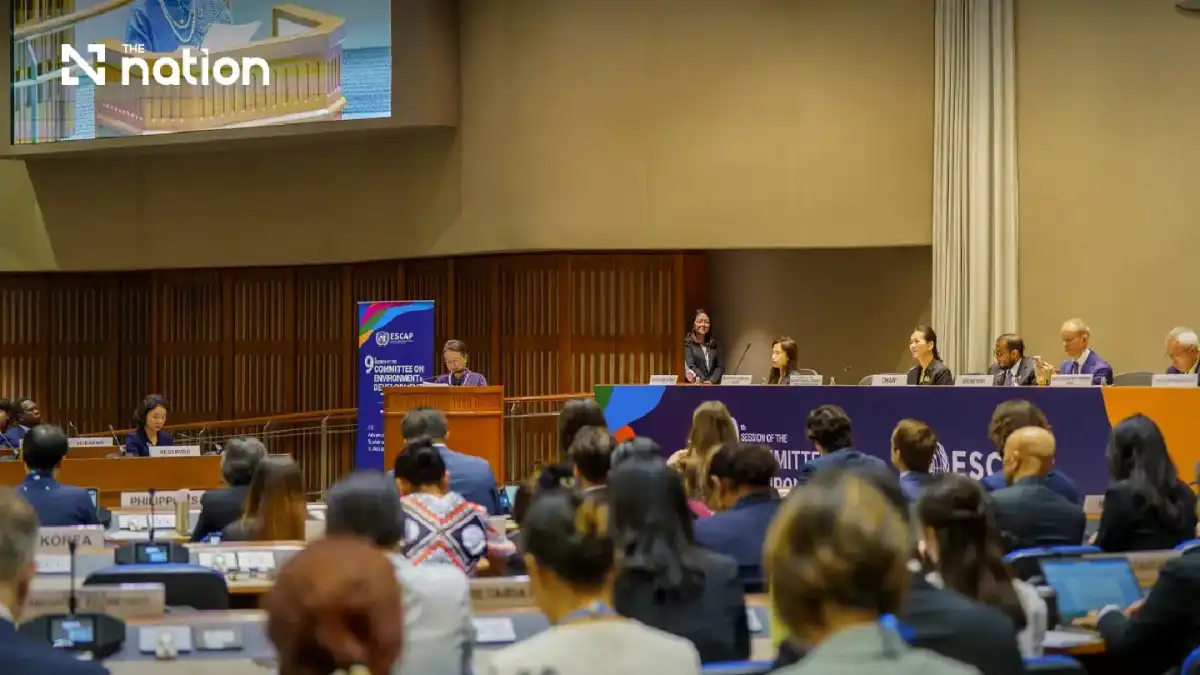
Countries across the Asia-Pacific region have established a new UN-backed agenda aimed at combating pollution, climate change, and the escalating crisis of biodiversity loss. | ESCAP
As environmental threats escalate across the Asia-Pacific region, member nations have established a new roadmap for climate and sustainable development aimed at accelerating efforts to combat climate change, biodiversity loss, and pollution.
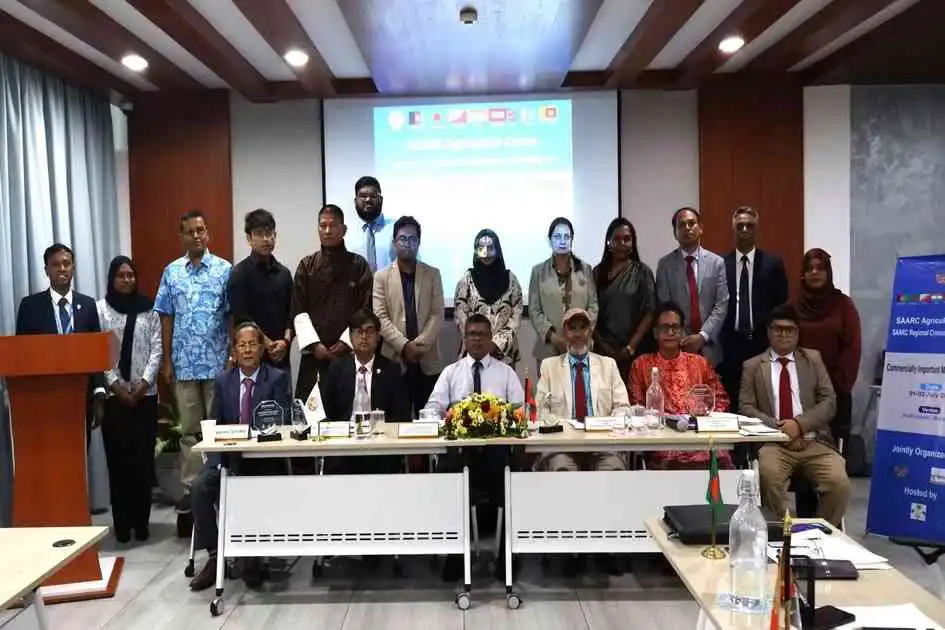
During a meeting held under the United Nations Economic and Social Commission for Asia and the Pacific (ESCAP), ministers adopted the "Ministerial Declaration on Environment and Development in Asia and the Pacific 2026" and the "Regional Programme of Action on Advancing Synergies for Sustainable Development in Asia and the Pacific 2026-2030."
The objective of this new framework is to align policies, financial systems, and institutions to ensure that progress achieved in one environmental sector benefits others. This synergy will assist nations in fulfilling their international and regional commitments to sustainable development. Armida Salsiah Alisjahbana, UN Under-Secretary-General and Executive Secretary of ESCAP, stated that because the region's environmental challenges are interconnected, they cannot be resolved through isolated sectoral efforts alone. She further emphasized that at a time when financial, institutional, and technical resources are increasingly constrained, an integrated approach across all sectors is essential to achieving impactful development outcomes.
These agreements have been established at a critical juncture, as environmental threats to the Asia-Pacific region reach unprecedented levels. Current projections indicate that 88 percent of the environment-related Sustainable Development Goals (SDGs) will not be met by the 2030 deadline if progress continues at its present pace. Furthermore, approximately 90 percent of the region's population currently resides in environments where air pollution levels pose significant risks to human health.
Presiding over the ninth session of the ESCAP Committee on Environment and Development, the Maldives' Minister of Climate Change, Environment, and Energy, Ali Shareef, emphasized that it is crucial for countries most vulnerable to the adverse effects of climate change to receive reliable and adequate financial assistance in the form of grants.
According to ESCAP, 39 countries in the region have now established carbon neutral or net-zero targets. Furthermore, 46 nations have integrated environmentally friendly solutions into their national climate or development plans, while 25 out of 27 coastal states have incorporated ocean-based measures into their climate policies. This regional agenda is based on the newly released "Asia-Pacific Synergies Report." The report outlines practical approaches to simultaneously address climate change, biodiversity loss, and pollution, while highlighting innovative financial mechanisms and data-driven policy frameworks.