
IMF urges Maldivian government to reduce national debt
17 ޖޫން 2026 | ބުދަ 10:07The International Monetary Fund (IMF) has advised the Maldives to realign its policies to reduce national debt and ensure fiscal stability in response to economic challenges stemming from Middle East tensions. The IMF recommended implementing structural reforms while ensuring protection for vulnerable groups, further emphasizing the importance of strengthening expenditure frameworks and securing financial assistance to mitigate the impacts of climate change.
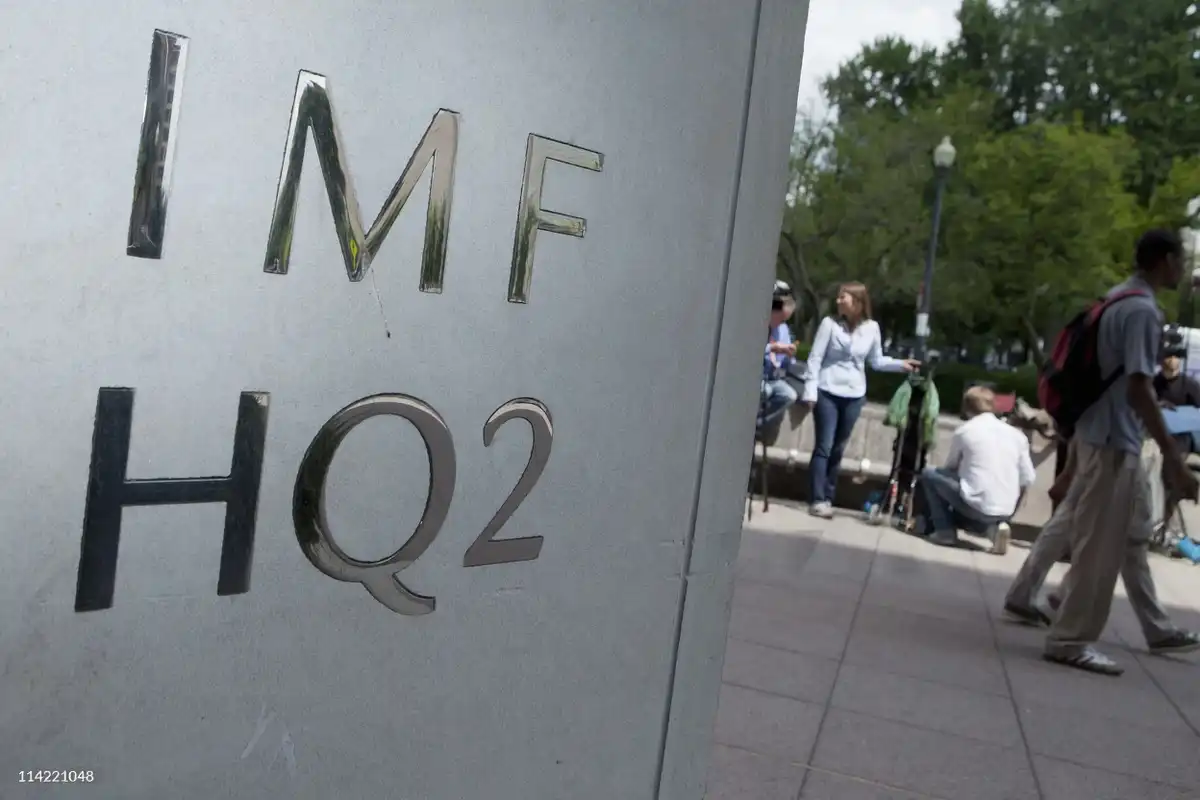
The International Monetary Fund (IMF) is headquartered in Washington, D.C., United States. | getty images
The International Monetary Fund (IMF) has advised the Maldivian government to take measures to reduce its national debt.
An International Monetary Fund (IMF) delegation visited the Maldives from June 4 to 14, 2026, to conduct Article IV consultations. The mission focused on assessing the country’s economic situation, future growth prospects, and the government’s key policy priorities. Following the conclusion of the visit, Mission Chief Piyaporn Sodsriwiboon issued the following statement:
Over the past year, the Maldivian economy has demonstrated remarkable resilience despite facing significant fiscal and macroeconomic challenges. However, the ongoing conflicts in the Middle East have adversely impacted domestic economic activity, public finances, and external financial transactions. Consequently, the immediate priority must be to realign policies to permanently address economic instability, reduce public debt, and ensure fiscal sustainability. In implementing these reforms, it is essential to guarantee continued protection for the most vulnerable members of society.
To bolster medium-term economic growth, priority must remain on implementing structural reforms, developing human capital, and enhancing climate resilience. As the Maldives is highly vulnerable to the impacts of climate change, the government's ongoing efforts to adapt to and mitigate these effects are of critical importance. To advance these initiatives and ensure sustainable development, it is essential to strengthen the framework for climate-related expenditure and secure the necessary climate financing.