Opportunistic outrage targets island festivities that were once deemed masterpieces
30 މެއި 2026 | ހޮނިހިރު 11:29Former Attorney General Azima Shakoor is facing criticism for her sudden condemnation of the Mashi Maali Parade in Kulhudhuffushi, which she previously praised in 2019. Critics argue her shift from calling the event a masterpiece to labeling it a toxic display is a partisan move to protect the current administration from satire. This reversal highlights how political loyalties can influence the public stances of high profile figures regarding traditional cultural expressions.

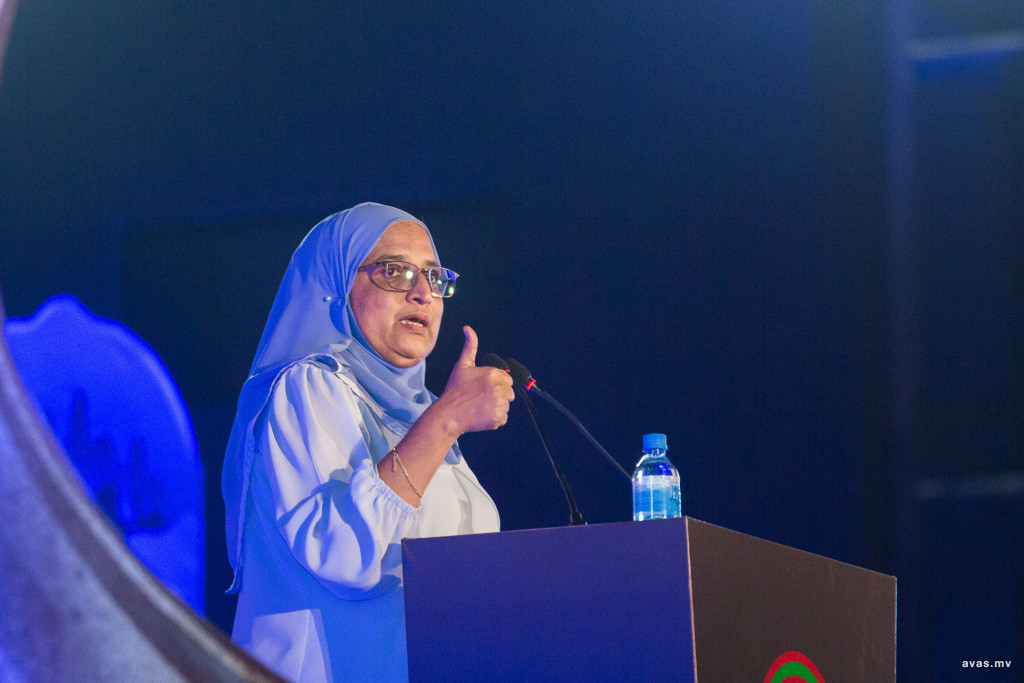
Former Attorney General and high-profile legal expert Aishath Azima Shakoor, speaking at an event. | Avas.Mv
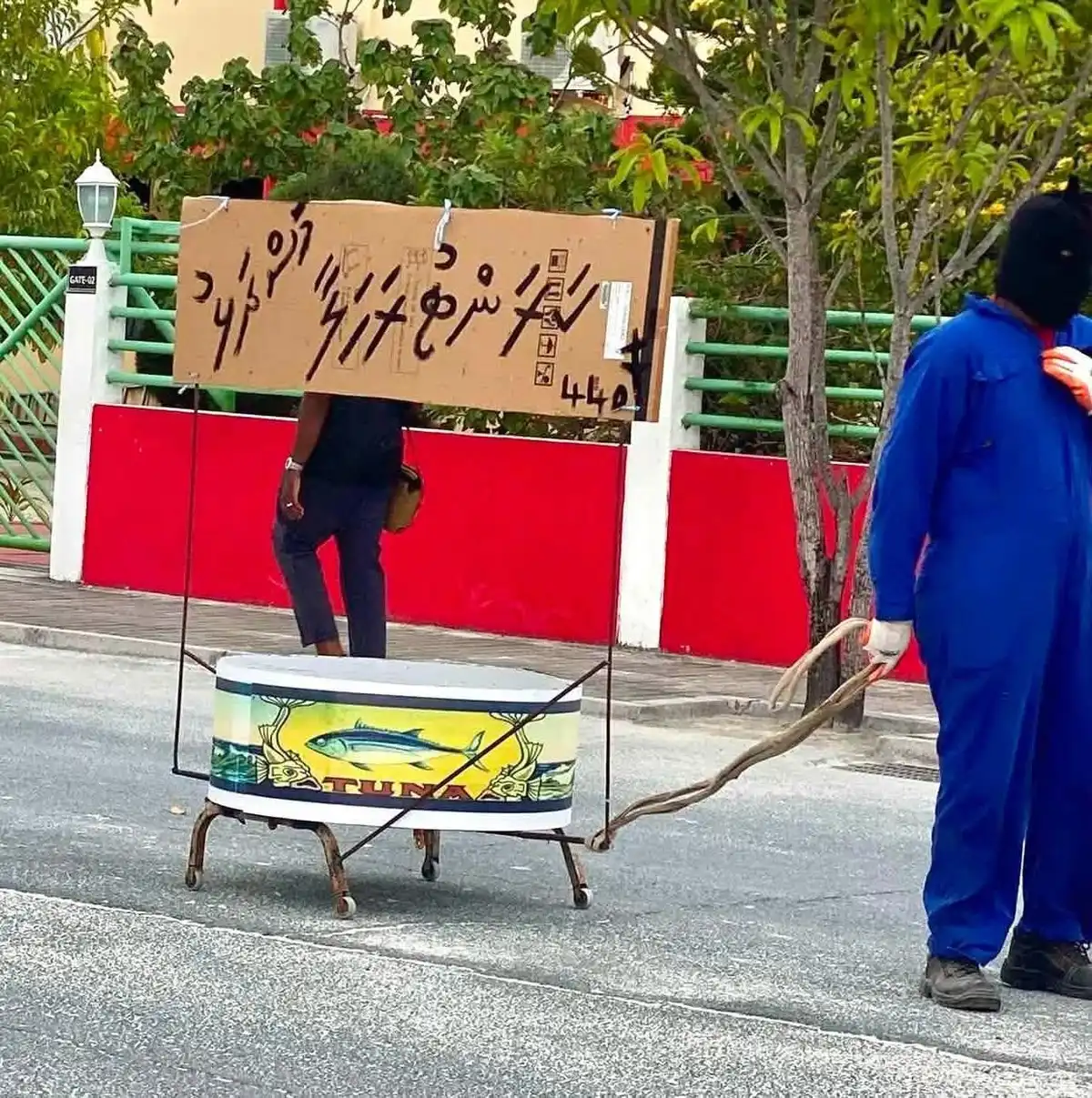
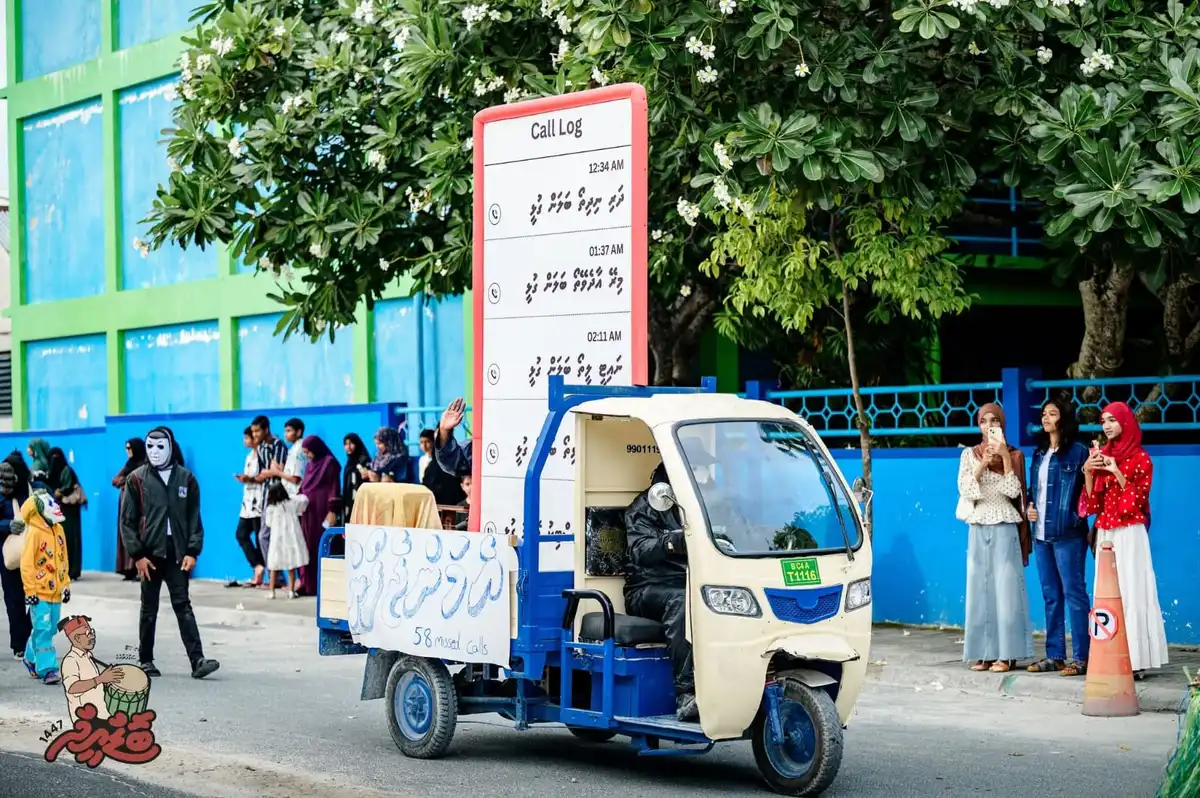
The Mashi Maali Parade, an annual fixture in Kulhudhuffushi City of Haa Dhaal atoll that rolls out right alongside the Eid al-Adha holidays, enjoys immense reputation as a major nationwide spectacle. It has secured a stellar track record for its distinctive, comedic parodies targeting the political, monetary and social realities of Maldives by utilizing an assortment of conventional Maali figures.
However, the moment the final float cleared the streets this round, former Attorney General and high-profile legal expert Aishath Azima Shakoor rushed forward to vent her intense disapproval and bitter disappointment over the entire affair.
Redefining sacred boundaries of celebration
Airing her grievances via a digital communication platform, Azima noted that although she cannot speak for the mindsets of the rest of the populace, she holds the firm conviction that this specific march is utterly destroying the cheerful, collective atmosphere of Eid that binds the archipelago together.
Insisting that the holiday should strictly serve as a time frame for reinforcing household ties and neighborhood unity, she went on to allege that the procession actively derails the authentic intent and core philosophy behind the sacred holiday.
Receipts prove a hypocritical metamorphosis
These critical declarations are being widely dismissed by onlookers as completely unsubstantiated complaints cooked up purely for self-preservation and partisan leverage, particularly when contrasted against Azima’s wildly contradictory posture on the very same event in yesteryears.
Looking back at an online post she published during the 2019 Eid al-Adha season, Azima actually showered the Mashi Maali Parade with glowing accolades, labeling it an absolute masterpiece and an incredibly awesome highlight of domestic cultural expression.
Tracking sudden shift in cultural standards
The glaring riddle demanding an explanation at this moment is rather straightforward: why on earth has an exhibition that she previously heralded as an awesome traditional triumph, even during periods when the featured Maali were mercilessly skewering the political climate under an entirely different ruling regime, abruptly metamorphosed into a toxic display that poisons the entire holiday experience?
This extreme, overnight U-turn in Azima’s public commentary regarding an identical cultural event lays bare her current factional loyalties. A multitude of political analysts imply that her sudden change of heart is linked directly to her active status as the legal proxy representing the family of the sitting president.
Because the current rendition of the parade squarely took aim at administrative blunders and unfavorable state developments, Azima’s outlook underwent a convenient transformation to insulate her career advantages and elite standing; as a direct result, a spectacle she once put on a pedestal is now condemned as a wrecking ball to the holiday.
Fluctuating principles of power proxies
When the public positions of an influential state figure waffle so dramatically on an identical topic, it triggers profound alarms regarding the integrity with which characters of Azima’s caliber champion nationwide and statutory concerns, not to mention the true quality of the counsel they hand out behind closed doors.
This unfolding drama underscores the reality that for actors like Azima, moral frameworks and ethical benchmarks constantly morph based on how close they happen to be standing to the throne of authority, rather than any genuine concern for the public good.
At its core, the Kulhudhuffushi Mashi Maali Parade endures as an uncompromised, self-governed arena for grassroots commentary and stands tall as a genuinely phenomenal cultural treasure.
However, the frantic spin coming from figures like Azima, swayed heavily by shifting partisan winds and individual enrichment, exposes a grim reality: their core beliefs are merely temporary leases tied directly to their cozy standing with whatever administration is calling the shots at any given hour.