Hidden price tag on presidential handouts making island utilities unaffordable
30 މެއި 2026 | ހޮނިހިރު 11:29Maldivians are protesting historic spikes in utility bills following the government's Ramadan relief measures and food gifts. Citizens suspect these inflated charges are a hidden way for the state to recoup costs, a sentiment satirized during the recent Mashi Maali Parade. While utility providers deny overcharging, a promised audit into exorbitant bills remains unpublished. This ongoing financial strain has led many to believe that government charity is never truly free.

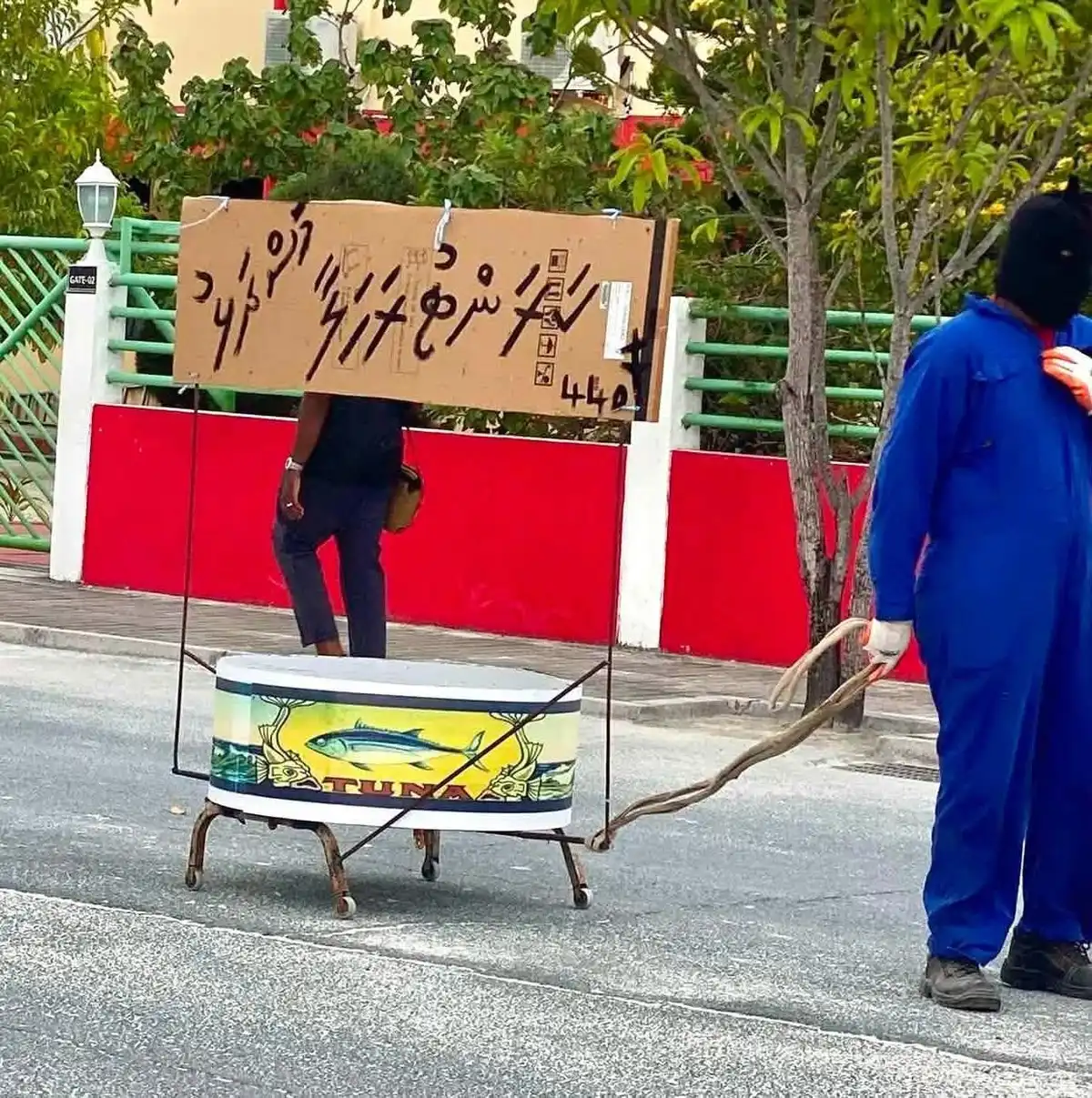
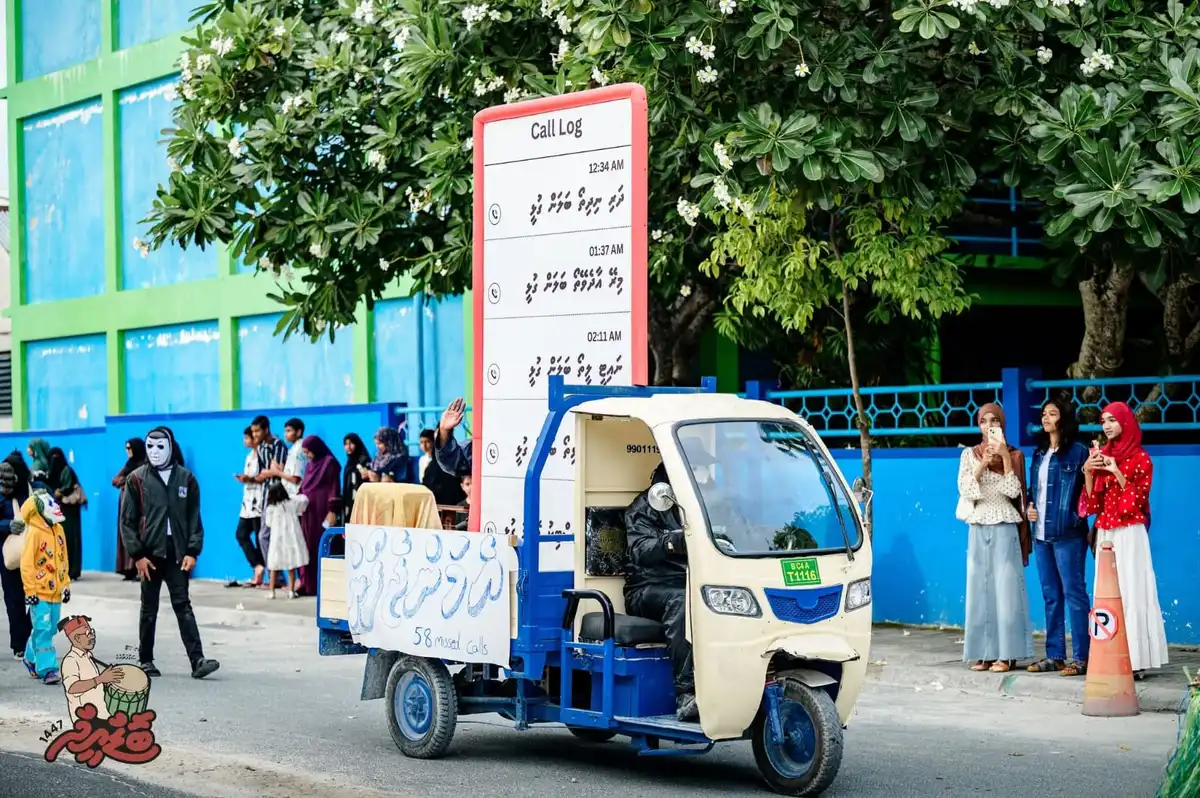
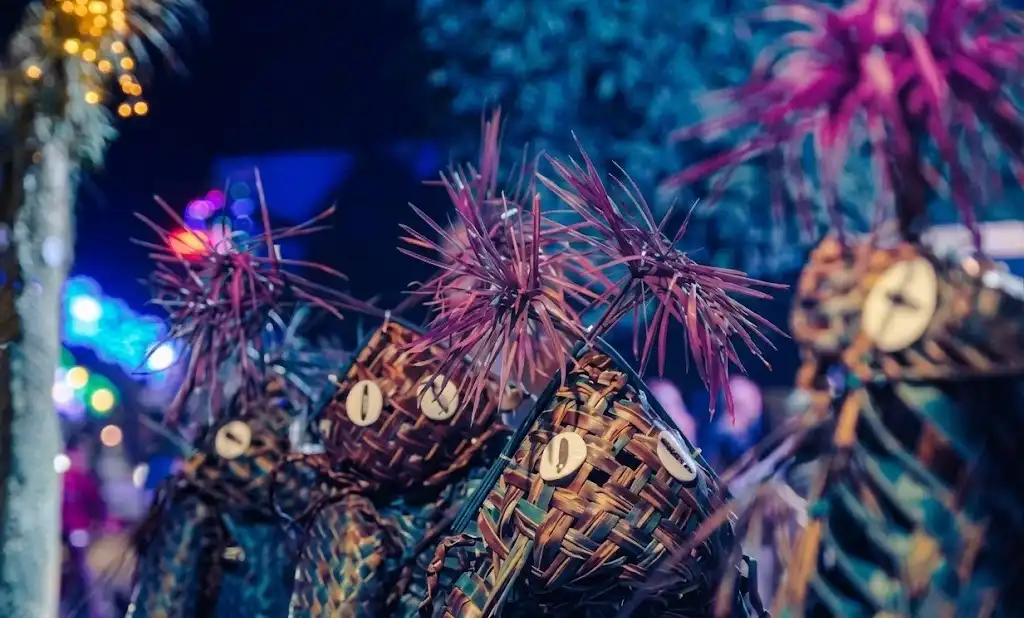
The annual "Mashi Maali" parade in Kulhudhuffushi, held to mark Eid al-Adha, featured a creative display depicting the "electric-flavored" canned tuna. | Social Media
One of the most urgent dilemmas currently taking center stage across the social and political spheres of the Maldives is the unparalleled, massive explosion in utility charges for power and water.
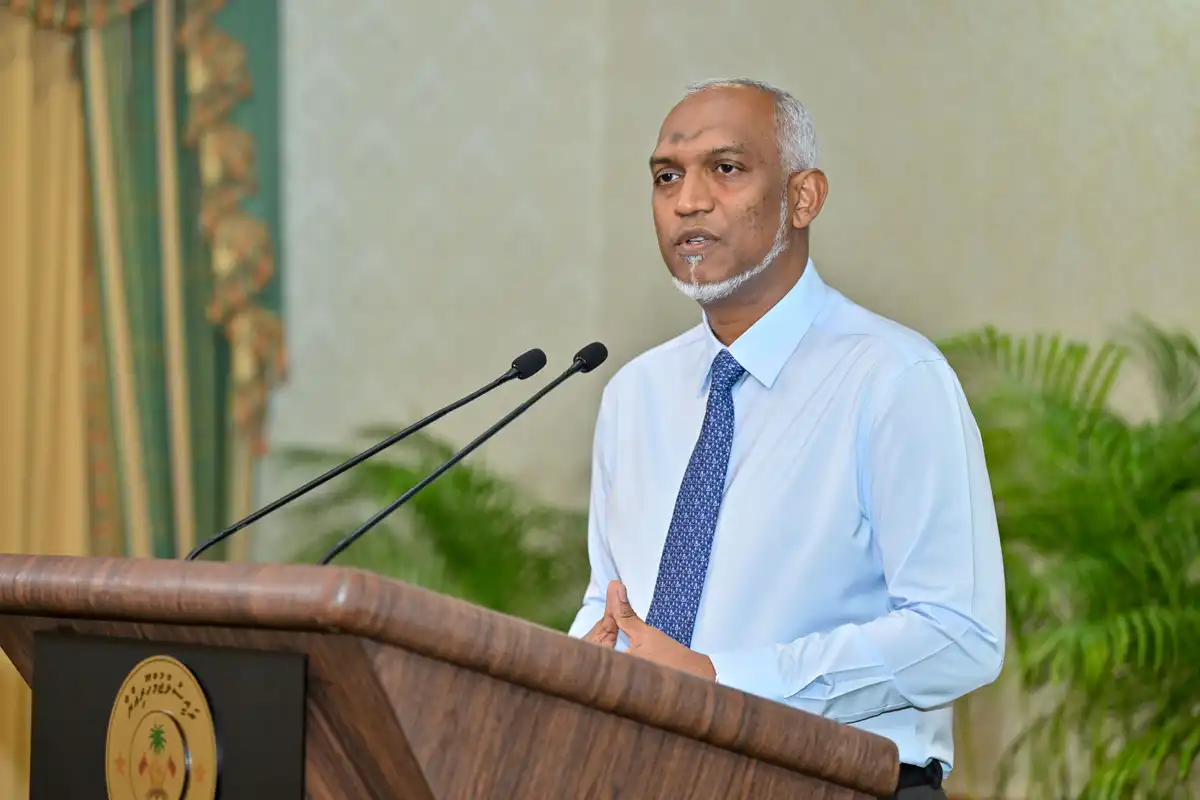
A large portion of the population harbors the conviction that the financial relief strategies and the cartons of preserved fish handed out as presents by the leadership of President Dr. Mohamed Muizzu throughout the fasting month of Ramadan were never a sincere act of charity. Instead, they are viewed as the opening act of a massive economic nightmare dumped onto the populace further down the road.
Post holiday sticker shock sparks island rebellion
Directly trailing the price reductions implemented during the fasting month of Ramadan, the utility tallies for the very next monthly cycle skyrocketed to unprecedented, historic peaks. For domestic households that normally expect to see statements floating around MVR 2,000, watching those exact same assessments magically balloon to sums of MVR 4,000 - MVR 5,000 has been condemned as a completely unendurable offense.
Pushed to their limits by this development, locals across multiple islands, including N. Velidhoo and R. Angolhitheemu, assembled right outside the regional administrative properties of the Fenaka Corporation during the month of April to launch public demonstrations, loudly declaring that the common folk are being systematically swindled.
Digital revolt retires into silence
Further, the general consensus surrounding this financial disaster found a highly visible outlet on the internet. Frustrated householders uploaded snapshots of their monthly energy statements to social platforms, openly questioning whether the ruling regime was using these hyper-inflated charges to surreptitiously claw back the operational costs of the complimentary preserved fish alongside the short-lived Ramadan discounts.
Even though these anxieties were incredibly loud and prominent at that specific moment in time, the collective roar of public anger eventually appeared to die down and lose its momentum.
Festival satire revives electric aftertaste of charity
Even so, the Mashi Maali parade that rolls out every single year in Kulhudhuffushi City of Haa Dhaal atoll to mark the Eid al-Adha holidays proved beyond a doubt that the foundational resentment of the public has not shifted one bit.
Weaving through the diverse lineup of old-school cultural entities and creative festival floats, it was the specific presentation titled the electricity-flavored canned tuna that ended up capturing the absolute lion's share of community fascination.
The underlying premise of this electricity-scented fish exhibit brought to life during the parade acts as a potent, cutting allegory for the current predicament gripping ordinary people.
It shines a light on an escalating dread that any supposedly complimentary offering distributed by the executive office is actually a hidden snare, the financial weight of which will ultimately be extracted from the bank accounts of the civilian population through alternative state channels.
Corporate deflection and ghost energy audit
In stark opposition to these public outcries, state utility providers like STELCO, Fenaka Corporation and MWSC have flatly rejected the brewing accusations, steadfastly arguing that individual consumers are absolutely never forced to pay for resource consumption that they did not actually use.
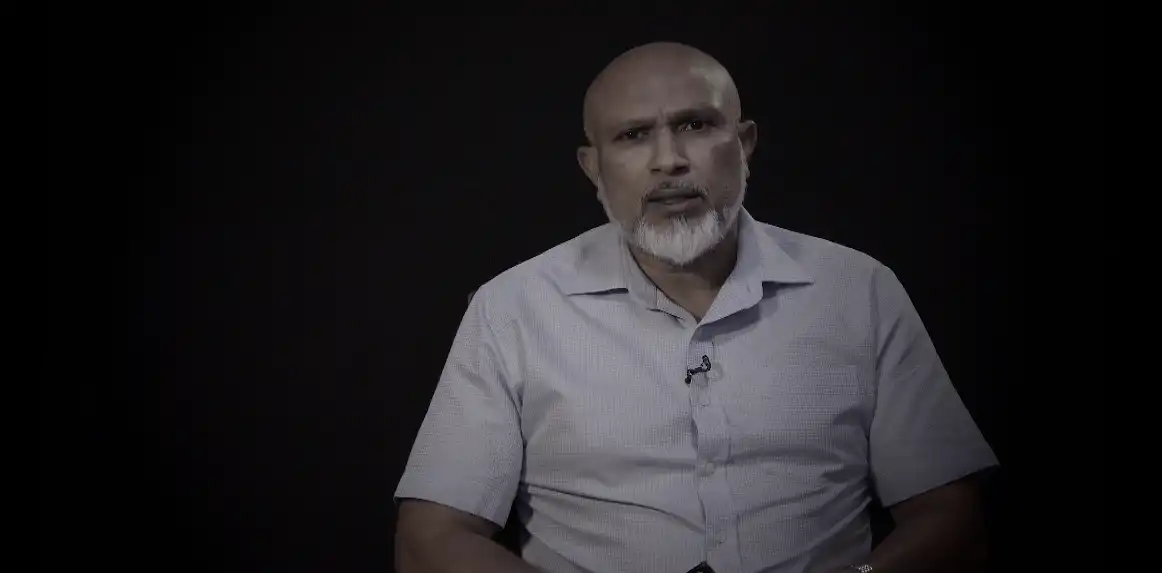
Be that as it may, following a barrage of widespread public grievances, the individual acting as Managing Director for STELCO at that juncture, Hussain Fahmy, came forward in the month of August in the year 2024 to acknowledge that the monthly expenses for twenty-one percent of domestic households across Malé City were remarkably exorbitant.
However, despite his official declarations that an intensive power usage evaluation had been set in motion to investigate the anomaly, zero findings have been made public up to the present day, leaving the exact progression and current reality of that investigation completely wrapped in mystery.
Reality of free gov’t gifts
Consequently, just as the creative residents of Kulhudhuffushi so brilliantly implied through their street performance, a strong argument can be made that every individual can of tuna accepted by the populace these days arrives pre-seasoned with the distinct flavor of high-voltage power.
The concrete, everyday struggles of the people prove conclusively that these state-sponsored gifts are an absolute universe away from ever being genuinely complimentary.