Decentralization charade: a government’s grudge against the people’s choice
17 އެޕްރީލު 2026 | ހުކުރު 10:59The administration has faced criticism for undermining local councils through restrictive hiring bans and land use regulations. Despite government claims that councils are obstructing national projects, the opposition Maldivian Democratic Party secured a major victory in the 2026 local elections. While ministers blame local authorities for development delays, the public's electoral support suggests a rejection of the government's centralized control and a preference for local empowerment.


City Mayors: Ali Nizar of Addu City, Adam Azim of Male' City, Saud Ali of Thinadhoo City, Mohamed Athif of Kulhudhuffushi City, and Ismail Rafeeq of Fuvahmulah City. | RaajjeMV | RaajjeMV
Not long ago, President Dr. Mohamed Muizzu was the self-proclaimed champion of the decentralization system, barking his commitment to local empowerment from every campaign stage. He vowed to strengthen the legal framework and hand power back to the councils. However that passion evaporated the moment he took office. Instead of empowerment, the incumbent launched a systematic assault on the Decentralization Act and the Constitution, stripping away the very local authority he once promised to protect just to satisfy a hunger for centralized control.
Shackling the councils
The government wasted no time using legislative tweaks to choke the financial and administrative life out of local councils. These new rules, designed to reverse the progress made under the MDP administration, now ban councils from hiring any staff, permanent or contract, during their final year in office. Further tightening the leash, the state restricted council authority over leasing land and lagoons and passed laws forbidding any new development projects unless they were already etched into existing plans.
The blame game and legal fairy tales
After freezing island development and halting ongoing work, the administration pivoted to a convenient scapegoat: the councils themselves. The president brazenly claimed that projects across 57 islands were paralyzed because politically opposed councils were refusing to hand over land. This narrative, however, ignores a glaring legal reality. Under the Decentralization Act, councils have no power to stop national projects; the ministries hold the final say. Ironically, this very government amended the law last December to allow the state to seize land for projects without council permission, making the "obstruction" excuse look like a desperate work of fiction.
A resounding rejection at the polls
Despite trying to rewrite the rules, the main ruling People’s National Congress (PNC) still went to the public on 4 April 2026 begging for a mandate. The voters weren't buying it. Seeing a government that prefers shackling councils to serving citizens, the public delivered a crushing verdict. The main opposition Maldivian Democratic Party (MDP) swept the mayorships of all five cities and secured a nationwide majority. It turns out the people recognized that the president’s team has no real grasp of what decentralization actually means.
Ministerial meltdowns and the reality check
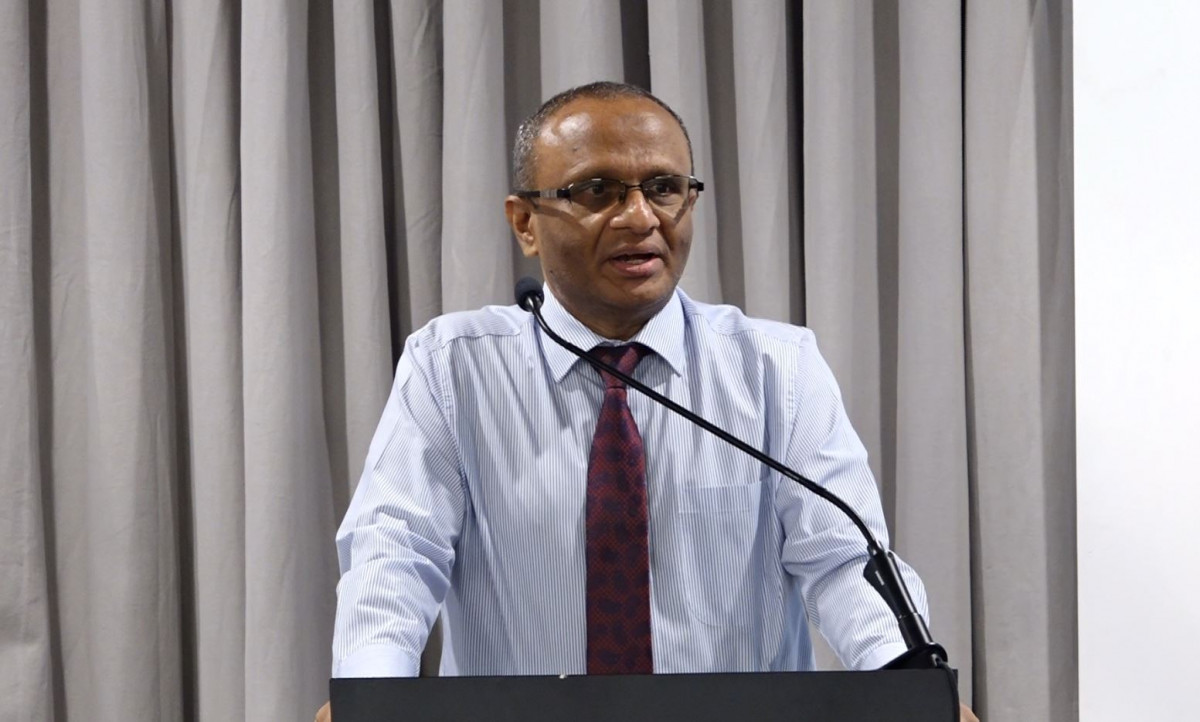
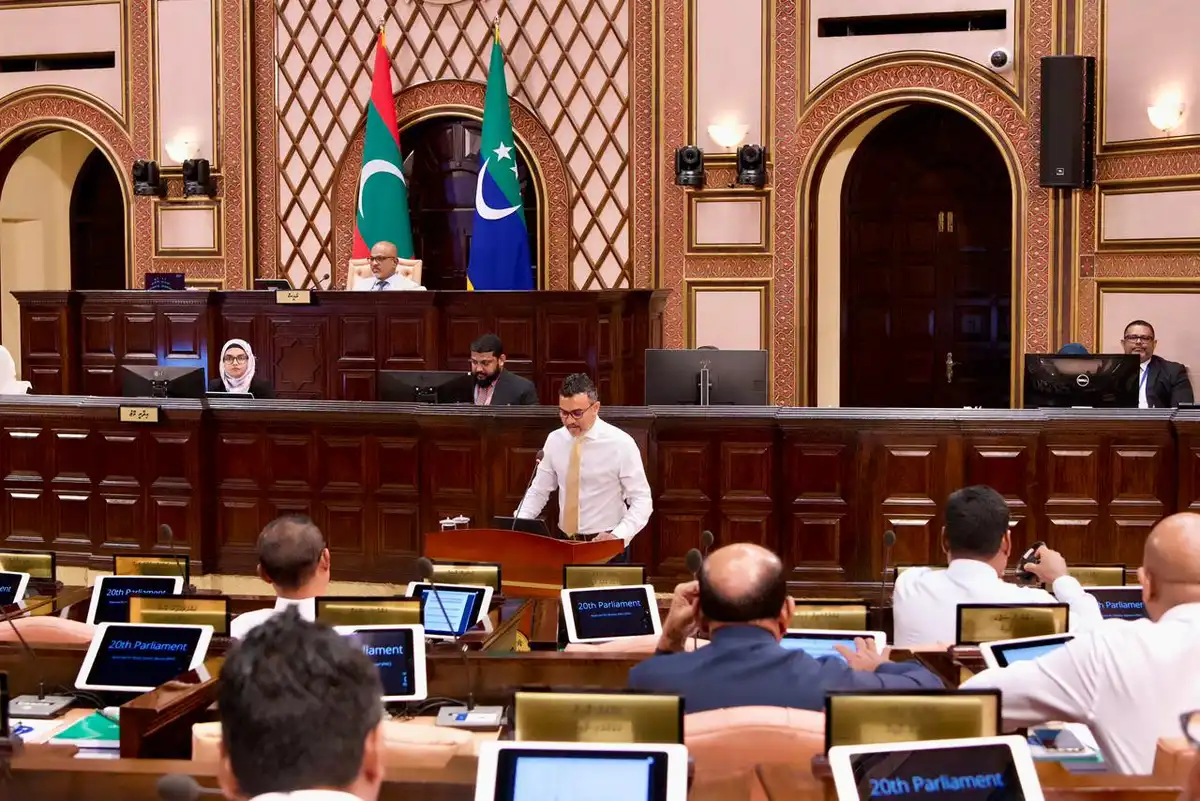
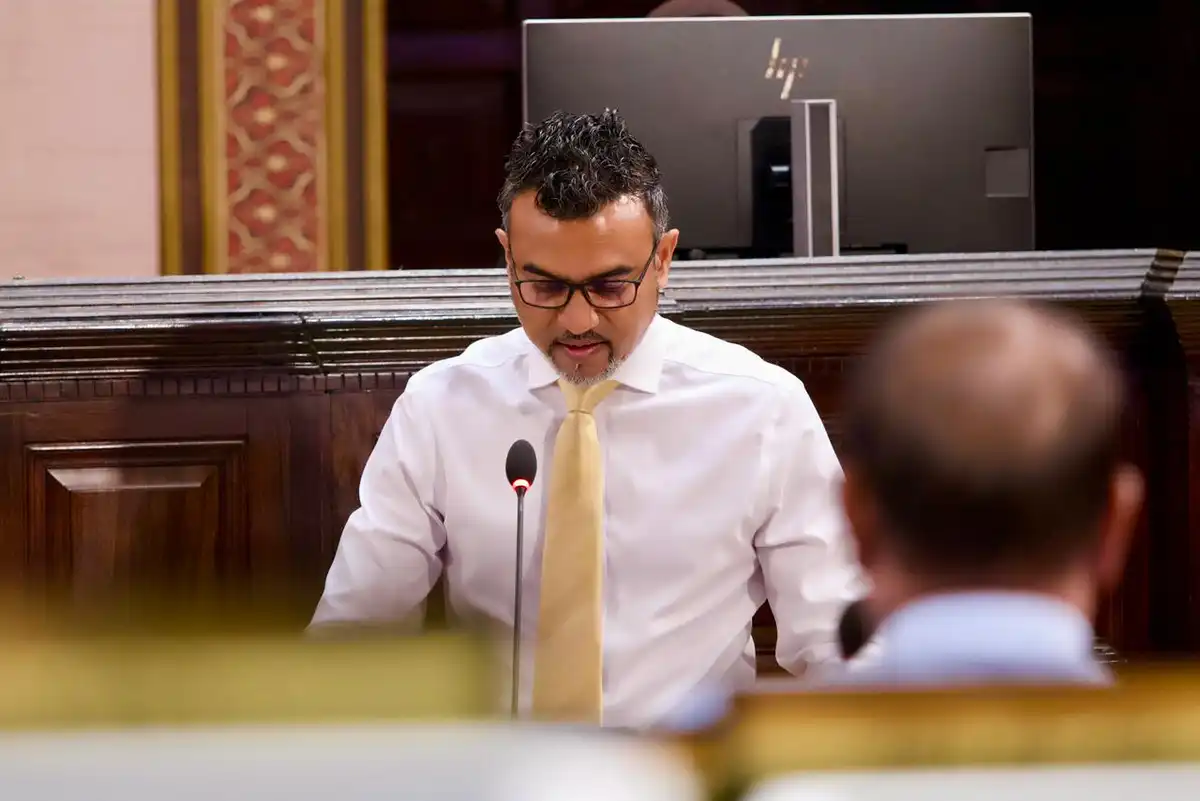
Nursing the bruises of an electoral thrashing, the government’s bitterness has boiled over. Minister of Construction, Housing, and Urban Development Dr. Abdulla Muththalib recently took to the floor of the People’s Majlis to vent, labeling the Malé City and Addu City Councils as "do-nothing" failures and claiming the central government is forced to do their jobs. It’s a bold claim, but it falls flat against the facts. If these mayors were truly the failures Muththalib suggests, the public wouldn't have handed them second terms. People don't reelect incompetence; they re-elect those they trust. As the dust settles, the question isn't whether the councils are working, it’s which side has actually failed the nation.