Misuse of State Resources and Risk of Political Influence Loom Over Election: Transparency Maldives
5 އެޕްރީލު 2026 | އާދީއްތަ 13:12In its report on the 2026 local council elections, Transparency Maldives highlighted concerns regarding the potential misuse of state resources and the exercise of undue political influence. While acknowledging that administrative preparations are proceeding well, the organization noted that issues such as workplace intimidation and the strategic announcement of development projects pose significant threats to a fair electoral process. Consequently, the report calls for the implementation of robust policies to ensure transparency in campaign financing and to enhance the meaningful participation of women in the elections.

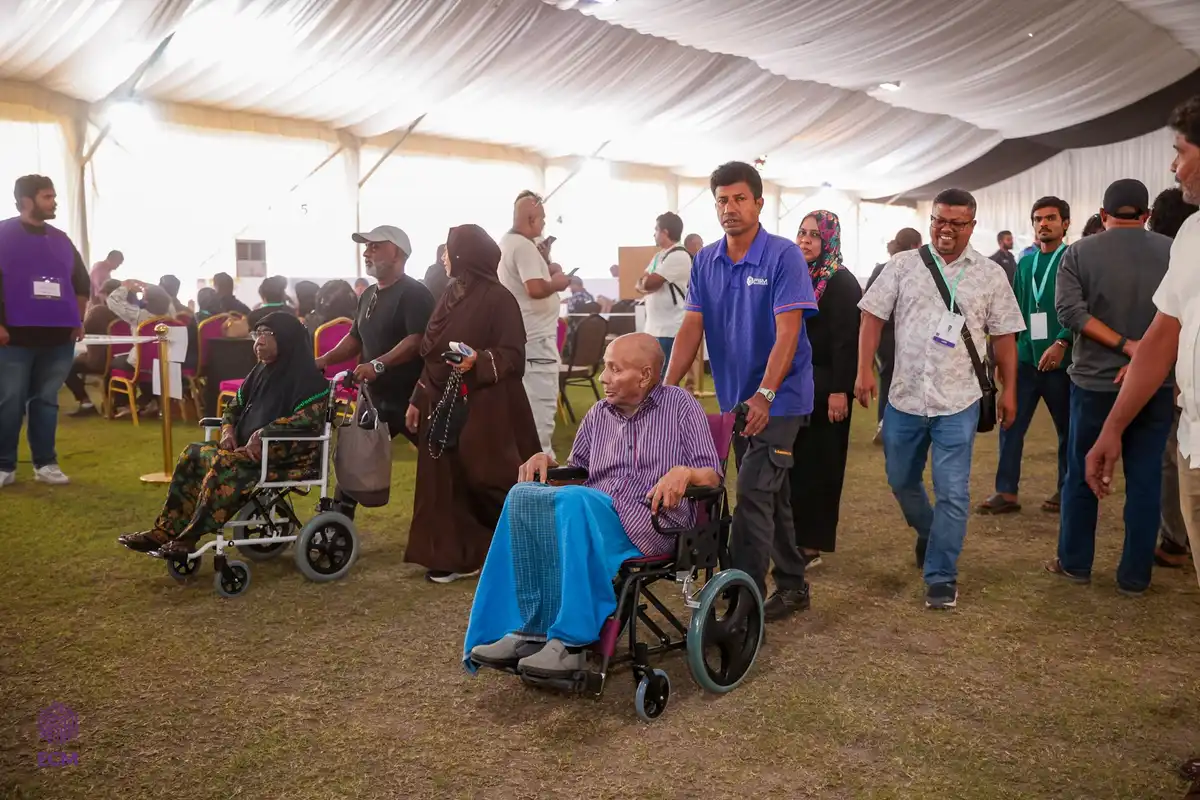
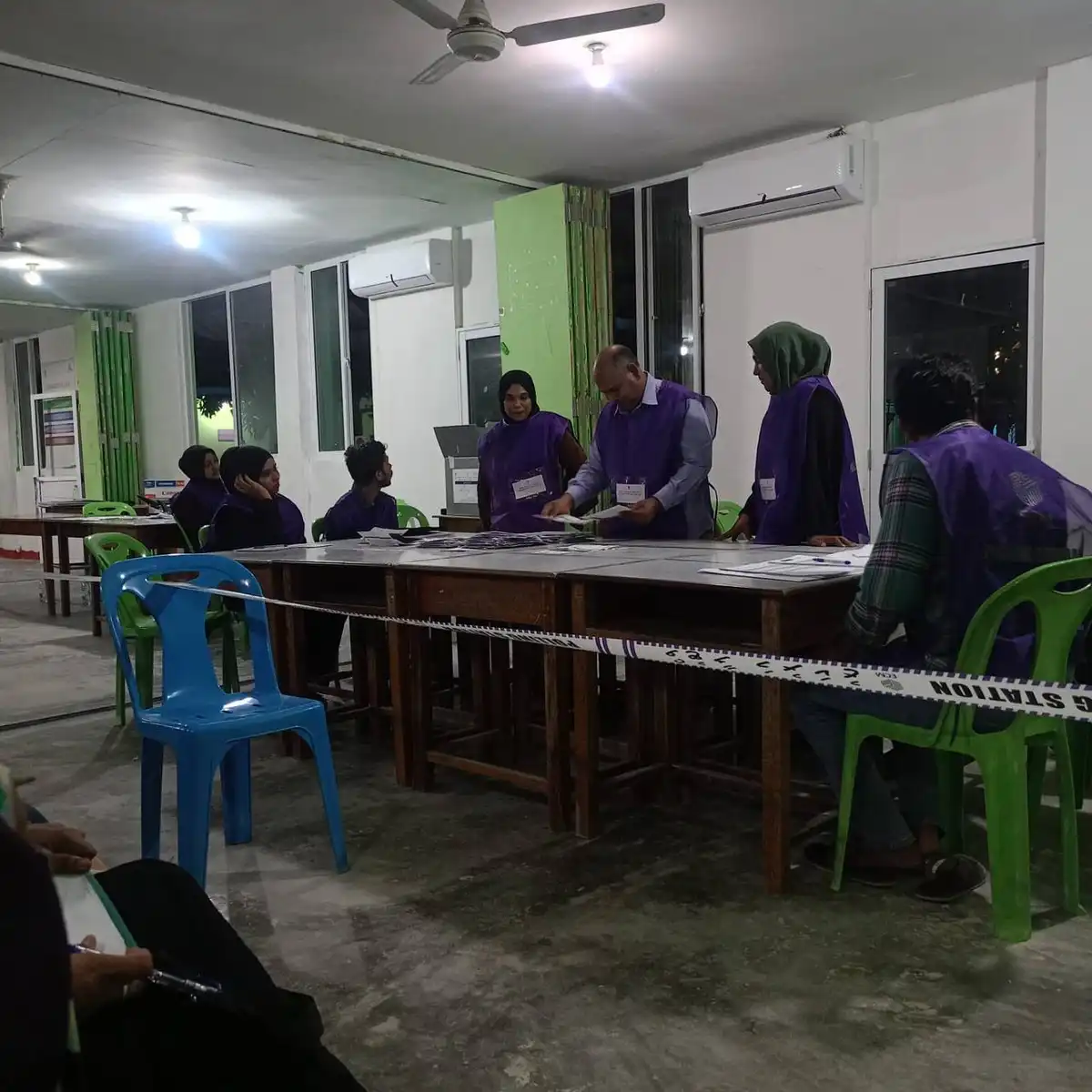
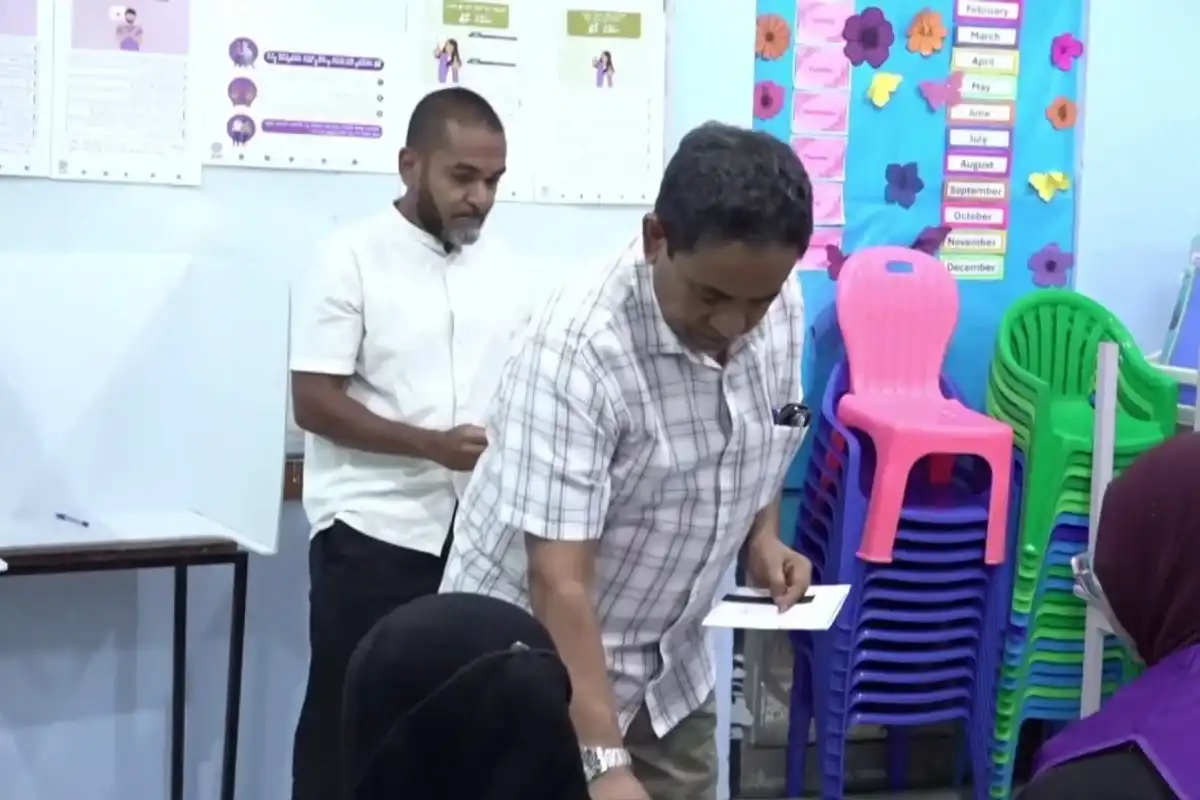
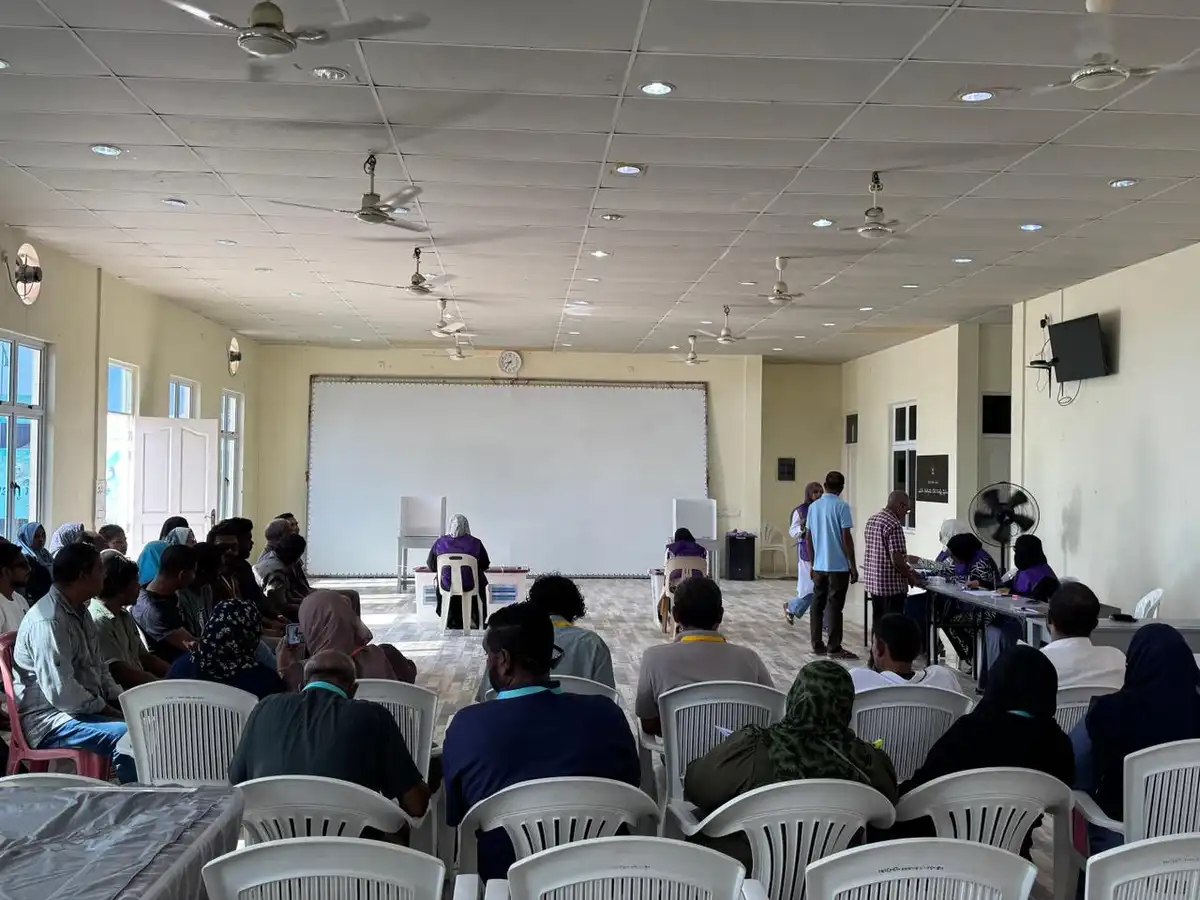
Local Council Elections, Women's Development Committee Elections, and public referendums. | EC | Elections Commission
Transparency Maldives has stated that there are concerns regarding the misuse of state resources and the potential for political influence during the election.
Transparency Maldives made these observations in its "Pre-Election Assessment" report, conducted to monitor the preparations for the 2026 Local Council Elections. The report was compiled following field visits across various regions of the Maldives and interviews with relevant stakeholders conducted between October 15 and November 31, 2024.
The report highlights that the Elections Commission is effectively managing the administrative preparations for the recent elections. To date, work on electoral constituencies has been completed in 149 islands. Among these, the legal quorum has been established for 134 islands, while the figures for 15 islands have been revised. Furthermore, it was noted that the number of representatives has increased in 26 islands, remained unchanged in 117 islands, and decreased in 25 islands.
Transparency Maldives has highlighted several challenges to the integrity of the election. These include the misuse of state resources and the prevailing threat of political influence. The report specifically identifies the intimidation of employees in state-owned enterprises and the announcement of new projects timed to coincide with the election as significant obstacles to a free and fair process. Furthermore, the organization expressed serious concerns regarding the potential for electoral bribery and vote-buying.
Regarding women's participation, the report highlighted that reserving 33 percent of local council seats for women is a significant step forward. However, it noted that women continue to face numerous challenges in the political arena. These include financial constraints, social barriers, and difficulties in securing opportunities within the internal structures of political parties. Consequently, Transparency Maldives emphasized the need for robust policies to enhance women's involvement in politics.
Transparency Maldives has put forward several key recommendations aimed at further strengthening the electoral process. These include expediting the mechanism for investigating electoral complaints and ensuring greater transparency in campaign finance management. The organization also called on the Anti-Corruption Commission and the Elections Commission to work together to prevent the misuse of state resources. Furthermore, it advised authorities to conduct extensive voter awareness programs.