Maldives outpaces regional neighbors in unpaid bank loan ratios
11 ޖުލައި 2026 | ހޮނިހިރު 12:07Bangladesh faces a severe financial crisis with a 32.26 percent default rate, the highest in South Asia and second globally behind Ukraine. Regional data shows the Maldives and Nepal also struggle with unpaid debts, while India maintains a lower 2.2 percent ratio. Experts blame political meddling and urge structural reforms to save the economy.


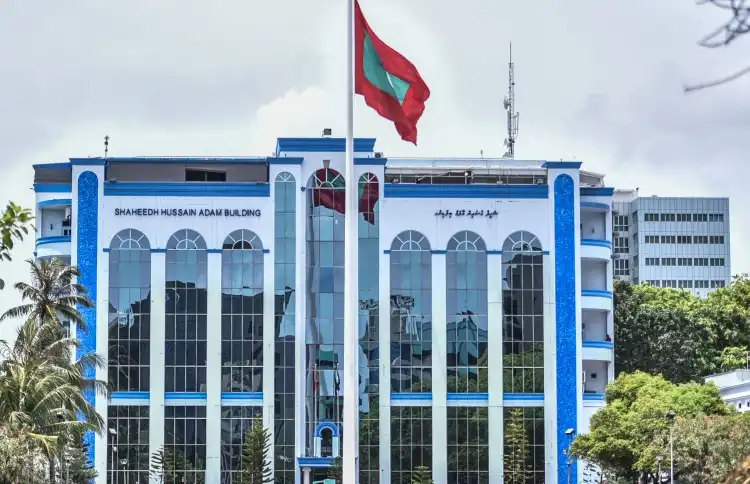
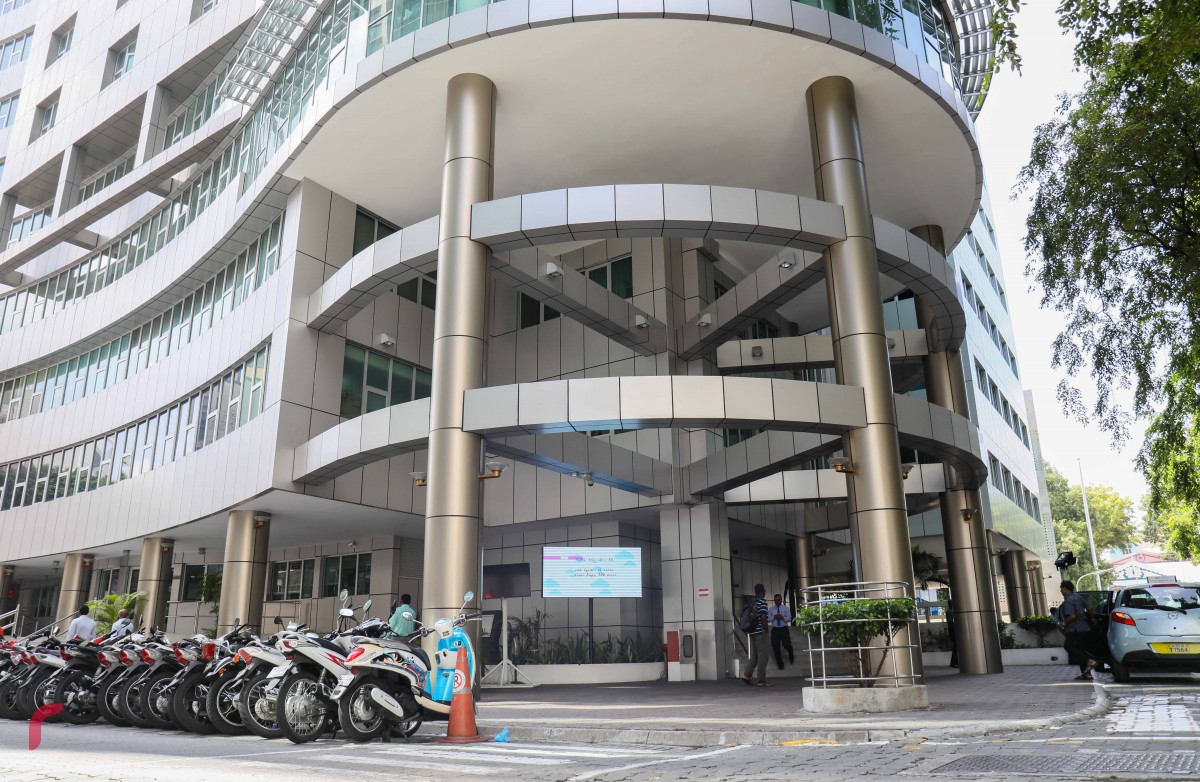
Bank of Maldives | BML
The proportion of non-performing loans, debts provided by financial institutions that have not been paid back, in the Maldives has been revealed to exceed the rates found in neighboring Bhutan and India.
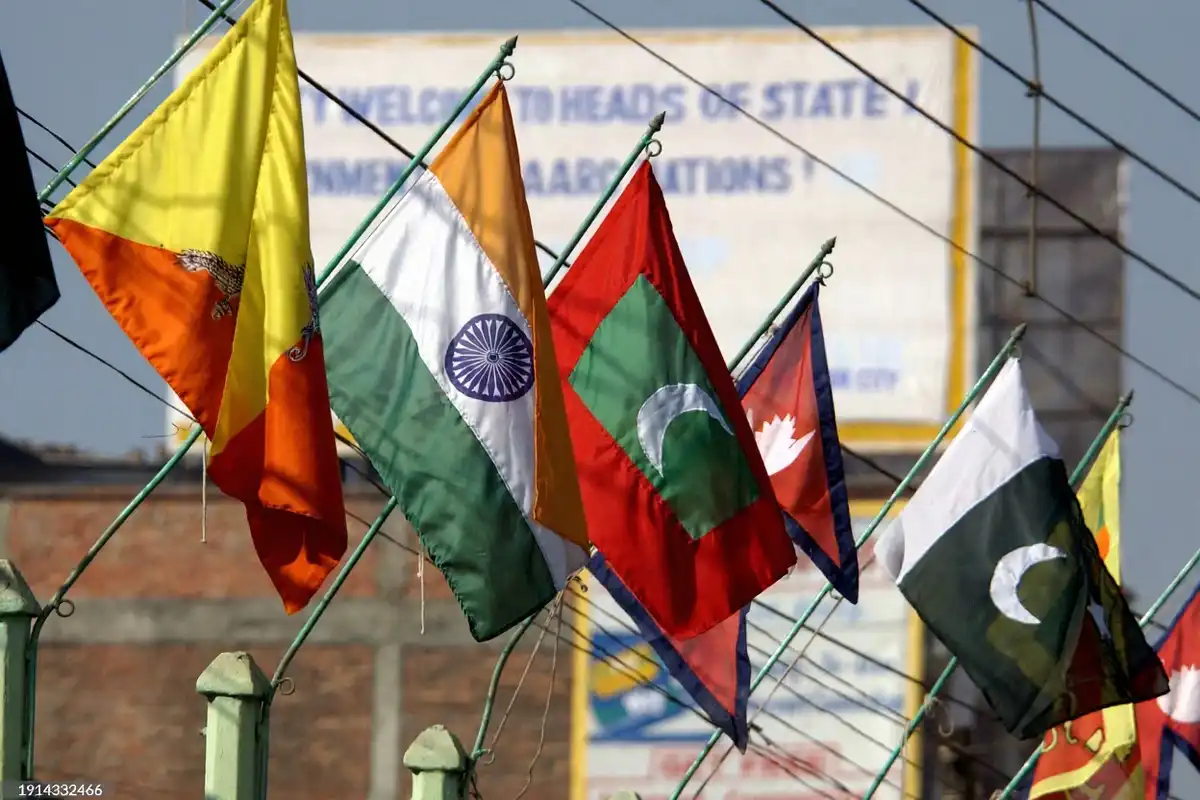
Recent financial industry data indicates that India possesses an unpaid debt ratio of 2.2 percent, whereas Bhutan records a rate of 4.5 percent. The Maldives sits above both with a ratio of 5.5 percent, which places it just under Nepal's rate of 5.6 percent. Deeper in the region, Pakistan logs a ratio of 5.8 percent, and Sri Lanka reaches 6.5 percent.
Behind conflict-ridden Ukraine, Bangladesh registers the second-highest rate of defaulted bank credit on a global scale and holds the highest rate within its immediate geographic area. Roughly one-third of all credit extended by financial firms in Bangladesh has entered default. Ukraine leads the world with a default ratio of 37.35 percent, an outcome tied to the heavy economic destruction of its ongoing war. Bangladesh follows with a ratio of 32.26 percent, while Chad places third globally at 31.51 percent and Guinea ranks next at 31.15 percent.
The banking industry in Bangladesh stands out among South Asian Association for Regional Cooperation member countries due to weak credit regulations and an ongoing failure to reclaim distributed funds. This leaves Bangladesh with an exceptionally elevated default ratio compared to its regional peers.
Media outlets in India reported that the Indian Finance Ministry organized a session on Sunday to address lowering bad debts inside government-controlled banks. The gathering brought together managing directors of public banking institutions and was led by the Secretary of the Finance Division. The discussion underscored how credit benchmarks across the region have historically been compromised by credit allocations driven by political meddling.
Data sourced from the central bank of Bangladesh shows that during the opening quarter of the year concluding in March, defaulted debt volume within the local financial framework escalated by more than 310 million Taka. This surge pushed the nation's total unpaid debt figure to 5,890 million Taka.
Financial analysts caution that if major structural adjustments are not implemented and politically influenced financing is not halted, the gap between Bangladesh and neighboring South Asian states will expand further, creating severe threats to the broader macroeconomic health of the country.