Another predictable pivot to unity as the Maldives crumbles
13 ޖޫން 2026 | ހޮނިހިރު 11:44Nasheed secured the MDP chairperson position after a competitive campaign against MP Meekail, with the party now emphasizing unity to challenge the current administration. Meanwhile, Muizzu’s government faces allegations of intimidating opposition supporters through job suspensions and forced transfers. Amidst stalled national development and economic strain, the MDP aims to maintain solidarity to contest the 2028 presidential election.

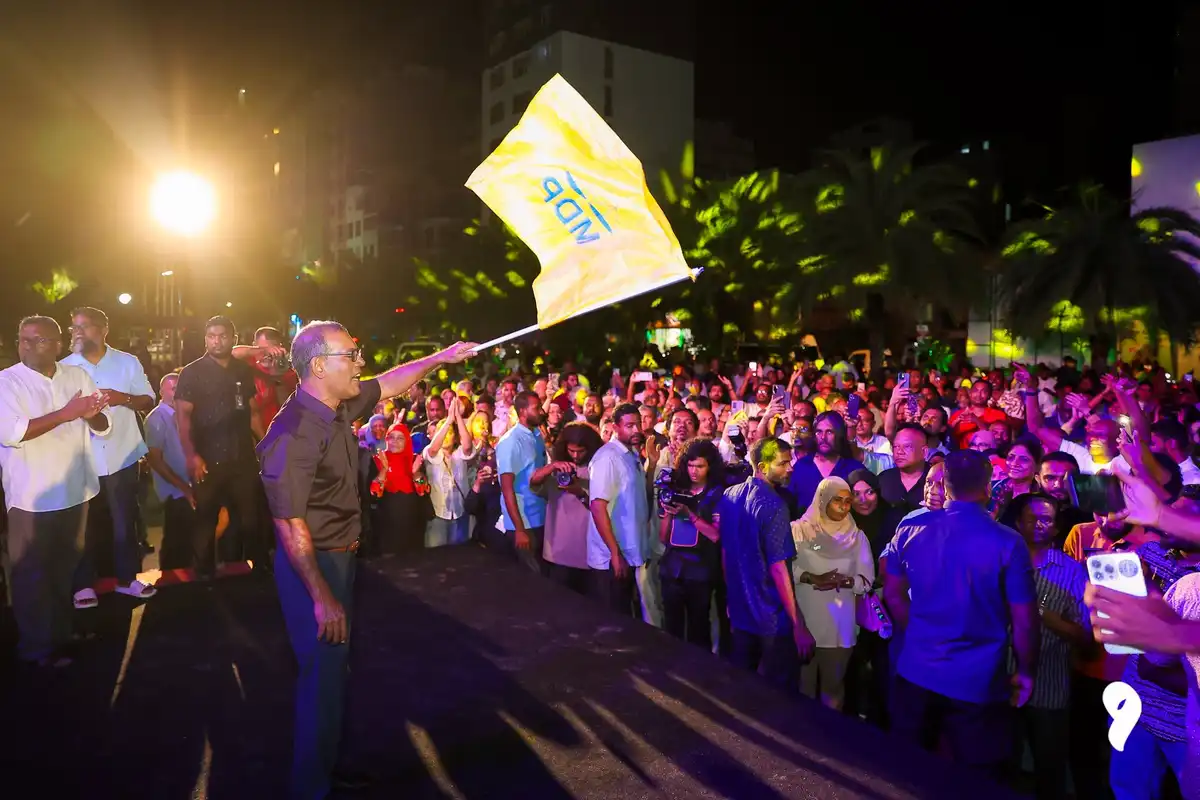
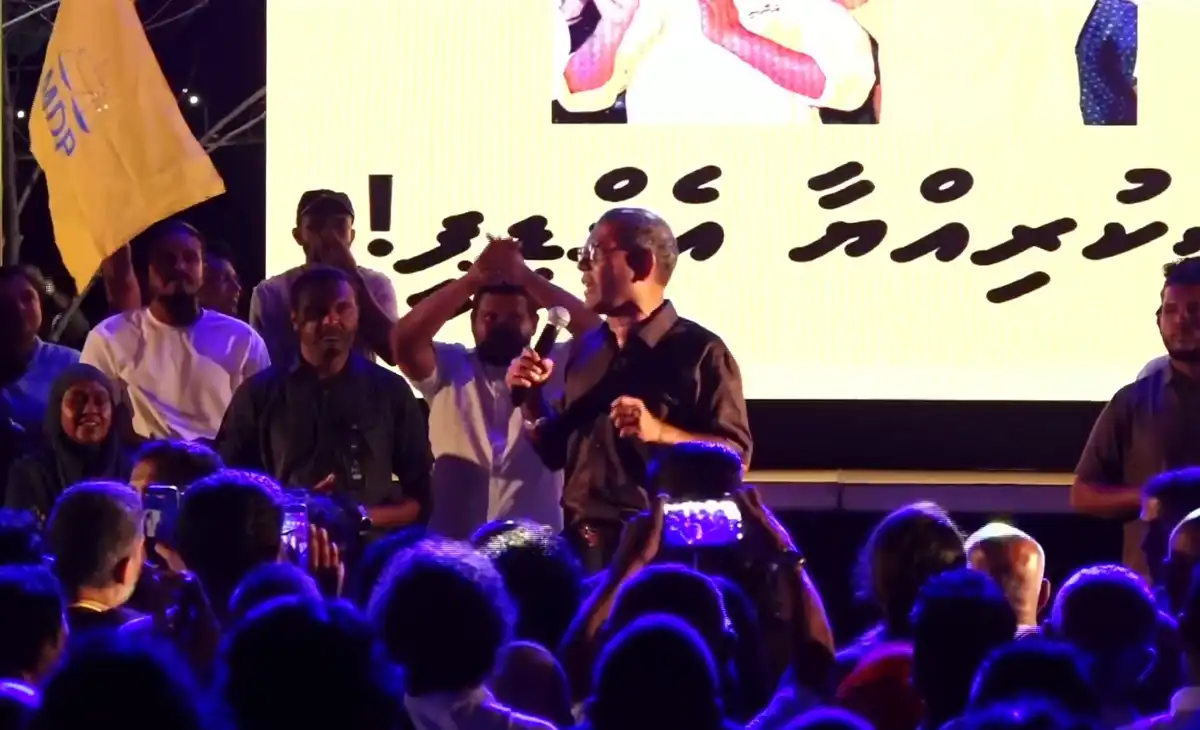
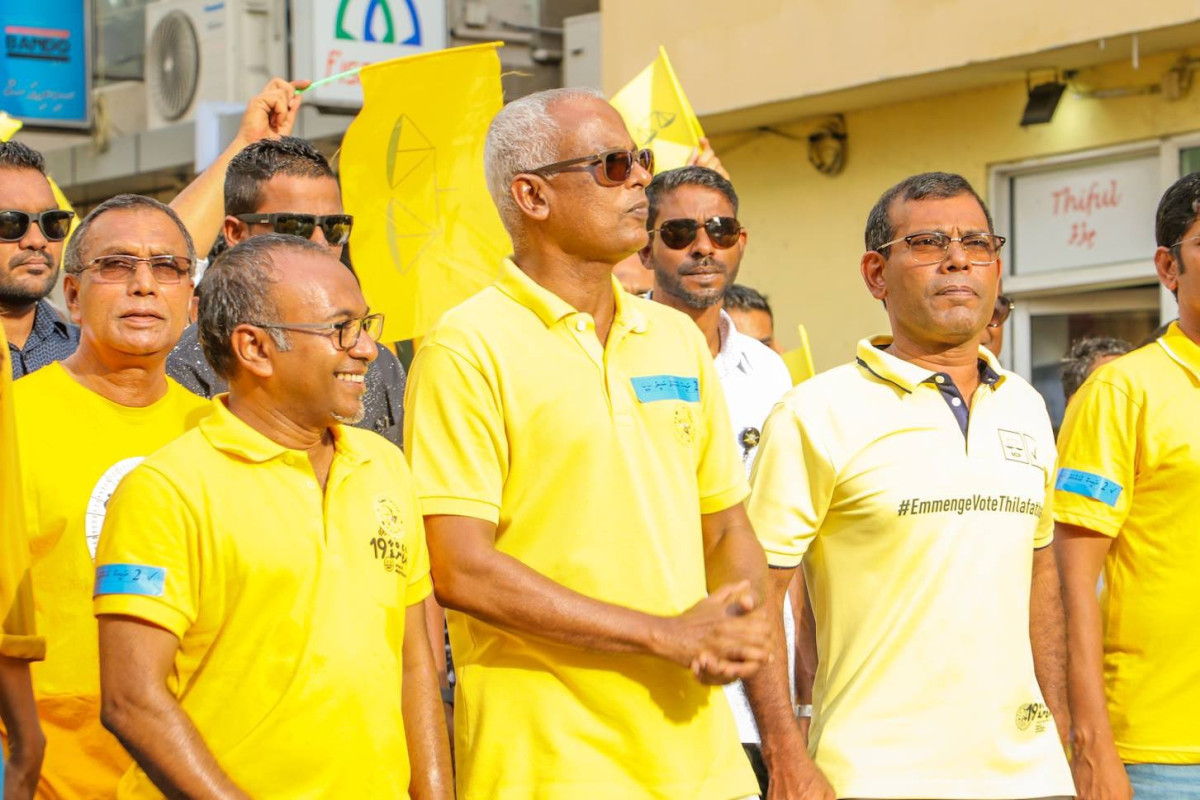
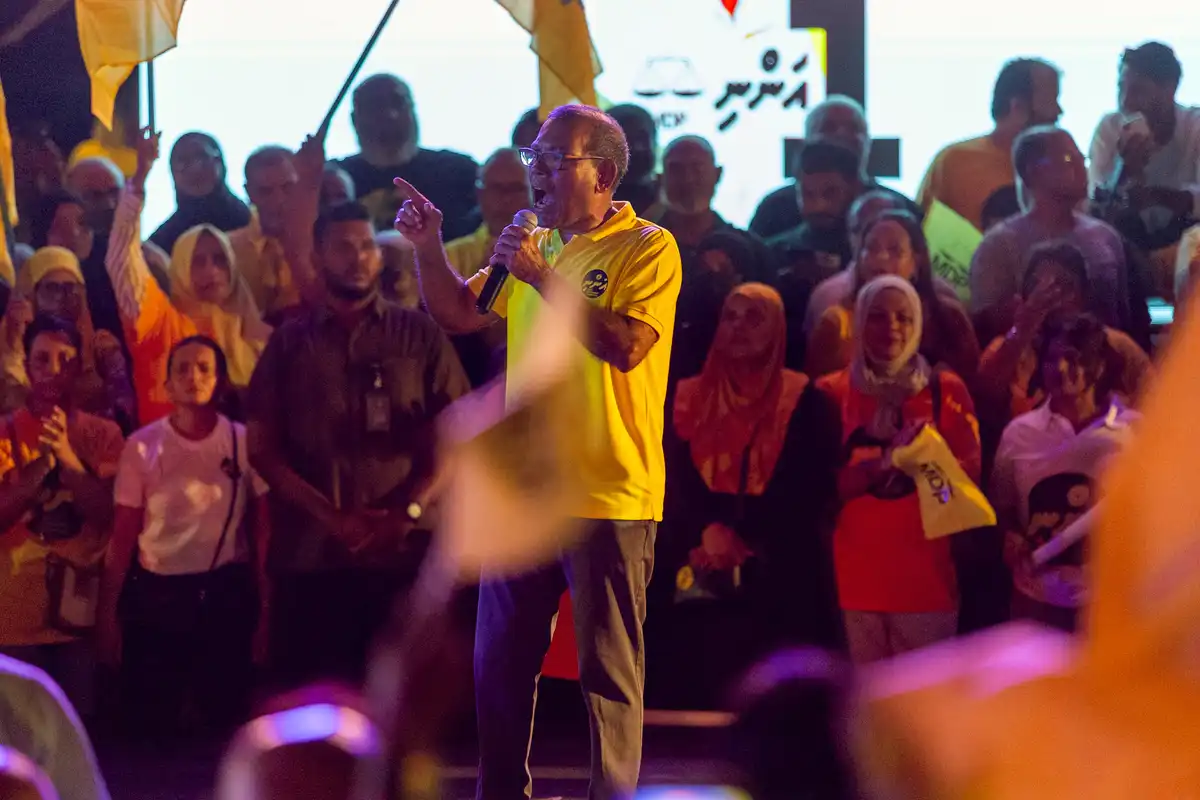
Nasheed pictured with the MDP flag during an event held to celebrate his victory in the recent chairperson election. | Viraasee
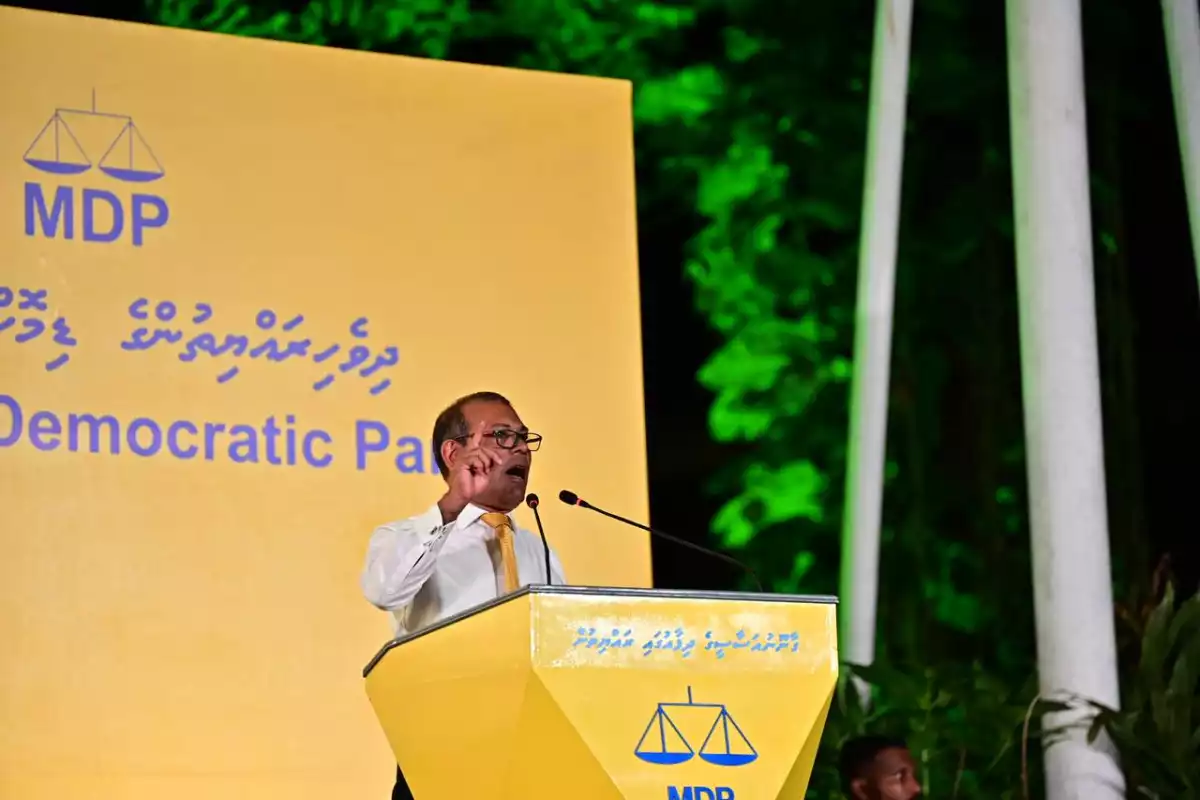
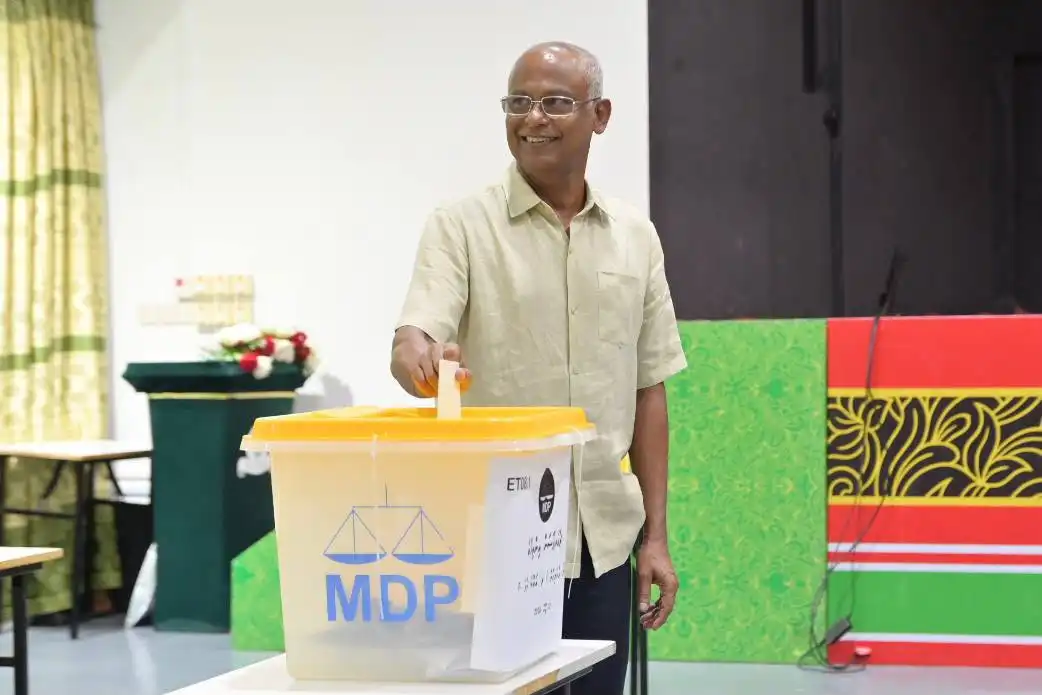
Internal elections within the main opposition Maldivian Democratic Party (MDP), which functions as the primary opposition force in the country, have historically been framed by its loyalists as some sort of vibrant masterclass in democratic engagement and political participation.
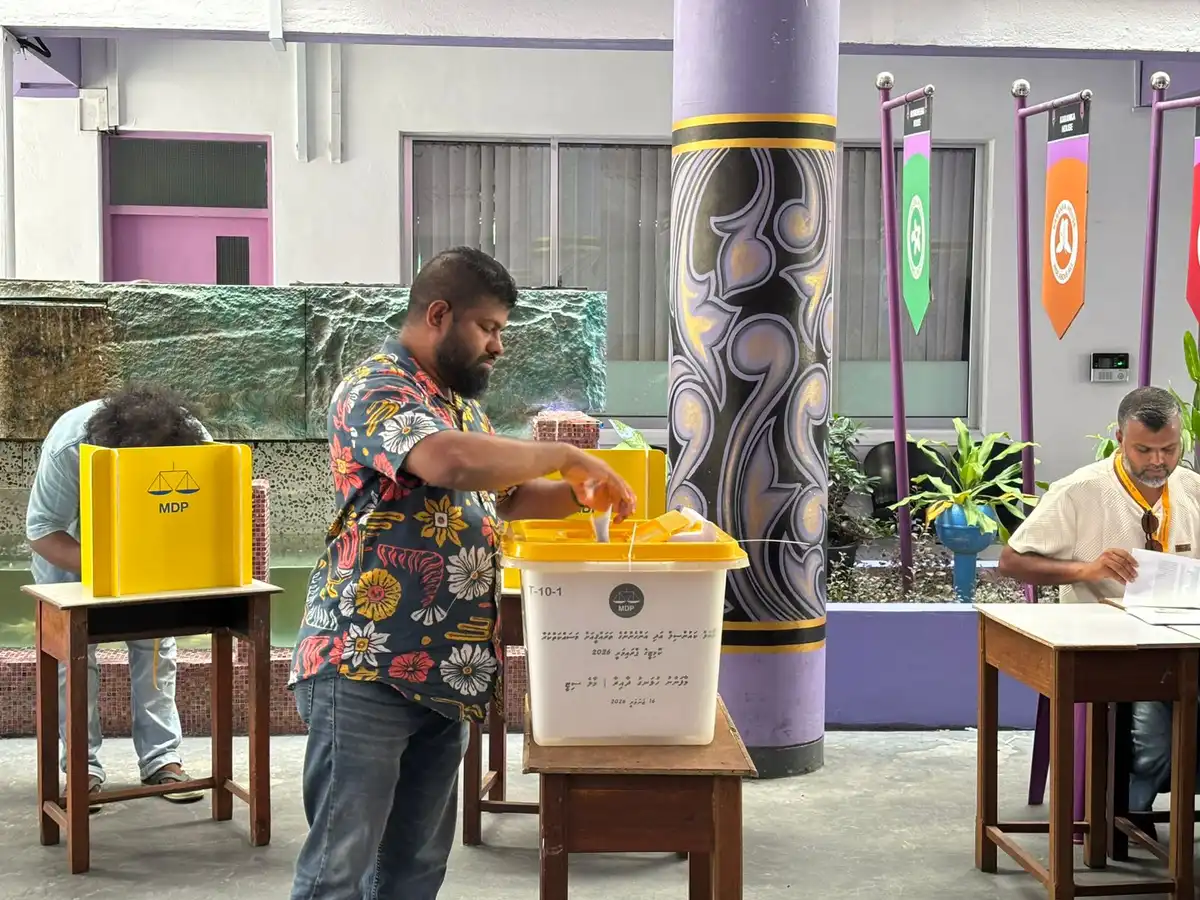
The recently concluded election for the coveted position of party chairperson, which wrapped up on Friday, predictably followed this exact same script, managing to soak up significant national attention after an exhausting and intensive campaign period.
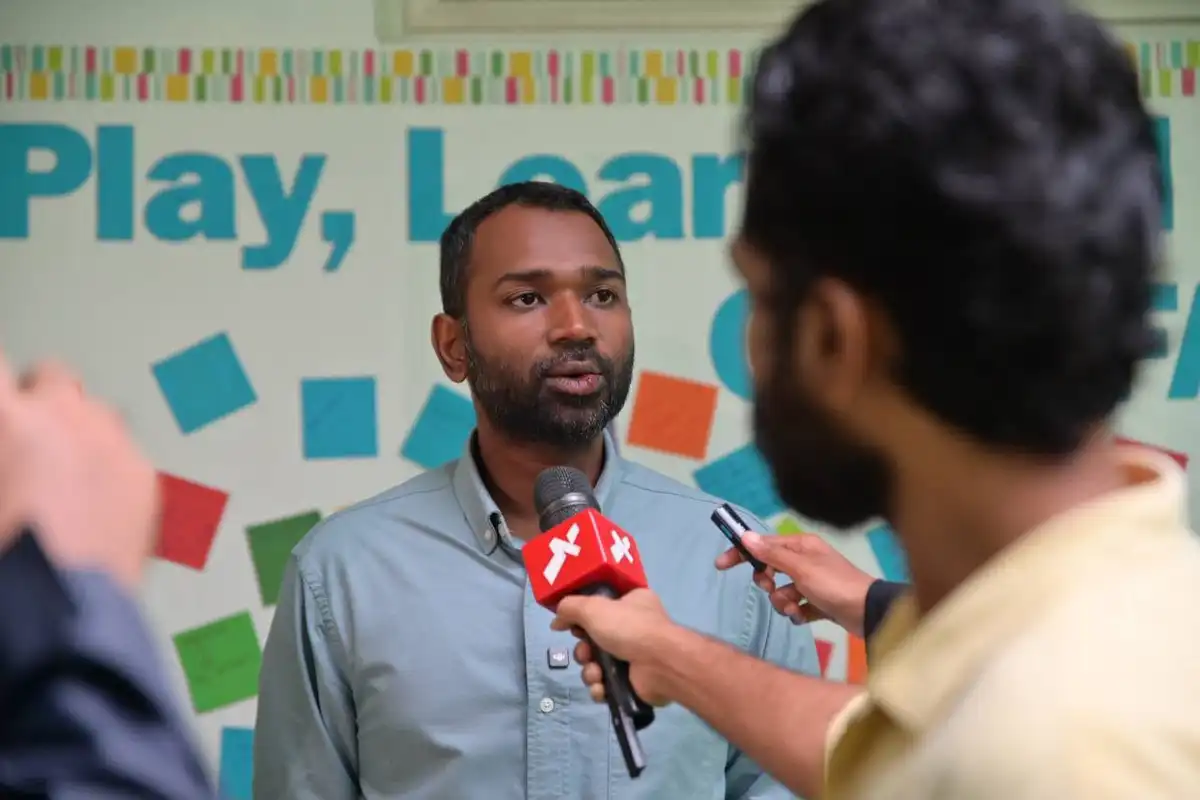
The contest itself featured former President Mohamed Nasheed squaring off against Meekail Ahmed Naseem, the lawmaker representing South Galolhu, with both figures predictably putting on a grand show of formidable leadership and competitive resolve throughout their respective campaigns.
Public solidarity masking deep internal friction
While Nasheed chose to campaign under the supposedly radical banner of ‘A Great Change', MP Meekail leaned into sentimentality by centering his entire platform on the elusive concept of 'Trust'. Despite the predictably spirited and petty exchanges that bounced between rival supporters during the campaign trail, the eventual conclusion of the election was instantly used to reaffirm the narrative of the party’s internal solidarity.
The moment Nasheed secured his predictable victory, MP Meekail was quick to offer his congratulations, dutifully committing to work collaboratively for the future progress of the party.
This seamless transition is now being proudly paraded by insiders as a testament to the supposed democratic maturity that everyone is expected to swallow within a political organization.
The Muizzu machine deploys the classic intimidation playbook
However, because Maldivian politics cannot exist without a healthy dose of state-sponsored drama, the period surrounding this internal election was completely marred by allegations of intimidation and undue influence leaking straight from the administration of President Dr. Mohamed Muizzu.
Reports strongly indicate that the current government has successfully fostered a toxic environment of extreme job insecurity within various state-owned enterprises, carefully targeting vulnerable employees based entirely on their political affiliations to exert maximum pressure.
For instance, in a blatant display of administrative pettiness, seven employees working for the Maldives Industrial Fisheries Company (MIFCO) were suspended for a full fortnight without a single dime of pay simply because they traveled to Gaafu Alif Kooddoo Airport to welcome Nasheed.
In a similarly ruthless move, employees of the Road Development Corporation (RDC) based in Shaviyani Milandhoo, who were suspected of harboring dangerous thoughts of supporting the opposition party, were allegedly transferred to completely different islands, while nearly identical reports of administrative pressure on helpless employees continued to emerge from various other regions across the country.
Stalled progress and empty pockets under the current regime
Naturally, a vast majority of citizens view these calculated state actions as a textbook display of political intolerance by the current administration, explicitly timed to collide with the opposition party's internal voting processes.
It is widely perceived by the public that the government’s ultimate strategic interest lies in completely weakening and dividing the opposition force, which is exactly why commentators insist it is imperative that no loophole or opportunity is given to the regime to achieve such divisive, self-serving objectives.
Moving past the usual empty political rhetoric, it is impossible to ignore the actual dismal state of the nation and the crushing socio-economic challenges currently facing the citizenry.
At present, critical development projects across the country have completely stalled, the daily cost of living has escalated to absurd heights and rapidly declining household incomes have placed a massive, significant strain on everyday families, all while the opposition party maintains its grand, idealistic objective of somehow doubling the income of citizens and magically ensuring a prosperous life for absolutely everyone.
The 2028 mirage and the mandatory call for solidarity
Of course, actually achieving these lofty, utopian goals necessitates a perfectly unified party that is actually capable of robust advocacy for the rights of the people, rather than one bickering in the corners.
Any future fragmentation within the opposition ranks would ultimately be catastrophic and detrimental to the entire nation and its struggling citizens.
Consequently, the party machinery dictates that it is absolutely essential for all members to work with a completely renewed resolve and flawless unity to secure a victory in the upcoming 2028 Presidential Election to restore the country to a path of stability.
In the end, sustaining this sudden, convenient spirit of unity witnessed right after the chairperson election and prioritizing the national interest above personal egos is precisely the grand illusion that the public expects from the party today.