Voices against Ras Malé deal refuse to be silenced amid blackouts and pressure
14 ނޮވެމްބަރު 2026 | ހޮނިހިރު 17:37Despite various government restrictions, a significant number of citizens gathered to protest the decision to allocate land to a foreign company under the Ras Malé project. Setting aside political differences, the demonstrators voiced their concerns regarding land ownership and called for the protection of national sovereignty. This movement underscores the unity among Maldivians in safeguarding national interests

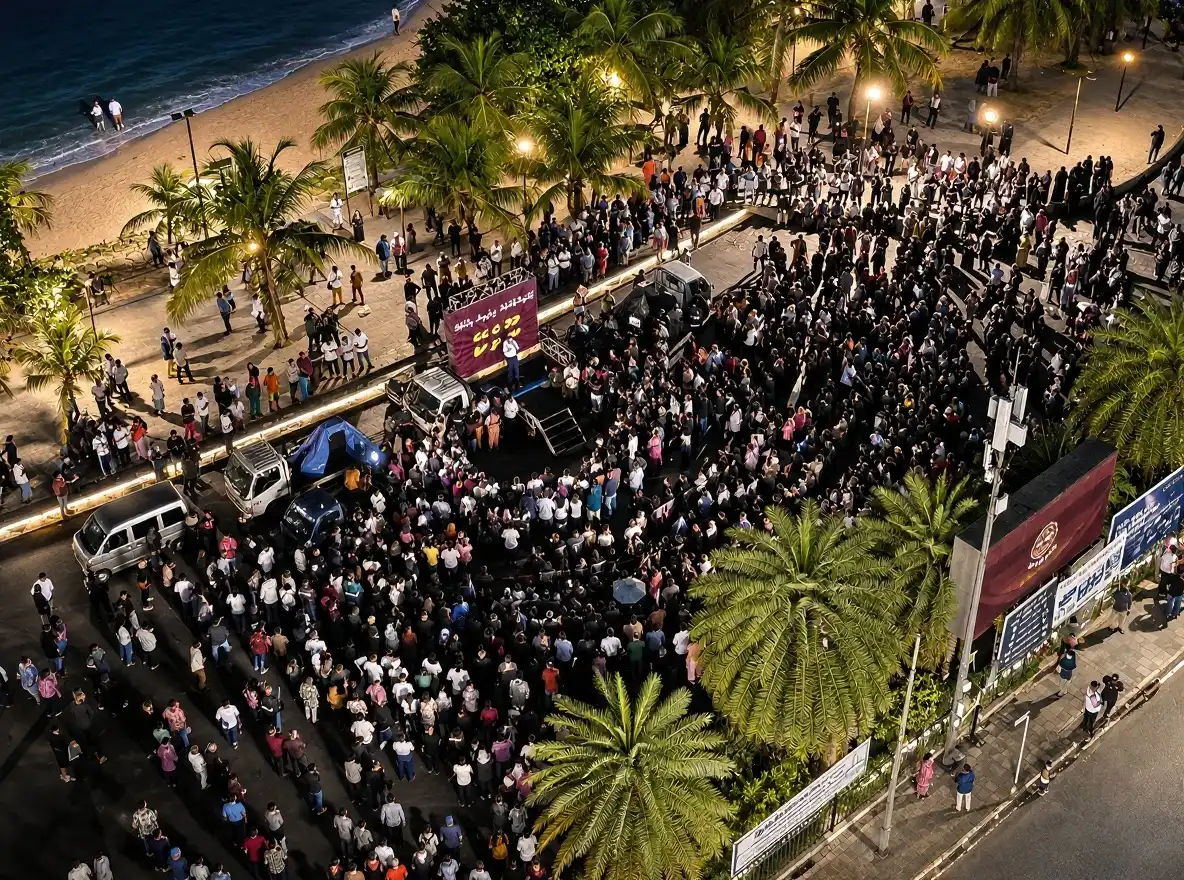
Crowds flood Artificial Beach region in response to a call to action by the 'Dhivehinge Bin Dhivehinnah' national movement | Social Media
Friday night’s special assembly at the Artificial Beach, held under the banner 'Dhivehinge Bin Dhivehinnah' to challenge the Ras Malé project agreement, ranks among the most consequential public demonstrations in recent memory.
Those who showed up could not be boxed into a single political ideology or dismissed as mere partisan opposition. Rather, the crowd was made up of patriotic citizens genuinely alarmed about the country's future and its sovereignty.
In a striking show of solidarity, people from across the political spectrum put aside their rivalries to rally behind a shared cause. Even with miserable weather and relentless rain, the Artificial Beach was packed to its limits. The fact that so many people voluntarily braved the downpour speaks volumes about both their deep-seated love for the country and the widespread alarm over how the Ras Malé deal could alter land ownership.
Predictably, the government tried to spin the movement as a partisan stunt, but the event remained free of party lines. People did not show up because politicians summoned them or because they stood to profit personally; they showed, out of a sense of national obligation to oppose handing Maldivian soil over to foreign entities. What defined the night was not political point-scoring, but a collective determination to safeguard the nation’s independence and territorial integrity.
Even in the face of mounting hurdles and logistical roadblocks and heavy-handed pressure from the authorities, the rally proved an undeniable triumph. Both organizers and attendees accused the state of deliberately sabotaging the event by blocking access to proper venues and engineering blackouts in the area to derail the proceedings.
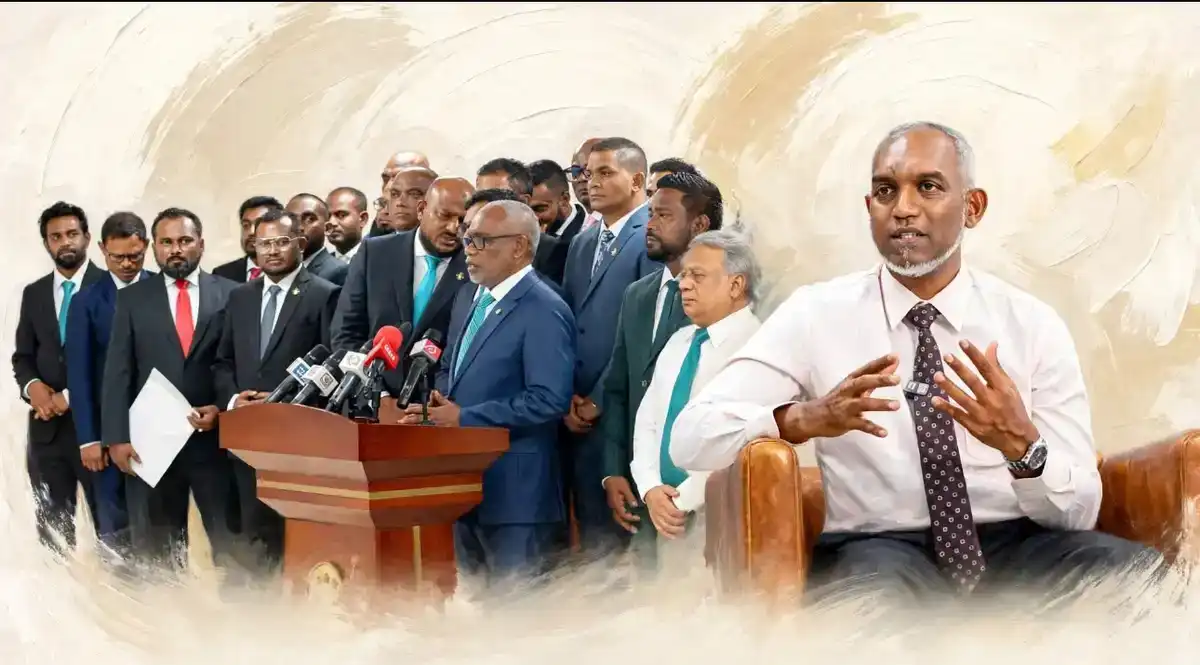
Throughout the night, citizens voiced their frustration that President Dr. Mohamed Muizzu’s administration is a lot more interested in silencing public dissent than answering their concerns.
Nothing exposed the administration's blatant double standards quite like its selective management of public spaces. At the very moment ordinary citizens were being denied decent venues and boxed in by restrictions, the state commandeered the public running track, a facility countless residents rely on for daily exercise, just to stage a national launch ceremony for a government campaign.
To manufacture an impressive crowd for that Saturday night spectacle, state workers and others were allegedly leaned on to attend, all while hefty sums of taxpayer money went up in smoke on extravagances like fireworks.
The contrast lays bare how eagerly state machinery and public funds are deployed to glorify government initiatives, even as basic constitutional rights like free speech and peaceful assembly are actively stifled.
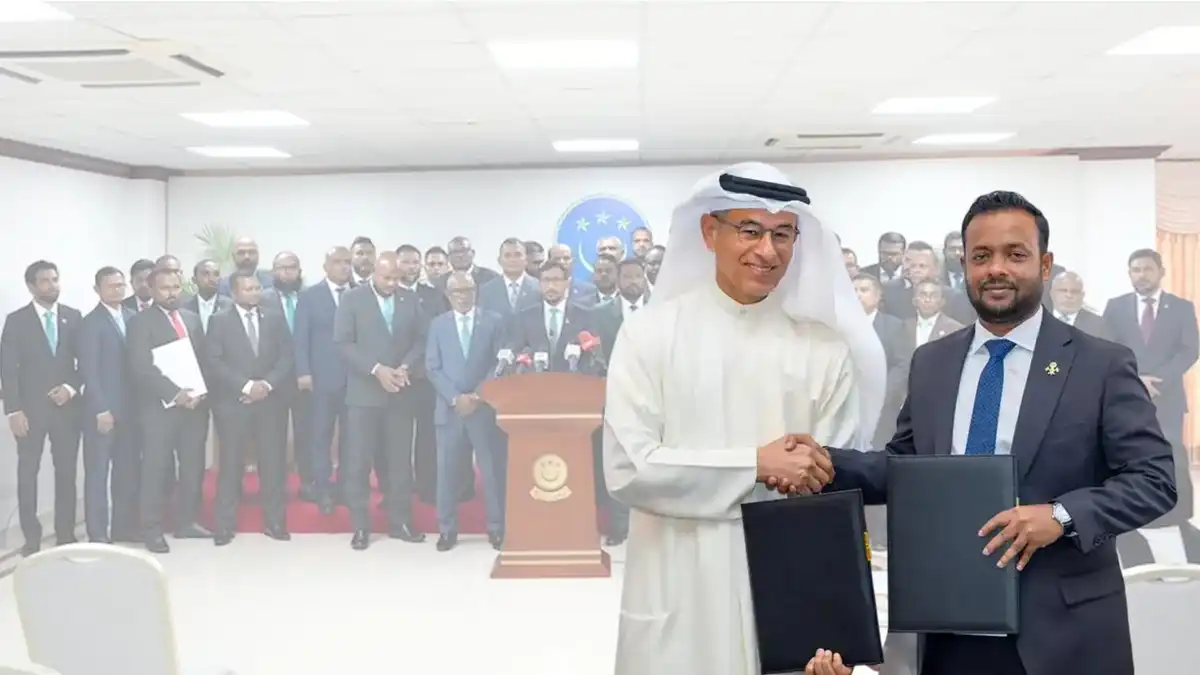
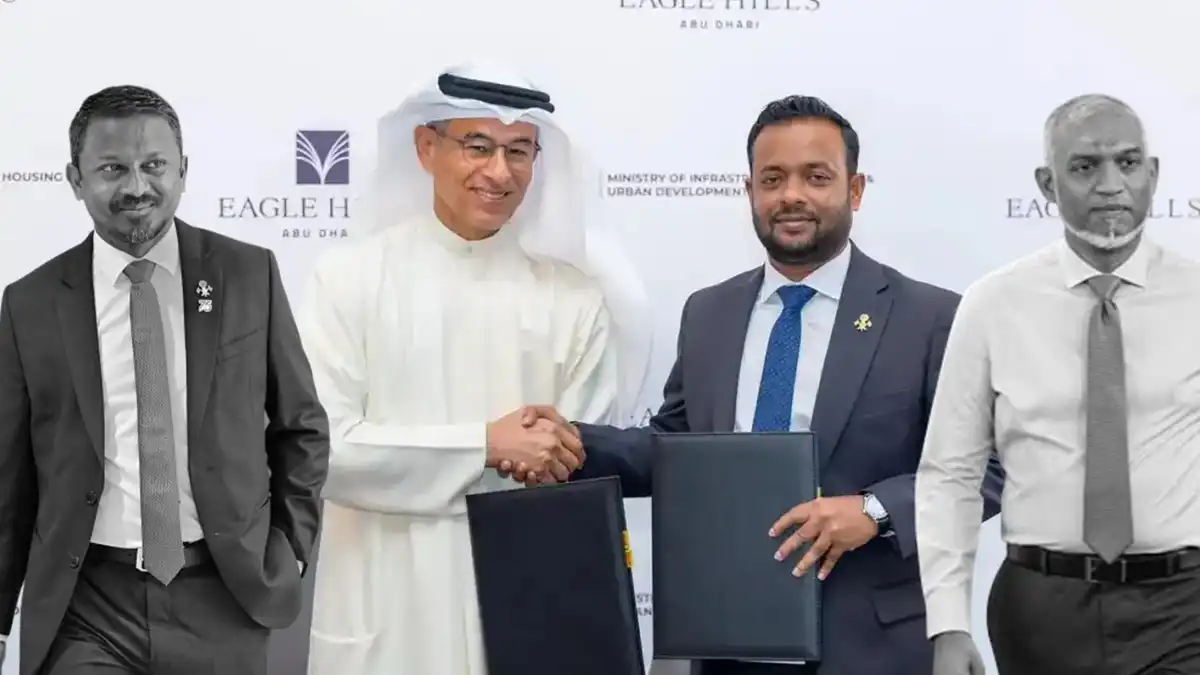
While officials insist that the Ras Malé development is an ambitious answer to the greater Malé housing crisis, the secrecy shrouding the contract and the move to hand over vast tracts of land to a foreign firm have only fueled deep suspicion and public unease.
By the end of Friday night, the message from the citizens was unmistakable: political loyalties aside, patriotic Maldivians refuse to surrender so much as a single inch of their homeland to foreign hands.