Are future generations missing the actual point of Victory Day?
4 ނޮވެމްބަރު 2026 | ބުދަ 08:14Educating the younger generations on the historical lessons derived from the November 3rd terrorist attack and honoring the memory of our national heroes is a vital responsibility today. It is essential to instill the importance of national unity in preserving independence and to foster a spirit of safeguarding the country's sovereignty within the hearts of students and the youth

Victory Day - Independence is not forfeited through aggression alone | raajjemv
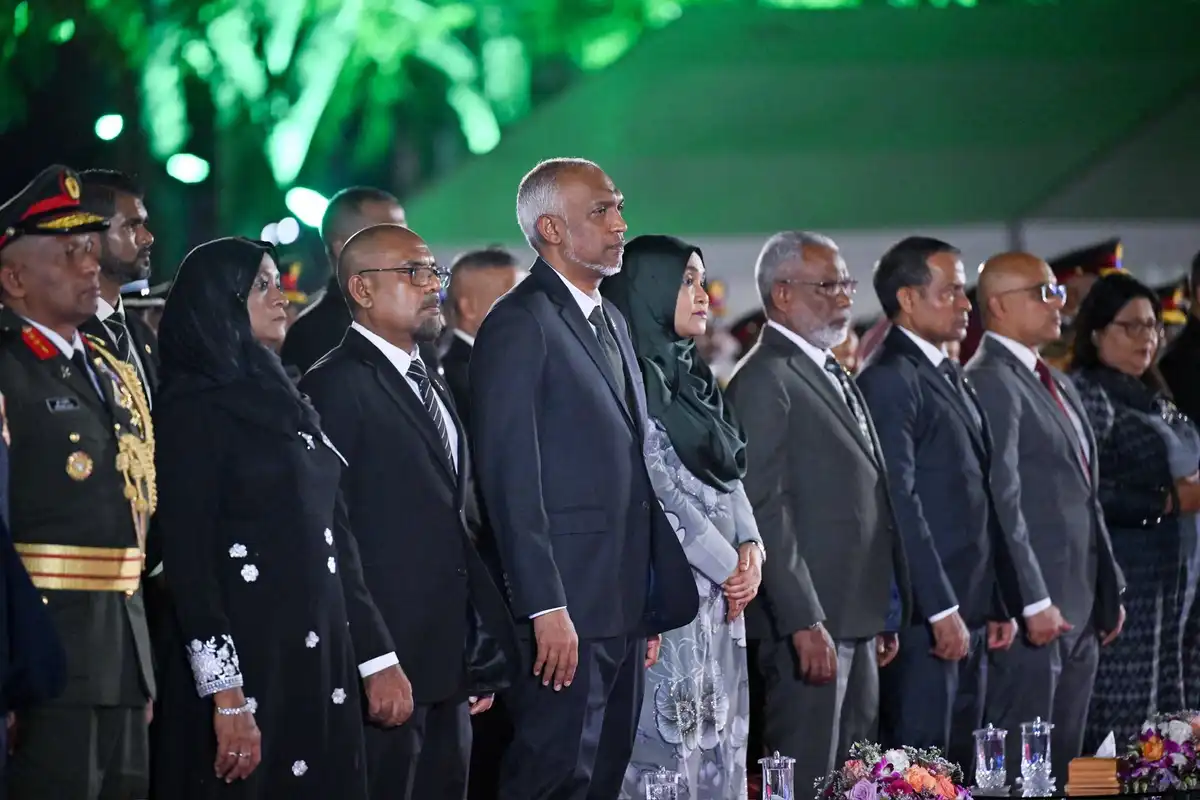
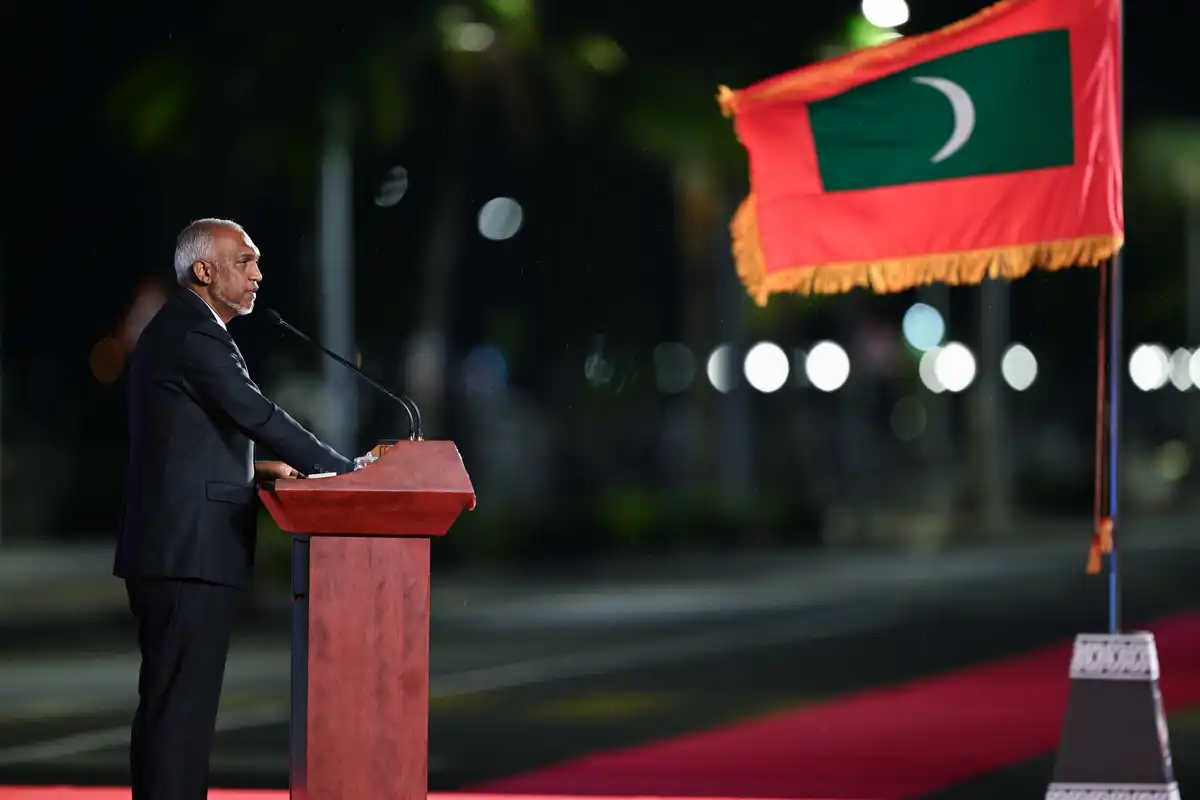
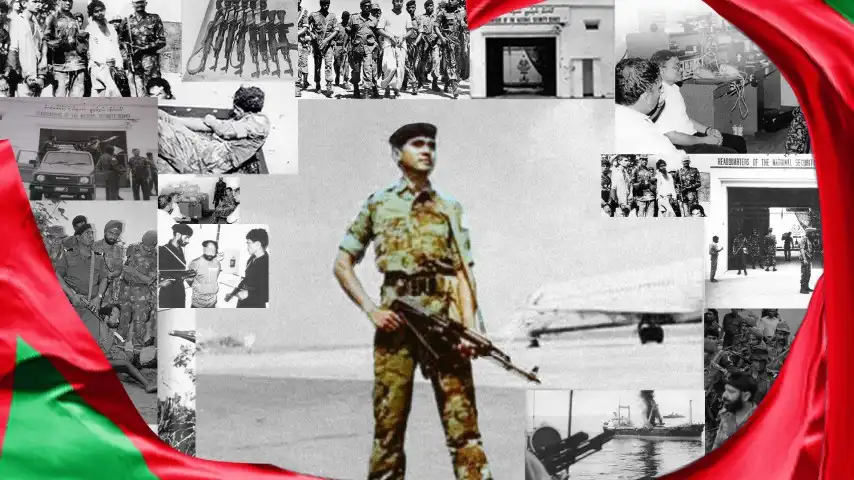
Every November 3, the Maldives goes through the motions of marking Victory Day, paying homage to the sacrifices offered by citizens who repelled the armed mercenary onslaught launched on that exact date in 1988.
On paper, this calendar event occupies an esteemed position across domestic history, supposedly standing as an enduring tribute to the bravery and determination shown by those who defended Maldivian sovereign independence.
However, while the rituals of observance unfold, society faces a parallel, pressing duty that is routinely neglected: guaranteeing that the emerging generation really grasps the genuine weight behind the day.
Illusion of awareness and lingering trauma
The coup d'état executed on November 3 struck at the foundational existence of the Maldivian republic itself. That ordeal remains a grim, piercing revelation of how inherently fragile a country becomes the second its autonomy is placed in danger.
For the older citizens who personally survived the terror, the recollection remains sharp, defined by raw fright and absolute ambiguity.
However, one has to wonder whether the youth possess any actual appreciation of the historical warnings and import embedded in those hours.
Are current initiatives even remotely adequate when it comes to instilling the authentic spirit of Victory Day into the minds of our youth?
Superficial recitals vs painful realities
The real meaning of this commemoration cannot merely be trotted out during official speeches; it needs deep embedding within domestic households, school desks and society at large.
Instead of mechanically rehearsing the timeline of 1988, mentors must push youths to recognize the convictions that led individuals to trade their lives for their homeland. The youth ought to be fully acquainted with the real identities of the figures who stood up that day.
They need to absorb how the aggression materialized and recognize the disastrous aftermath that such a siege might have inflicted on an insular state.
Far more crucially, they must be confronted with the reality that modern liberties are not free defaults, but the heavy, blood-bought outcomes of massive individual loss.
Fragile geography and the true test of solidarity
For an isolated island territory, internal cohesion has continuously served as the baseline of survival. While extensive waters physically fracture our landmass, an intertwined heritage, a common tongue, shared faith, and an ingrained cultural fellowship tie the population together.
The crisis of November 3 proved that when sovereignty teeters on the brink, the shockwave reverberates across every resident inhabiting every single atoll.
Consequently, drilling this past reality into the youth is imperative if they are ever to appreciate the country passed down to them.
Institutional shortfalls and the domestic duty
Educational institutions carry a central obligation in fixing this disconnect. Instructors need to utilize firsthand survivor accounts, archival imagery, and historical film records so that pupils see how ordinary civilians struggled right alongside military units in making joint sacrifices.
Simultaneously, the household setting carries substantial accountability. The dialogue parents initiate around dinner tables regarding the crisis of November 3 is the only force capable of planting a sincere bond with, and reverence for, our national chronicles within young minds.
Shifting eras but an identical obligation
While modern developments steadily alter the landscape, transforming the distinct hurdles confronting the country, the obligations tasked to modern young citizens naturally differ from the burdens carried by the cohort of 1988.
All the same, the core demand on them stays entirely constant: defending the sovereign honor and destiny of the homeland.
Victory Day ultimately strips away excuses to prove that sheltering a nation cannot be outsourced to an individual entity or relegated to an isolated age group.
It remains a shared, countrywide burden that demands active continuation by every individual.