Major amendments proposed to bill: Sentence reductions introduced, while prisoners and state wards barred from organ transplantation
14 ޖުލައި 2026 | އަންގާރަ 13:34A parliamentary committee has decided to remove provisions for retributive justice and blood money from the Human Organ Transplantation Bill, opting instead for reduced prison sentences and fines following legal and Shari’ah-based concerns. Additionally, significant amendments have been made to the bill to prohibit organ donations from individuals in state care and prison inmates.


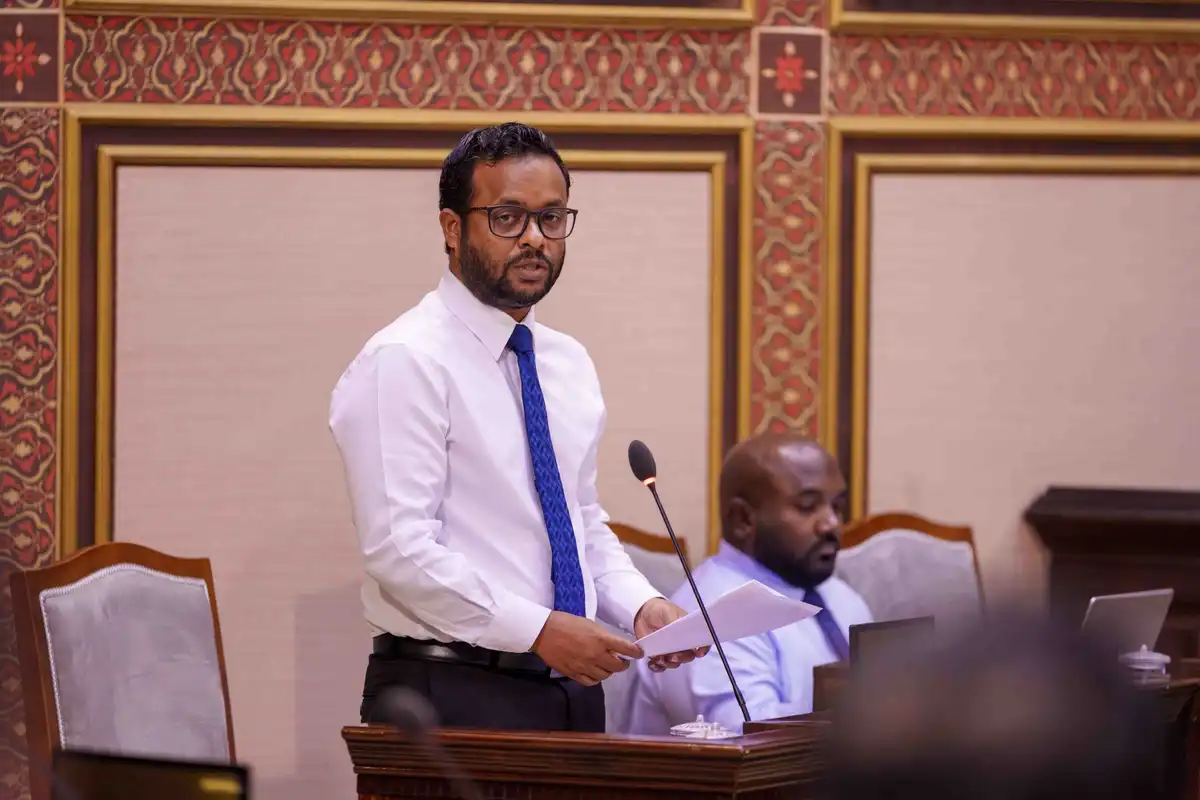
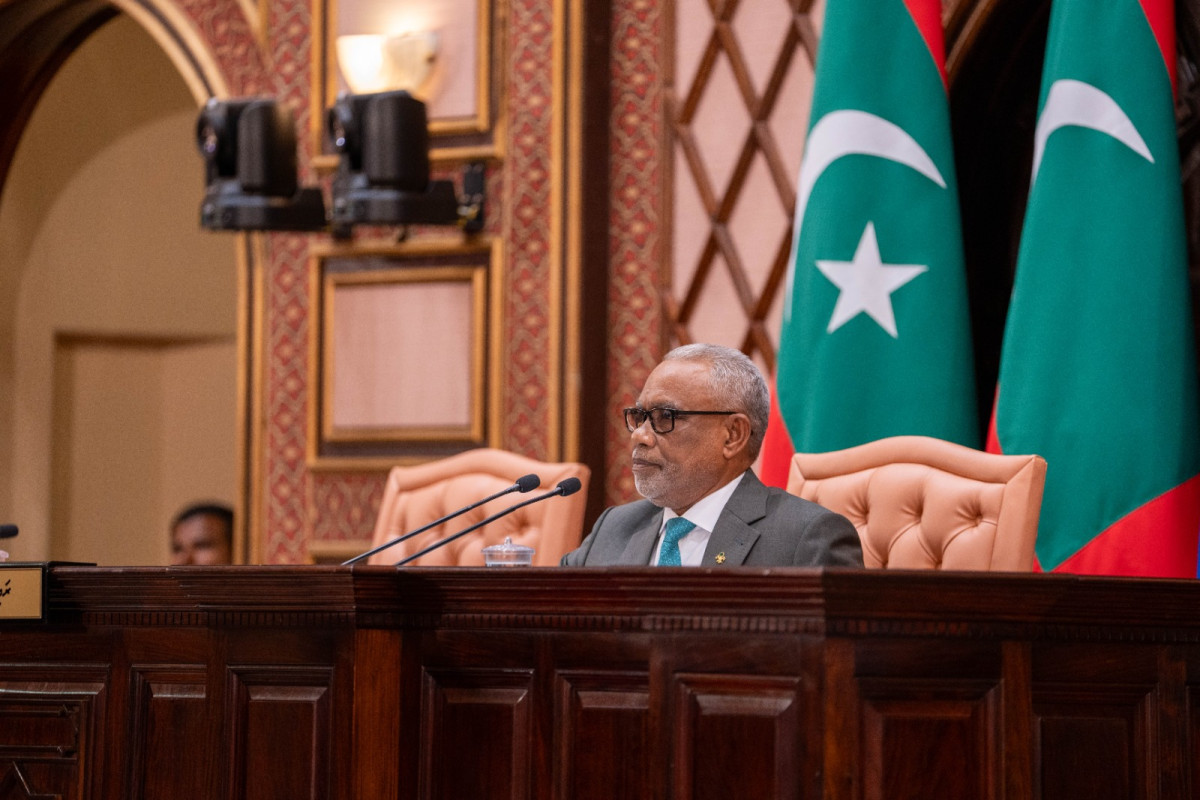
Asma Rasheed, Member of Parliament for the Central Maafannu constituency and Chairperson of the Social Affairs Committee. | People's Majlis
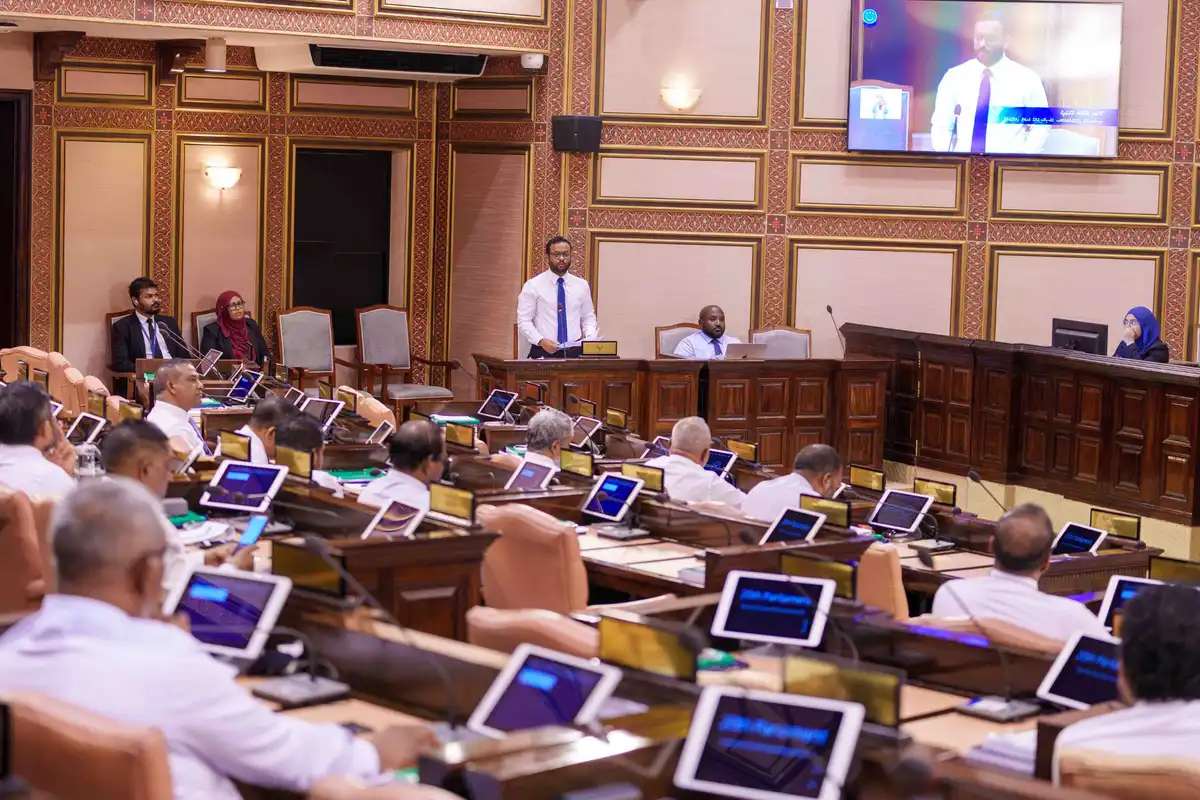
The Parliamentary Committee on Social Affairs has completed a review of the Human Organ Transplantation Bill, introducing several key amendments after President Dr. Mohamed Muizzu returned the legislation to the People’s Majlis for reconsideration.
The bill previously stipulated that the removal of organs without consent or the performance of illegal transplants would be punishable by retributive justice in accordance with Islamic Sharia.
Alternatively, the court may order the payment of blood money as prescribed under Islamic Sharia, along with a fine ranging from MVR 250,000 to MVR 500,000, and a prison sentence of between 18 and 24 months.
However, during its meeting held on July 13, the committee amended the article to remove the provisions for retributive justice and blood money, while also revising the applicable fines and prison sentences.
Furthermore, the committee has approved a reduction in fines, proposing that individuals convicted of such offenses be fined between MVR 150,000 and MVR 250,000. In addition, the committee has introduced amendments to lighten custodial sentences, revising the prison term for such offenses to a period between 12 and 18 months.
Members reviewing the bill stated that these amendments were introduced because the President highlighted significant challenges in enforcing the penalties originally proposed in the legislation.
In this regard, the President noted that the non-consensual removal of organs and illegal transplantation constitute a crime involving three distinct acts. He further highlighted that each of these acts may not necessarily meet the criteria for retributive justice under Islamic Sharia.
The President stated that the previous version passed by Parliament carried the risk of implementing retributive justice against offenders in a manner that deviates from the established principles of Islamic Shari’ah.
Another significant amendment brought to the bill is the addition of a clause to Section 7(b). This amendment stipulates that an organ donor must not be an individual under state care, nor a person suspected of a crime or a prisoner currently serving a judicial sentence.
The committee has unanimously passed the bill with the proposed amendments. The decision was reached by a consensus of all members present and voting after the chair tabled the bill for approval alongside the revisions made during the committee stage.