Schools in the Maldives only began receiving internet access after President Muizzu assumed office: Shujau
22 ޖޫން 2026 | ހޯމަ 11:15Baarah MP Ibrahim Shujau has stated that the government's proposed digitalization bill is a crucial step toward eradicating state-level theft and corruption. He highlighted that transitioning to a digital system will minimize human intervention in service delivery, thereby streamlining governance, accelerating public services, and ensuring greater transparency for citizens.

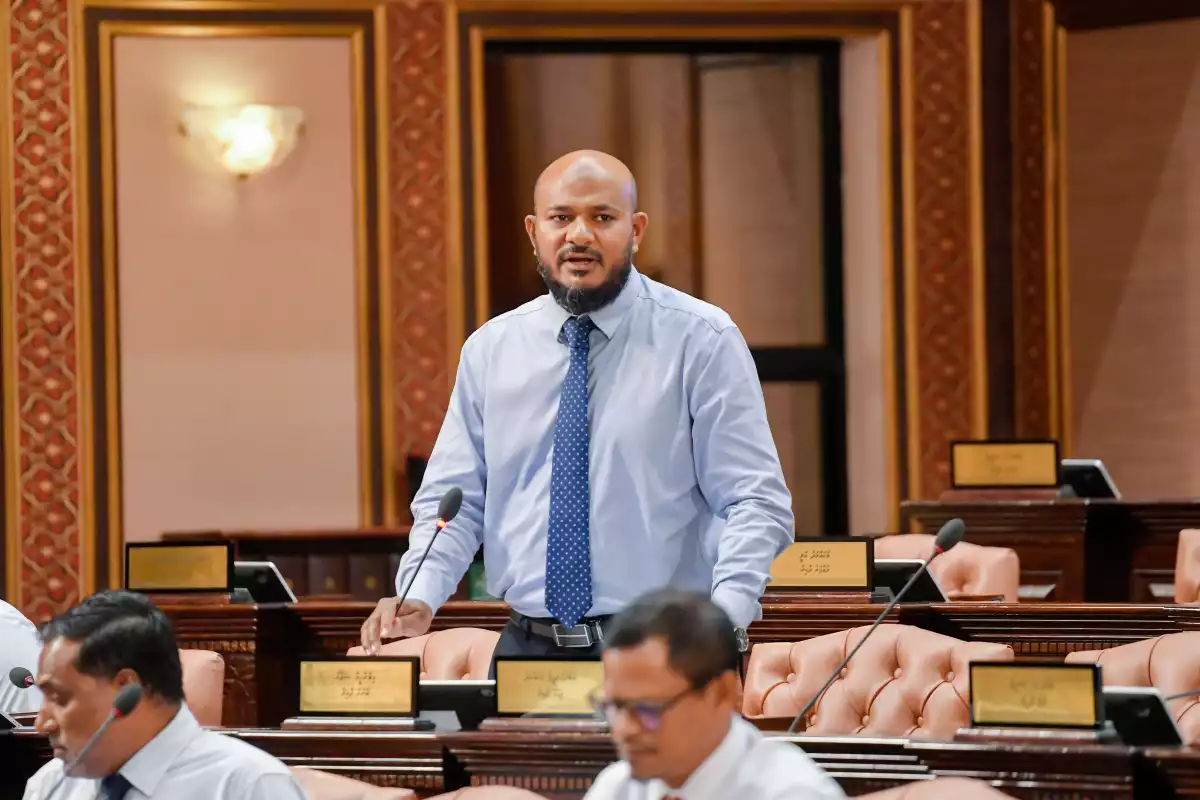
Ibrahim Shujau, Member of Parliament for the Baarah constituency. | Majlis
Ibrahim Shujau, the Member of Parliament for the Baarah constituency representing the ruling PNC, has stated that Maldivian schools only gained access to the internet after President Muizzu assumed office.
Debating the digitalization bill submitted by the government to the People’s Majlis, Shujau stated that the legislation represents a significant step toward curbing corruption within the state.
Shujau stated that reducing human intervention in service delivery and transitioning to a digital system would effectively eliminate opportunities for corruption.
The digitalization initiatives are a strategic effort to curb corruption. With the passage of this bill, such fraudulent activities will be eliminated, as reducing human intervention in administrative processes will effectively minimize the opportunities for theft.
Elaborating further on the bill, Shujau stated that the efforts to digitalize the Maldives began long before President Dr. Mohamed Muizzu assumed office. He noted that the President had included digitalization in his manifesto even during his tenure as the Mayor of Male' City.
However, it is noted that during President Muizzu’s tenure as Mayor, the practical implementation of the digitalization initiatives outlined in the manifesto was not completed.
Shujau further stated that since President Muizzu assumed the role of Male' City Mayor, he has paved the way for citizens to access services from the comfort of their own living rooms. He also noted that it was only after President Muizzu took office that internet services became available to students in schools across the Maldives.
Highlighting that the digitalization bill currently before Parliament is built upon five core pillars, Shujau noted that it encompasses vital objectives such as establishing a digital economy and fostering a modern digital society. He further stated that the bill is expected to bring transformative changes to the state's administrative framework, ensuring that public services become more efficient, expedited, and transparent.
Other members of the ruling party who participated in the debate also highlighted the significance of the bill.