Supreme Court Warns Against Invalidating Ballots Over Ink Spots
11 ޖޫން 2026 | ބުރާސްފަތި 12:58The Supreme Court has ruled that invalidating ballots due to minor printing ink spots could cause irreparable damage to the entire electoral system. In its judgment regarding the Veyvah Council seat, the court established that ballots cannot be deemed invalid unless there is a genuine reason to question their authenticity or the voter's intent. This landmark ruling overturns a previous High Court decision and confirms the election of the MDP candidate to the Veyvah Council.

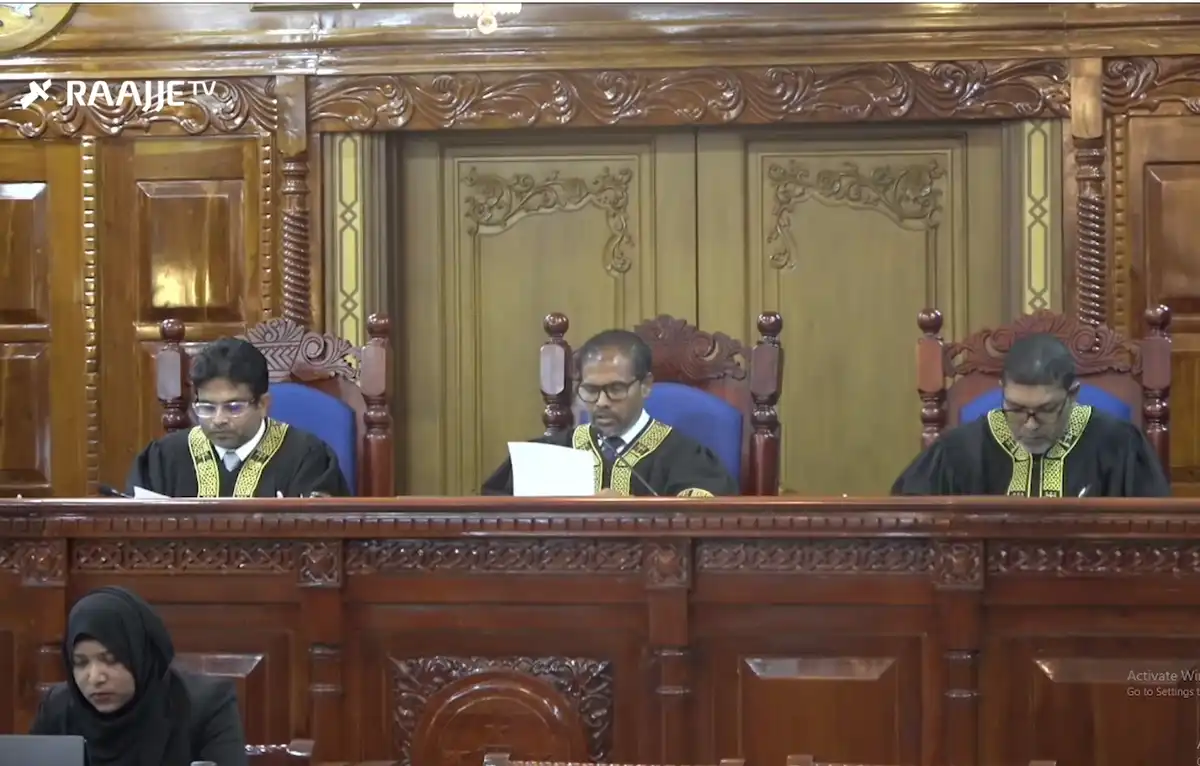
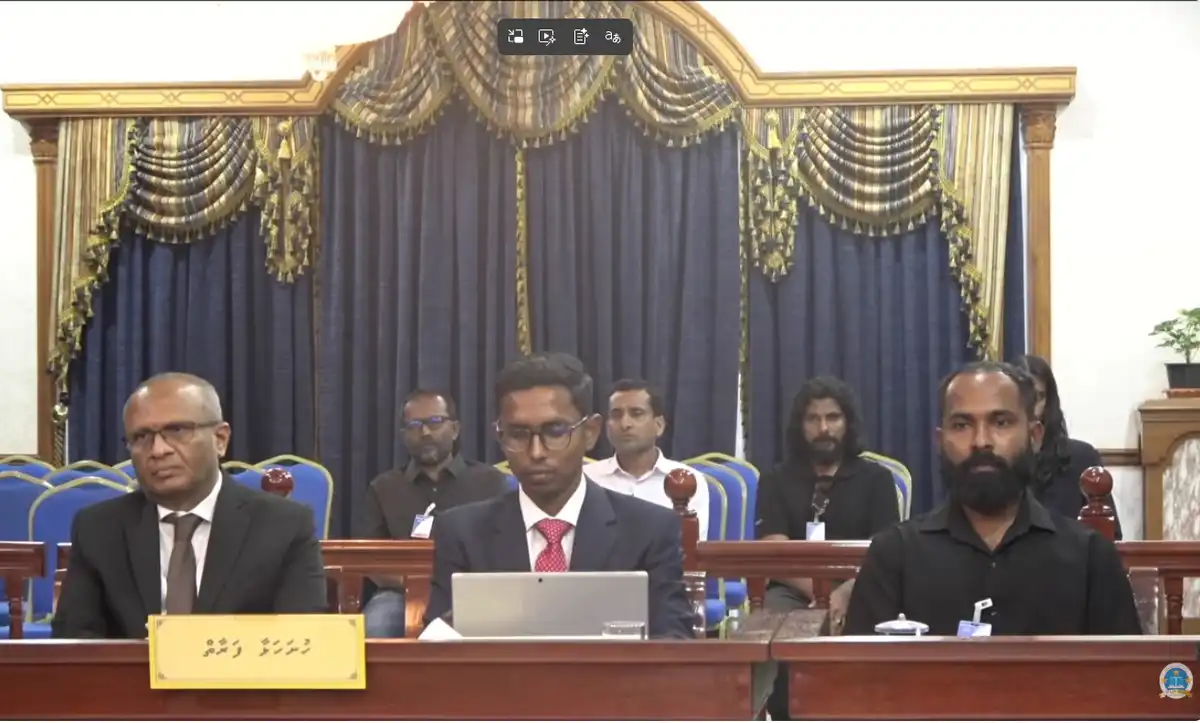
From the Supreme Court's ruling on the Veyvah case. | Raajje MV
The Supreme Court has stated that invalidating all ballot papers containing printing ink marks could lead to irreparable damage to the structural integrity of the entire electoral system.
The Supreme Court issued this ruling on Thursday, overturning a previous High Court decision that had declared the PNC candidate the winner of the Veyvah seat. The apex court determined that the lower court's ruling, which had displaced the initially victorious MDP candidate, was legally flawed.
The primary focus of the debate in this case centered on the presence of ink spots on the ballot papers. The Supreme Court stated that invalidating every ballot containing such printing marks would lead to significant adverse consequences for the entire electoral system.
The Supreme Court ruling noted that Section 63 of the General Elections Act clearly defines the parties entitled to lodge election-related complaints. The Court further observed that while this specific case pertains to the results of this year's local council elections, the legal precedent set by this decision could potentially impact all future elections.
In the course of this case, both the Elections Commission and the printing contractor have clarified that it is impossible or technically unfeasible to completely eliminate ink bleed or residue during the ballot printing process.
The court noted that if every ballot paper containing a minor ink smudge were to be declared invalid, it would set a precedent that could adversely affect all future elections.
The Supreme Court further stated its belief that such a decision could lead to irreparable damage in the shaping of the entire electoral system.
Consequently, it has been determined that a ballot cannot be deemed invalid due to printing ink unless it raises genuine questions regarding the validity of the vote. With this ruling, the MDP candidate has once again secured the seat for the Veyvah Council.
The case was presided over by a Supreme Court bench consisting of Justice Abdulla Hameed, Justice Mohamed Saleem, and Justice Hussain Shaheed. Justice Hameed chaired the proceedings. The presiding justice's opinion was supported by the other two judges on the bench.