Supreme Court rules High Court erred in awarding Veyvah seat to PNC candidate after MDP victory
11 ޖޫން 2026 | ބުރާސްފަތި 12:53The Supreme Court has overturned a High Court ruling regarding the M. Veeyavah Council seat, declaring the votes cast for the MDP candidate as valid. The justices ruled that ink smudges from the printing process cannot be grounds for invalidating ballots, noting that the High Court's initial decision contradicted fundamental electoral principles. By upholding the original election results, this landmark judgment protects the integrity of the electoral system and prevents potential legal precedents that could undermine the democratic process.
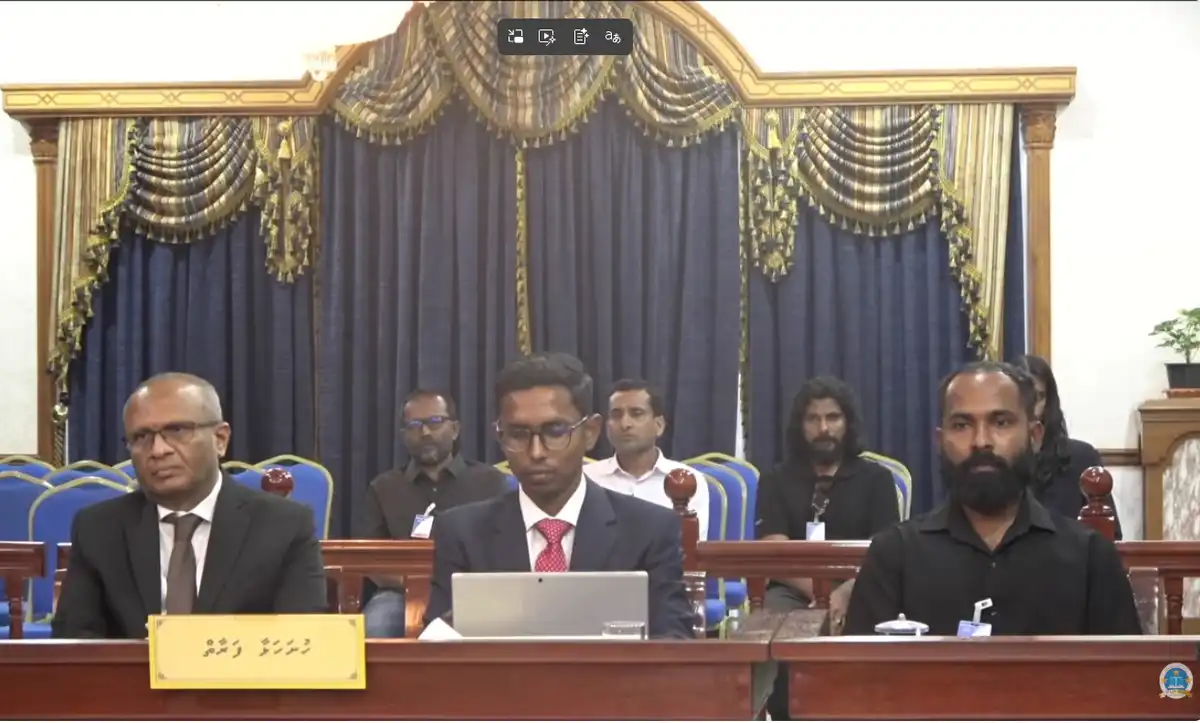
The legal team representing MDP candidate Ahusan Naeem. | Raajje MV
The Supreme Court has ruled that a High Court decision regarding the by-election for the M. Veyvah Island Council is a ruling that could severely undermine the fundamental principles of the entire electoral system.
The dispute in this case centers on the determination of invalid votes. During the recount, the Elections Commission (EC) provided a clear explanation as to why these specific ballots were deemed valid. The commission clarified that the markings on the ballot papers were not intentional drawings or doodles. Instead, the EC accepted the ballots as valid after determining that the marks were the result of ink bleeding during the printing process. These three disputed ballots were all cast in favor of the MDP candidate.
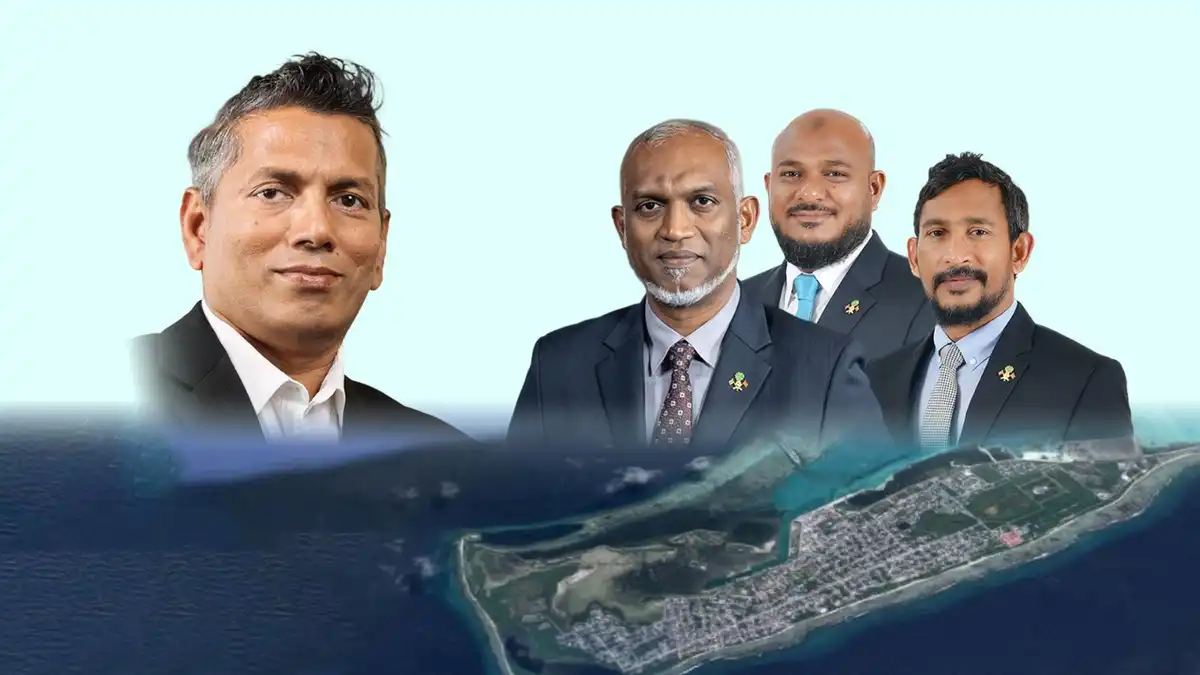
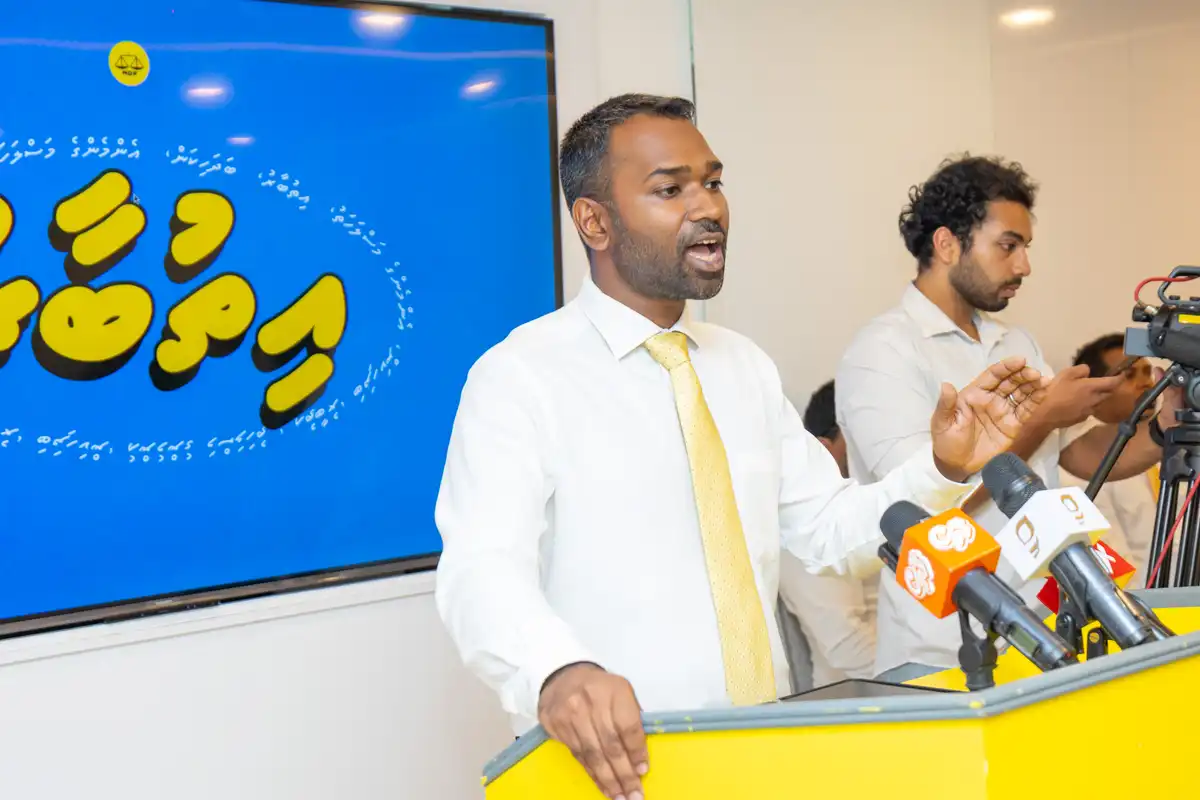
However, the majority of the High Court bench ruled to invalidate three votes previously cast in favor of the MDP. This decision effectively overturned the lead held by MDP candidate Ahsan Naeem, paving the way for PNC candidate Mohamed Nazeeh to secure the seat. Consequently, the MDP candidate has filed an appeal with the Supreme Court.
The Supreme Court bench presiding over the case on Thursday overturned the High Court's ruling, declaring it in violation of established judicial and legal principles.
In delivering the verdict, the Supreme Court justices emphasized that when a judge makes a ruling capable of altering election results, there are numerous critical factors that must be taken into consideration. However, the justices noted that the High Court’s decision was reached in violation of established legal provisions and prior Supreme Court precedents.
Furthermore, the judges stated that if every ballot paper containing printing ink marks were to be declared invalid, it would undermine the electoral system and lead to significant adverse consequences.
The Elections Commission highlighted in court that the Supreme Court's ruling on this matter will be a landmark decision for the Maldives' electoral system, noting that judicial precedents in election-related cases have far-reaching implications for the conduct of future elections.
Speaking at the Supreme Court, the Election Commission's (EC) legal counsel stated that the High Court reached its verdict regarding the Veyvah Council election dispute without examining the actual ballot papers. The lawyer further noted that the High Court had failed to take into account the testimonies provided by both the EC and Novelty Printers, the company responsible for printing the ballot papers, during the proceedings.
The legal counsel for the Elections Commission (EC) further argued that classifying minor ink spots or printing defects on ballot papers as invalid votes would set a damaging precedent for future elections. The lawyer warned that such a ruling could impact the outcomes of the 2026 local council elections and potential referendums, potentially causing irreparable harm to the integrity of the entire electoral system.
Characterizing the High Court's ruling as a violation of the fundamental principles governing the electoral system, the Elections Commission (EC) has petitioned the Supreme Court to declare the decision unlawful.