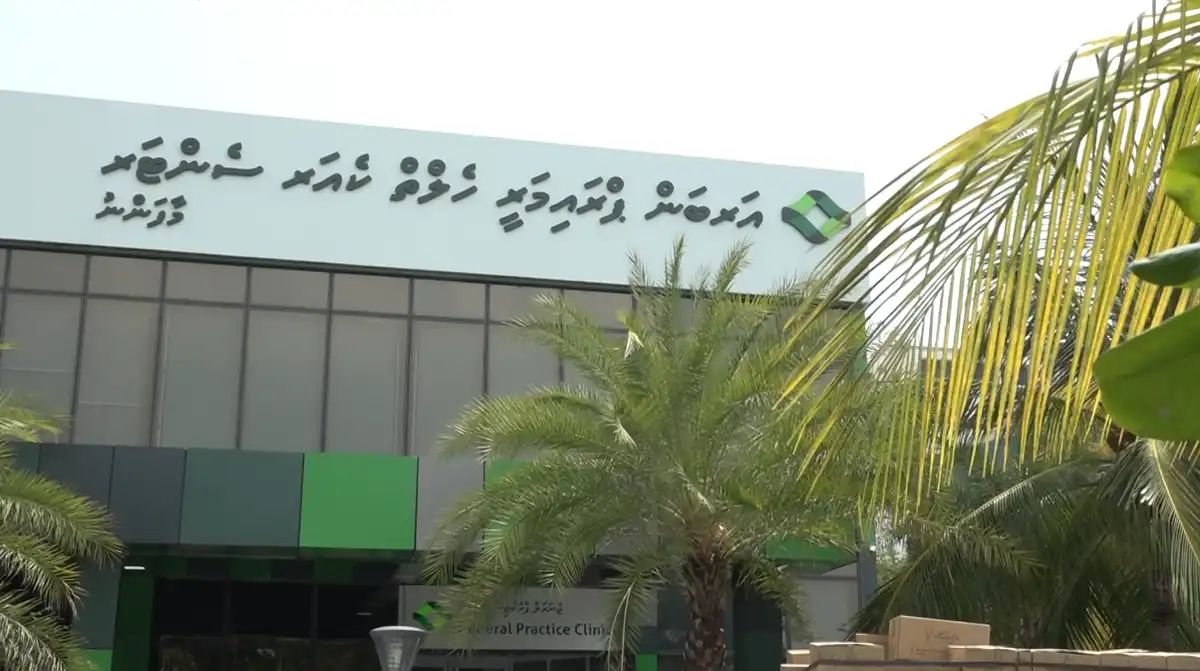
The burden of accessing ambulance services today!
6 ޖޫން 2026 | ހޮނިހިރު 12:33The centralization of public hospitals in the Maldives under the Male City Group of Hospitals has created bureaucratic hurdles that hinder emergency medical transport. Patients face rigid geographic restrictions and a lack of coordination between facilities, often forcing them to pay for private transport during crises. Despite government claims of fleet upgrades, systemic inefficiencies and delayed response times continue to jeopardize lives and erode public trust in the healthcare system.

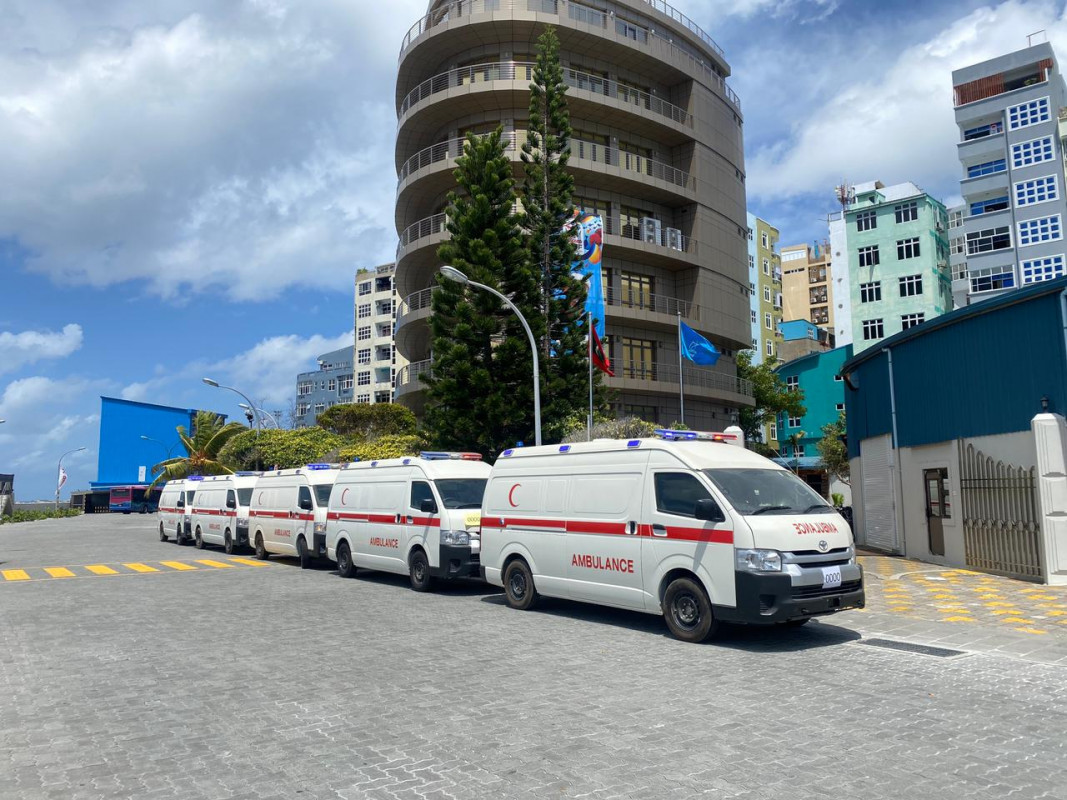
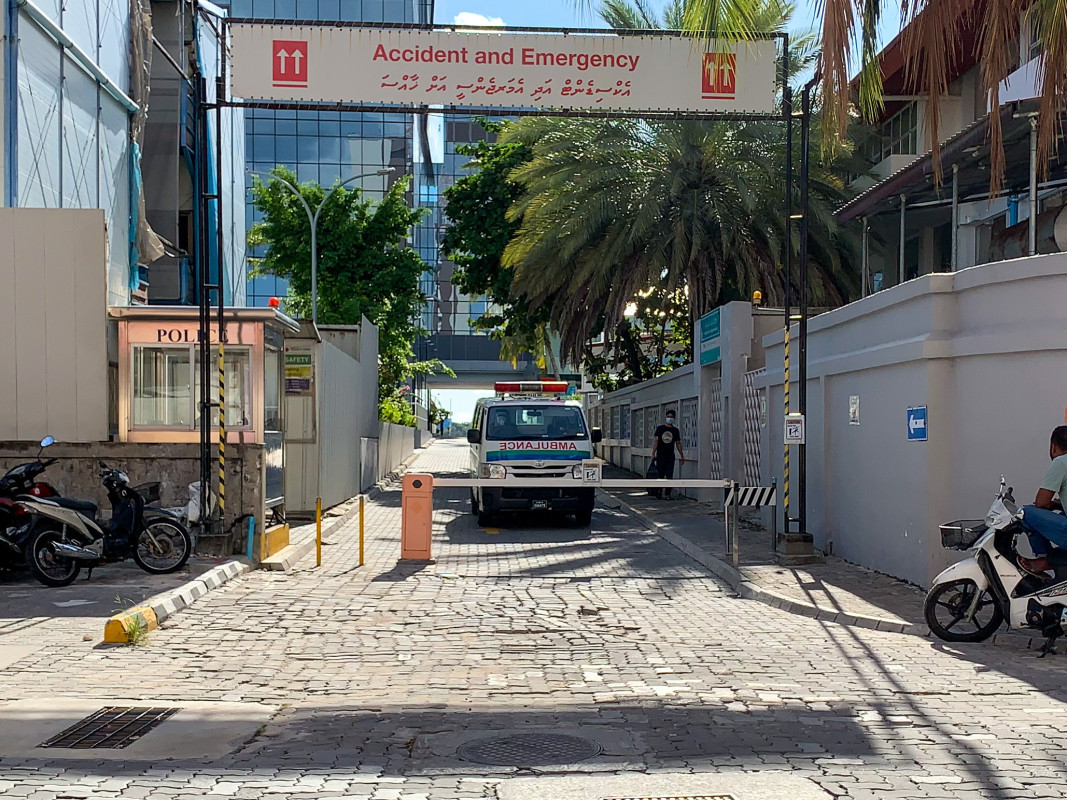
Ambulances brought in by STO during the administration of former President Ibrahim Mohamed Solih. The current administration has also brought in several ambulances. | Health Ministry
The medical infrastructure stands as a vital pillar of any country, bound intimately to the survival of its populace.
It goes without saying that emergency transport operations should remain entirely reachable and perfectly fluid, free from any systemic blockages.
However, a glance at the current state of affairs across the Maldives particularly within the congested Greater Malé Region, reveals that the tribulations everyday folks endure just to secure this fundamental necessity have bloated to an outrageous degree.
Myth of centralized efficiency
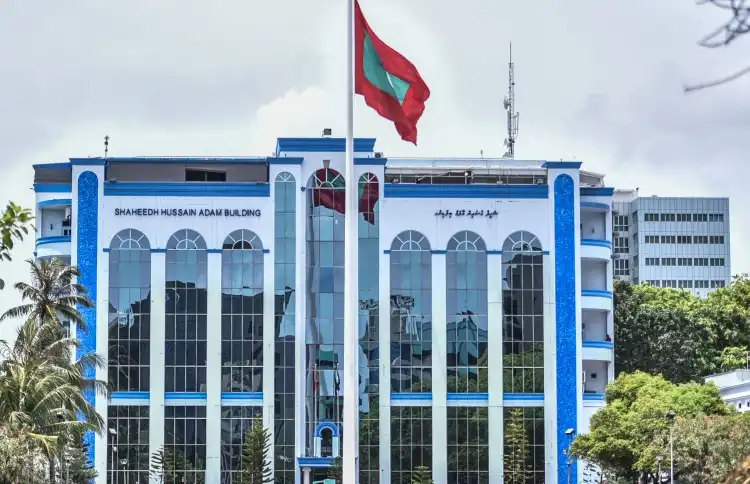
In a grand gesture meant to fortify and weave together the local medical network, the administration decided to herd all public medical centers in the capital zone under a single bureaucratic banner known as the ‘Malé City Group of Hospitals'.
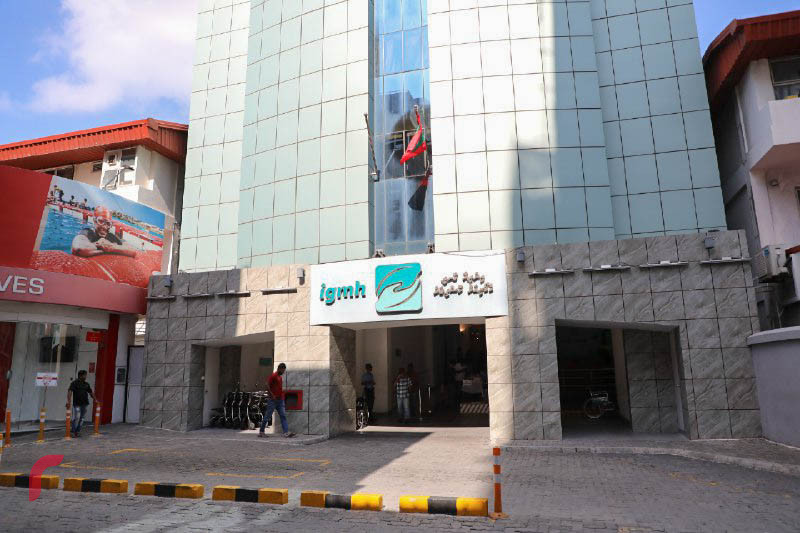
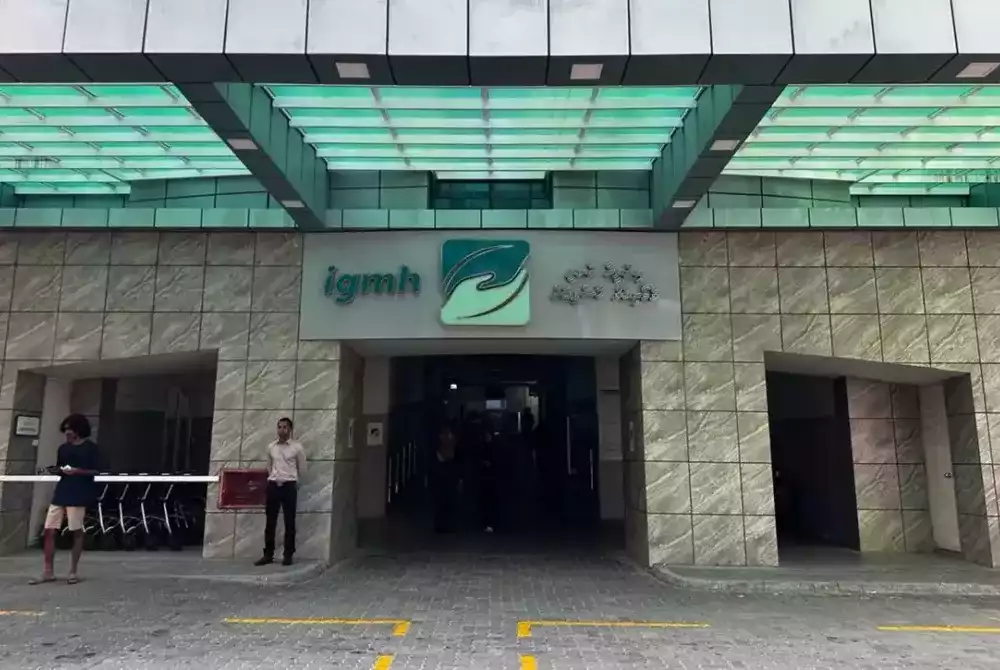
This newly minted collective swallows up Indira Gandhi Memorial Hospital, Dharumavantha Hospital, Hulhumalé Hospital and Villimalé Hospital.
The loudly proclaimed goal of this restructuring was to serve up top-tier care to the masses from a single, unified source by supposedly maximizing the use of shared assets.
However, when watching how this actually plays out in the real world, it becomes painfully obvious that the average taxpayer is getting absolutely none of the promised comfort from this grand design.
Bureaucracy over basic care
Instead of a smooth operation, what has surfaced is a mountain of severe roadblocks and frustrating hurdles standing between the sick and an emergency vehicle.
A growing chorus of exasperated locals is shouting from the rooftops about the utterly chaotic and tangled protocols that have been slapped onto the simple act of requesting an emergency ride.
Proving this point, a citizen who lived through this logistical nightmare reached out to RaajjeMV to share their ordeal. A resident living in Hulhumalé came down with an illness and desperately needed a ride to IGMH.
Shockingly, the facility flat-out turned down the request to dispatch a vehicle. The staff at IGMH bluntly notified them that any patient located in Hulhumalé is forced to deal exclusively with Hulhumalé Hospital, adding a ridiculous caveat that the vehicles stationed at Hulhumalé Hospital are strictly prohibited from dropping patients off anywhere except their own front doors.
Silence from the ivory towers
When the authorities at the Malé City Group of Hospitals and IGMH were pressed for answers on whether this bizarre, segregated routine is indeed the official blueprint for handling emergencies, they predictably offered nothing but deafening silence.
Since this is a verified, real-world catastrophe, one has to ask if things are truly running on this backwards logic, is it not just a cruel, extra weight tied to the neck of the suffering public? It defies all logic that even though these medical facilities answer to the exact same corporate bosses, an ailing individual is barred from being driven to the specific institution of their choosing, or to the facility that actually possesses the necessary medical gear for their unique diagnosis.
On top of that, it is an absolute insult to the population that they are being forced to shell out exorbitant amounts of cash for private vehicles during life-or-death crises simply because the state-funded fleet is nowhere to be found.
Big promises and phantom fleets
The collective faith of the community has already been thoroughly shattered by a string of recent blunders and careless mistakes tearing through the medical field, coupled with a pathetic lack of corrective action.
A heavy wave of accusations points to the grim reality that precious lives have already slipped away simply because emergency vehicles dragged their feet and critical care arrived too late. Making matters even more insulting, the current leadership has bragged on multiple high-profile occasions about the grand arrival of massive shipments of shiny new emergency vehicles, but the heartbreaking reality is that the taxpayers see zero of the real-world perks.
What was even the point of fusing these medical facilities under a singular corporate umbrella if the everyday citizen cannot squeeze a single drop of utility from it?
The road ahead is blocked
Emergency transport rights should never be handcuffed by a patient’s geographical coordinates or their choice of destination. The political leadership needs to tear down these synthetic walls immediately and guarantee an unhindered, rapid lifeline for the population.
Rebuilding a shred of public confidence in this broken medical framework will only happen when these bare minimum utilities are reinforced and the people at the top are finally forced to answer for their lethal carelessness.