State-owned enterprise MPL enters the logistics business.
7 ފެބުރުއަރީ 2026 | ހޮނިހިރު 11:49Inaugurated by the Minister of Finance at the Maldives Marine Expo, the primary objective of this new state-owned enterprise is to streamline the distribution of essential goods and staple foods across the Maldives through domestic transshipment and commercial warehousing services in Thilafushi. However, the government's entry into this sector has sparked significant concern among private stakeholders currently operating within the industry.


Maldives National Logistics | MPL | MPL
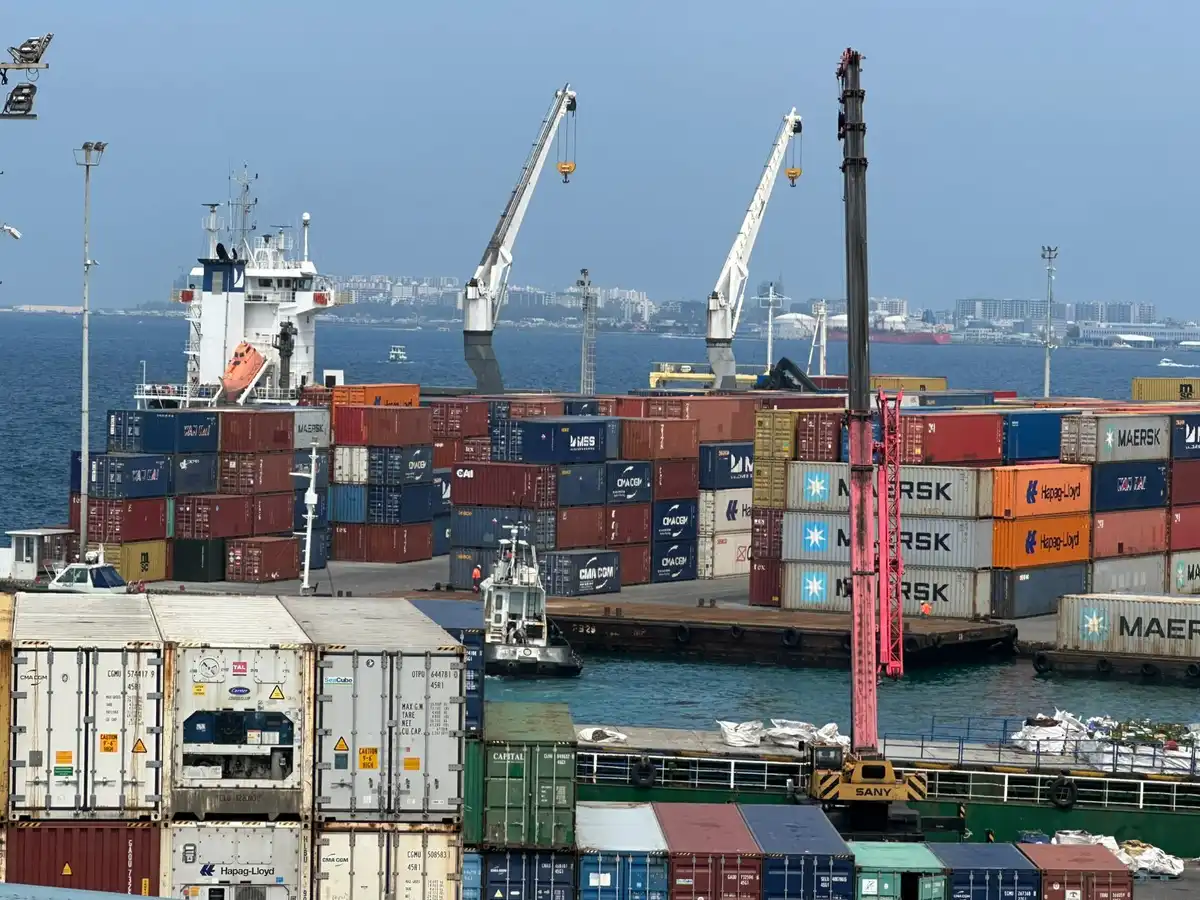
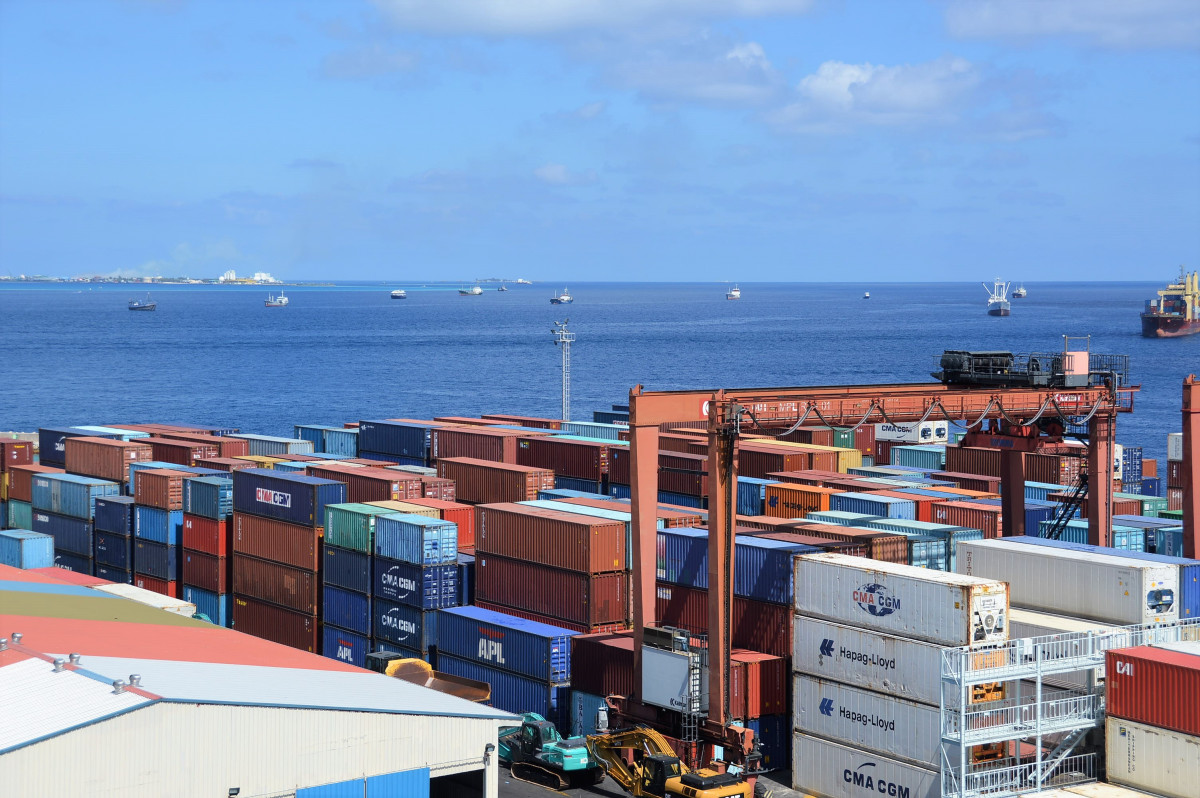
Maldives Ports Limited (MPL), the state-owned enterprise responsible for managing the nation's commercial ports, has officially entered the logistics industry with the establishment of a new subsidiary, Maldives National Logistics.
The new company was launched by MPL during the ongoing Maldives Marine Expo. Photos shared on the company’s social media pages show that the official inauguration was performed by Minister of Finance Moosa Zameer.
Furthermore, in a press release, MPL stated that the primary objective of establishing Maldives National Logistics is to ensure the seamless distribution of essential goods and staple food items to warehouses established across various regions of the Maldives. Among the services transferred under National Logistics is the domestic transshipment operation recently launched by the company. This service involves the transport of transshipment containers arriving at the Malé Commercial Port to Hithadhoo Port and Kulhudhuffushi Port using MPL’s own vessels.
Maldives Ports Limited (MPL) has announced the introduction of commercial warehousing as its newest service. This service, which involves storing cleared commercial goods at warehouses in Thilafushi, has been established as a permanent offering following the success of the "Project Cargo Handling" initiative launched six months ago.
Private businesses operating in the logistics sector are expressing concern over Maldives Ports Limited’s (MPL) decision to establish a subsidiary and enter the industry. This follows previous grievances raised by the business community regarding the government’s increasing involvement in private markets through state-owned enterprises.