Global need for humanitarian aid remains critical: PGA Shahid
21 އޯގަސްޓު 2022 | އާދީއްތަ 12:13Shahid said that so many complex emergencies at this scale have never joined
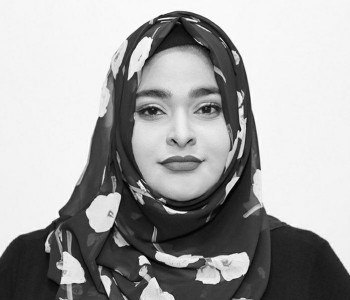

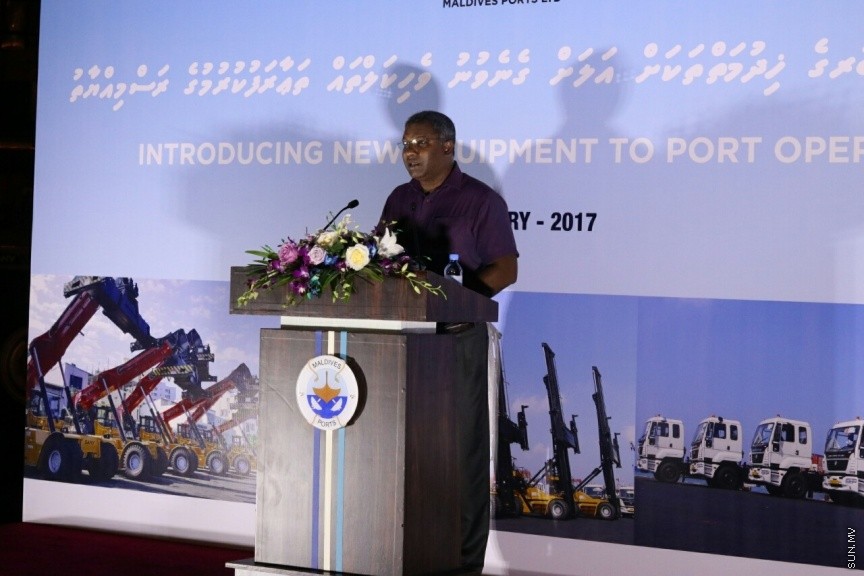
President of the 76th Session of the United Nations General Assembly (UNGA), and Maldivian foreign minister Abdulla Shahid
President of the 76th Session of the United Nations General Assembly (UNGA) and Minister of Foreign Affairs of Maldives, Abdulla Shahid has stated that the global need for humanitarian aid remains critical.
He said this in his message on the occasion of World Humanitarian Day.
Acknowledging the services by all humanitarian front-liners around the world, PGA Shahid applauded their unfaltering determination and stressed that the World Humanitarian Day is a reminder of the “generosity”, “courage” and “sacrifice” of those who have dedicated their lives to the service of humanity.
Noting that humanitarian operations should be structured by the fundamental principles of the UNGA including humanity, neutrality, impartiality and independence, PGA Shahid noted that much of humanitarian work takes place in “dangerous” environments which results in aid workers being subject to violence.
Going on to pay tribute to those who have lost their lives in the line of duty, the Maldivian foreign minister noted that at present, humanitarianism faces escalating challenges.
As such, he stressed that humanitarian situations have been aggravated by multi-dimensional crises including the Covid-19 pandemic, heightening conflicts and natural disasters among others despite the efforts by the international community.
Highlighting that it was projected that the sector would require financial support of USD 41 billion prior to the invasion of Ukraine by Russia, PGA Shahid noted that situations in countries like Afghanistan, Syria, Yemen, Ethiopia, Palestine, Sudan or Myanmar and several others, remain “critical” and require “close” monitoring to prioritize those most in need.
Further, the Maldivian minister noted that 2022’s observance builds on the metaphor that says “it takes a village to raise a child”, by recognizing that it takes a village or community to support humanitarian workers and those in humanitarian crisis.