Small Tourism Operators Warn Tax Changes Could Halt Maldives Travel Packages
6 ސެޕްޓެމްބަރު 2026 | އާދީއްތަ 11:24Major international travel associations have urged the Maldivian government to delay the implementation of proposed tourism tax hikes, citing significant financial burdens on foreign tour operators. Following the decision to increase TGST to 17 percent starting next month, these organizations warned that they may be forced to stop selling Maldives holiday packages unless concessions are made to alleviate the pressure on smaller operators.

A staff member provides information to visitors at the Maldives stand during the Moscow International Tourism Fair. | getty images
Small-scale travel operators marketing Maldivian tourism products abroad have warned the government that they may be forced to stop selling Maldives packages following sudden changes to the tax regime.
These parties have requested the Maldivian government to defer the implementation of the new tax regulations.
Stakeholders have warned that the short timeframe set for implementing these regulations could lead to significant losses on pre-sold holiday packages, potentially forcing smaller operators to stop offering Maldives travel packages altogether.
Concerns have mounted among tour operators bringing visitors to the Maldives following the ratification and publication of the 8th amendment to the Goods and Services Tax Act on August 31, 2024. Under this amendment, overseas entities providing Maldivian tourism products and booking services will be required to pay a 17 percent Tourism Goods and Services Tax (TGST) effective from October 1.
Regarding this matter, ABTA, the United Kingdom’s largest travel association, sent a formal letter to the Minister of Tourism and Aviation, Mohamed Ameen, on August 27, prior to the ratification of the law. The association represents approximately 3,500 consumer brands that collectively generate an annual turnover exceeding £41 billion.
The European Travel Agents' and Tour Operators' Association (ECTAA) has also voiced similar concerns, addressing a formal letter on September 2 to Geela Ali, the Maldivian Ambassador to Belgium and the European Union.
Following recent legislative amendments, the Maldives' tourism tax regime will now apply to foreign tour operators, travel agencies, and booking platforms that are not registered businesses within the country. This measure is based on the "destination principle," which mandates that since the services are consumed within the Maldives, they are taxable locally regardless of whether the booking and payment were made abroad.
Under these new taxation regulations, all foreign-registered entities providing holiday package services must register with the Maldives Inland Revenue Authority (MIRA), regardless of the size of the company.
ECTAA stated that the timing of this change is particularly challenging. This is because tour operators establish agreements with suppliers and finalize holiday programs many months in advance. The organization noted that numerous Maldives packages for the upcoming European winter season have already been advertised and sold at fixed rates.
According to European consumer protection regulations, package prices can only be increased under very specific circumstances. Consequently, ECTAA noted that some operators may be forced to absorb the cost of this new tax from their own revenue rather than passing it on to tourists.
Furthermore, it was noted that companies will be compelled to revise the prices listed in brochures and marketing materials prepared prior to the implementation of this amendment.
Both organizations have expressed concerns regarding registration requirements, reporting obligations, the calculation of profit margins, and the costs associated with overseas tax compliance. ECTAA warned that the resulting administrative burden would be disproportionately high for companies that sell only a small volume of Maldivian travel packages.
Consequently, the association has urged the government to establish a specific registration threshold or a simplified system for small businesses, ensuring they are only required to register once their income exceeds a certain limit. As an example, the association noted that in New Zealand, foreign suppliers are only mandated to register if their annual turnover exceeds 60,000 New Zealand Dollars.
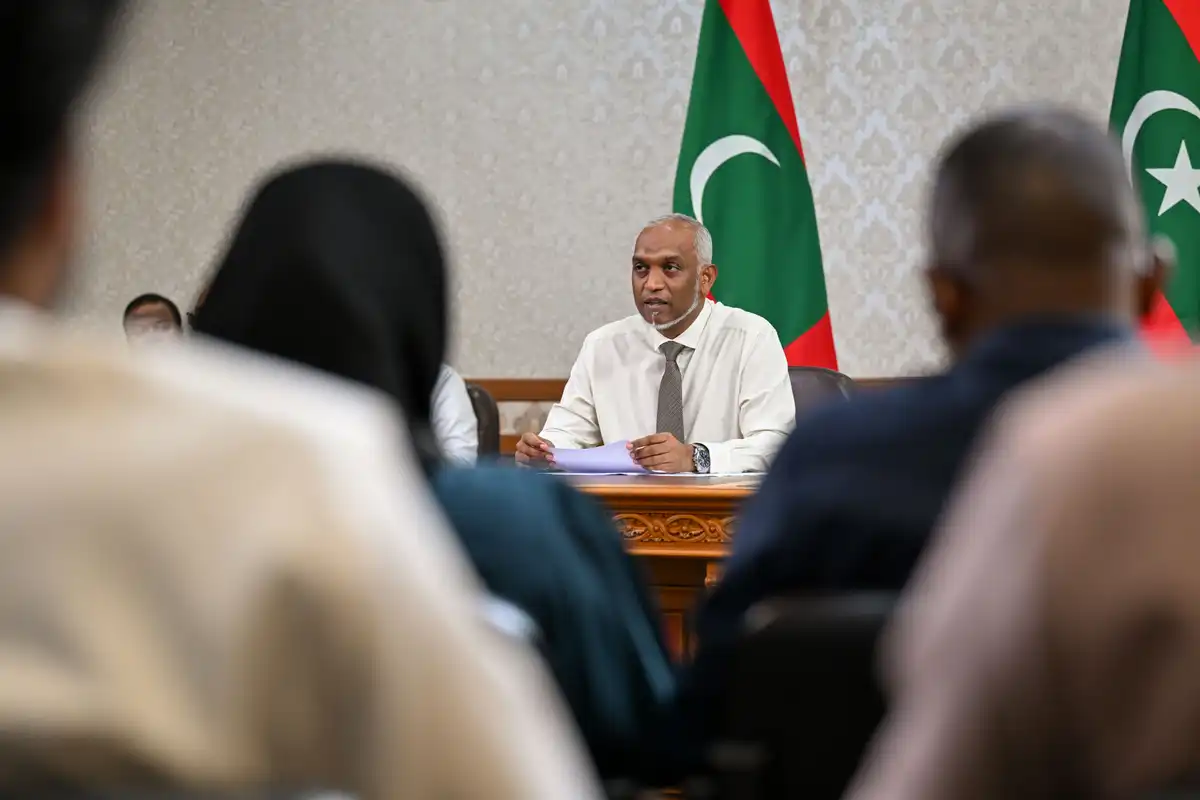
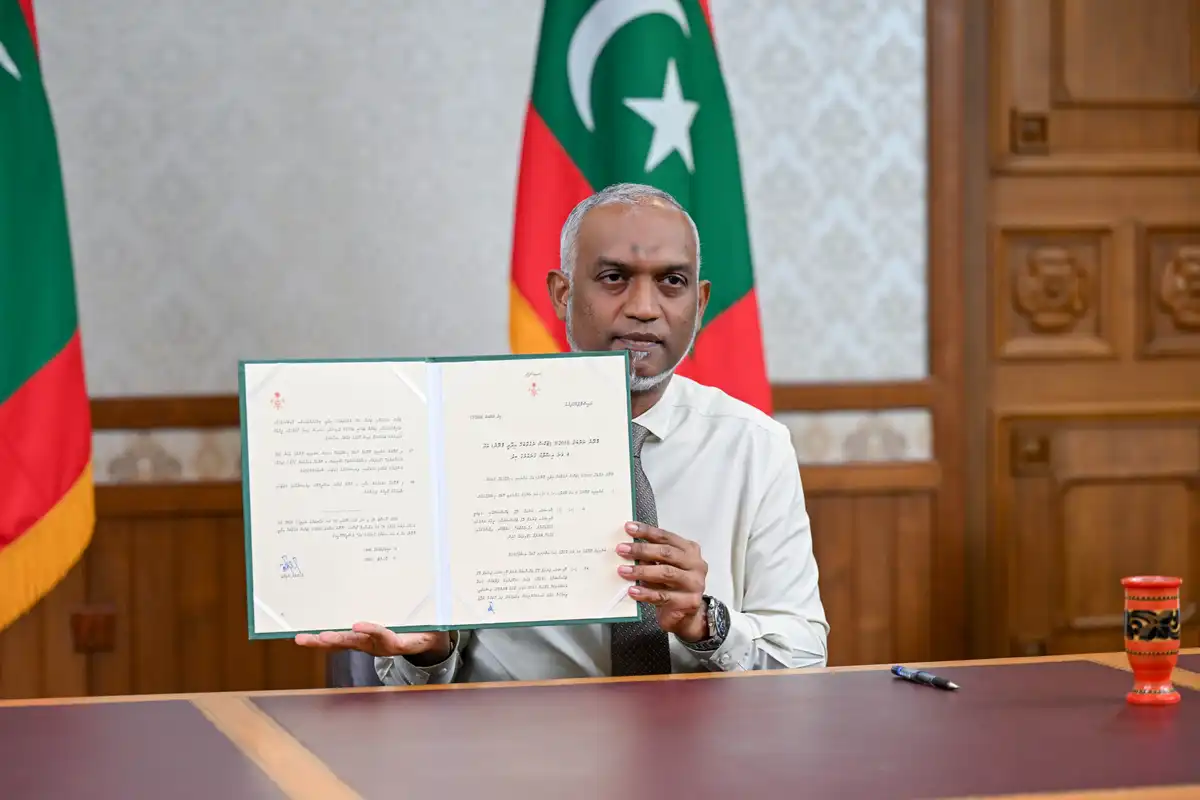
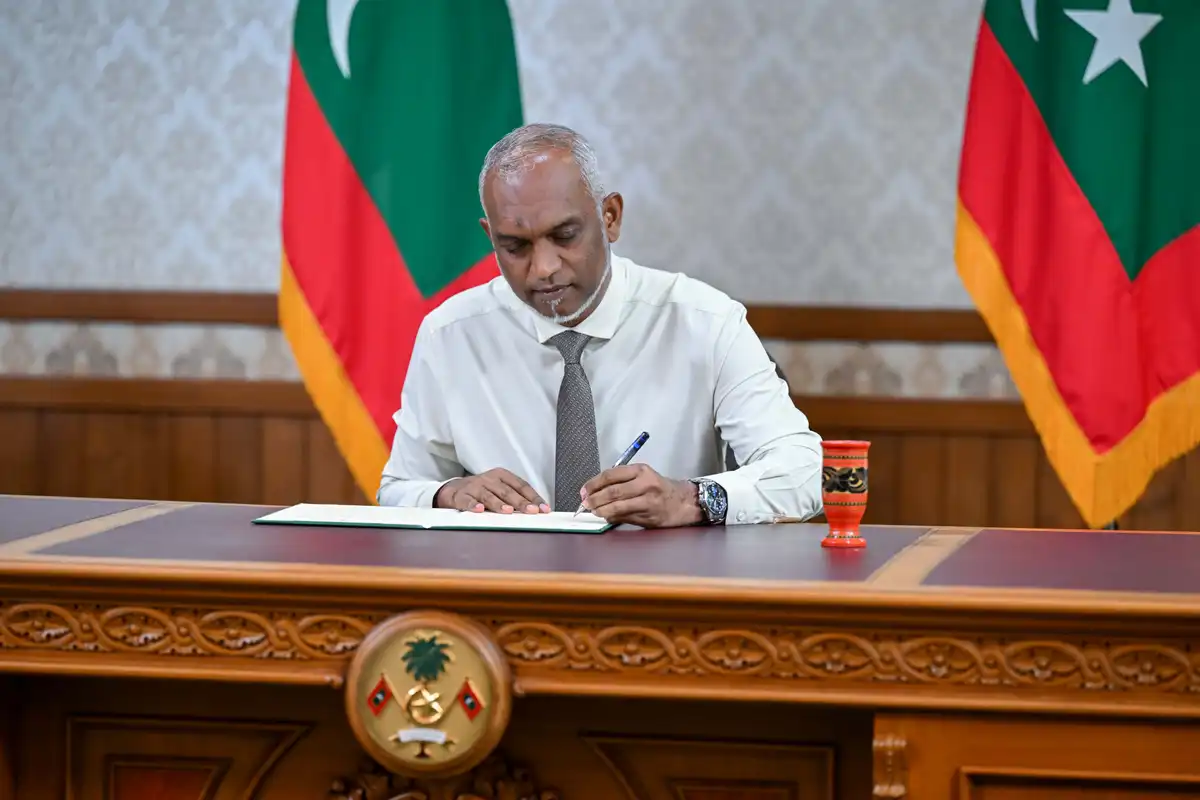
While ratifying the amendments to the tax laws, President Dr. Mohamed Muizzu stated that these changes are being implemented through a "very sound process."
"I want to emphasize that the measures we are taking are necessary steps. We are proceeding with these actions through a process of broad consultation. Whether we are enacting new legislation or amending existing laws, our decisions are strictly evidence-based. We do not act on impulse; these measures are the result of months of deliberation, technical evaluations, and extensive research. Our teams also carefully study international best practices and how these issues are addressed in other countries," President Muizzu said.
However, those who expressed concern stated that they are also seeking further guidance regarding transactions involving multiple intermediaries.
While President Muizzu has stated that technical evaluations, research, and international best practices are thoroughly reviewed by government teams when amending laws, associations representing the tourism industry have raised several concerns. These stakeholders have pointed out ambiguities in the recent legislative changes regarding registration procedures, tax filing, payment processing, booking cancellations, and refund policies. Furthermore, the Maldives Association of Tourism Agents and Tour Operators (MATATO) has requested specific details on how bookings made prior to the implementation of the new regulations will be handled.
ABTA and ECTAA have called for the implementation of these regulations to be deferred until consultations are held with international businesses and detailed guidelines are issued. Furthermore, ECTAA has requested that concessions be provided for travel packages that have already been contracted or sold.
The associations have warned President Muizzu’s administration that implementing these measures without adequate preparation could hinder the marketing and sale of Maldivian tourism products in international markets.