Pres. backtracks as fines skyrocket before parking solutions arrive
2 އޮކްޓޯބަރު 2026 | ހުކުރު 14:45Contrary to President Dr. Muizzu's pledge to refrain from issuing parking fines until adequate parking spaces are provided, a new regulatory framework has been introduced, leading to the imposition of substantial fines on the public. As the physical construction of parking facilities remains delayed, the decision to increase fines without implementing a viable solution has fueled widespread public dissatisfaction and concern

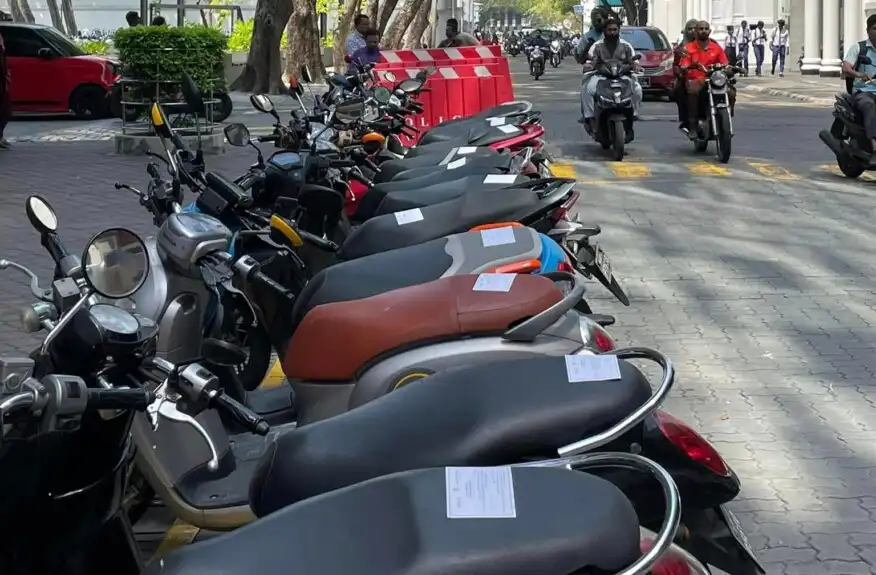
Parking stickers on motorcycles near Velaanaage | raajjemv
The relentless scarcity of parking across the Greater Malé Region (GMR) continues to torment the public, especially those who rely on personal vehicles every day.
Machines have flooded the capital well past what tarmac and walkways can physically handle, leaving drivers stranded in a chaotic system that makes every day transit a miserable endeavor. In an urban maze where choked roadways stifle normal movement, delivering an enduring, practical remedy ought to stand at the very top of any governing agenda.
Dr. Mohamed Muizzu walked into the presidency armed with what seemed like an earnest determination to fix the mess. Among his loudest assurances was a guarantee that authorities would hold off on slapping stickers and issuing monetary penalties until proper spots were actually built.
Time and again, the region's inhabitants heard the same comforting tune: roadside parking would not invite state retribution before purpose-built parking complexes and dedicated spaces materialized.
To sweeten the deal, there was even a solemn word to forgive previously issued, unfairly levied fines.
However, as motorists waited for that promised relief, the executive steering wheel veered in the exact opposite direction. Straight against those high-minded commitments, the enforcement apparatus began slapping penalties and stickers onto vehicles with relentless vigor.
Adding insult to injury, the state rolled out steeper rates across a spectrum of infractions. All the while, not a single fresh parking building stands finished, and proper designated zones remain virtually nonexistent.
Authorities may point to a lone lot accommodating 500 motorbikes along Boduthakurufaanu Road, but anyone exercising basic common sense can see this modest patch falls laughably short of the sweeping fix that was sold to the public.
Under this fresh enforcement breakdown, halting in an unapproved spot instantly drains MVR 500 from a motorist's pocket.
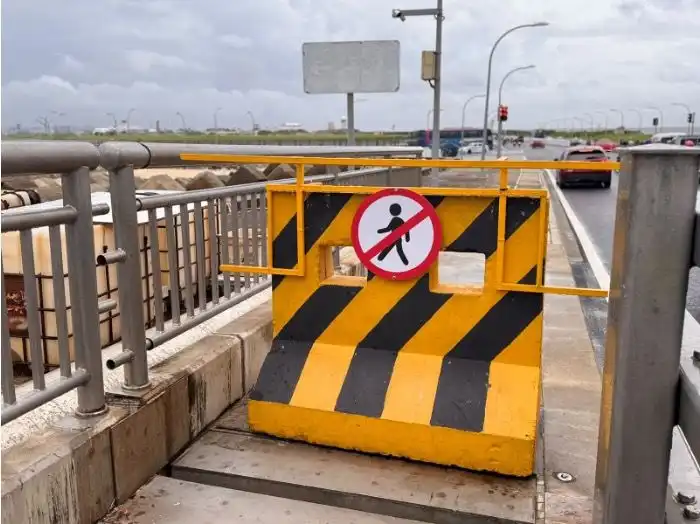
Stricter crackdowns target other routine bottlenecks: leaving a vehicle by an educational institution, public transit stop, or pedestrian crossing now carries a steep MVR 1,500 charge. Anyone caught pulling onto or driving over a walkway faces an MVR 750 fee. Highway stops and halts face an even heavier hammer, carrying variable charges from MVR 1,000 all the way to MVR 4,000 depending on whether someone is a repeat offender.
State officials might wave around adjusted road maps claiming construction on parking structures will kick off before the calendar year wraps up, but a weary populace is hardly buying it given how sluggishly actual ground progress moves.
Figures provided by the Maldives Police Service (MPS) reveal that behind the banner of traffic safety initiatives, drivers are absorbing a severe financial beating. Fresh numbers show that throughout vehicle spot-checks across the city, enforcement officers slapped penalties on well over fifty percent of all scrutinized rides.
Detractors increasingly see this governance style as one anchored in breaking clear commitments while charging forward with the very punitive measures it once disowned. This bait-and-switch only piles extra strain onto everyday residents, broadcasting a cold indifference to their pocketbooks.
The resulting mood on the pavement is one of deep cynicism and irritation, as the ruling powers seemingly trade their grand infrastructural visions for the quick returns of an aggressive penalty scheme at the expense of ordinary motorists.