Reading between the lines of Minister Ihusaan’s noticeable silence
11 ނޮވެމްބަރު 2026 | ބުދަ 12:40Ihusaan currently remains silent amidst growing concerns regarding internal government obstacles hindering his official mandates. Many are calling upon him to leverage his military background and expertise to prioritize national interests, while steadfastly opposing any decisions that could compromise the nation's independence and sovereignty
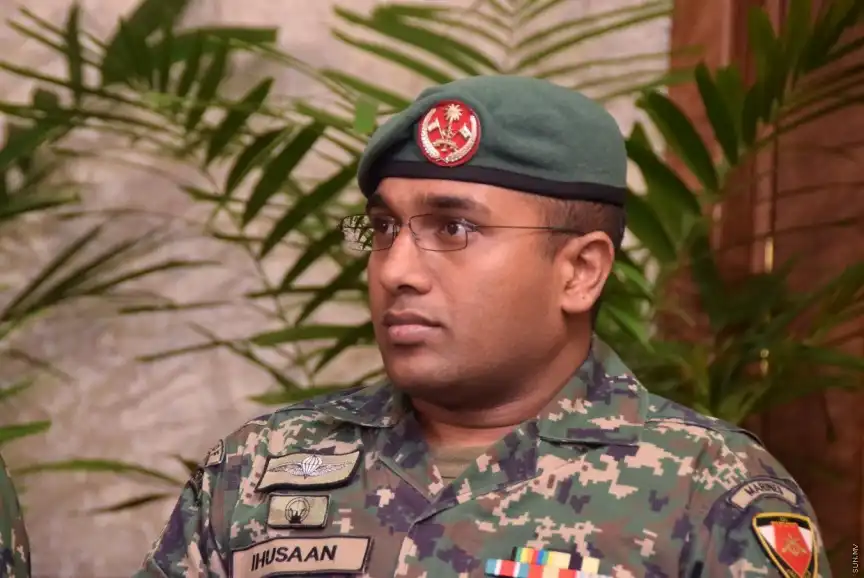
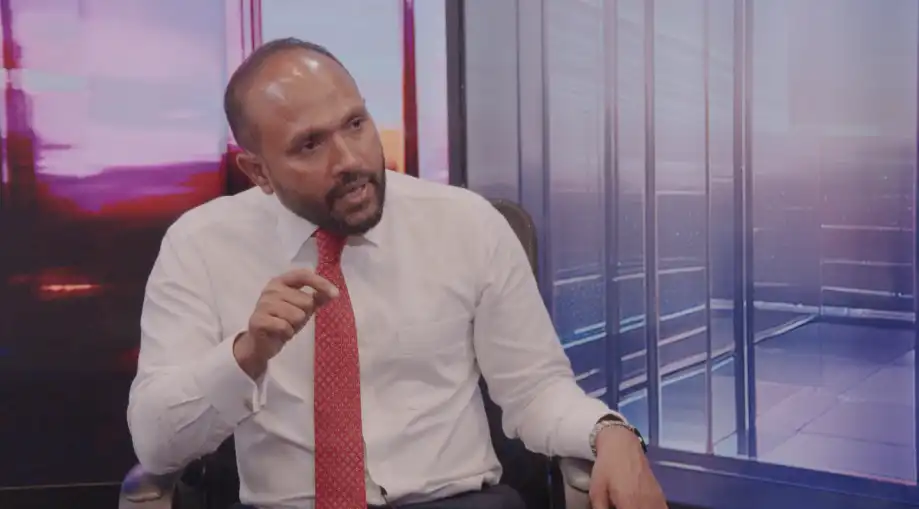
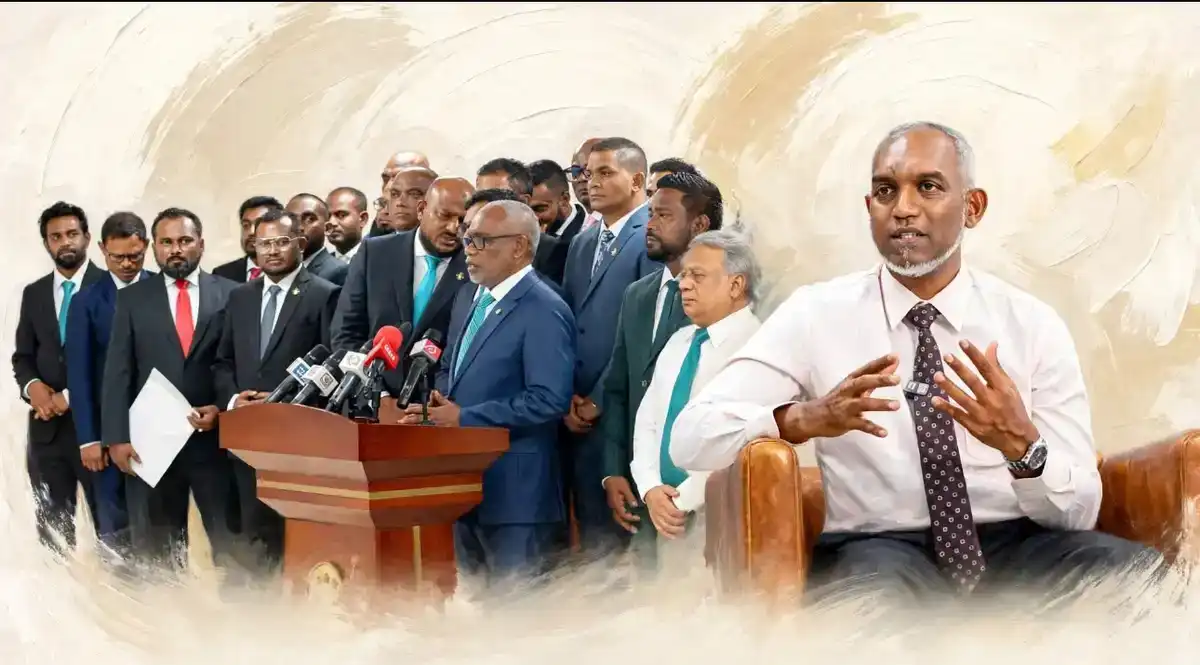
Minister of Homeland Security, Labour and Technology Ali Ihusaan | Raajje MV
A notable quiet has descended over Minister of Homeland Security, Labour and Technology Ali Ihusaan, prompting widespread scrutiny from observers who grew accustomed to seeing him operate at the very center of presidential power and cabinet activity.
Rather than exposing an ordinary political operator retreating into the shadows, this withdrawal reads to a large segment of the public as the mark of a genuinely principled and authentic figure. A critical examination of recent developments reveals precisely why such a perspective holds ground.
Ihusaan stands out as a notable servant of the state, uniquely backed by professional military training. The heavy weight of his service oath undoubtedly continues to govern his internal compass, setting him apart as the sole figure within the administration’s uppermost tier possessing deep military expertise.
Because of this background, he is almost certainly brooding far more intensely than his peers over the fragile climate currently gripping the country.
Known for drawing firm ethical boundaries and adhering to rigid personal standards when weighing governance, Ihusaan appears profoundly disturbed by the symbolic red lines that President Dr. Mohamed Muizzu has evidently chosen to breach.
On paper, the incumbent handed Ihusaan total control over national law enforcement, consolidating homeland security and public safety beneath his portfolio. However, behind this grand delegation of authority lies a reality where administrative mechanisms permit the incumbent to meddle inside individual security agencies.
While Ihusaan oversaw the drafting of legitimate policy frameworks, everyday citizens watched the incumbent visibly contradict and dilute the minister’s public stances concerning organized gang crime.
Ihusaan is also far from blind to the stalled fate of his orders demanding comprehensive inquiries and accountability inside Customs, which followed explosive revelations tying prominent narcotics rings to police intelligence and rogue border officials.
Adding salt to the wound, an independent agency tasked with handling Malé traffic congestion was abruptly created and handed to Maniu, deliberately organized to answer straight to Minister Saeed rather than homeland security.
When an effective, results-driven minister finds himself subjected to a relentless barrage of roadblocks and territorial encroachments and political strain, retreating into total silence becomes an inevitable defense. These indignities have not occurred in isolation; they represent an ongoing systematic pattern.
Whenever the regime’s credibility hung by a thread, Ihusaan served as the loyal vanguard, absorbing public hostility and standing on the frontlines.
When the incumbent suffered his most damaging personal blows, it was Ihusaan who stepped out to shield him, while influential allies like Speaker Abdul Raheem, PNC MP Falah or Minister Muththalib were nowhere to be found.
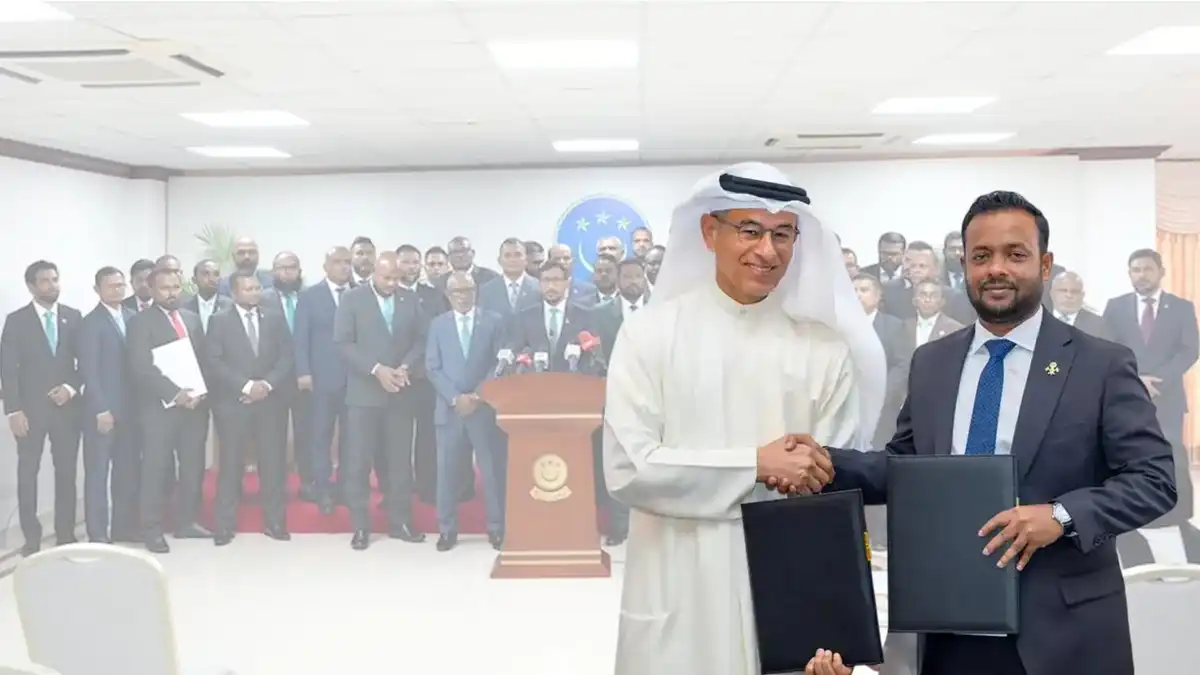
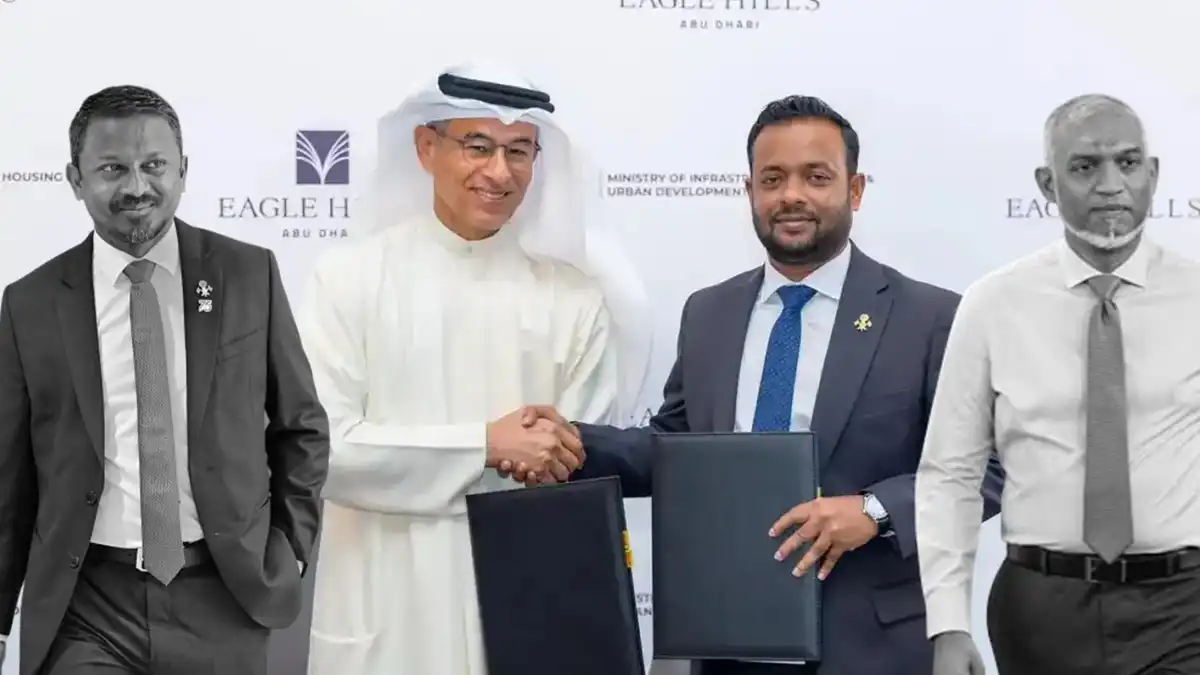
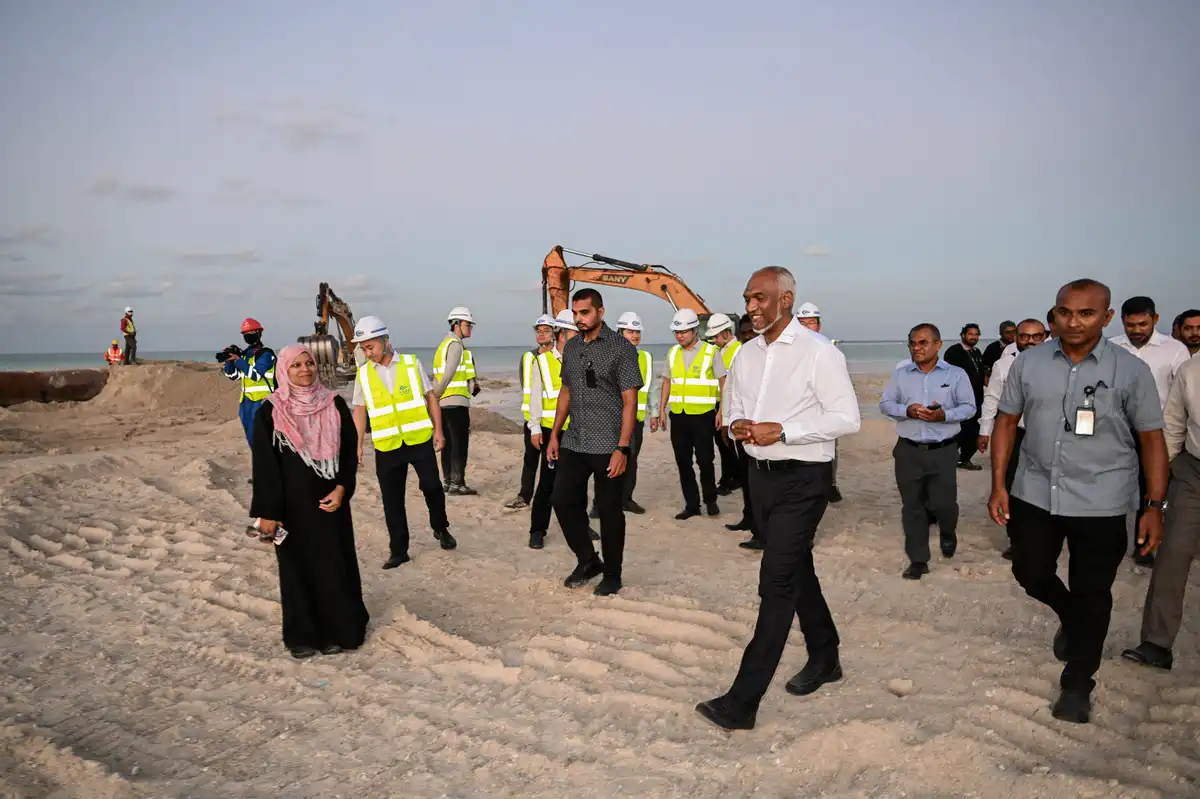
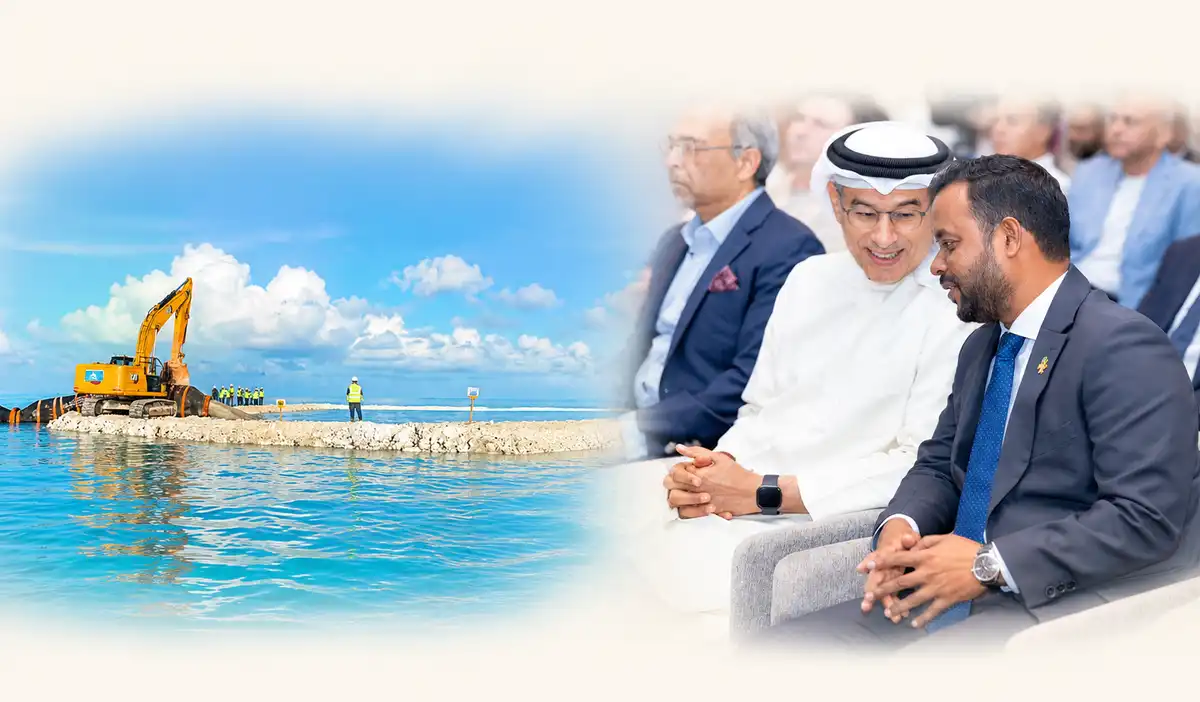
Beyond institutional infighting, Ihusaan is undeniably troubled by the dubious trajectory of the controversial Ras Malé venture. An individual of his background would never endorse maneuvers that jeopardize the territorial integrity or sovereignty of the Maldivian state.
For that reason, the urgent public plea to the minister is simple: do not permit any political maneuver that inflicts lasting harm or devastation upon this land.
Presidential mandates and cabinet appointments inevitably expire, but the nation endures.
In the end, one can only rely on the hope that the minister will honor the lifelong pledge he swore to the republic the moment he first donned a military uniform.