Pres. Muizzu’s dangerous vision of total control
11 ނޮވެމްބަރު 2026 | ބުދަ 12:40Public concern has intensified following the awarding of major projects in strategic locations of the Maldives to foreign corporations, alongside the appointment of high-ranking military officials to political positions. Many allege that these actions represent a calculated effort by the government, supported by influential foreign nations, to restructure the country’s governance system and consolidate permanent power
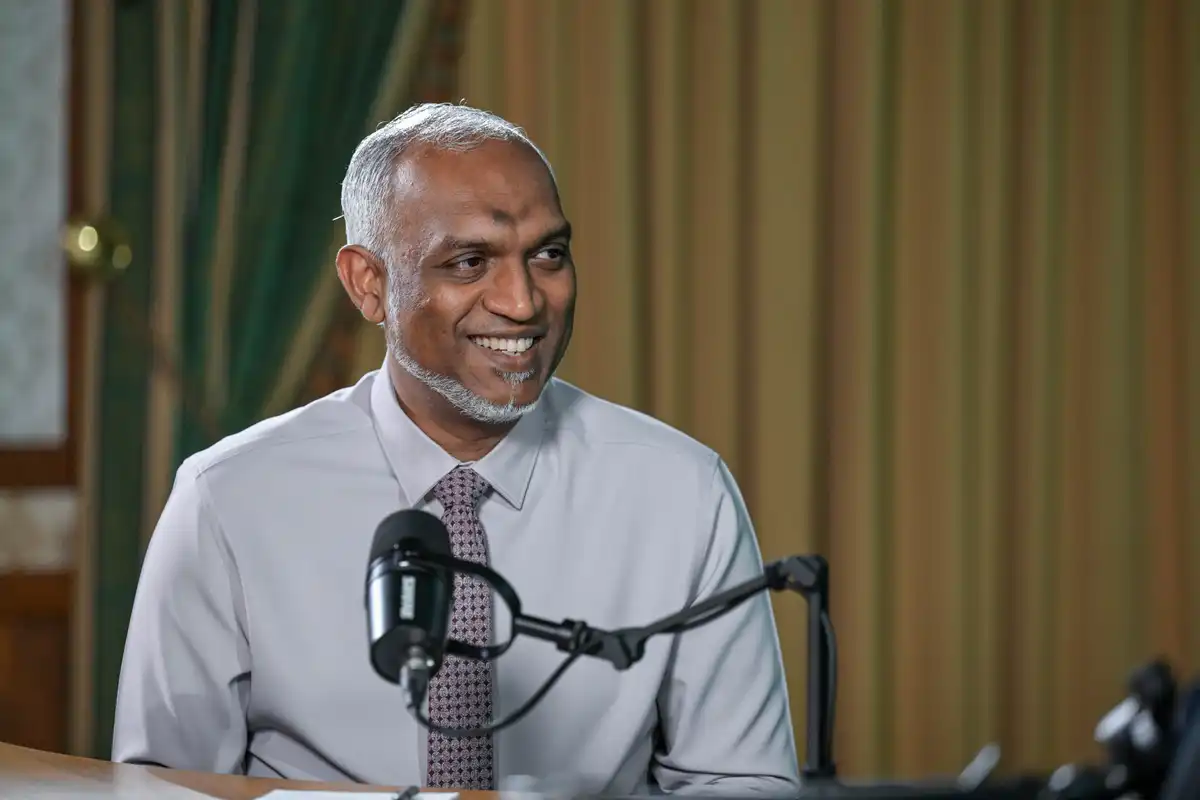
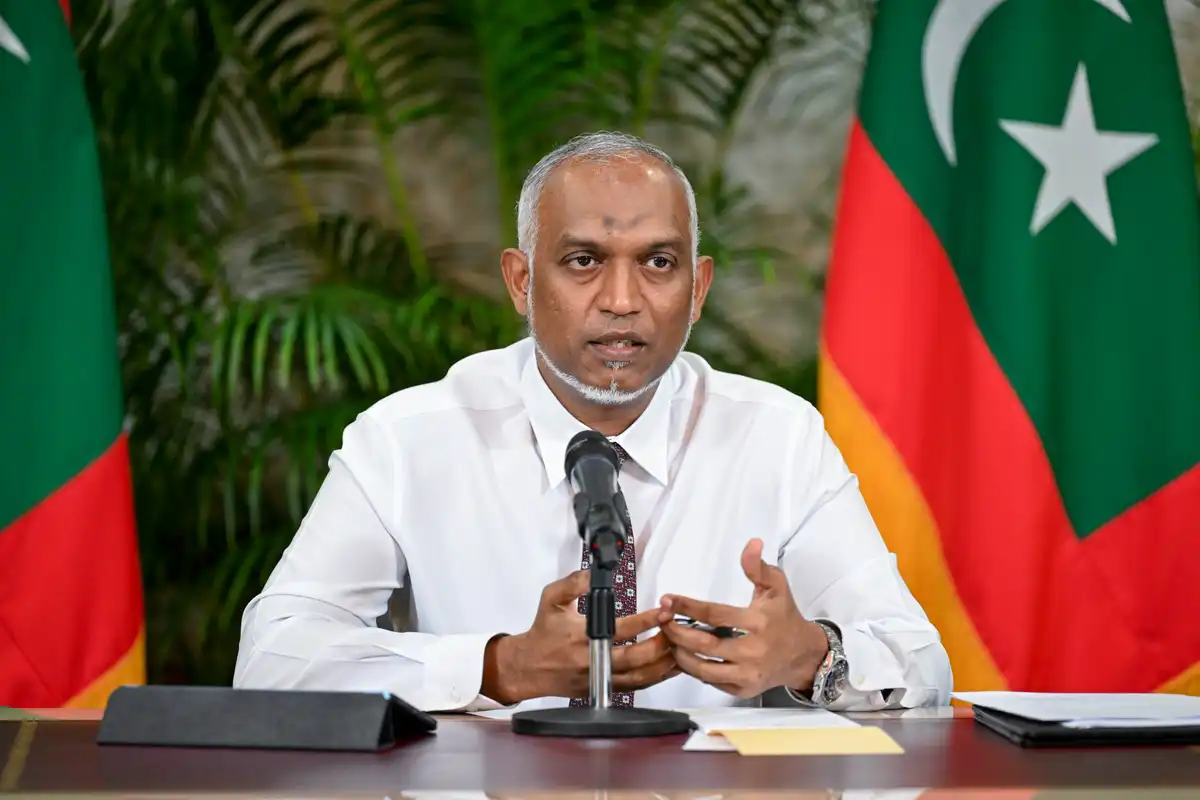
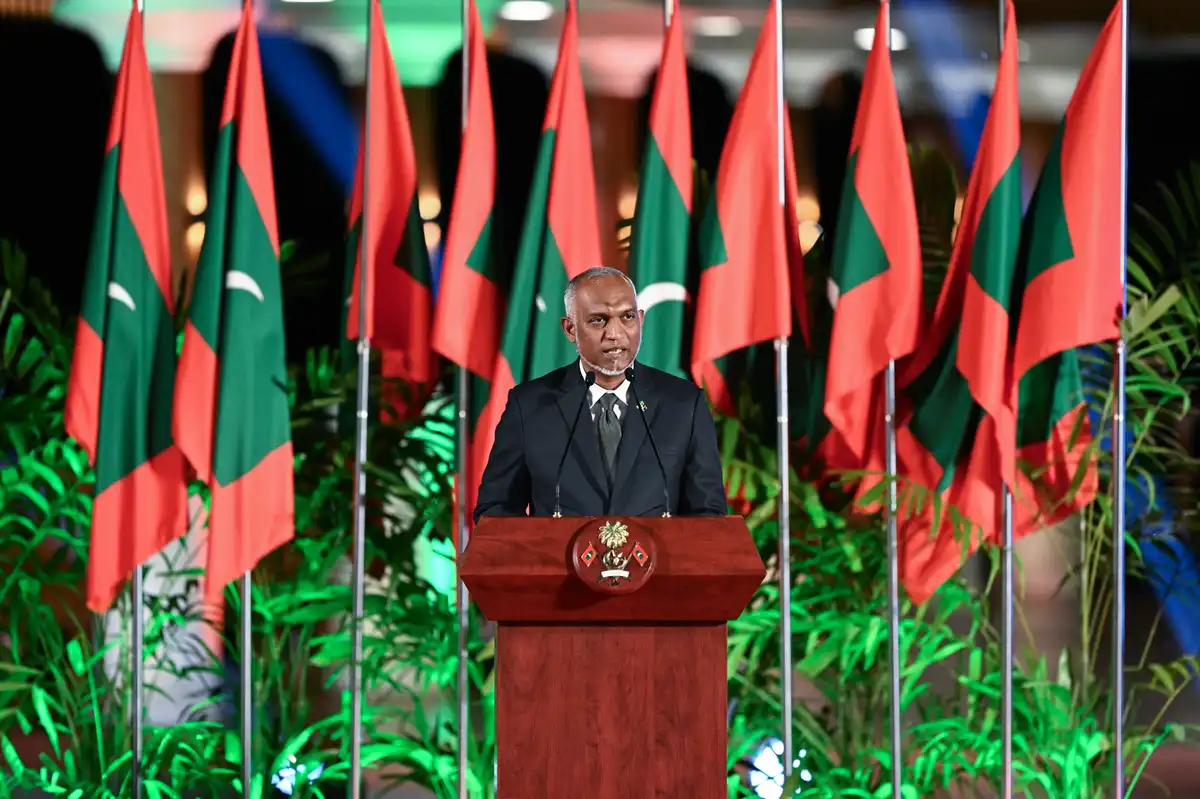
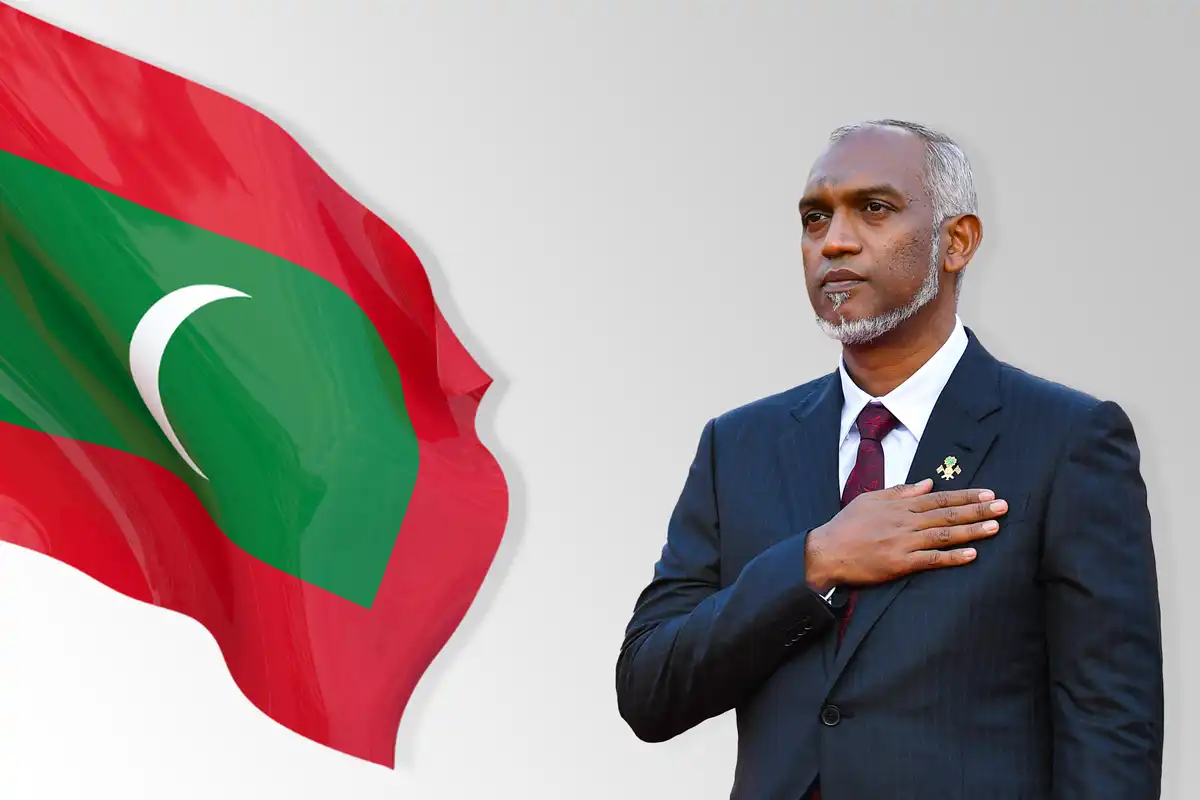
President Dr. Mohamed Muizzu | President's Office
An intimate confidant of the head of state might earnestly insist that President Dr. Mohamed Muizzu would never tolerate any detriment reaching the Islamic faith or the sovereignty of the Maldivian nation, while remaining unyielding against Zionist ideology.
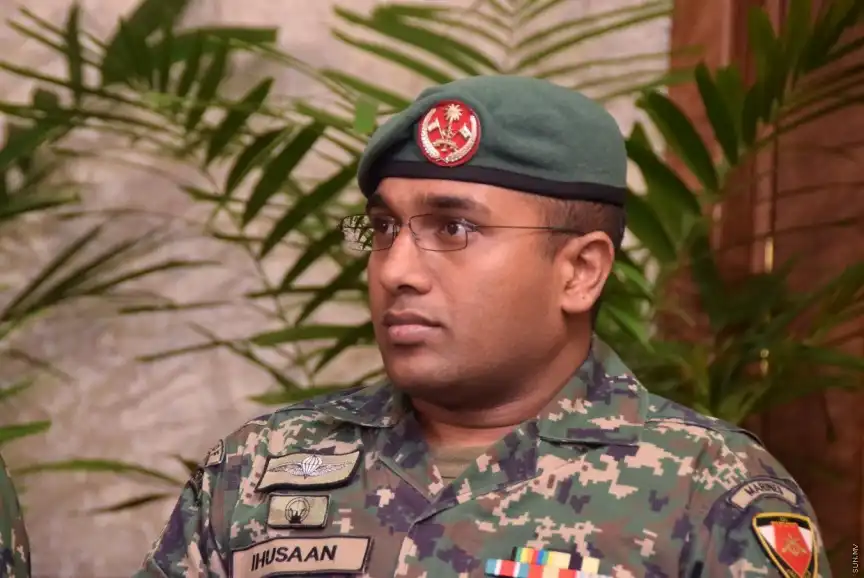
However, one must ask what reality is really taking shape on the ground. When former military personnel are systematically installed into pivotal state offices, what trajectory is being constructed?
Exploiting civil discord or street demonstrations for partisan advantage is an age-old political maneuver, but connecting these fragmented developments reveals a completely contradictory narrative.
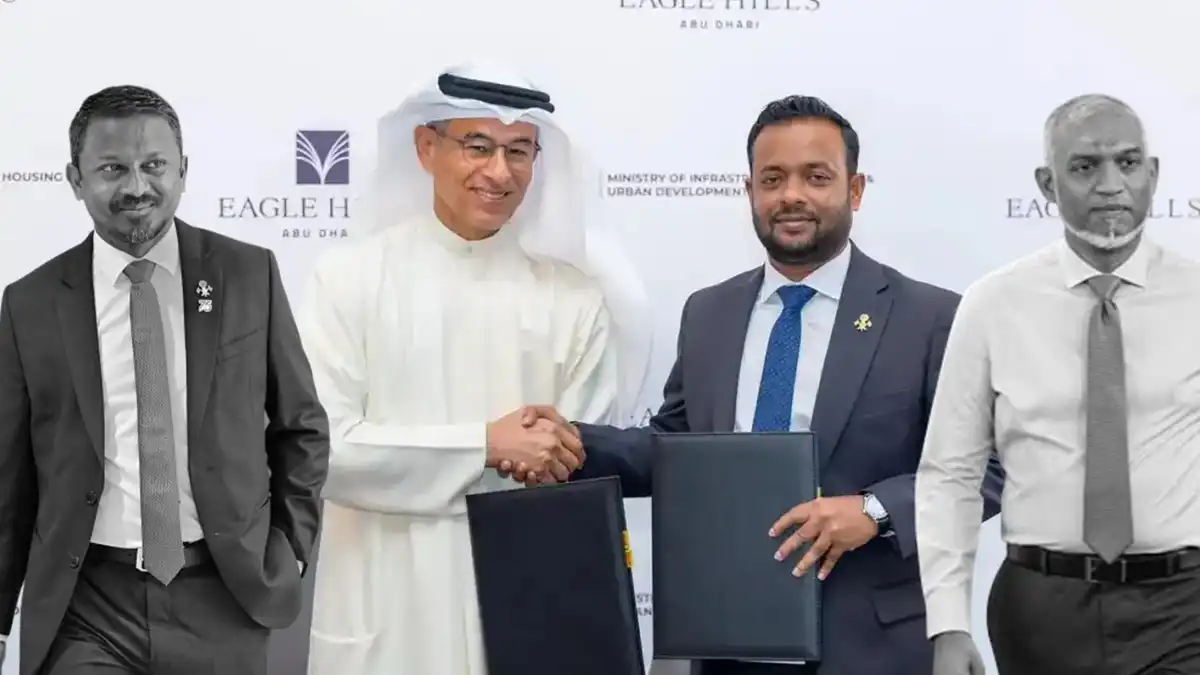
Scrutiny must be directed toward the foundational motives and ultimate intentions behind the massive Ras Malé scheme. Public anxiety surrounding this development is mounting, particularly regarding policies that permit external actors to own sovereign Maldivian territory, potentially triggering foreign settlement that undermines territorial integrity and religious cohesion.
Despite widespread apprehensions that national identity and Islamic values will be compromised, the administration pushes forward with this vast initiative, leaving observers to ponder its genuine purpose.
The governance models of nations like Saudi Arabia and Turkey and Pakistan are rooted in frameworks that entrench enduring, centralized dominance.
In a comparable manner, China operates through a philosophy of expanding central authority and embedding state control across every level of society. It stands to reason that the geopolitical agendas of these specific nations correspond seamlessly with sustaining Muizzu’s governance indefinitely.
Widespread skepticism surrounds the expansive commercial ventures and luxury island properties being orchestrated across the Maldives, the capital Malé and nearby waters by potent Turkish conglomerates.
Whispers persist that the development of the Maxx Royal Maldives property near the urban core is tied to a Turkish government minister, prompting sharp inquiries over the deployment of thousands of Afghan laborers on-site.
The congregation of insular overseas groups, reminiscent of tribal communities, in close proximity to the seat of government naturally raises suspicions. Concurrently, the transfer of the renowned Hankede venture in southern Addu City to a Turkish enterprise showcases an expanding footprint in the atolls. Meanwhile, the aggressive positioning of major Turkish commercial giants, including the Masfen Energy venture alongside ventures from Astas Holding, Tayyups Group, and Ayaydin Group, embeds their presence firmly around the capital perimeter.
Speculation is simultaneously escalating that the Chinese state is funneling tremendous political backing and financial resources into the president's camp. Observers point out that this administration relies on the leverage and funding of colossal entities like CRCC and CHEC.
Parallel moves to introduce China Pioneer Group into the Ras Malé reclamation, coupled with granting an extensive research land parcel on Kaashidhoo, further tighten Chinese leverage across the central region.
On top of this, negotiations reportedly contemplate transferring a significant tract at Ras Malé to China as a substitute for the 60 hectares previously earmarked for agriculture at Uthuru Thila Falhu.
These developments drive deep public skepticism regarding China's ongoing operations within the country's primary commercial harbor and Villimalé.
Whispers also swirl that Gulhifalhu is being positioned as a distinct strategic zone for Pakistan, a situation likely to show its true colors once work concludes on the cricket arena situated on the island.
At the same time, the massive capital ventures tied to Saudi Arabia appear tailored to grant the president complete political and economic shielding.
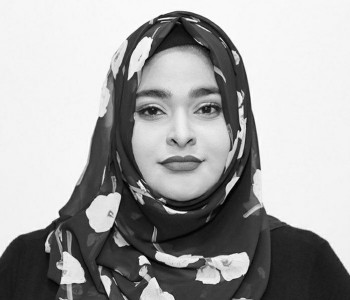
Political observers monitoring the local scene argue that Muizzu could leverage loyal allies like Zamzam Farish to undermine domestic peace. These commentators maintain that any manufactured instability could subsequently be weaponized to cement unchecked executive dominance for good.
Given that an open public vote offers no viable avenue toward permanent governance, speculation intensifies that unconventional strategies are being pursued to retain power without end.
These warning signs point toward staggering ambition that warrants acute vigilance. Neglecting to prepare and establish defenses right now could force the populace to endure severe repercussions down the road.
The traditional wisdom that preventing harm is vastly superior to seeking remedies could not be more relevant, making it an urgent obligation for all to act immediately to deter such perilous outcomes.