Resignations of Pension Office staff over bond transaction issues are a matter of concern: Faisal
23 ޖުލައި 2026 | ބުރާސްފަތި 18:12Former Vice President Faisal Naseem has expressed serious economic concern over the resignation of senior Pension Office officials following a 2.4 billion Rufiyaa bond transaction. Critics have warned that this move could drive up inflation and increase the value of the US dollar, further noting that the transaction contradicts the government's pledge to cease the practice of printing money.


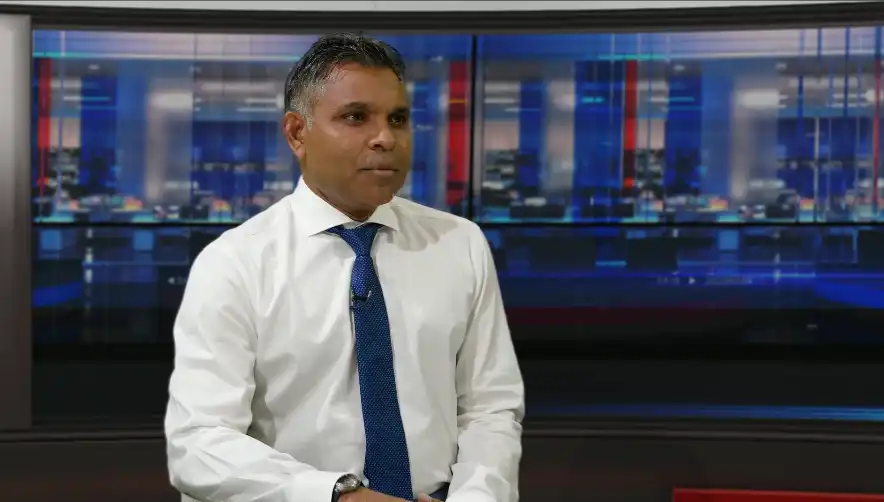
Former Vice President Faisal Naseem speaking during an appearance on RaajjeTV's "Fala Surukhee" program. | Raajje MV
Former Vice President Faisal Naseem has expressed concern over the resignation of Pension Office employees following a controversial bond transaction.
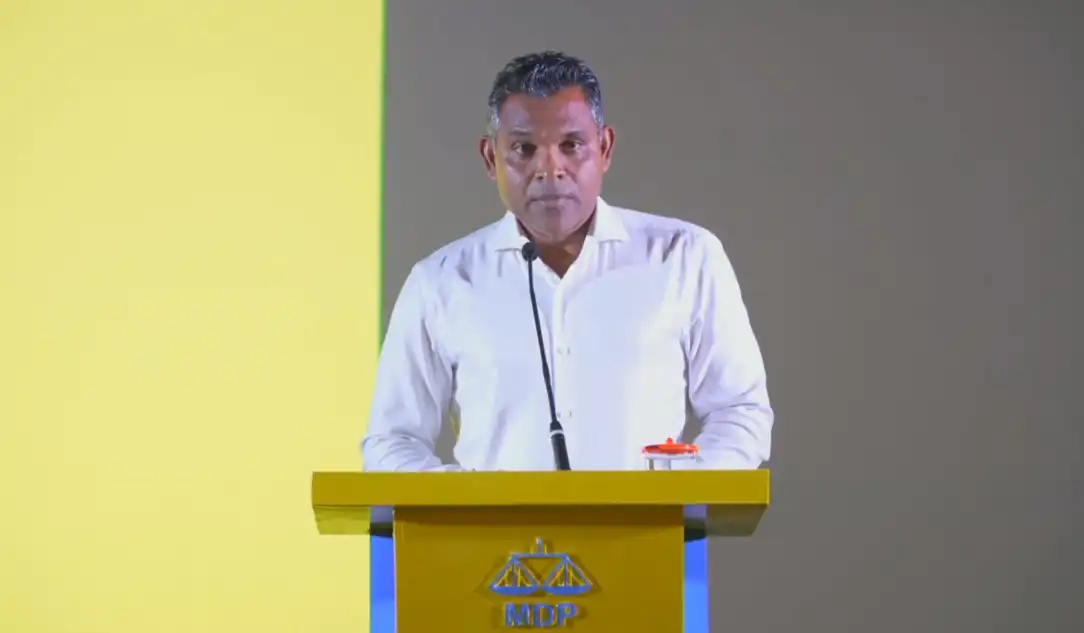
In a social media post, Faisal expressed concern over the recent wave of resignations at the Pension Office in protest of a bond transaction, noting that several employees had previously stepped down over the same issue. He emphasized that these resignations come at a time when many in the financial sector are voicing alarm over the government's efforts to proceed with money printing. He urged the government to reflect deeply on the situation and seek expert advice to stabilize and revive the struggling economy.
Faisal stated that as the nation's economic situation deteriorates daily, the decision to print 2.4 billion Rufiyaa will drive the dollar exchange rate even higher and cause commodity prices to skyrocket, leading to immense hardship for the general public. He further urged the authorities to prioritize sound judgment and work strategically toward economic recovery, rather than resorting to such measures.
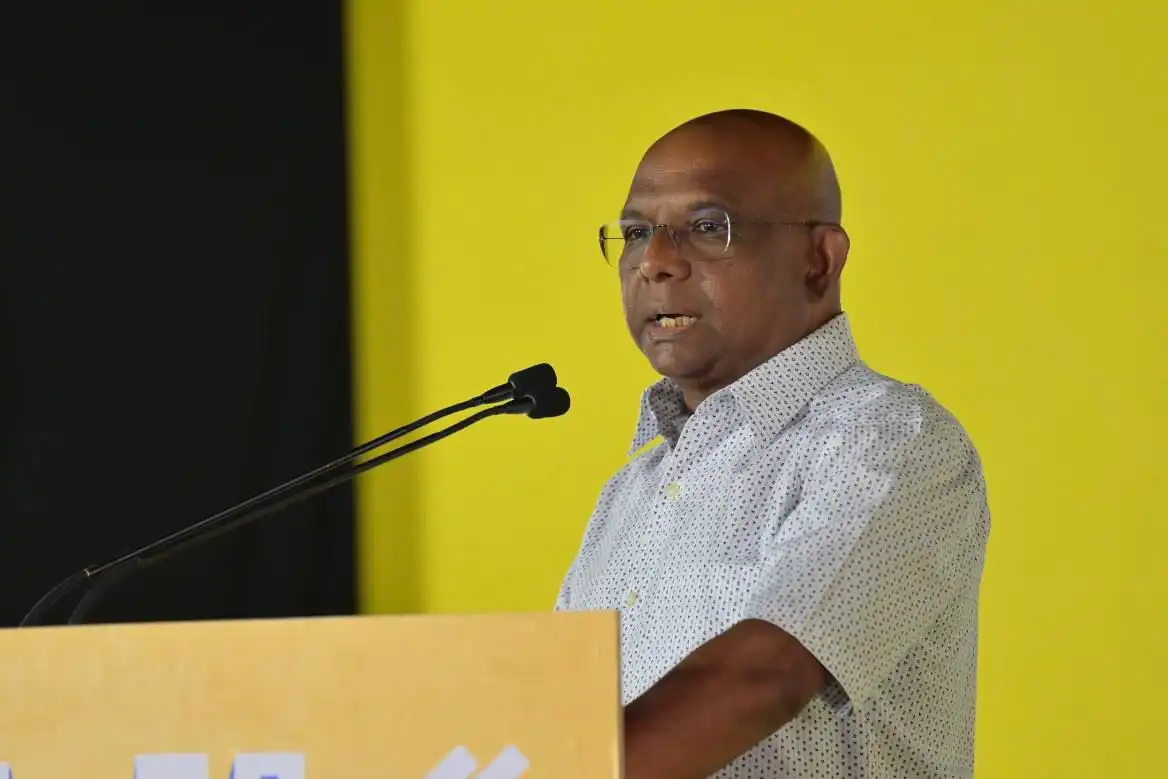
In addition to Faisal, former Foreign Minister Abdulla Shahid has also expressed grave concern over the government's decision to print money. Shahid stated that investing in government T-bills is equivalent to direct money printing, which he warned would drive up inflation and further devalue the Maldivian Rufiyaa. He added that this move would exacerbate the dollar shortage and lead to an unprecedented surge in exchange rates. Shahid further asserted that printing 2.4 billion Rufiyaa—disregarding the ongoing wave of resignations among the Pension Office's board members and senior staff—is an act that jeopardizes the future of the citizens and threatens to dismantle the nation's entire financial system.
Economic experts continue to express concern over the government's economic decisions, urging a reversal of current policies. In a related development earlier today, the Pension Office’s Head of Investment, Haifa Ahmed, along with two other senior management officials, resigned from their posts. While the Pension Office has not officially disclosed the reason behind the sudden departure of these three employees, it has been confirmed that the resignations are linked to the recent bond purchase transaction.
In connection with this matter, the CEO and CFO of the Pension Office, along with the Board Chairperson and several board members, have previously resigned from their positions. Amidst escalating tensions surrounding the issue, the management today issued a memo warning that any employees who disclose information related to the matter will face dismissal. According to reports, despite widespread public concern, the newly appointed board and leadership of the Pension Office are moving forward with final efforts to conclude the transaction later today.
The resignation of three senior employees from the Pension Office comes amid reports that final preparations are underway to execute a controversial transaction initiated last year. This deal involves liquidating 2.4 billion Rufiyaa worth of T-bills held by the Pension Fund to reinvest in long-term government bonds, a move that serves as a clear indication of public dissatisfaction with the government's economic policies.
President Muizzu assumed office with a pledge to cease the printing of money; however, his current actions stand in direct contradiction to the commitments he made at the time.