Pakistani Chef Abid Convicted of Intentional Homicide
15 ޖުލައި 2026 | ބުދަ 13:50The Criminal Court has found Pakistani chef Muhammad Abid guilty of the intentional murder of a waiter at Khanji Restaurant in Hulhumalé. Although Abid claimed he acted in self-defense, the presiding judge ruled that the evidence clearly demonstrated the attack was carried out in a lethal manner intended to cause fatal harm. Consequently, the court has formally convicted him of the murder charges.


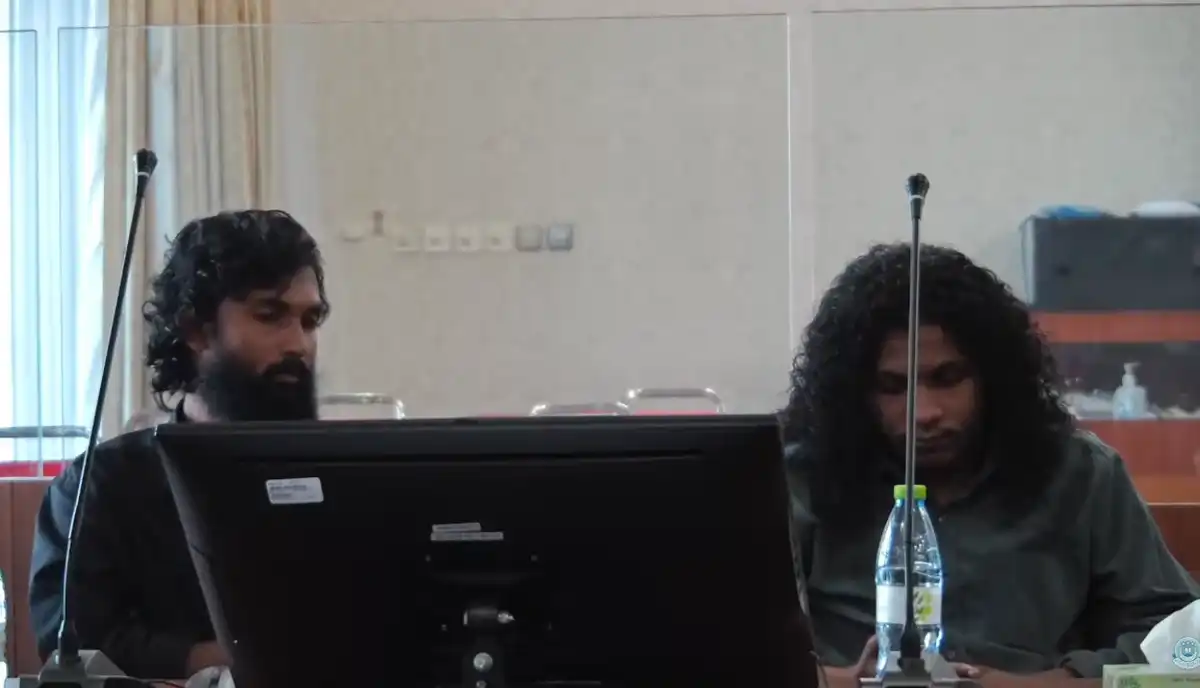
Muhammad Abid, a Pakistani chef accused of the assault and murder of Shamim, a Bangladeshi waiter. | RaajjeMV
The Criminal Court on Wednesday held a hearing in the trial of Muhammad Abid, a Pakistani chef accused of the fatal assault on a Bangladeshi waiter at Khanji Restaurant in Hulhumale.
Judge Ahmed Shafeeu is presiding over this case at the Criminal Court.
Wednesday's hearing was held to reach a final decision on the matter.
Abid has been charged with the intentional murder of an individual using a sharp object. He has pleaded not much guilty to the charge. According to Abid, he swung his hand in self-defense during an altercation with the cook. He claims that he was unaware he was holding a knife at the time and maintains his innocence against the charge of intentional murder.
Abid did not present any witnesses for the defense in this case. However, the prosecution did present evidence. The testimony of these witnesses was recorded prior to the commencement of the trial. This procedure was followed at the request of the state, as the majority of the witnesses involved in the case are Pakistani and Bangladeshi nationals.
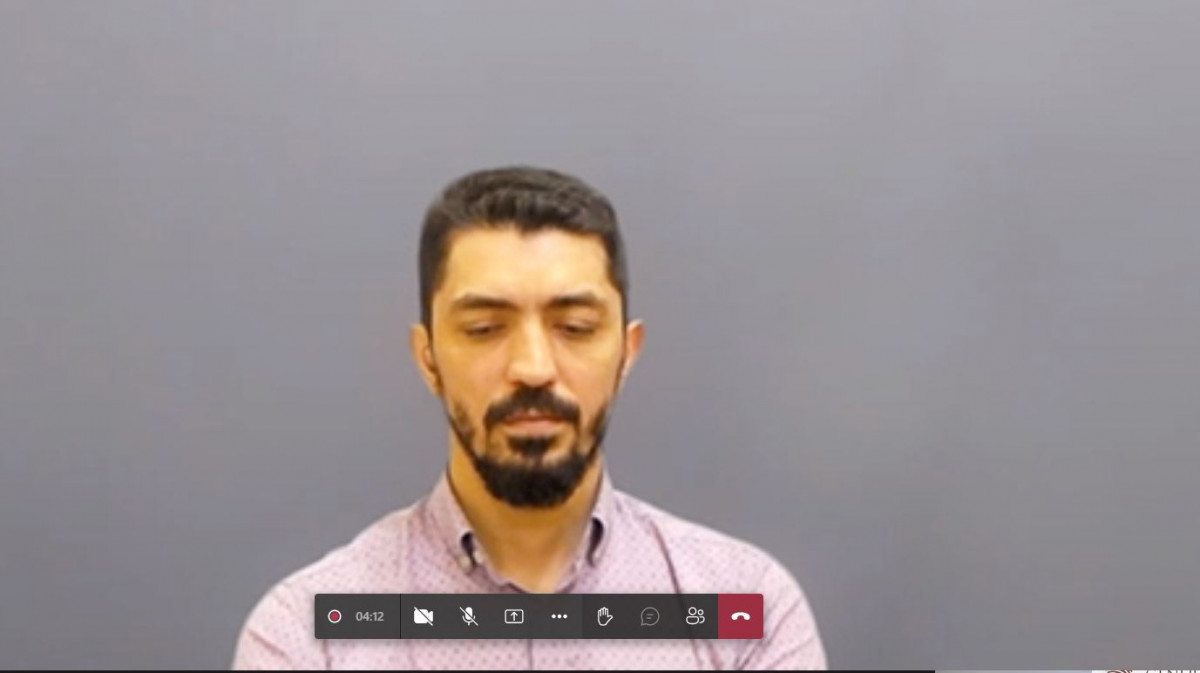
Muhammad Abid, a Pakistani chef accused of the assault and murder of Shameem, a Bangladeshi waiter. | RaajjeMV
Several prosecution witnesses in this case were unable to provide testimony, including the physician who prepared the death summary report. However, the court has granted evidentiary weight to the reports prepared by these witnesses.
The presiding judge stated that although the prosecution considers Abid’s statements during the investigation and in court to be a confession, they cannot be legally regarded as an admission of guilt to the charge of intentional murder. The judge noted that throughout his statements, Abid maintained he had no intent to kill. However, the judge further clarified that while the statements do not constitute a formal confession to the specific charge, they are sufficient to be considered a legal admission of his actions.
The presiding judge stated that although the defendant claimed there was no intent to kill, the nature of the act was such that any reasonable person could foresee it resulting in the loss of life. The judge further noted that this conclusion is supported by witness testimonies, which confirmed that the defendant carried out the attack using a knife in a fit of rage.
The judge further stated that the claims made by the defendant regarding acting in self-defense appeared to be a "fabricated" and imaginary scenario of his own creation.
The presiding judge ruled that the charge of intentional murder against him has been proven beyond a reasonable doubt. Consequently, the next stage of the proceedings will involve verifying the identity of the legal heirs and recording their statements.