Pres. Muizzu’s toothless threats disintegrate against Nasheed’s defiance
6 ޖުލައި 2026 | ހޯމަ 01:58Muizzu is facing criticism for attempting to suppress opposition rallies by threatening to withdraw state protection from former presidents. Despite government efforts to distract the public with state events and mandatory work hours, citizens and rival leaders remain undeterred. Former President Nasheed openly defied these warnings, asserting his right to protest. This resistance highlights the failure of the administration's intimidation tactics.

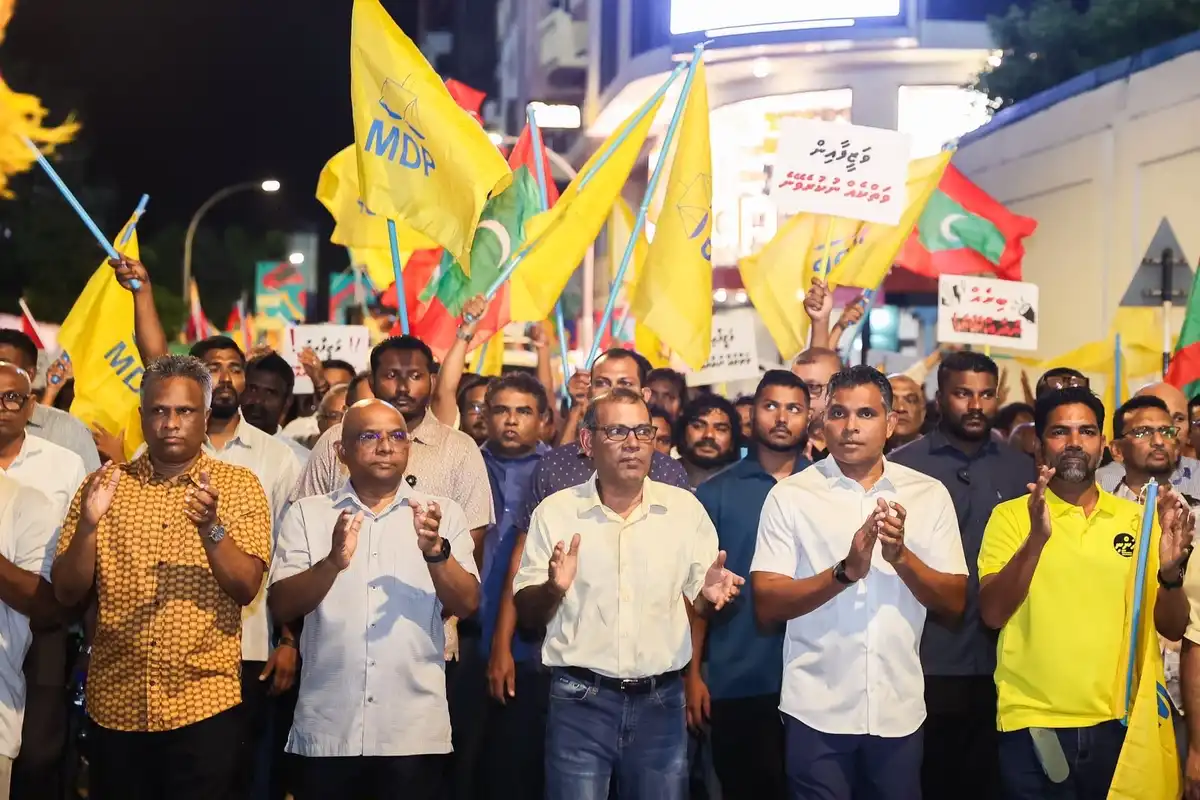
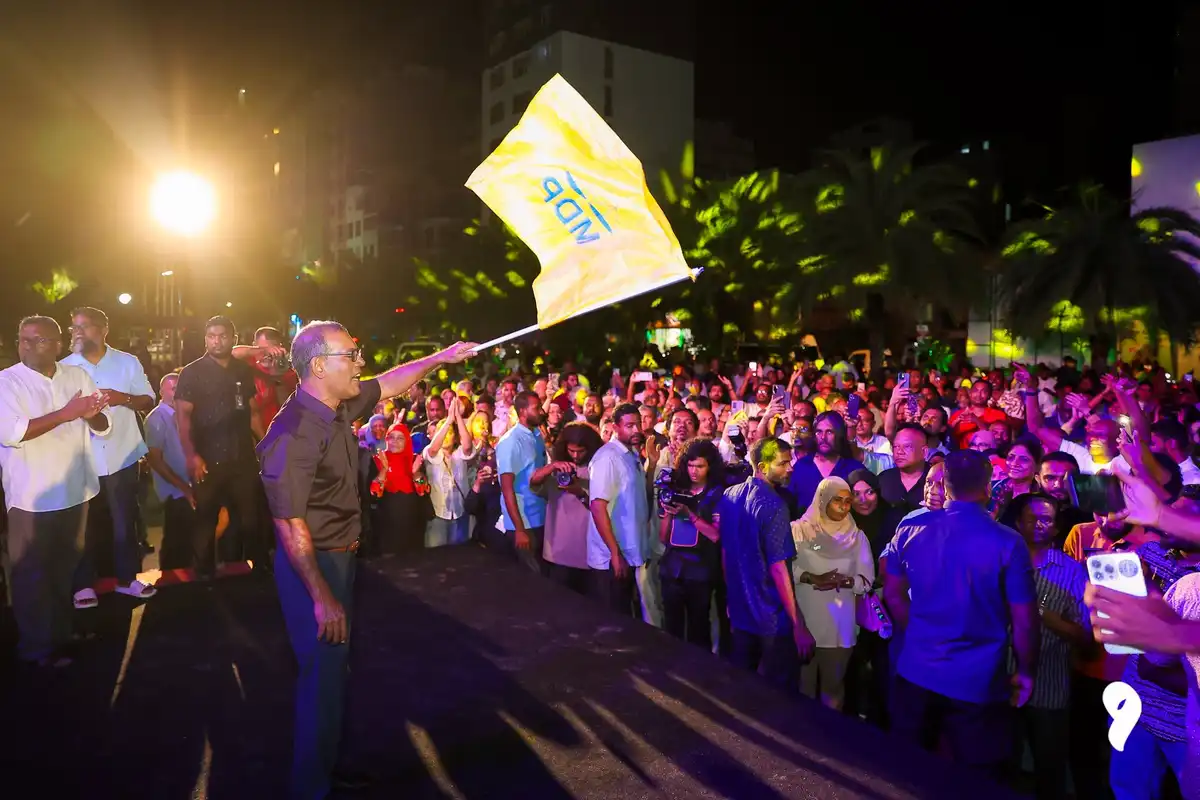
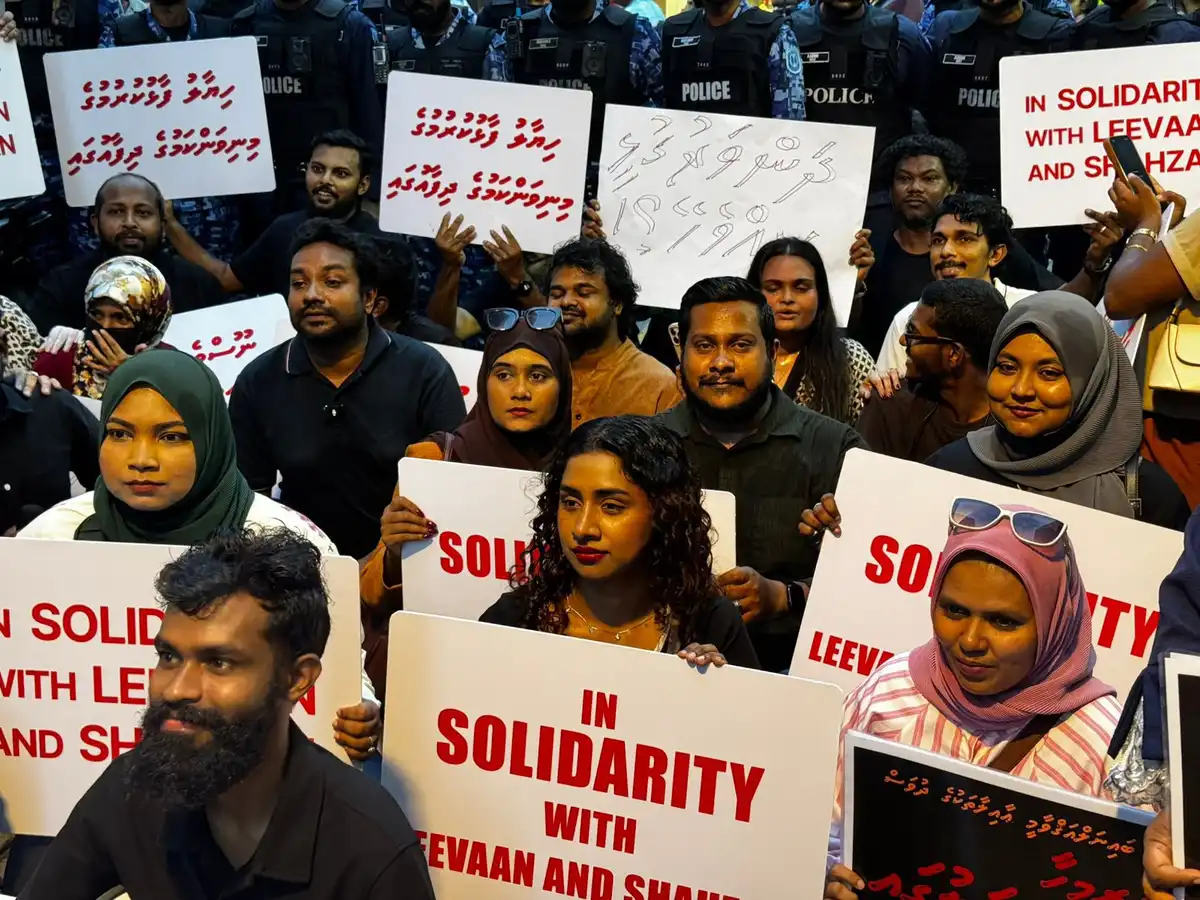
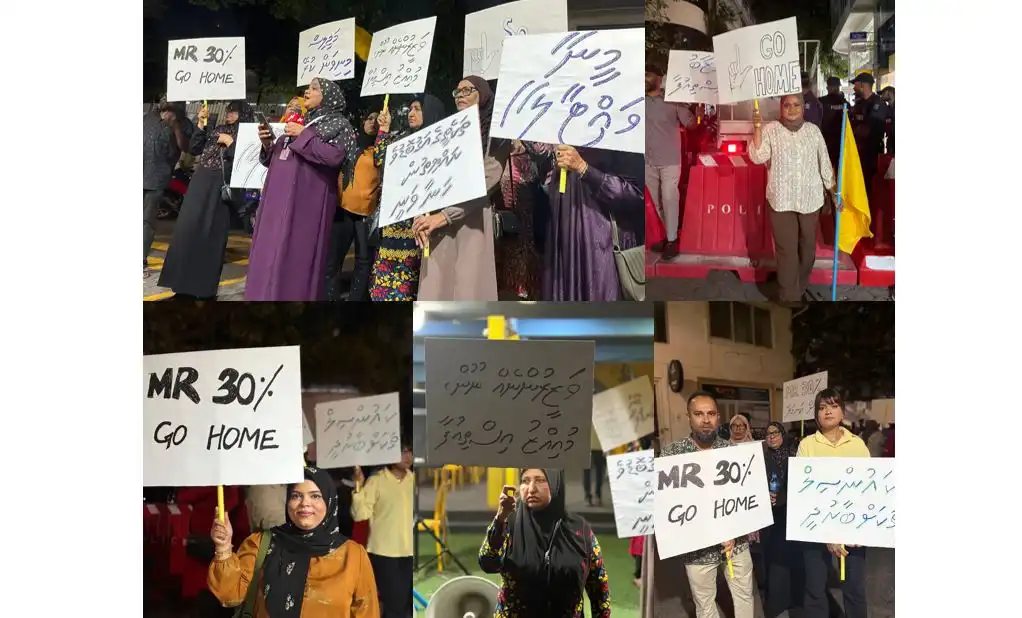
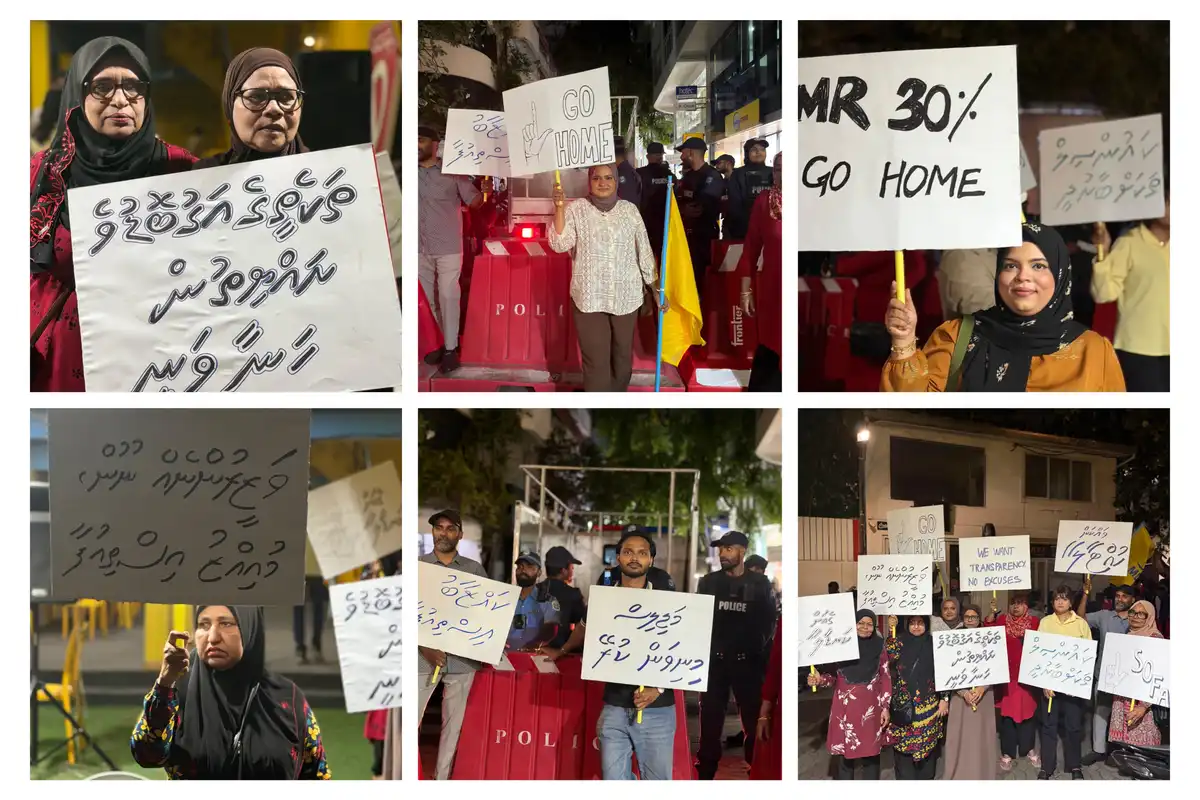
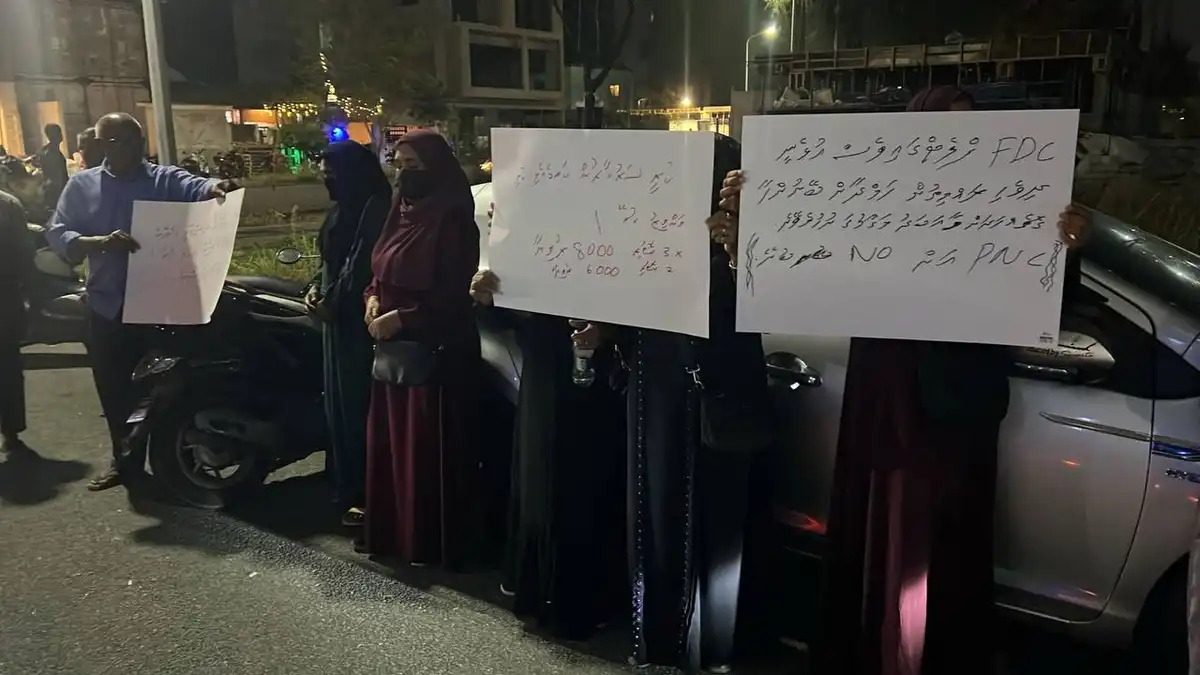
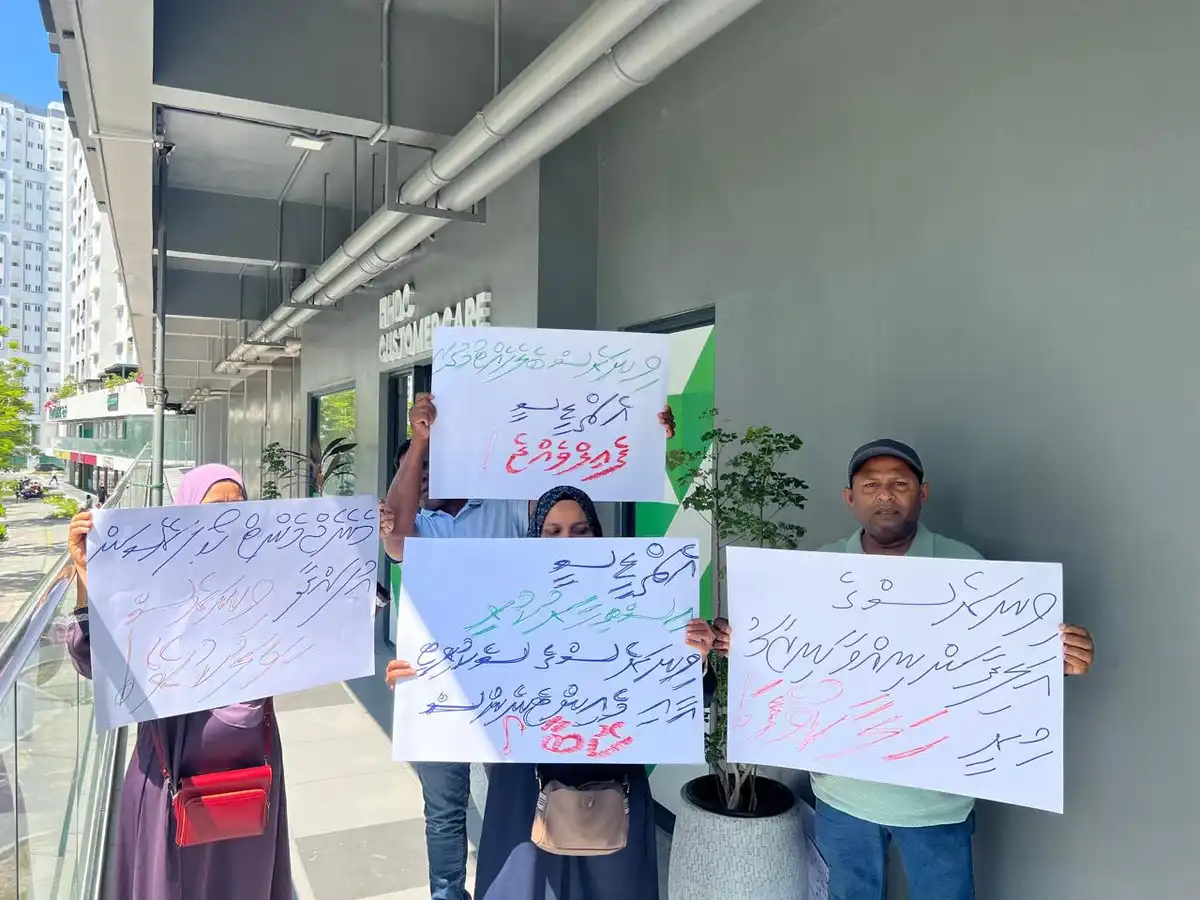
Former President and MDP Chairperson Mohamed Nasheed, along with senior party leadership, participating in the "Employment Thursday" protest. | MDP
In the modern political arena, crushing the voice of dissent is no longer a walk in the park. The bygone era where political bullying could effortlessly force the public into submissive silence has officially expired.
Those dark days when administrations could successfully block citizens from assembling or marching by dangling the threat of legal repercussions or deploying direct interference are now nothing more than an ancient memory.
Master plan of an out-of-touch administration
However, President Dr. Mohamed Muizzu, an individual who really ought to understand this fundamental truth, appears determined to breathe new life into these dated tactics.
Strikingly early in his presidential tenure, he has already fallen back on mechanisms designed to choke out the opposition’s capacity to demonstrate. His main goal seems to be the creation of roadblock after roadblock to guarantee that rival political figures cannot stand alongside the public during these open rallies.
The exact scare tactic that Muizzu tried to unleash was the warning that the administration would strip away state-funded protection details from former heads of state if they dared to take part in public demonstrations.
In his own mind, this was undoubtedly a brilliant piece of chess, a cold and calculated maneuver designed to scare former Presidents Abdulla Yameen Abdul Gayoom, Ibrahim Mohamed Solih, and Mohamed Nasheed into staying far away from the pavement.
Tutorial on failed distractions
Even so, there is a gaping flaw that Muizzu’s master plan completely overlooked. Despite his desperate bids to throttle the attendance numbers at rival rallies, his carefully laid traps have collapsed one after another.
It apparently did not matter that the government orchestrated official fishing excursions, public musical performances, or athletic tournaments at the exact times of the demonstrations.
It did not even matter that they enforced mandatory extra hours at state bureaus just to keep an eye on employee attendance logs. None of these petty maneuvers managed to inject panic into the populace or shrink the crowds showing up at these rival assemblies.
Selective amnesia in the halls of power
On top of that, there is a much deeper truth that Muizzu has either missed entirely or willfully blinded himself to under the intoxicating influence of governance. He appears to have completely wiped from his memory the legacy of the initial rallies held by the main opposition Maldivian Democratic Party (MDP), specifically that historic first gathering at the Artificial Beach and the relentless hurdles erected to block island residents from traveling into the capital city.
Back then, citizens literally swam through ocean currents just to set foot in Malé City, and even when confronted with a literal mock funeral staged for their party, they packed the Artificial Beach to maximum capacity anyways.
Ever since those foundational days, the nation has seen massive demonstrations where everyday citizens stood unwavering against clouds of tear gas and burning pepper spray, flatly denying the state a retreat.
Women stood face-to-face with high-pressure water streams from riot cannons without showing a single trace of fear. The dread of such heavy-handed tactics evaporated a long time ago, and the contemporary energy animating the public cannot be easily shattered.
The supreme irony, of course, is that the very same rallies Muizzu himself orchestrated while sitting in the opposition, the very ones he used as a ladder to climb into ultimate authority, were built entirely on the backbone of the bravery forged during those exact historical struggles.
Bluff that snapped instantly
When the dust settles, Muizzu’s desperate attempt to cool down the public's passion for activism or isolate rival figures using these warnings carries absolutely zero logical weight.
The ultimate proof of this reality is the immediate blowback from former President Nasheed, a primary architect of the historical fight for assembly rights and a chief target of Muizzu’s warning shot. His ultimate answer, which was loudly mirrored by the entire MDP high command, was completely unyielding.
Nasheed made it publicly known that he intends to stand shoulder-to-shoulder with the demonstrators, totally indifferent to whether his official bodyguards are taken away or not.
He firmly noted that he rejects the idea that anyone in the country could possibly think they have the power to block him from stepping onto the pavement through basic intimidation tactics, promising that such a shutdown will never happen and that he will absolutely be present on the outside.
Through a calm but utterly rigid posture, Nasheed effectively checkmated Muizzu’s play, delivering a clear message that the administration possesses no power to block his path using these avenues.
This reaction shines a bright light on just how empty the current administration's warnings truly are, proving that the gamble at intimidation dissolved into absolute failure the exact second it left the president's mouth.