How the Muizzu regime trashed our hard-won freedoms for party payoffs
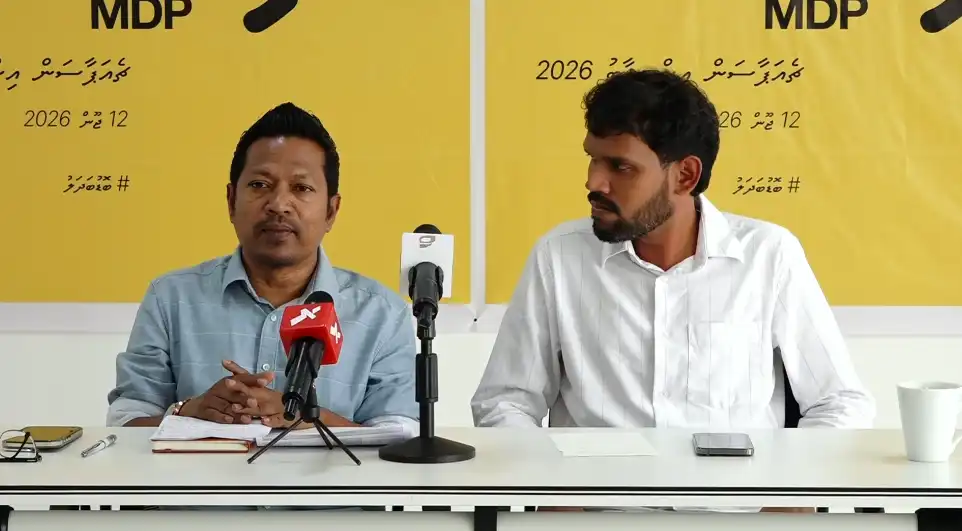
18 ޖޫން 2026 | ބުރާސްފަތި 11:20MDP is leading a new wave of protests to combat a perceived return to tyranny and economic hardship under the current administration. Critics argue that the government has seized control of the judiciary and media while citizens face rising costs and job insecurity. The opposition is now mobilizing the public to reclaim constitutional freedoms and social protections established during the country's original reform movement.

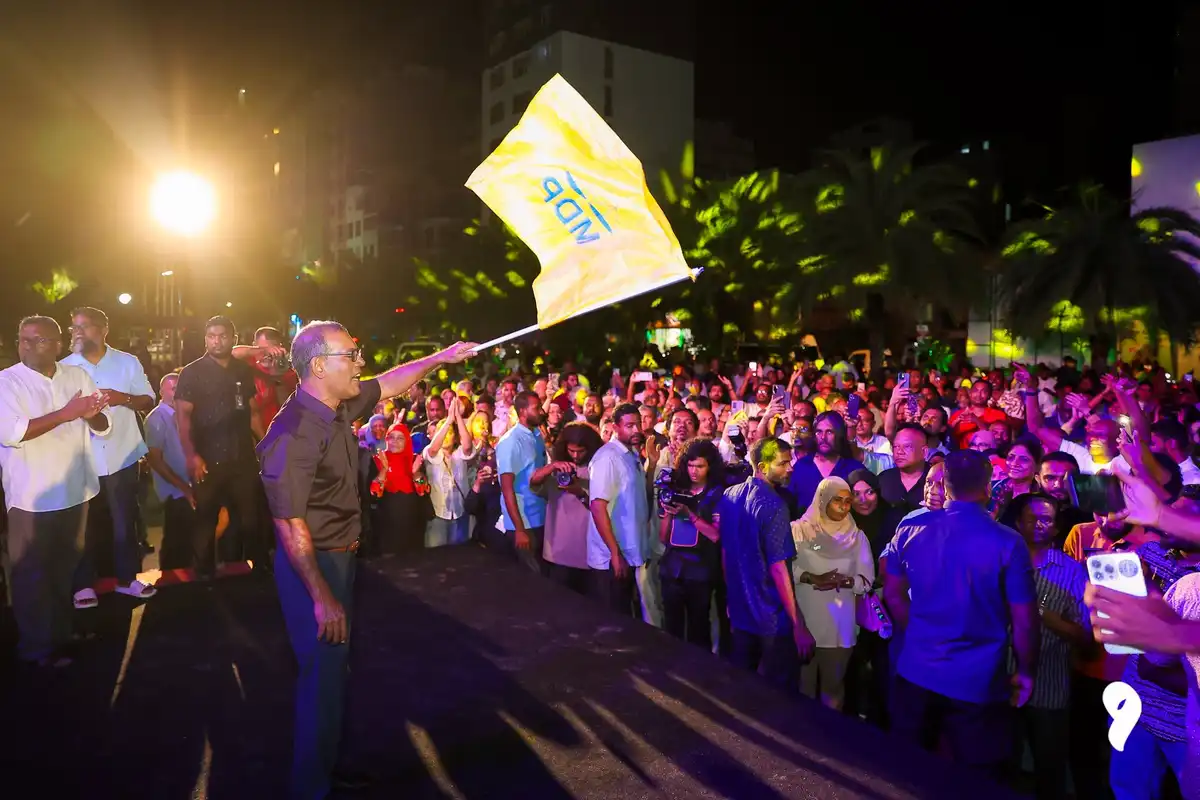
Former President Mohamed Nasheed pictured with the MDP flag during an event held to celebrate his victory in the recent MDP Chairperson election. | Viraasee
Remember when citizens used to talk in hushed whispers?
It is worth looking back at the genesis of the reform movement, an era when political discourse was a dangerous game played in absolute secrecy inside private residences, shared strictly with trusted peers or organized by exiled dissidents overseas.
In those days, the overarching anxiety was tangible, the constant threat of being detained, stripped of your livelihood or thrown into a cell merely for speaking your mind or associating with the wrong crowd.
Heavy price of broken shackles
It was only by conquering that paralysis that the public finally revolted and nobody can deny that the Maldivian Democratic Party (MDP) was the mastermind behind that entire shift.
The transition to a multi-party system was built on the backbreaking labor of the party's leadership and the painful sacrifices of everyday people.
Careers were destroyed, commercial enterprises went under, families were pushed to the fringes of society and a great many individuals survived state-sponsored torture in prison cells.
Even so, that stubborn and unyielding fight actually forced reality to change.
Abruptly, administrations and politicians had no choice but to pay attention to the public.
They realized that securing power required making grand vows and keeping that power or chasing reelection meant they actually had to deliver on them.
Because of that struggle, free healthcare through the Aasandha system became an entitlement, parents were spared the financial stress of buying textbooks and the state took over the bills for GCSE examinations.
Social safety nets were established to look after senior citizens and to keep single parents from sinking into financial ruin.
These milestones stand as the undeniable trophies of that original rebellion.
A constitutional mirage
To prevent future regimes from wandering off track, the Constitution of the Republic of Maldives was rewritten to protect the rights to free speech, expression and peaceful gathering.
It became far more difficult for the state to slap citizens with terrorism or sedition charges just for holding an opinion and a brand-new environment emerged where reporters could actually do their jobs without handcuffs waiting for them.
The relapse into tyranny
Fast forward to the present day and that old, familiar dread is creeping right back into the Maldivian psyche.
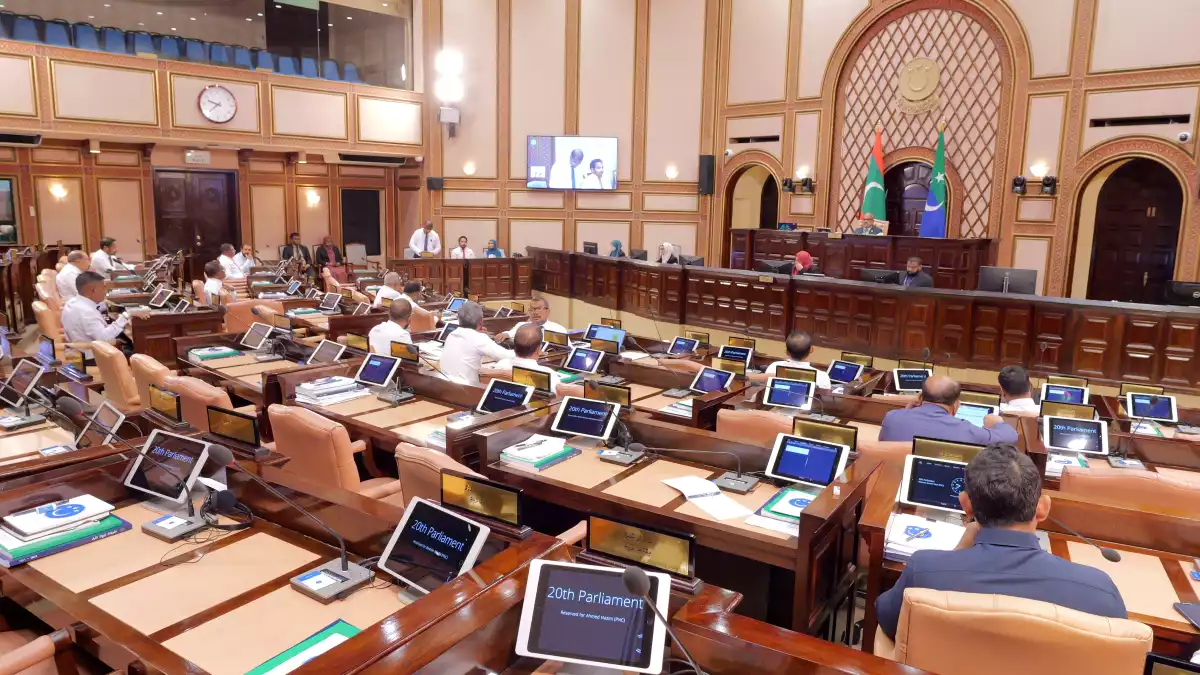
The rot is starting at the very top with the Members of Parliament. The individuals elected to be the voice of the public have instead been house-broken by the president, leaving the legislative majority completely stripped of the independence needed to defend the rights of voters or look out for the national interest.
Not content with just owning parliament, the president has also seized control of the judiciary and supposedly independent watchdogs, pulling their strings entirely at his own whim.
Naturally, the public has been plunged into a mix of bewilderment and hopelessness. While the national treasury is completely drained to fund cushy political roles for loyal party sycophants, ordinary citizens have been pushed into a brutal financial corner where surviving from day to day is nearly impossible.
The value of the U.S. Dollar has climbed to catastrophic highs, which has triggered a massive spike in the cost of everyday commodities and basic monthly utility bills.
For civil servants and government workers, any sense of job security has completely evaporated, replaced by permanent anxiety.
People are now genuinely terrified that a single critical comment or even an innocent double-tap on a social media post could cost them their careers.
At the same time, the state has used financial leverage to buy off a massive chunk of the press.
The state-run broadcasting channels and government-subsidized digital publications offer nothing but a unified echo chamber, while the handful of brave reporters who still attempt to expose reality are met with threats of jail time.
Step by step, media freedom is being suffocated.
The battle for the horizon
Trapped in this nightmare, the population is desperate for a force to confront these injustices.
Recent public outcries make it blindingly obvious that the nation is heading down a destructive path.
Consequently, eyes are turning back to the opposition MDP to take charge, under the belief that proper disruption can only be sparked by their brand of political defiance.
The public is demanding a clean slate.
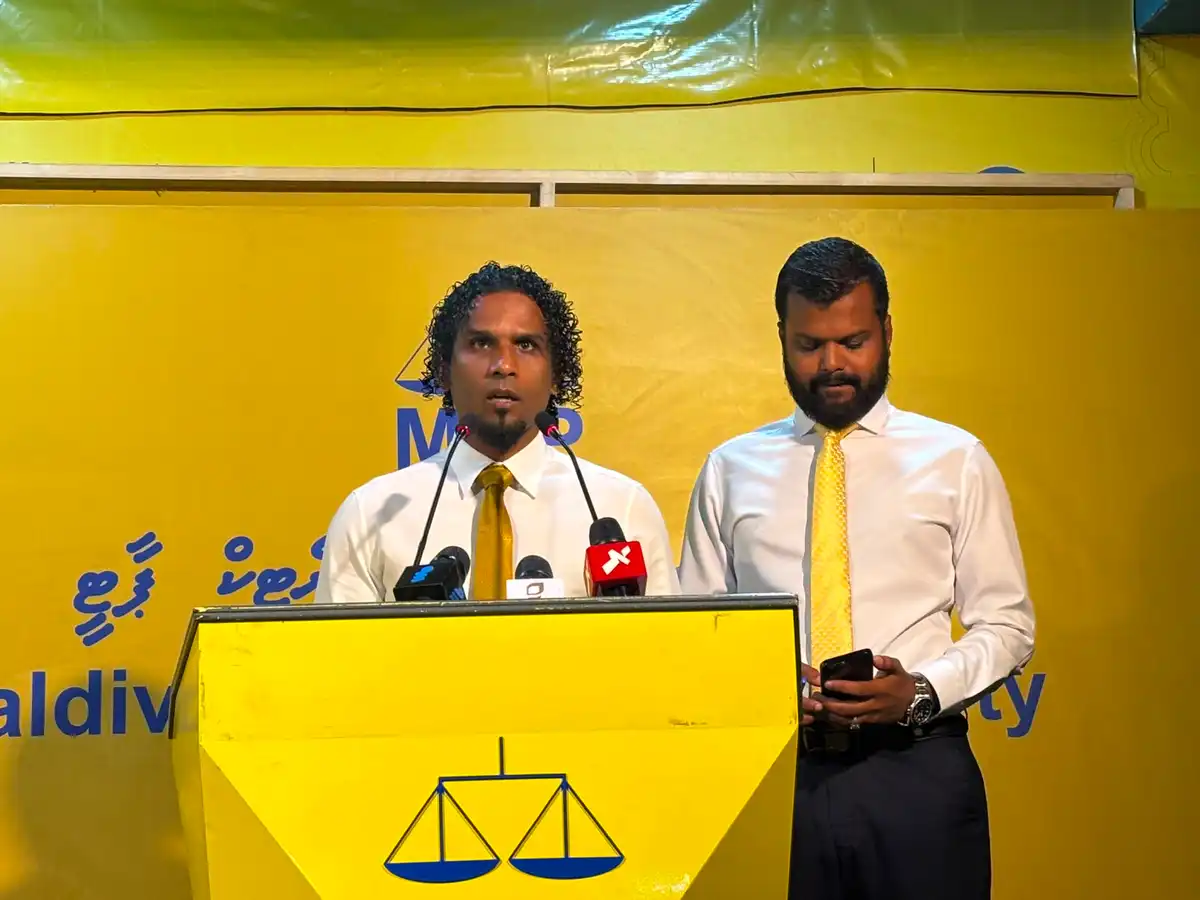
In the end, MDP is stepping up to answer that call, positioning themselves as the shield for workers getting fired and fighting to keep vulnerable families and children afloat.
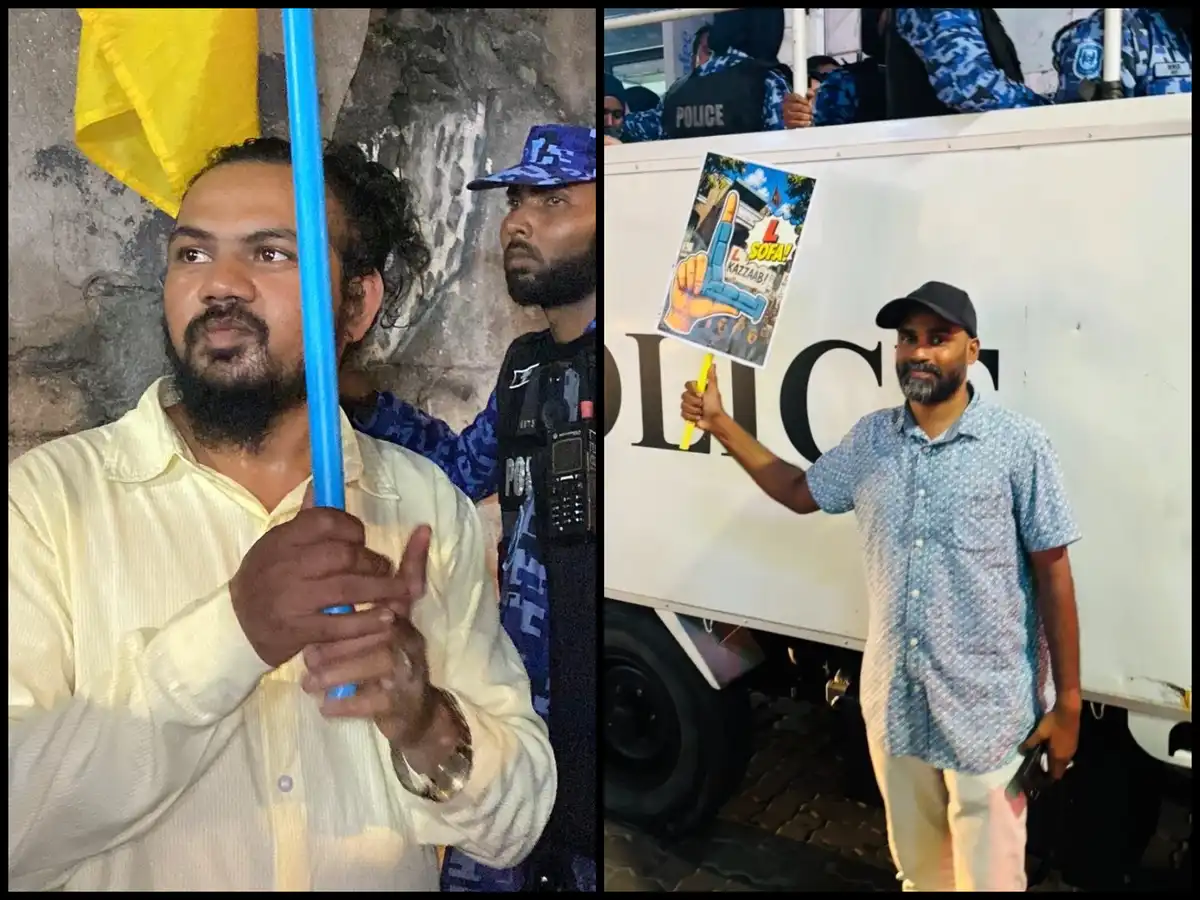
They have launched a wave of non-violent demonstrations across the length of the Maldives to champion this struggle.
At this stage, the ball is firmly in the court of the public, the individuals who are currently feeling the squeeze, the households of the newly unemployed and their social circles.
The challenge now is for the population to feed off each other's bravery and band together to snatch back the liberties that are slipping through their fingers.
This massive mobilization by the opposition is being framed as the dawn of a completely new chapter for the citizens.