
Civil Court dismisses unauthorized uvulectomy lawsuit
2 ޖުލައި 2026 | ބުރާސްފަތި 09:08The Civil Court has dismissed a lawsuit against Tree Top Hospital involving the unauthorized removal of a patient's uvula during surgery, citing a failure to follow proper legal procedures. The court ruled that medical negligence claims must first be formally lodged with the healthcare provider or the Ministry of Health before legal action can be initiated. The plaintiff had sought over $4 million in damages, alleging significant physical and psychological trauma resulting from the procedure.

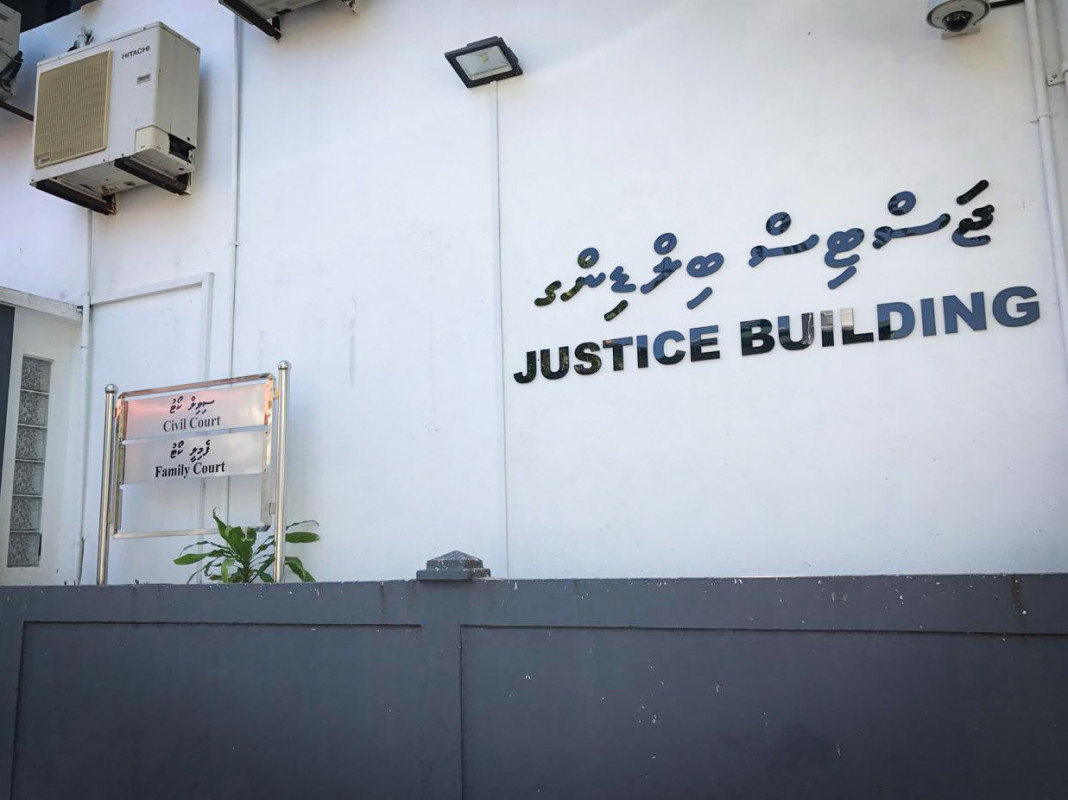
The building housing the Civil Court of the Maldives. | RaajjeMV
The Civil Court has dismissed a lawsuit filed by a private individual seeking over $4 million in damages from Tree Top Hospital, following allegations that the patient's uvula was removed without consent during a surgical procedure.
This case was filed in connection with an incident that occurred during the year 2023.
The claimant stated that during a surgery performed at Tree Top Hospital to treat a tonsil infection, his uvula was removed without his consent. Alleging that the procedure resulted in significant physical and psychological trauma, he has petitioned the court for damages amounting to 1,080,000 Maldivian Rufiyaa and over 4 million US dollars.
According to the lawsuit, the plaintiff discovered their uvula was missing while recovering in the hospital following surgery. However, the patient noted that the discharge summary provided by the hospital made no mention of the uvula being severed, referring only to the tonsillectomy procedure. The lawsuit further alleges that when questioned about the omission, the hospital stated that the removal of the uvula would only be documented in the records once the fees for that specific procedure were settled.
In its defense, Tree Top Hospital argued in court that the case was not filed in accordance with established legal procedures. Consequently, the hospital contended that there is no legal basis for the court to preside over the matter.
Following its review of the case, the Civil Court ruled that the lawsuit was filed without completing the mandatory legal procedures required before such matters can be brought before the court.
The court ruling states that if an issue arises regarding services provided by a healthcare facility, the matter must first be formally submitted to the respective hospital for review.
Furthermore, the court ruling stated that any grievances regarding the hospital's decision must subsequently be submitted to the Ministry of Health. The Civil Court further determined that if a party is dissatisfied with the decision of the Ministry's Commissioner of Quality Assurance, they retain the right to file a case in court. Since these administrative procedures had not been exhausted, the court dismissed the lawsuit.