Case to prohibit shark fishing accepted for review following two previous dismissals
27 ޖޫން 2026 | ހޮނިހިރު 12:02The High Court has accepted a constitutional challenge filed by environmental activists against the government's decision to authorize shark fishing, a move that allegedly violates the CITES international treaty on the protection of endangered species. Despite a national survey indicating that 77 percent of the public opposes the resumption of this practice, the policy change proceeds, raising significant concerns that the Maldives may lose its prestigious global status as a protected shark sanctuary.

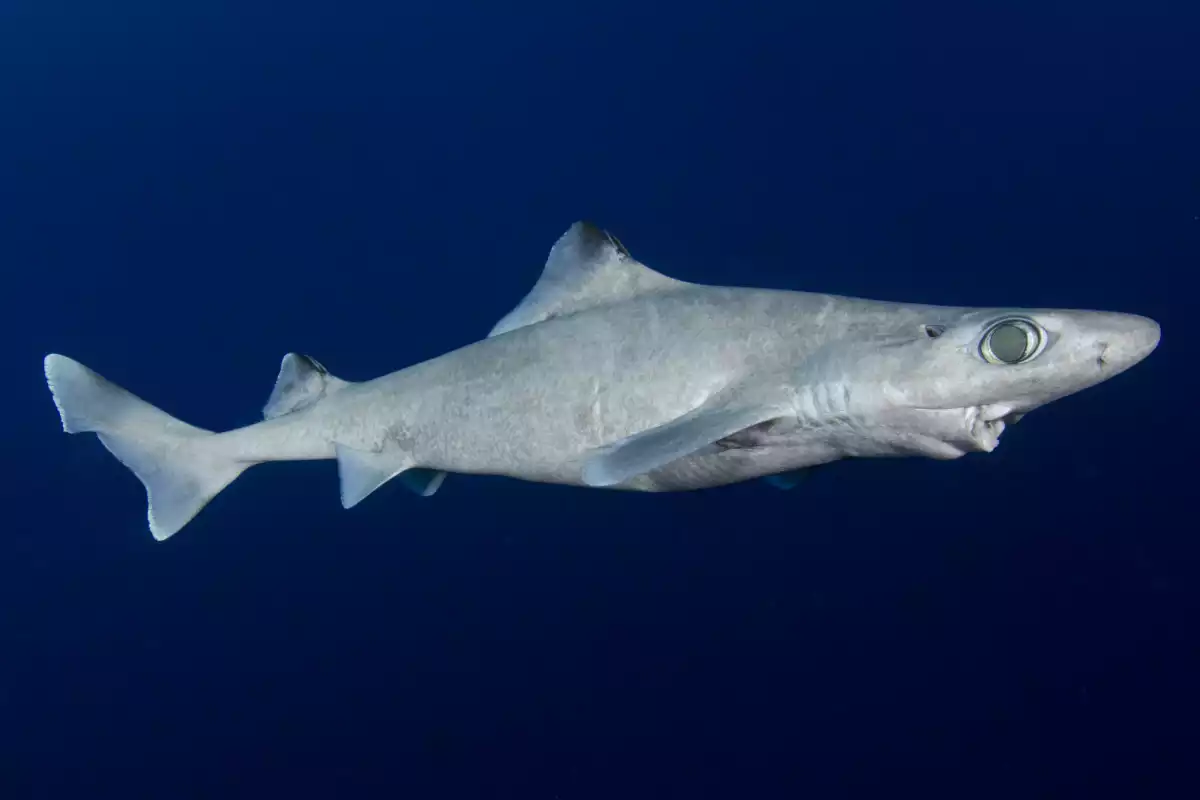
The government has officially opened up the fishery for gulper sharks, a practice that had previously been prohibited in the Maldives. | Andy Murch
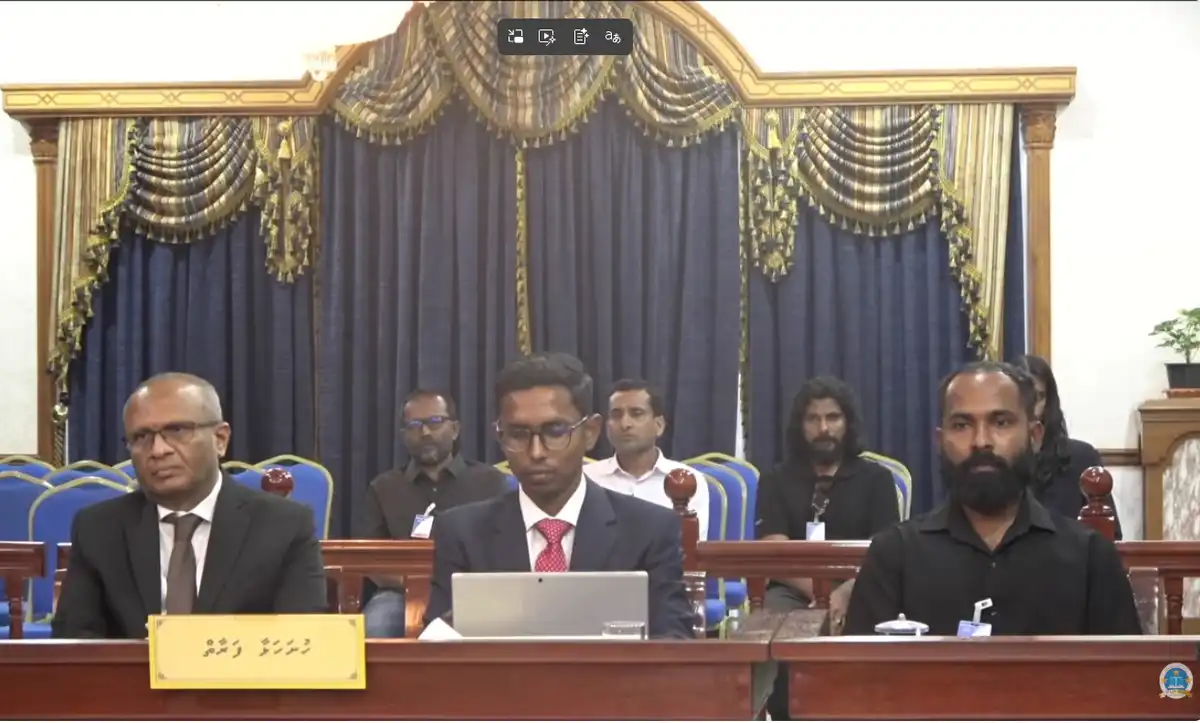
The High Court has decided to accept a constitutional case seeking to halt the government's decision to authorize gulper shark fishing, which was previously prohibited in the Maldives. The decision to accept the case follows its second submission to the court.
The constitutional case against the state was filed by Humaida Abdul Ghafoor of H. Shady Corner and Mohamed Sineen of M. Maamuli. Both individuals are prominent environmental activists. The case was initially filed last December but was subsequently dismissed. However, it was refiled with the court on February 2, 2024.
The High Court initially dismissed the case on the grounds that it did not constitute a constitutional matter, ruling that the shark fishing management plan sought to be nullified did not qualify as a law or regulation. The case was dismissed a second time due to a lack of sufficient detail. On both occasions, the matter was rejected during the registration phase.
However, upon a request to review the Registrar's decision, the High Court judges presiding over the review unanimously ruled to accept the case.
Shortly after the government authorized the fishing of gulper sharks—a practice previously banned in the Maldives—the country joined an international resolution to restrict the global trade of 70 species of sharks and rays, including the gulper shark.
Member nations of the Convention on International Trade in Endangered Species of Wild Fauna and Flora (CITES) have moved whale sharks and all species of manta rays to Appendix I. This decision grants these species the highest level of protection, effectively banning all international trade in these animals and their derivatives.
The international trade of spiny dogfish sharks, which was authorized in the Maldives on November 1, will face significant obstacles due to a recent decision by CITES. During the CITES meeting held last November, it was resolved to include the spiny dogfish in Appendix II of the convention.
Despite the government granting permission for gulper shark fishing, a national survey has revealed that the public is opposed to the resumption of this practice.
According to the results of a national survey conducted by the marine conservation organization Blue Marine Foundation, in collaboration with Maldives Resilient Reefs and the Maldives Whale Shark Research Programme, 77 percent of respondents are opposed to the reopening of the shark fishery.
In 2010, the Maldives implemented a total ban on all forms of shark fishing. Reintroducing the practice would result in the country losing its prestigious status as a designated shark sanctuary.