Debt must be repaid without impoverishing public, but rather by enhancing their prosperity: Nasheed
6 ޖޫން 2026 | ހޮނިހިރު 12:09Former President Mohamed Nasheed emphasized the importance of expanding the tax base and fostering economic prosperity rather than implementing austerity measures that burden the public to service national debt. Warning that halting development projects in the name of debt repayment would severely damage the economy, Nasheed asserted that the MDP is the only party capable of navigating the country through these challenges. He further called for the adoption of revenue-enhancing policies as a viable alternative to spending cuts.

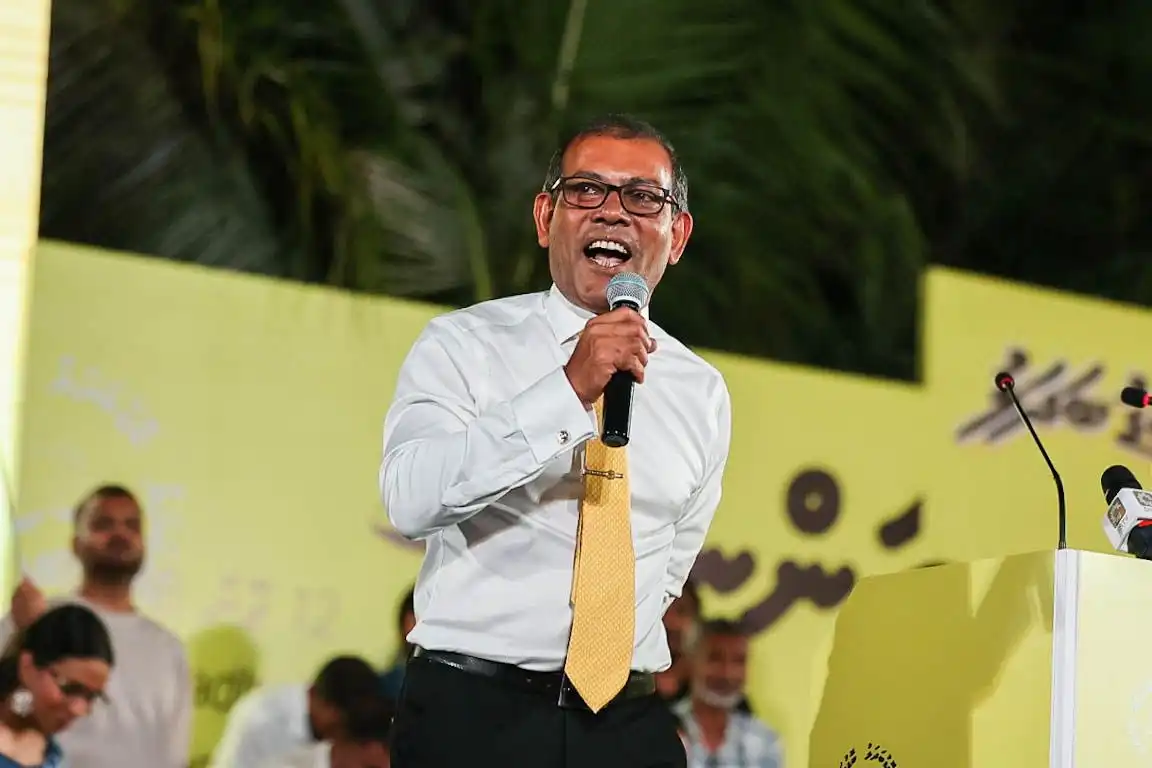
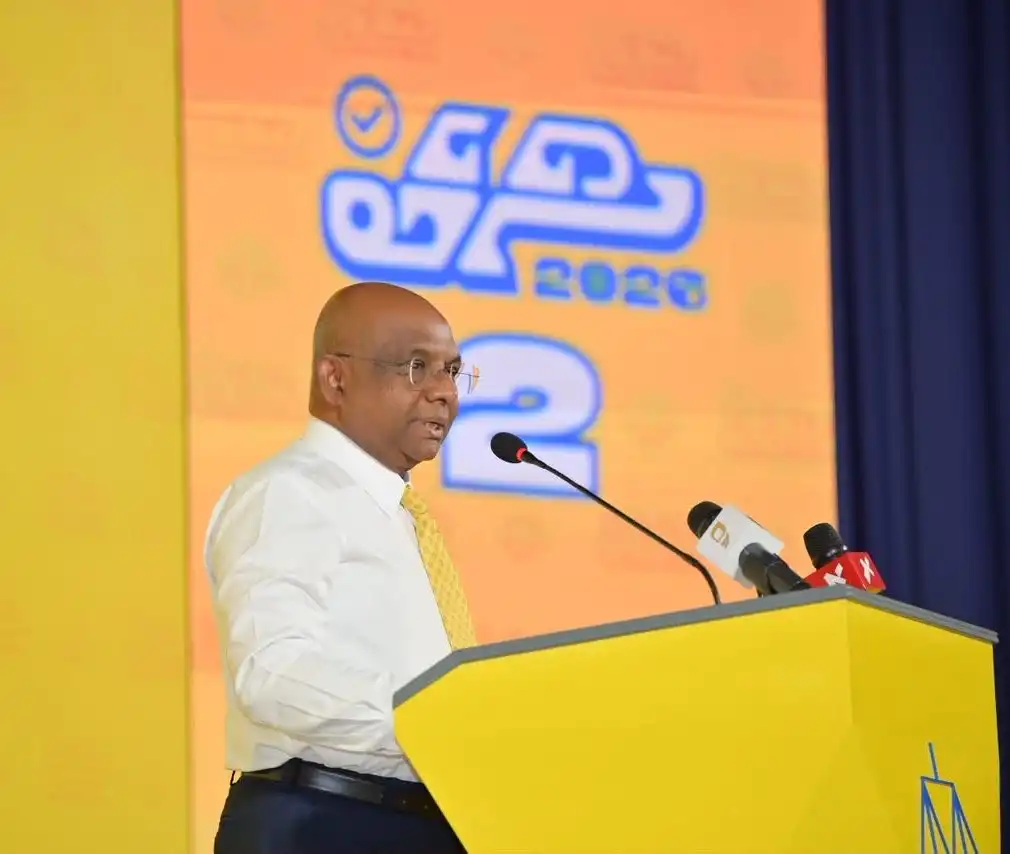
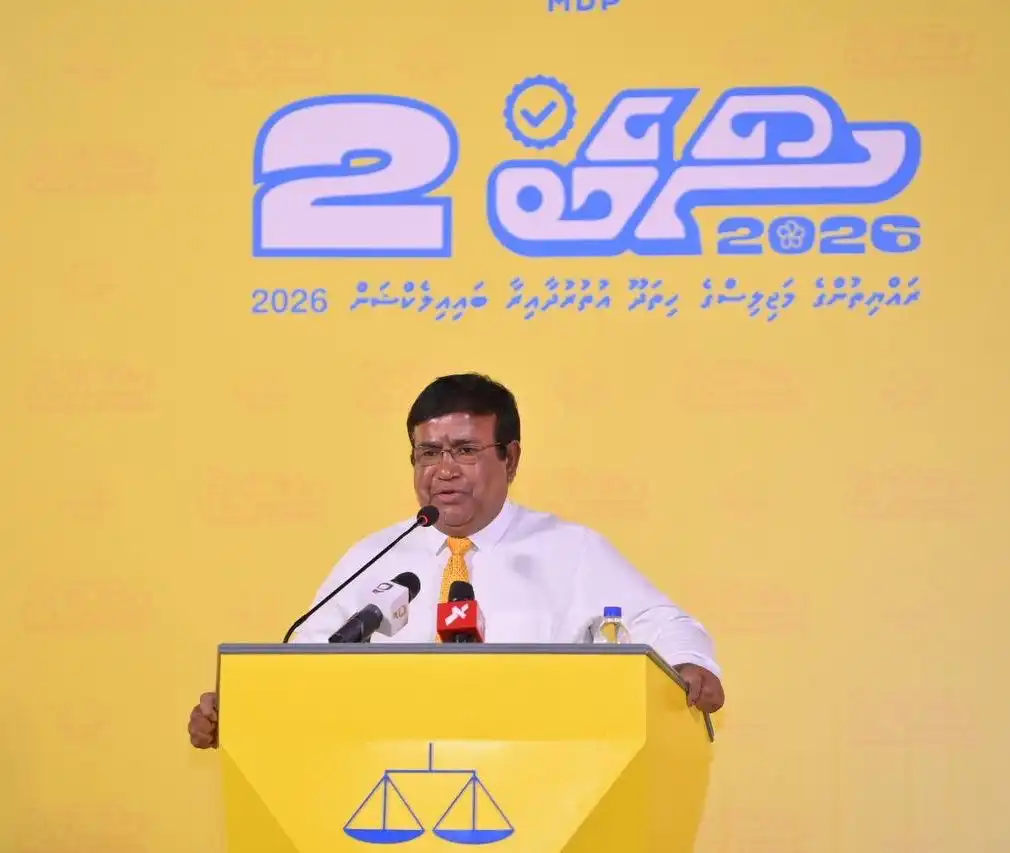
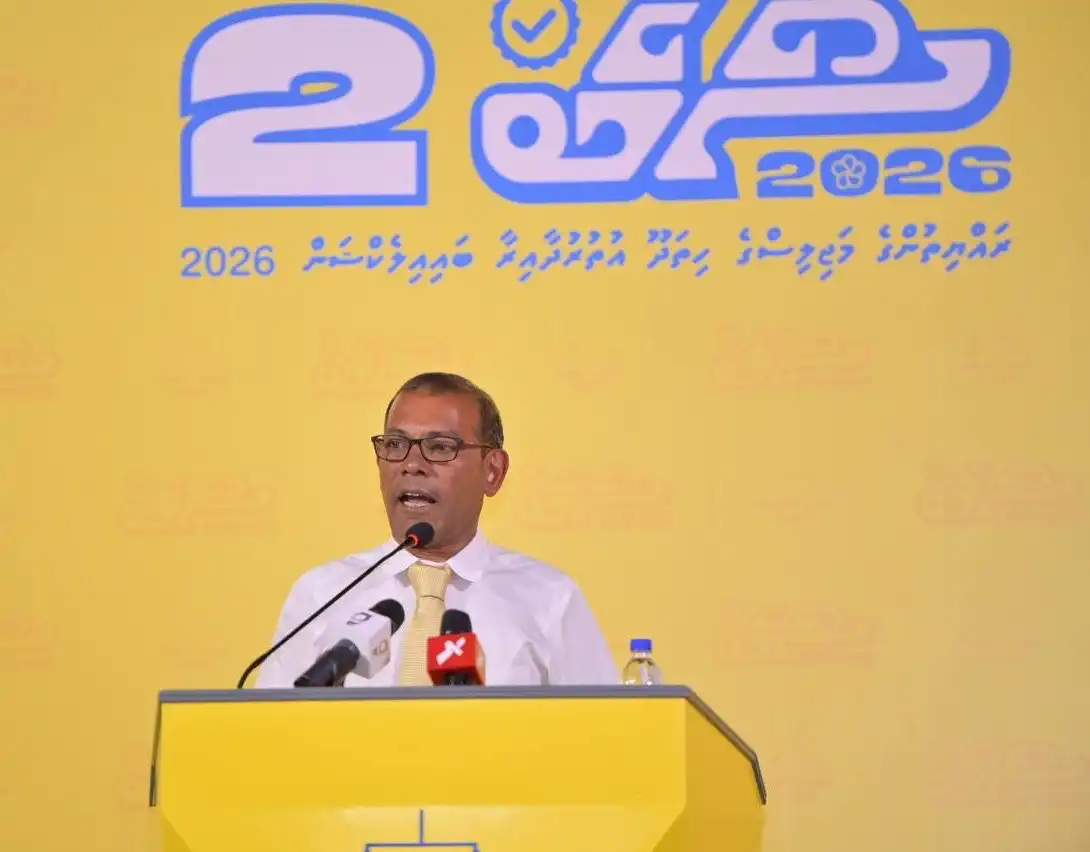
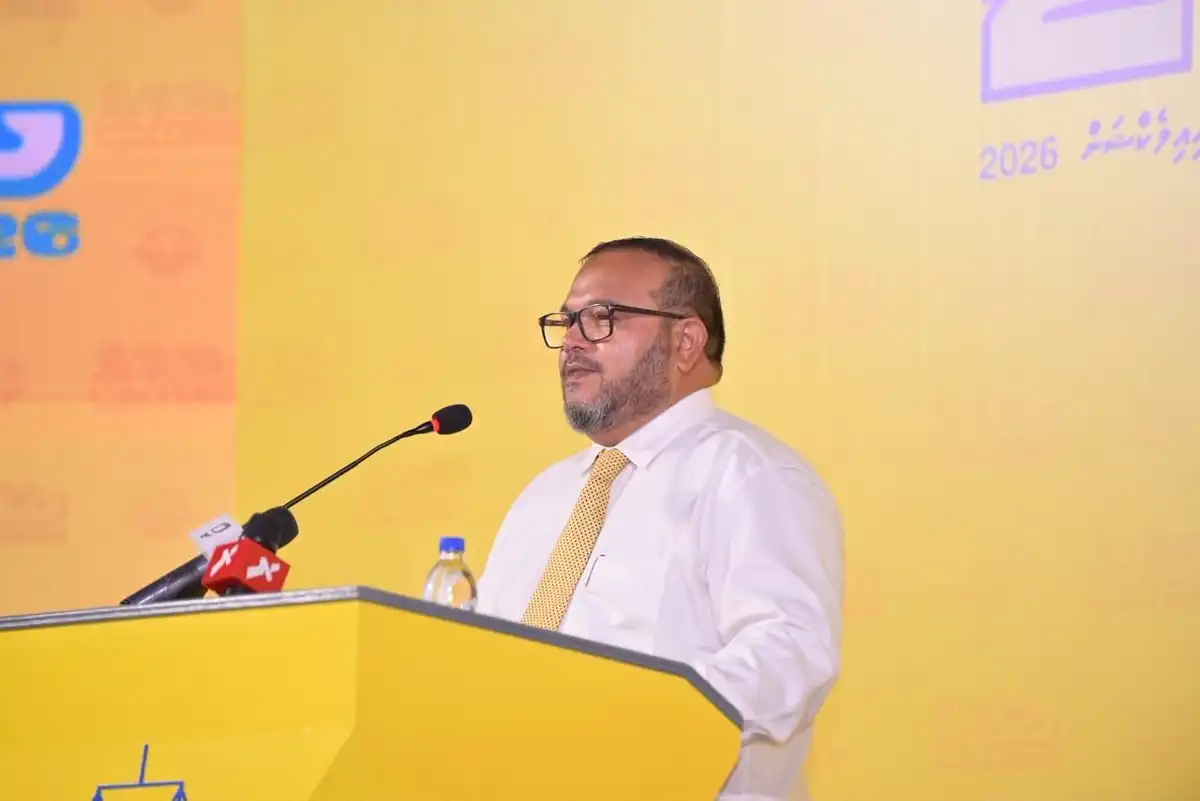
Former President Mohamed Nasheed delivers his address at the "Bodu Badhalu" rally. | MDP
Former President Mohamed Nasheed has stated that while the Maldives must settle its substantial outstanding debt, these repayments must be managed without causing undue hardship to the citizens.
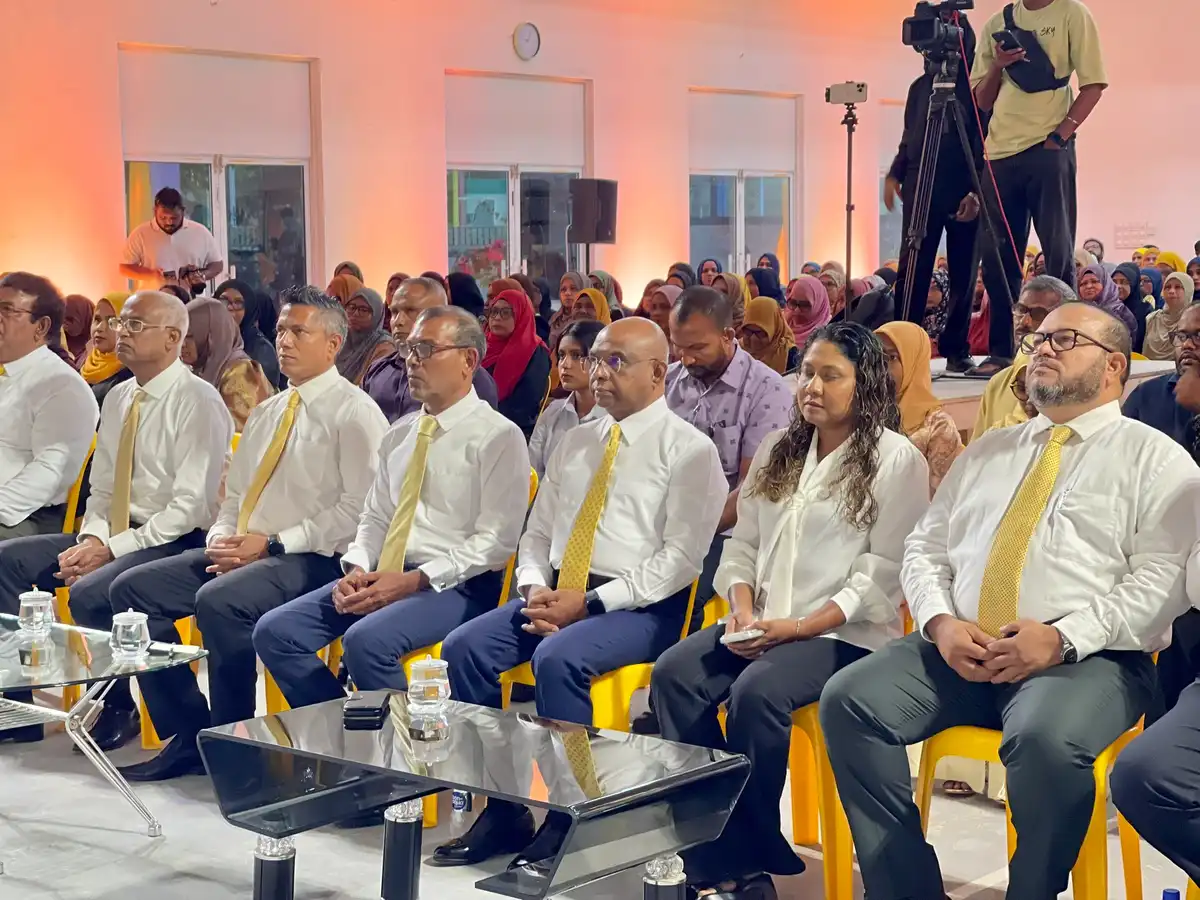
Speaking at the "Bodu Badhalu" campaign rally held in Hulhumale' on Friday, Nasheed stated that the current debt repayment framework must be reformed. He emphasized that the nation's debt can be settled without imposing undue hardship or distress upon the citizens.
He stated that debt can be managed and repaid through a model of prosperity rather than through austerity measures or spending cuts. By enhancing public wealth and expanding the tax base, he noted that debt obligations can be met through economic growth. He further remarked that as other nations adopt this approach, the Maldives can similarly implement these strategies to manage its financial commitments.
The substantial debt accumulated by the Maldives must be repaid. This is a burden that falls upon the 70,000 residents here, as well as countless others across the nation. A question often raised is whether paving a road with asphalt directly increases the income of the households lining that street. Typically, it takes five to seven years for a fixed asset to yield tangible results. However, the timeframe we have been given to settle this debt is even shorter—just five years. This discrepancy creates a significant gap, leading to imminent risks and growing concerns. To address this debt, both the IMF and the Maldivian government are considering a strategy of austerity: cutting expenditures and reducing public benefits to utilize the remaining funds for debt servicing.Former President Mohamed Nasheed
Furthermore, Nasheed stated that projects have been halted under the pretext of debt repayment.
Highlighting his extensive travels during the "Bodu Badhalu" (Great Change) campaign, Nasheed noted that 90 percent of the development projects initiated across many islands had been completed during former President Ibrahim Mohamed Solih’s administration. However, he stated that these projects have now come to a standstill.
Nasheed stated that the failure to proceed with these projects would result in significant repercussions for the entire economy and the general public. He further noted that if the debt incurred to repay the country's existing obligations is mismanaged or squandered, the nation's trajectory will become extremely perilous.
Economists generally refer to this approach as implementing austerity measures to generate funds and achieve a budget surplus. Austerity measures involve cutting expenditures, reducing salaries, downsizing the workforce, and scaling back universal healthcare coverage under Aasandha. It also entails halting ongoing infrastructure projects, reducing or targeting social welfare subsidies, and implementing broad spending cuts and reductions.Former President Mohamed Nasheed
Nasheed stated that extensive efforts are required to rescue the Maldives from its debt crisis. He asserted that only the MDP is capable of undertaking this task and called for the party to be given the opportunity to do so.