Financial institution lending to state continues to rise: World Bank
28 ޖޫން 2026 | އާދީއްތަ 13:25The World Bank reports that commercial bank lending to the Maldives government surged by 25.9 percent, with banks now allocating 40 percent of total assets to the state. While central bank financing saw a slight decline, overall public sector exposure remains high across financial institutions. Experts warn that heightened debt distress risks and geopolitical conflicts necessitate close monitoring of the financial sector's significant exposure to public debt.

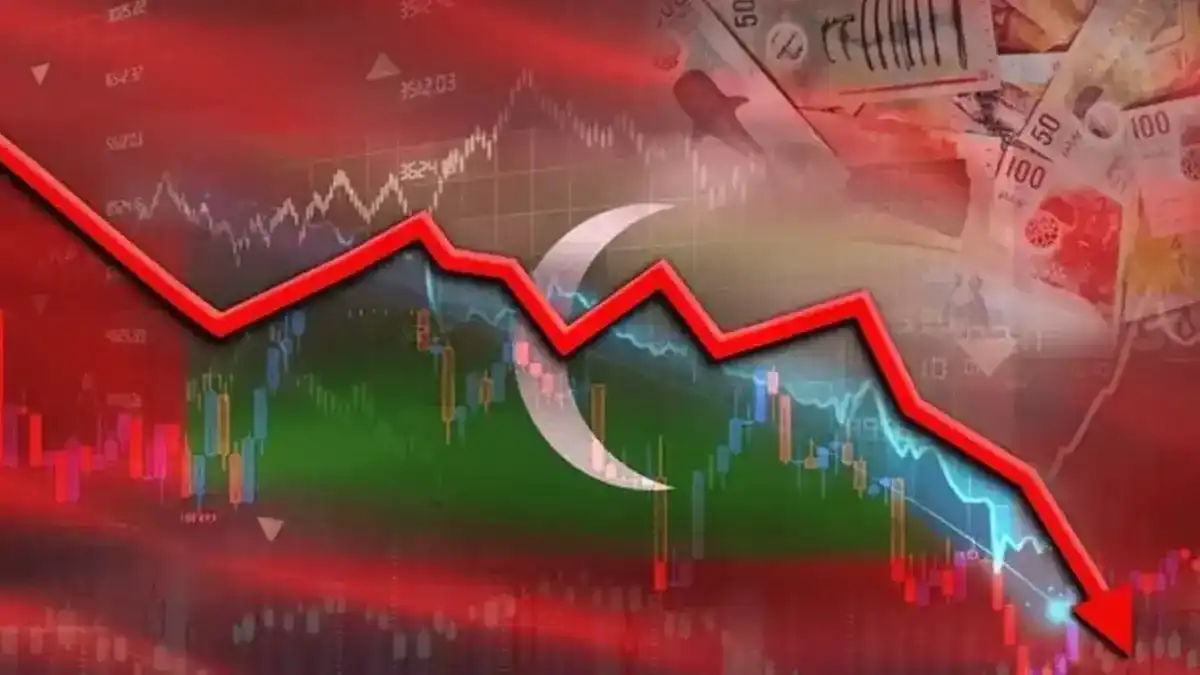
The World Bank has highlighted that the state's debt accumulation continues to rise. | ShutterStock
The World Bank has highlighted that financing provided by the financial sector to the state and state-owned enterprises (SOEs) increased by 15.4 percent by the end of 2025 compared to the previous year.
This includes MVR 75 billion (USD 4.9 billion or 62.8 percent of GDP) in the form of central government securities and loans, as well as MVR 8.5 billion (USD 552 million or 7.1 percent of GDP) in loans issued to SOEs.
According to the Maldives Development Update released by the World Bank, lending from commercial banks to the state surged by 25.9 percent, while financing from the central bank, Maldives Monetary Authority (MMA), saw a slight decline of 1.5 percent.
Overall, by the end of 2025, commercial banks had allocated 40 percent of their total assets to the state, while other financial institutions and the MMA allocated 66 percent and 42 percent of their respective total assets. The World Bank noted that these percentages represent the proportion of financing relative to the total assets of these institutions.
The World Bank further cautioned that due to heightened debt distress risks for the Maldives, partly exacerbated by conflicts in the Middle East, it is crucial to closely monitor the exposure of financial institutions to the public sector.