A sham rhetoric of self-proclaimed champions of local governance
21 ޖޫން 2026 | އާދީއްތަ 17:47The Muizzu administration faces criticism for undermining the decentralized governance system despite public promises of local empowerment. Recent parliamentary rhetoric favoring old-school appointed chiefs over elected boards suggests a shift toward centralized control following unfavorable election results. Critics argue this ideological reversal threatens democratic progress and ignores the constitutional rights of island communities to self-governance.


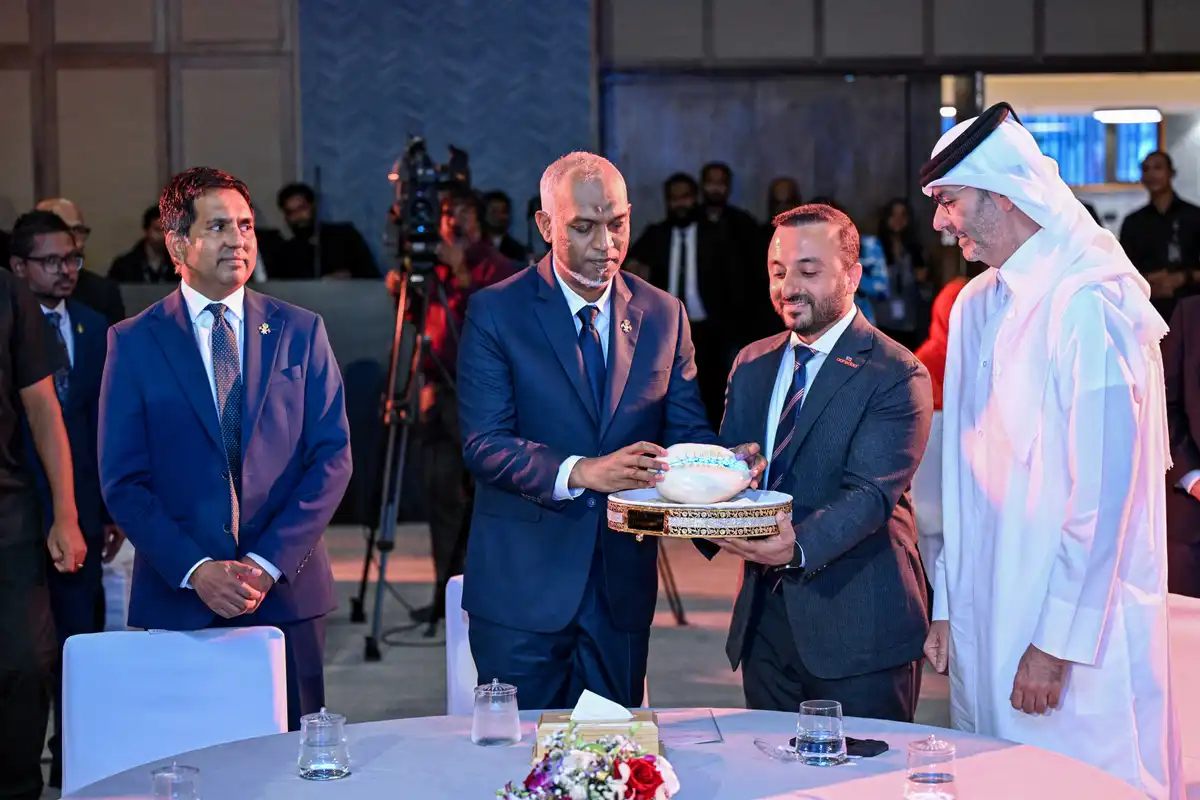
The president met with the Maafushi Council and the Atoll Council Committee to discuss the challenges faced by the people of Maafushi and matters that need to be addressed for the development of the island. | Presidents Office
The governance of the Maldives' administrative sections through a decentralized framework is not a courtesy; it is an absolute entitlement secured by the eighth chapter of the nation's constitution.
The primary goal of this setup is to drag crucial services out of the capital and right onto the doorsteps of everyday citizens, while dramatically boosting public involvement in the choices that shape their home islands.
Politicians absolutely love to parade this system around as an indispensable tool for staying connected to the electorate.
It is universally branded as a structure built specifically to hand authority back to regular people and nurture true self-reliance within local communities.
The sitting government has relentlessly blown its own horn, positioning itself as the ultimate defender of local empowerment.
Handing over expanded jurisdictions to island boards and securing their absolute financial autonomy were among the most loudly repeated promises of President Dr. Mohamed Muizzu’s administration.
However, the actual chatter echoing across the Majlis floor and spilling from the mouths of elite state authorities tells a completely hypocritical story.
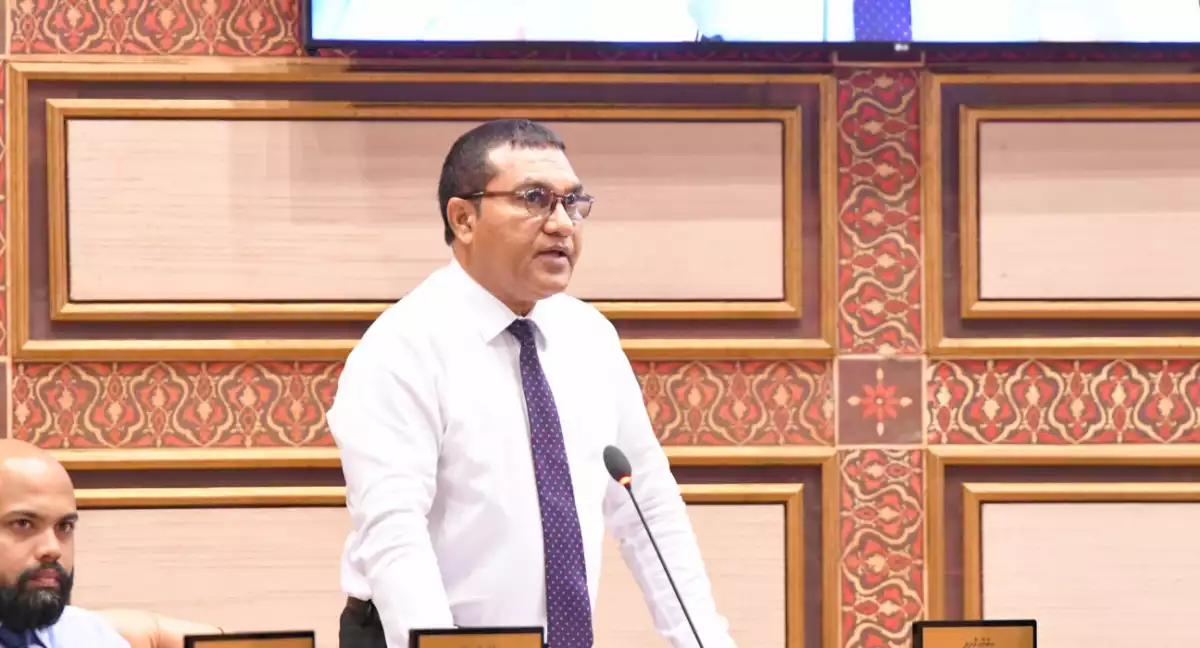
The blatant contradictions became glaringly obvious last Wednesday during a speech by lawmaker Ibrahim Didi.
He boldly proclaimed that the old-school island chiefs were vastly more competent than the modern elected local boards. Airing an opinion like that directly attacks the core ideology of local empowerment and exposes a deeply rooted craving to drag the country back to a time of central control.
A dramatic optical illusion of political loyalty
Examining the recent commentary from lawmaker Ibrahim Didi reveals a massive gulf between the words he used to say and the narrative he pushes now.
There was a time when he was an incredibly loud cheerleader for the necessity of island boards, routinely calling them the literal engines of local progress and praising their triumphs in hitting community targets.
He used to fiercely argue that elected officials are uniquely qualified to oversee the internal matters of their own islands.
This deep affection for local board members was on full display when Muizzu made the call to carve out an entirely independent administrative board specifically for Addu City Feydhoo.
However, after aggressively demanding that islands be empowered through this ballot, his viewpoint completely evaporated the moment the polling results failed to go the government's way.
This sudden ideological drift became even more undeniable when the main opposition Maldivian Democratic Party (MDP) presented a legislative motion to upgrade the pay scale of local board members, a move that the administration flatly rejected.
This entire timeline of events strongly indicates that the government possesses zero authentic desire to protect the decentralized framework.
Nostalgia for dictatorial capital control
The bygone days of the island chiefs were defined by a suffocating, top-down regime where individual islands were micro-managed strictly via decrees issued by ministries stationed in the capital, Malé City.
Under that old system, there was absolutely zero space for disagreement and the actual feelings of the local inhabitants were completely ignored.
Conversely, ushering in elected local boards finally gave everyday citizens the power to choose their own leaders, ensuring that money generated by the islands stayed on the islands for community growth, while forcing public officials to answer directly to the voters.
Trying to undo this massive progress by retreating to an ancient administrative setup flies in the face of basic democratic values and threatens to throw the country's development backward by multiple generations.
Despite the administration's desperate attempts to market themselves to the public as the premier champions of local autonomy, the internal mindset of its political agents clearly points toward an obsession with centralized dominance.
The dismissive commentary from lawmaker Ibrahim Didi uncovers a lingering wish to strip local boards of their rightful leverage, clearing the path for a return to a reality where Malé commands total, unquestioned dominion over island life.
The Maldivian people have already tasted the genuine advantages of local self-governance. Because of this, any backhanded attempt to sabotage this framework stands as a direct insult to the independence of the populace.