Smoke and mirrors of the shabby RTL ferry expansion strategy
3 ޖޫން 2026 | ބުދަ 10:59MTCC is expanding the RTL ferry network to new atolls despite growing public backlash over deteriorating service. Commuters report erratic schedules, Friday shutdowns, and a lack of new vessels, with some routes being serviced by boats diverted from other regions. Frequent unannounced cancellations and a lack of refund options have transformed the once-praised transit system into a source of significant public frustration and anxiety.

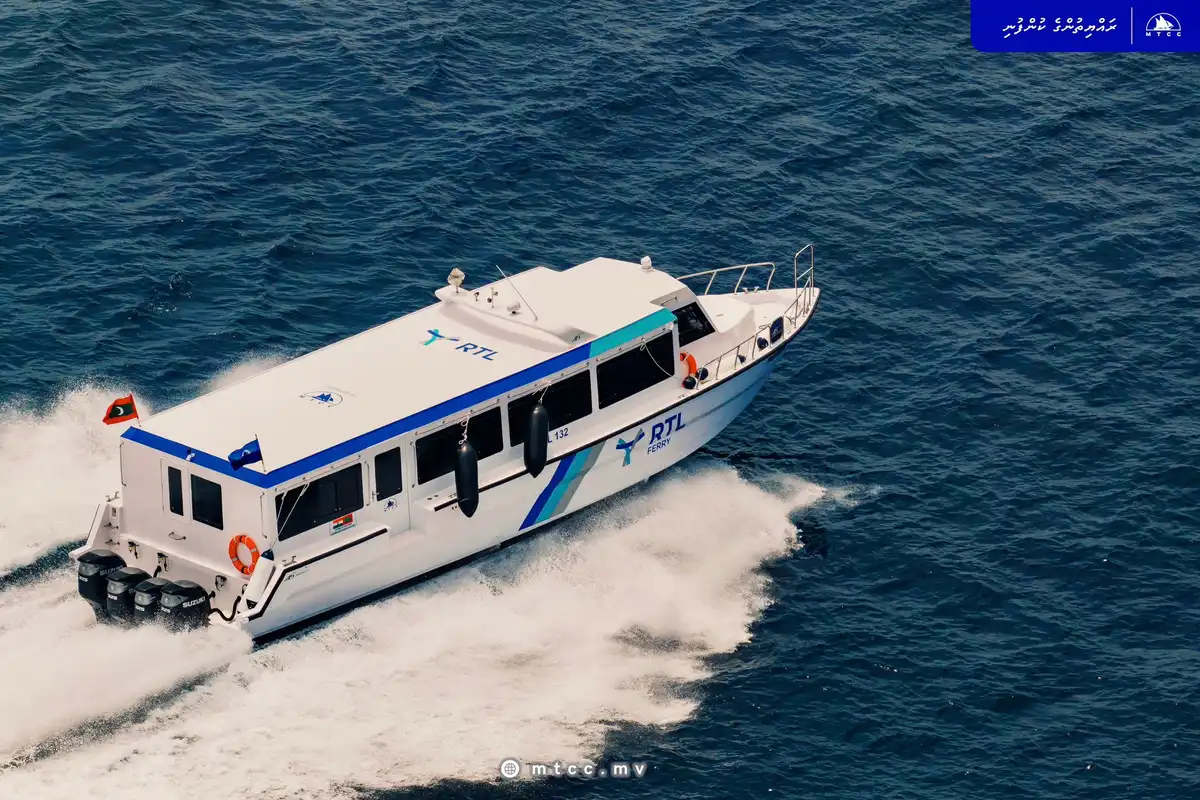
RTL ferry services launched in F. and Dh. Atoll. | MTCC
The Raajje Transport Link (RTL) ferry network used to be celebrated as a genuinely revolutionary project that brought unparalleled convenience to thousands of people all over the island nation.
In fact, the previous administration managed to lay down the entire groundwork for this interconnected travel grid in a mere six-month window.
Back when it first launched, the sheer volume of glowing reviews and ecstatic praise plastered across social media networks made it obvious that the public had completely embraced the system.
Pushing into new waters while old grid crumbles
To date, the state-run Maldives Transport and Contracting Company (MTCC) has managed to roll out these transport operations across 15 different atolls.
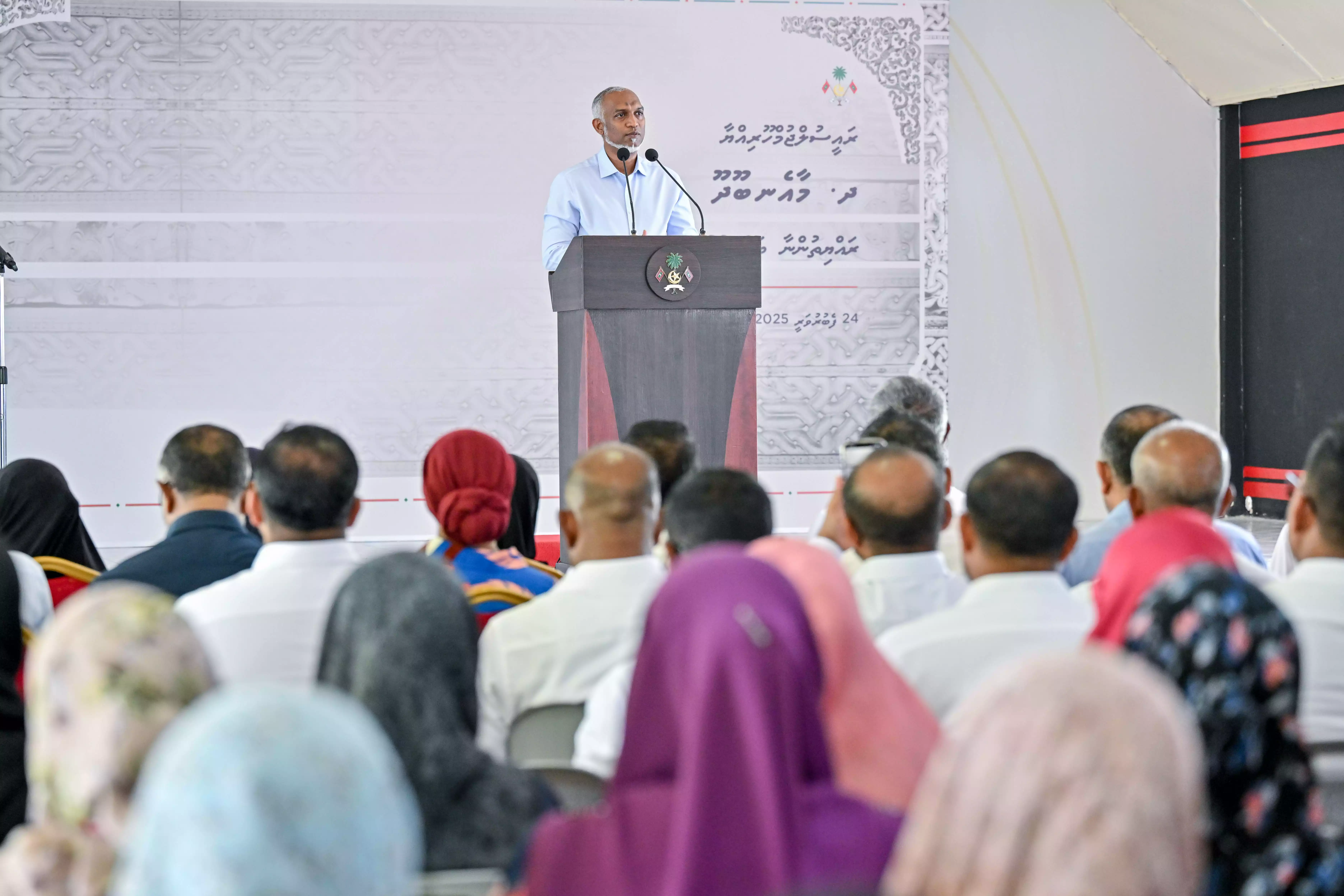
Fresh off that tally, the Ministry of Transport recently went public with its intention to kick off operations in Meemu Atoll by the 30 of this very month.
When pressed for answers by journalists at RaajjeMV, ministry officials doubled down, asserting that the foundational groundwork for the rollout is actively moving forward.
However, beneath this eager rush by the current administration to plant flags in new regions, a wave of public backlash is swelling over how poorly the existing routes are being managed.
Commuters are thoroughly annoyed by highly erratic timetables, pointing out that vessels routinely fail to match up with their official departure windows.
Adding insult to injury, the system completely shuts down its ferry operations on Fridays, a baffling decision that completely wrecks weekend travel arrangements and makes it incredibly difficult for people to go see their families on their native islands.
Shuffling the same two boats
A particularly glaring issue being flagged by furious passengers is the total absence of funding for brand-new vessels to support this aggressive growth.
Rumors are swirling that the authorities are trying to force the transit network into three or four additional atolls without actually building or buying a single new boat.
Look no further than the complaints coming out of Baa Atoll, where locals revealed that their brand-new service was only made possible by hijacking two speedboats from a completely different operational sector, rather than expanding the actual size of the national fleet.
To make matters worse, random and unannounced voyage cancellations have turned into a chronic headache for daily travelers.
Up north in Haa Alif Atoll, travelers are pointing out that multiple transit paths have been chopped from the system entirely.
They also noted that the overall number of scheduled runs has been slashed across the board, explicitly pointing out the now-abandoned Molhadhoo route as a prime example of a service that has completely ceased to exist.
No boat no refund and no accountability
The exact same story of neglect is playing out in Haa Dhaalu Atoll, where fed-up locals are dealing with route cancellations that seem to happen nearly every single day.
Making things even more infuriating for passengers, these trips are frequently axed out of nowhere long after people have already paid for their tickets and the system offers absolutely no functional pathway to get a quick refund for the stolen time and money.
What used to be a shining beacon of public efficiency and universal acclaim is rapidly degenerating into a major headache for ordinary citizens.
A network that once injected genuine happiness and accessibility into daily life is now defined by a culture of bitter disappointment.
Even as state officials put on a brave face to debut the network in yet another atoll, the overwhelming mood among people trapped in the current operational zones is defined by deep anxiety and endless grievances, raising serious doubts about whether this crumbling transport setup can survive at all.