The profound poem shared by Adam Naseer exposes the inner malice of those who project a facade of righteousness!
16 އެޕްރީލު 2026 | ބުރާސްފަތި 09:08Former Minister Adam Naseer has shared a profound poem emphasizing the importance of self-reformation over exposing the flaws of others, highlighting the hypocrisy of those who maintain a righteous facade while harboring inner malice or committing the very sins they advise against. Shared amidst the recent resignations of several government ministers, the poem suggests that a truly wise individual is one who reflects upon their own conduct before scrutinizing the faults of others.


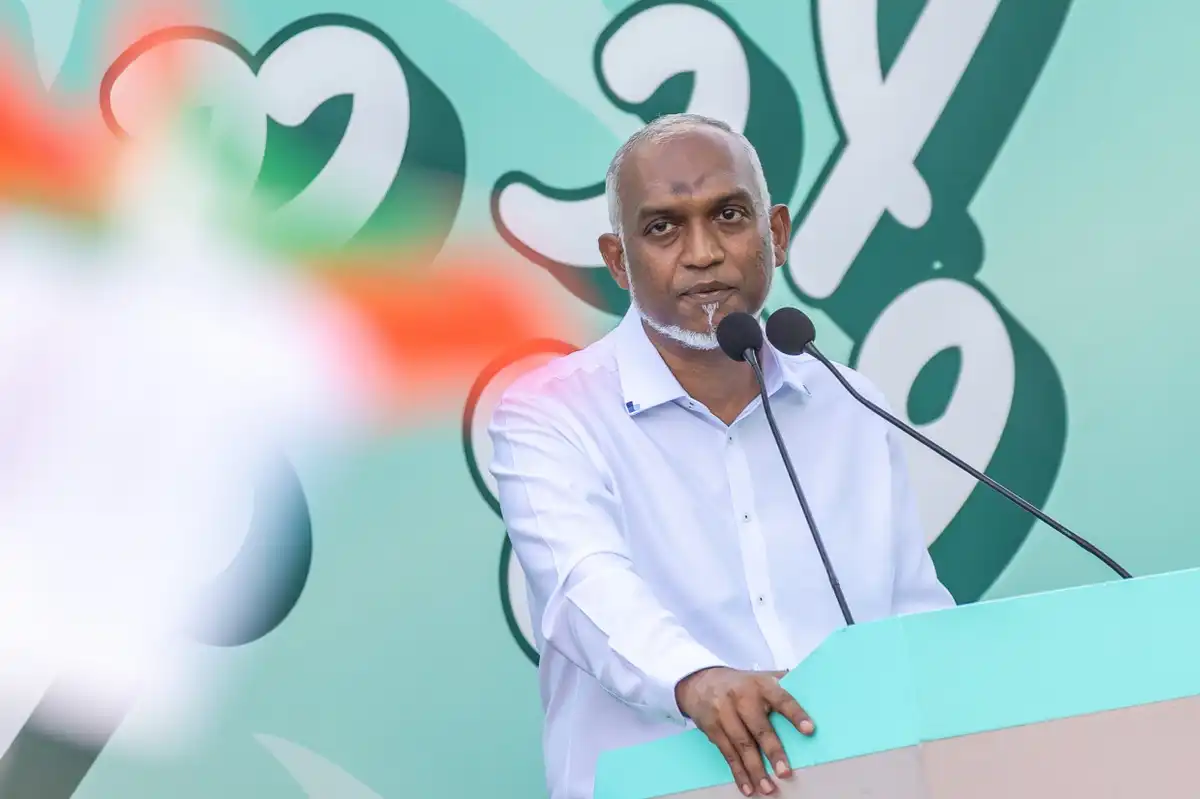
Former Minister of Dhivehi Language, Culture and Heritage, Adam Naseer Ibrahim. | President's Office | President's Office
Adam Naseer Ibrahim, who recently resigned as the Minister of Dhivehi Language, Culture and Heritage, has shared a poem on social media highlighting the importance of self-reflection and personal reform over focusing on the faults of others.
According to the Dhivehi translation of the Arabic poem he shared, the verses serve as a reminder that while one may expose the faults and flaws of others, they must remember that they, too, are prone to error and possess their own inherent shortcomings.
Furthermore, the poem highlights that while some individuals may appear to be the most virtuous of people on the surface, their true inner nature can harbor profound wickedness.
Furthermore, the poem addresses those who disseminate religious rulings and offer counsel to others, yet indulge in sins themselves without seeking repentance. It also asserts that some individuals addressed as "Sheikhs" or saints are, in reality, deeply entrenched in wickedness.
Overall, the poem shared by Adam Naseer conveys that a truly wise and disciplined individual is one who prioritizes self-reflection and personal reform over criticizing the faults and misconduct of others.
While the President's Office stated that 10 cabinet ministers resigned on Tuesday to allow President Dr. Mohamed Muizzu to implement positive changes in line with the public's will, many are criticizing the move, arguing that it is the President himself who is failing to govern in accordance with the people's aspirations.