Global observers take notes as Muizzu’s rash tobacco crackdown backfires
7 ސެޕްޓެމްބަރު 2026 | ހޯމަ 12:06While President Muizzu received international acclaim for increasing duties on tobacco products and implementing a ban on vaping, the government has unexpectedly eased its tobacco policies by reducing the duty on cigarettes. Although this shift is purportedly aimed at curbing the black market, experts suggest that it highlights the challenges of formulating policies without a robust enforcement mechanism in place

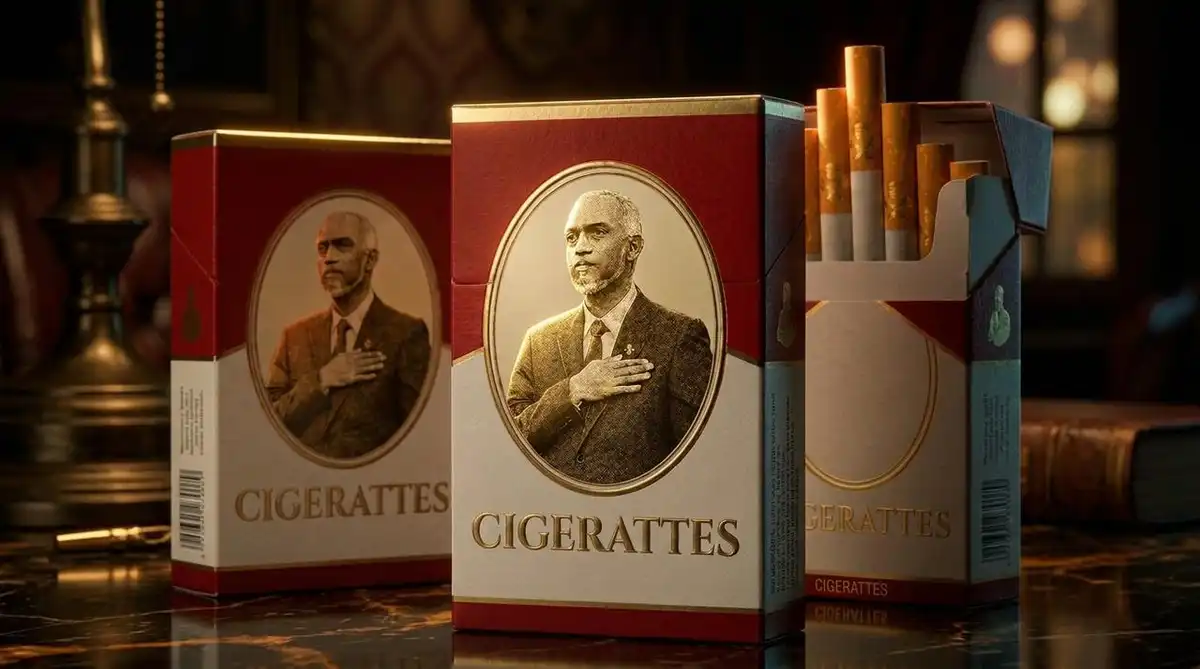
President Muizzu's "stringent" measures to control tobacco products have already begun to be rolled back | Raajje MV
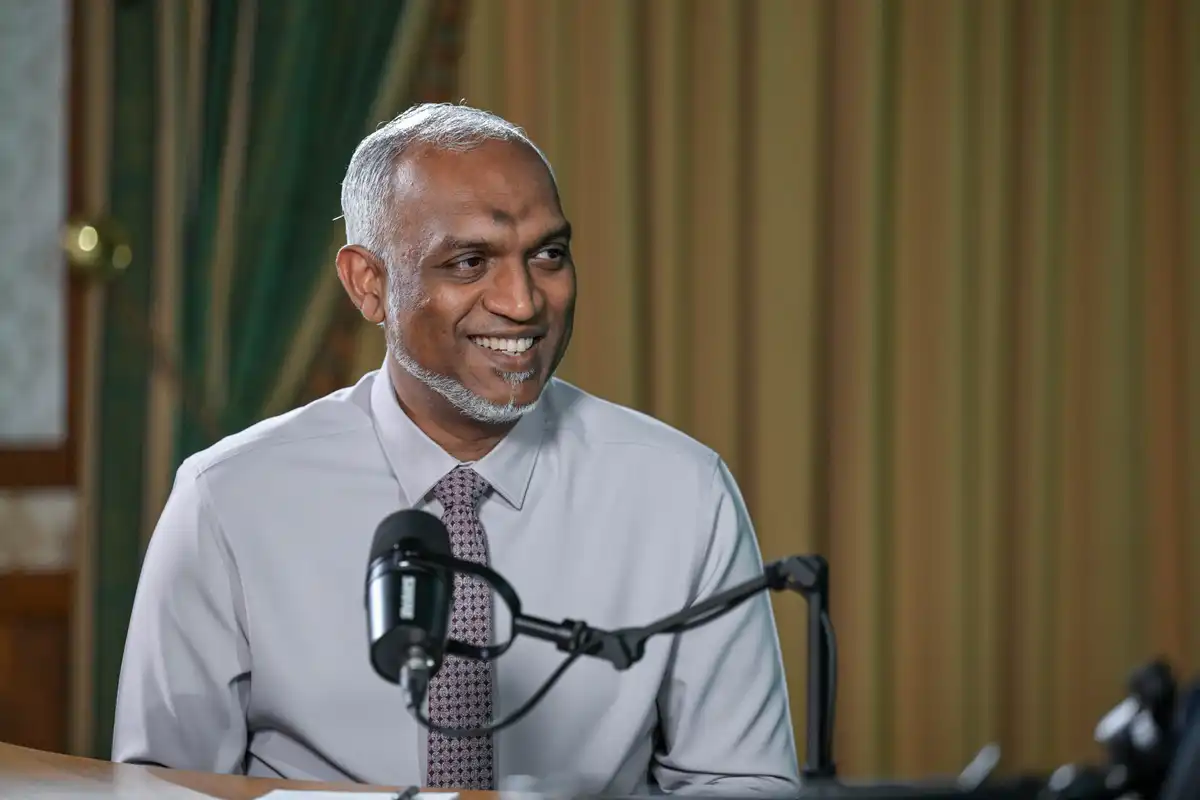
Official channels eagerly trumpeted Dr. Mohamed Muizzu’s feature among Time Magazine’s hundred most prominent figures in healthcare for 2026, presenting it as undeniable proof that the wider world applauds Maldivian public health milestones and the president's personal crusade for communal wellbeing. However, scratch beneath this shiny PR veneer, and the messy everyday scene tells quite another tale.
The praise from Time centered directly on the forceful tactics spearheaded by President Muizzu to suppress smoking.
Back on 31 October 2024, he endorsed the 19th amendment to the Export-Import Act. Effective November 1, authorities slapped a 50 percent levy on standard cigarettes and bidis, accompanied by a flat surcharge of MVR eight on every single unit.
State officials rejoiced, parading the steep financial barrier as an ingenious leap toward driving residents away from smoking habits. Driving costs through the ceiling overnight was crafted to make lighting up simply unaffordable, serving up the flawless optics of a triumph in public welfare.
Naturally, the global stage took the bait.
Beyond the prominent nod from Time, World Health Organization Director-General Dr. Tedros Adhanom Ghebreyesus handed President Muizzu a prestigious commendation during the 2025 World No Tobacco Day celebrations, cheering on his offensive against nicotine addiction.
All these trophies were awarded for what was hailed as unyielding action to alienate smokers, from crushing tax rates to sweeping bans on e-cigarettes and vaping devices. The Maldivian president embraced the glory wholeheartedly, boasting in his 2026 World No Tobacco Day address about the unbending measures his cabinet had instituted to rein in nicotine.
However, as soon as the medals were pinned to the mantlepiece, the administration commenced an unceremonious, quiet retreat.
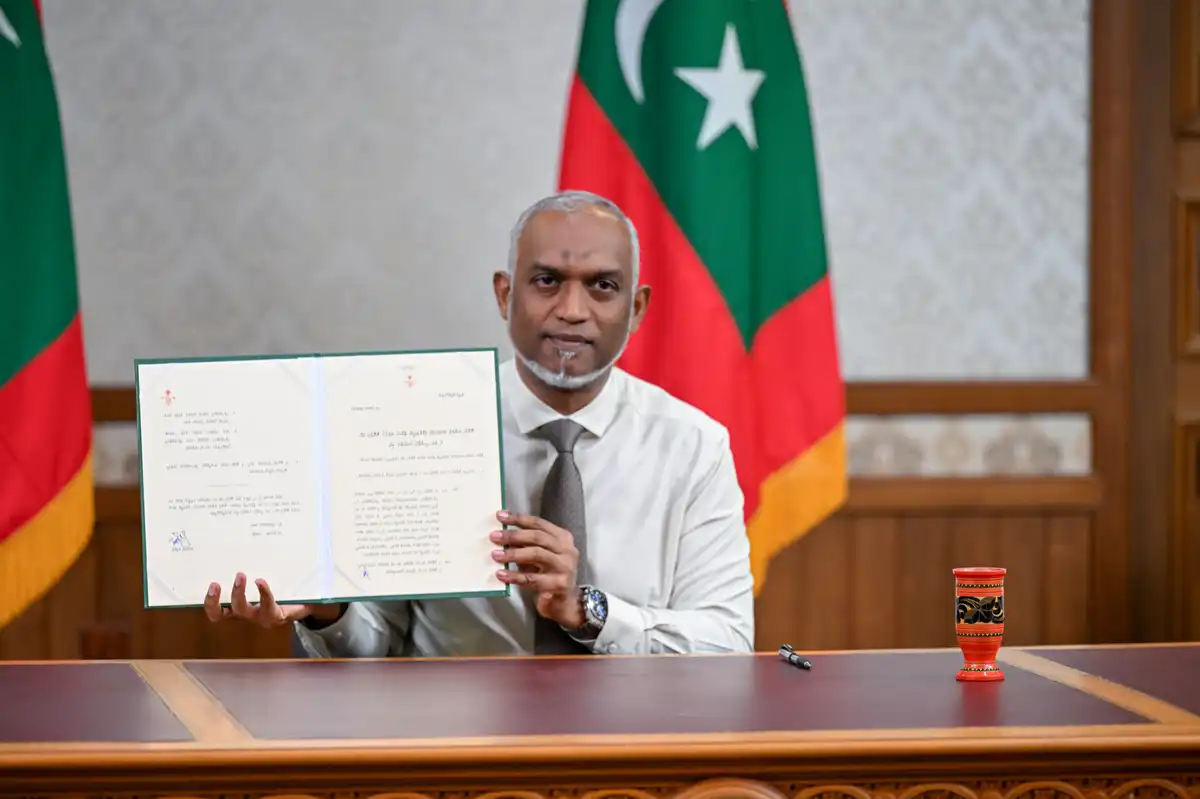
On 2 July 2026, the Maldivian leader signed off on the 20th amendment to the very same Export-Import legislation. This swift backtrack trimmed the fixed tax on cigarettes, hand-rolled cigarettes, and heated consumables down to MVR four while scaling back the proportional tariff to 30 percent. Predictably, the shelf prices of compliant imports plummeted.
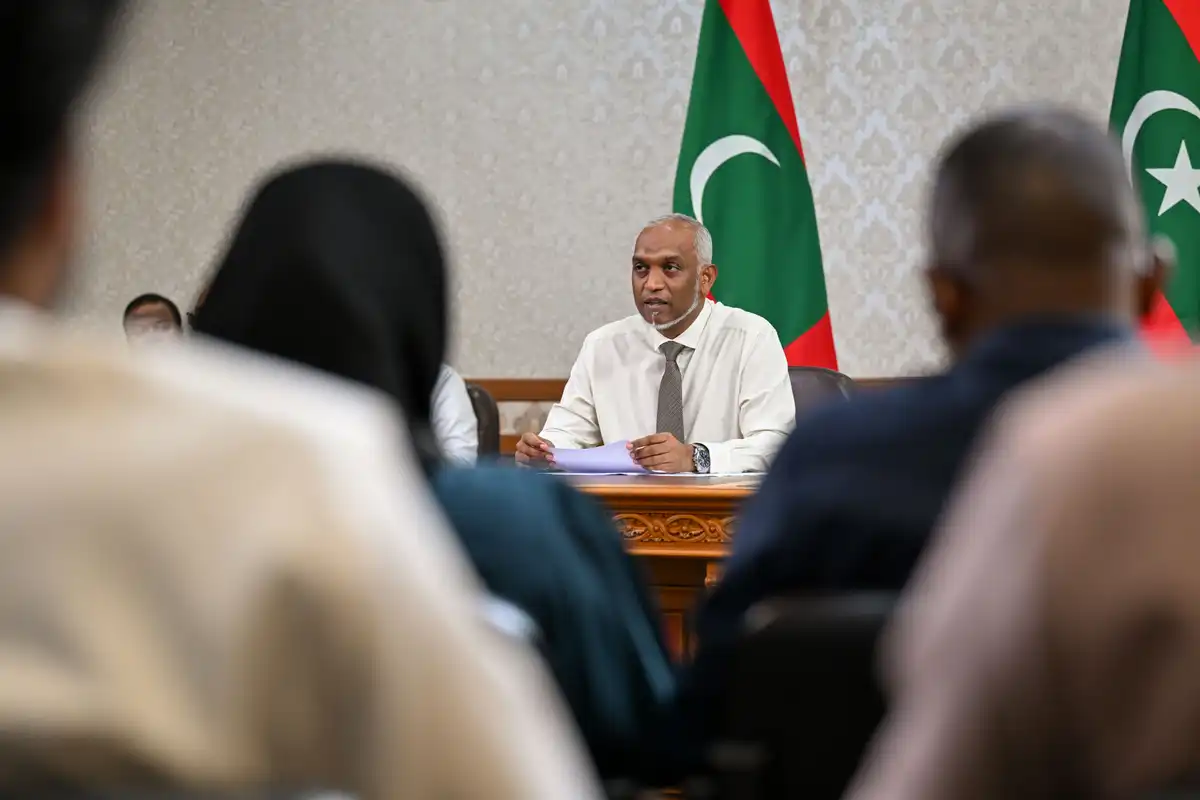
Facing the cameras, Minister of Homeland Security, Labour and Technology Ali Ihusaan spun a curious explanation: the initial leap to MVR eight was never fundamentally an anti-tobacco venture after all. Instead, he painted it as a hasty safety net to stop vapers from switching over to traditional cigarettes once electronic options disappeared. According to him, both the aggressive hike and the abrupt retreat were guided purely by whatever scientific findings were sitting on their desks at the time.
To save face, state representatives claimed a recent 2026 study from the WHO actively endorsed a MVR four tariff for the island nation. Making matters worse, the government blew the doors off personal allowances this same year. Anyone over 21, locals and visitors alike, can now haul in individual allowances without paying duty, a perk formerly limited to holidaymakers aged 18 and up. Eligible travelers are now free to enter with 200 cigarettes, 20 cigars, or 100 grams of alternative tobacco blends, along with small rolling gadgets and gear.
While the Maldivian president was busy collecting global accolades for his grand crusade, watchful international observers and healthcare analysts were tracking the inevitable policy trainwreck. Analysts point to the whole episode as an elementary primer on how not to execute sweeping policy.
Domestic officials were forced to admit that the giant tariff spike simply ignited an underground supply boom, starving legitimate retailers and draining public coffers. That financial reality, rather than enlightened leadership, forced their hands into slashing duties. While officials masked the discount as a joint initiative alongside WHO, the real scramble was to suppress an exploding black market and tame escalating price inflation caused by buyers sourcing bootleg inventory.
Had leadership bothered to examine case studies abroad, like Bhutan's disastrous total prohibitions, which merely fueled smuggling rings until authorities were pressured to relax the rules, this humiliating policy whiplash could have been bypassed entirely.
The unfolding saga proves that tax shocks are useless without hard enforcement machinery working alongside them. Seasoned specialists point out that contraband avoids tariffs while entirely ditching compulsory safety text and packaging rules. Flooding street corners with dirt-cheap underground inventory destroys health targets and bleeds the revenue office dry at the same time.
Professor Dr. Nandini Sharma, formerly the Dean and Director at Maulana Azad Medical College situated in New Delhi, explained that while international trends prove fiscal pressure can deter consumption, positive results rest entirely on stringent monitoring, secure logistics, and an uncompromising war on bootlegging. True health gains cannot materialize if the policy creates an underground commercial boom.
Echoing that assessment, Dr. Meenakshi N., a healthcare analyst operating from Apollo Hospital in Noida, noted that the Maldivian misadventure proves fiscal interventions must rely on real data and ironclad policing. Surrendering control to illegal vendors ruins community health while gutting state funds.
Though governance conditions shift across borders, worldwide history proves an inescapable reality: raw price increases cannot conquer smoking on their own.
By the time authorities in Malé City woke up to that reality, President Muizzu had already pocketed some of the planet's most prestigious healthcare honors.