Meekail: Unexplained Wealth Bill Aims to Intimidate and Blackmail MPs and Business Owners Ahead of Presidential Election
13 އޮކްޓޯބަރު 2026 | އަންގާރަ 08:02MP Meekail has accused the government of introducing amendments to the Unexplained Wealth Bill and the Criminal Procedure Act as a strategic move to blackmail and intimidate parliamentarians and business owners. He further asserted that these legislative changes would undermine the independence of lawmakers and severely restrict their right to a fair legal defense.

The illicit enrichment bill is a strategic move by the government to intimidate and blackmail members of parliament and business leaders ahead of the presidential election, MP Meekail Ahmed Naseem has said. | raajje tv
The Member of Parliament for South Galolhu, Meekail Ahmed Naseem, has characterized the Illicit Enrichment Bill as a calculated move by the government to intimidate and blackmail lawmakers and business leaders ahead of the presidential election.
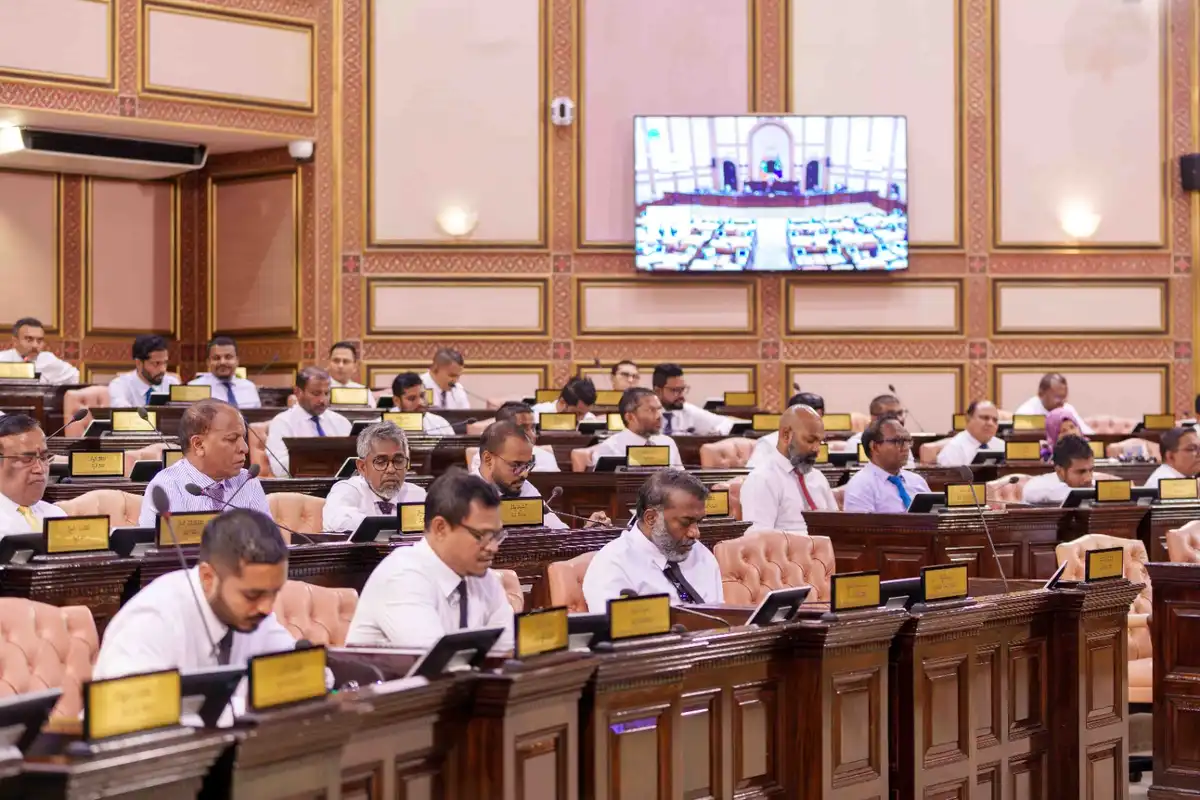
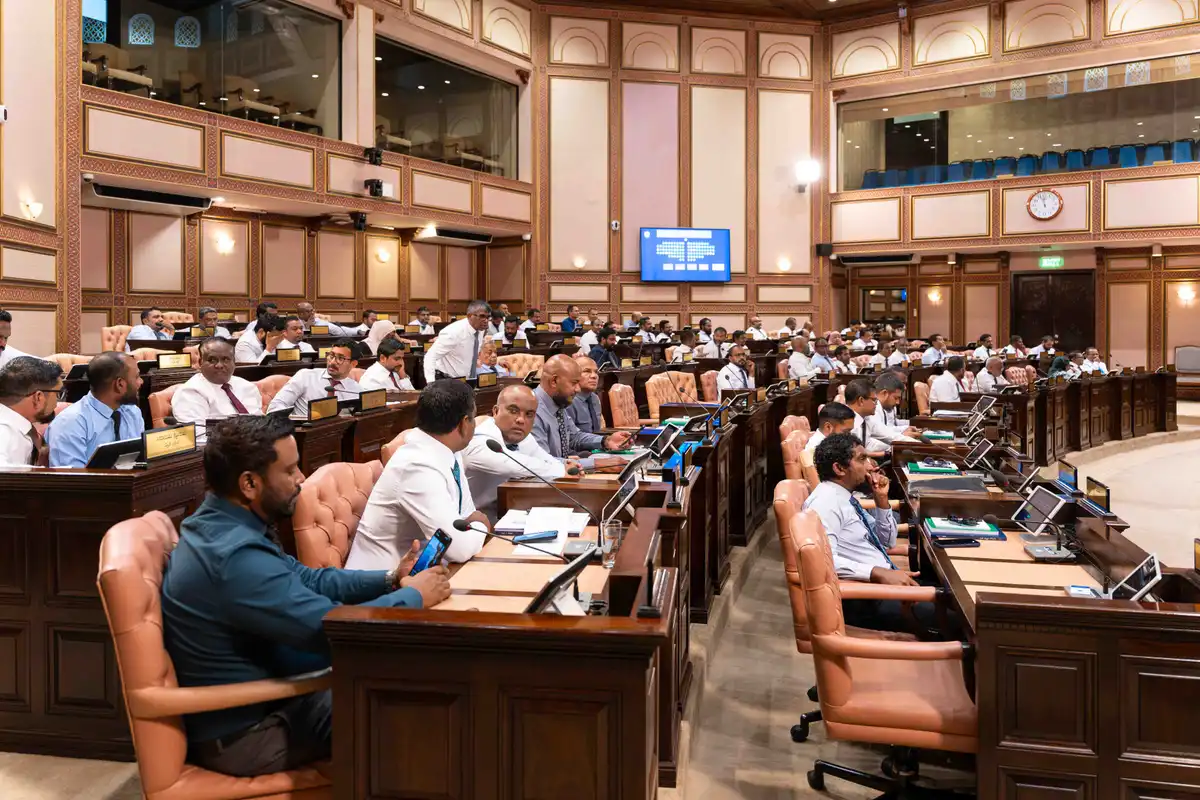
During Tuesday's parliamentary sitting, Meekail stated that members of Parliament have once again entered a phase of self-sabotage. He noted that members currently find themselves constrained by the anti-defection laws previously passed, which mandate the loss of their seats for switching parties.
Meekail stated that the bill concerning illicit enrichment is a calculated move by the government to intimidate and blackmail members of parliament and business owners. He further noted that the bill outlines specific circumstances under which assets can be seized by the state, even in cases where a criminal conviction has not been secured.
Furthermore, Meekail stated that amendments have once again been proposed to the Criminal Procedure Act regarding secret testimony, effectively preventing defendants from mounting an adequate legal defense in court.
Meekail stated that all these bills have been proposed solely to achieve political objectives, describing them as a significant barrier intended to restrict the independence of Members of Parliament.
Article 131 of the proposed amendment to the Criminal Procedure Act stipulates that the court shall have the discretion to order the non-disclosure of evidence, the deferral of its disclosure, or its disclosure subject to specific conditions, provided the presiding judge deems such measures necessary.
The proposed amendment outlines several factors to be considered in reaching such a decision, including the potential for the disclosure of evidence to facilitate further criminal activity, lead to contempt of court, or result in the exposure of the private information of a third party unrelated to the defendant. However, the bill does not provide extensive details or specific criteria regarding the application of these standards.