Panic grips Fenaka head office over deepening uncertainty surrounding STELCO merger
5 އޮކްޓޯބަރު 2026 | ހޯމަ 10:00Following the government's decision to dissolve Fenaka Corporation and merge its operations under STELCO, head office employees are expressing significant concern over their professional future, citing a lack of clear communication from authorities. Although a voluntary redundancy option has been introduced as part of this transition, staff members who sought further clarification from the President's Office report that they have yet to receive a satisfactory response regarding their job security.

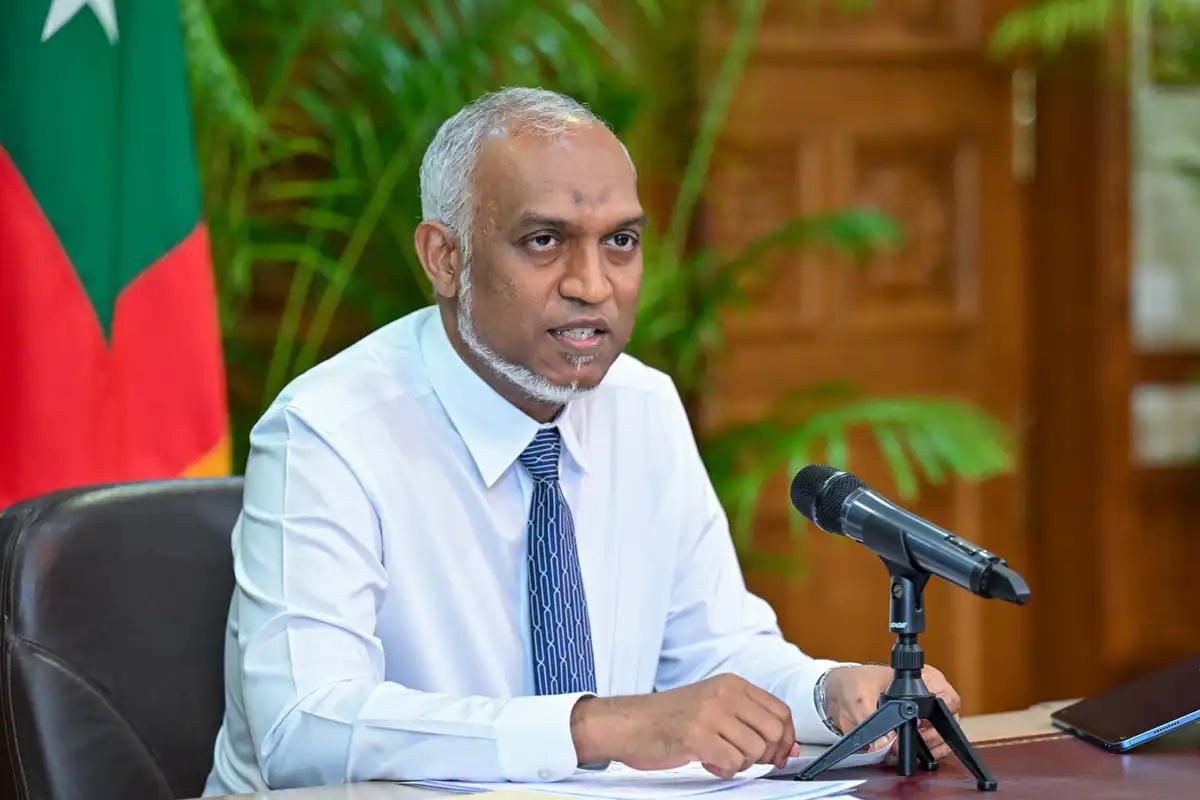
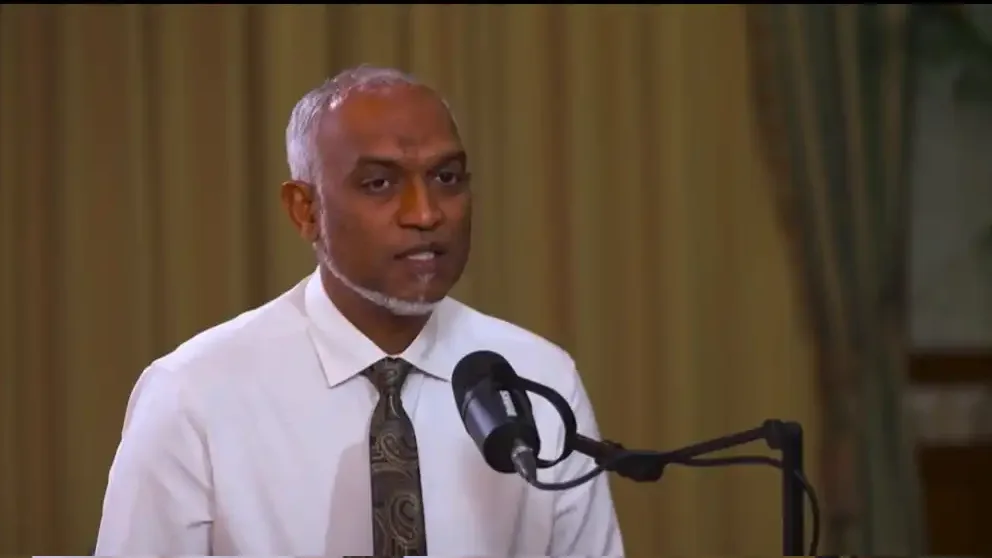
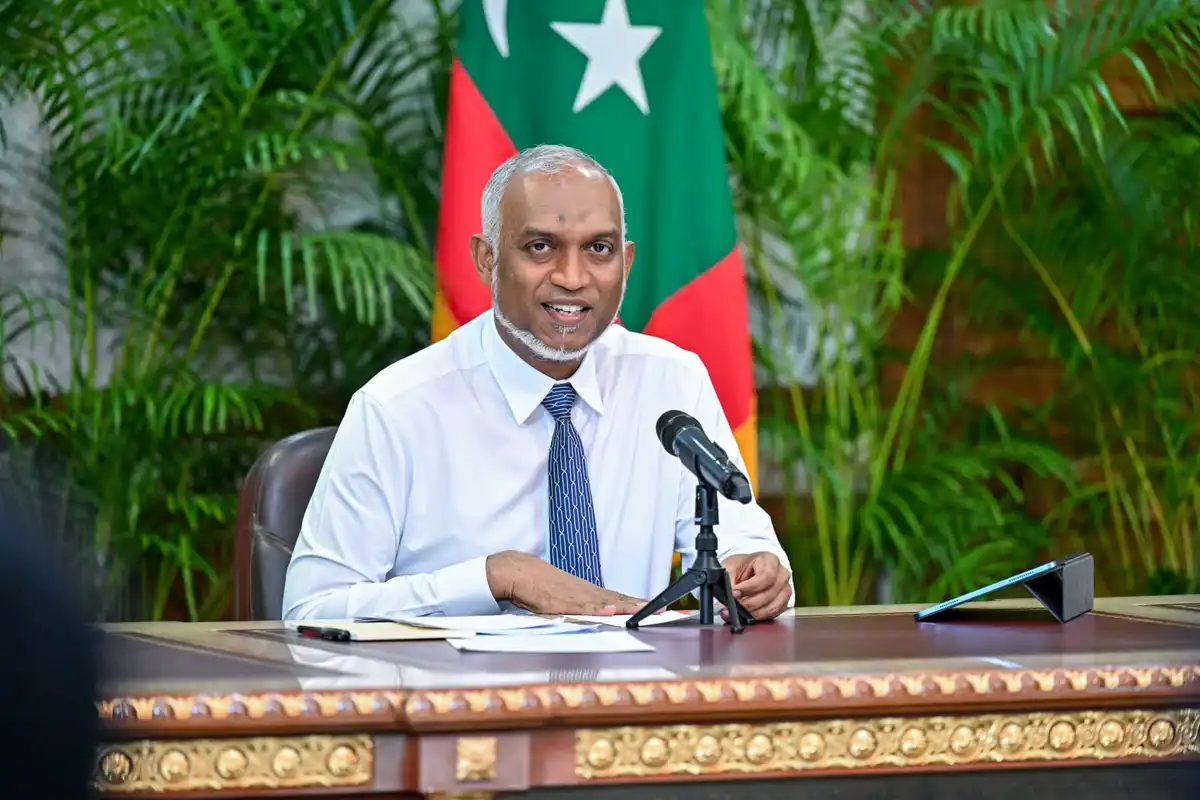
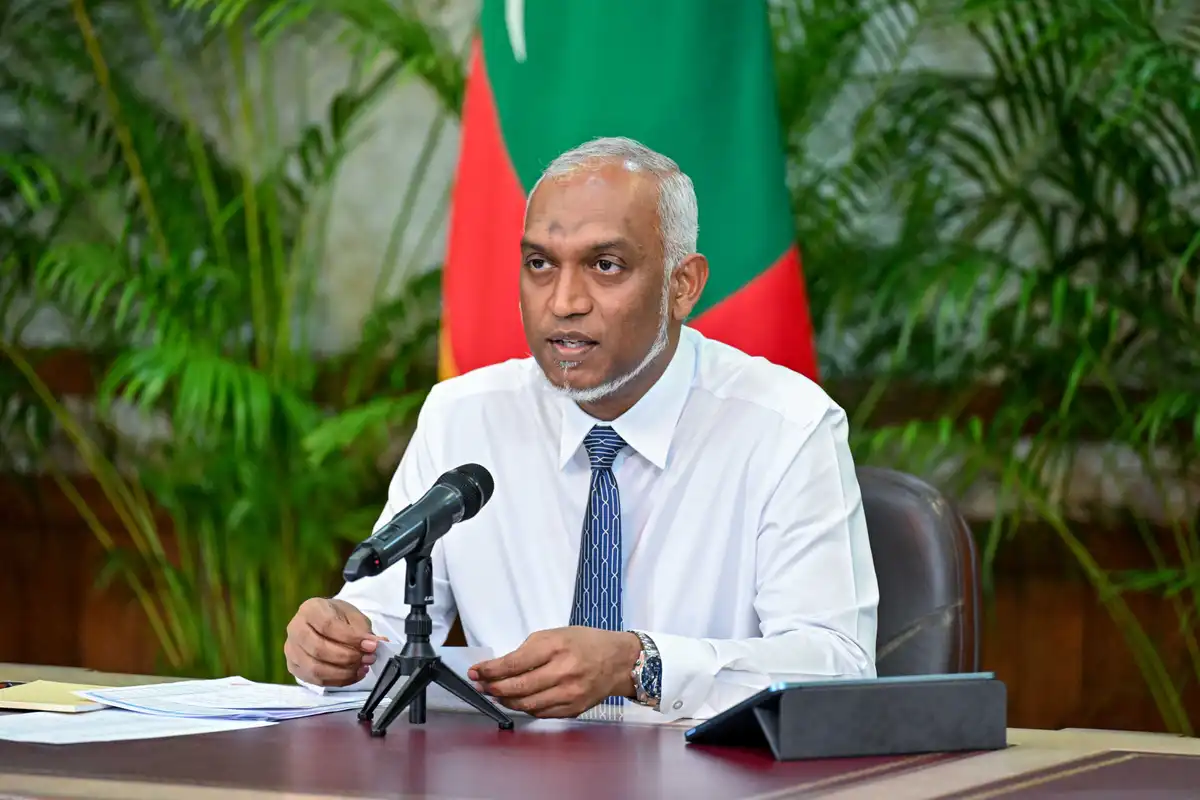
President Dr. Mohamed Muizzu meets with the press. | President's Office
Anxiety and dread have firmly settled over the central headquarters of Fenaka Corporation, where personnel are being forced to carry out their daily duties under a cloud of utter confusion regarding their continued employment.
This downward spiral began immediately after President Dr. Mohamed Muizzu went public with his decree to liquidate Fenaka and shift its entire portfolio directly into the hands of STELCO.
A sweeping mandate framed around efficiency
The public rollout of this consolidation was first delivered by the incumbent at a press briefing inside the President’s Office on September 7. The official vision dictates that STELCO will transform into the singular utility supplying electrical power throughout the entirety of the Maldives, absorbing every facet of Fenaka’s current portfolio straight into its corporate framework.
Behind the conventional government rhetoric of driving workplace productivity and trimming institutional waste lies a colder operational goal, as the head of state made sure to signal that once this transition concludes, the surviving entity will preserve strictly the minimum staffing threshold deemed essential for routine functioning.
Behind closed doors at the finance ministry
The reality of how these redundancies will unfold surfaced when a high-ranking functionary at the President’s Office disclosed that instead of dictating an arbitrary termination quota upfront, the executive branch dispatched an official directive to the Ministry of Finance on September 22.
This formal communication directed the ministry to establish the most workable headcount necessary to keep operations running, fold that chosen cohort into STELCO’s upcoming operational chart, and outright cast aside whoever remains leftover.
A physical duplicate of this ministerial directive was acquired by RaajjeMV, its legitimacy corroborated by several independent contacts, cementing a widespread atmosphere of severe personal vulnerability for Fenaka’s personnel regarding their careers.
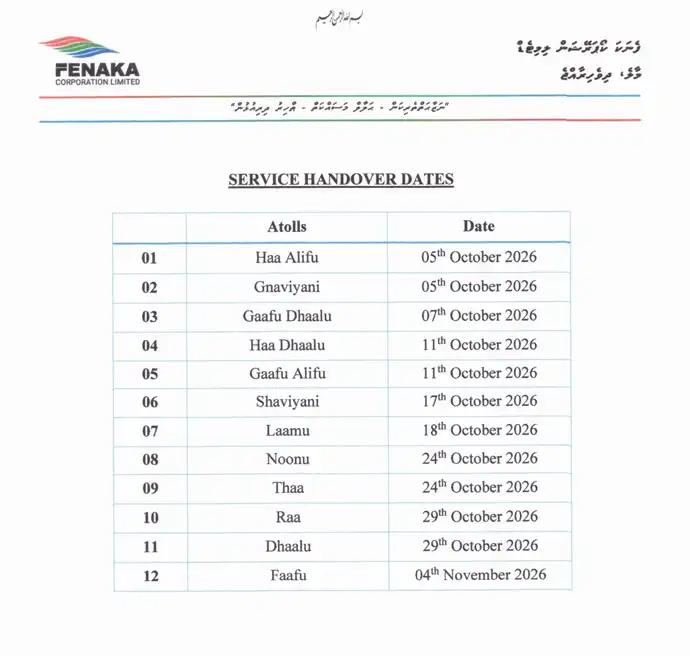
A circular outlining the schedule for the transfer of Fenaka Corporation's services to STELCO. | Raajje MV
Buyouts and empty disclosures
The internal mechanisms of the restructuring soon arrived on desk spaces, as an unnamed department leader at Fenaka confirmed that management blasted an internal memorandum across the main office on October 1, dangling a voluntary exit route.
Those willing to surrender their positions must submit formal notifications by October 6, in exchange for a buyout package worth three months of regular pay.
Alongside this severance ultimatum, staff received a procedural timetable laying out the schedule for shifting operational duties over to STELCO; predictably, however, the paperwork avoided giving even a shred of concrete insight into what fate awaits the head office personnel themselves.
Passing the buck through closed doors
Growing exasperation over this wall of silence eventually drove workers toward the President’s Office in a desperate search for answers. When news of this agitation broke out, Fenaka Managing Director Mohamed Afeef Hussain chimed into an internal staff messaging channel, steering workers back toward their respective departmental chiefs for answers.
However, this attempt at internal deflection collapsed on arrival, because the department leaders were stranded just as blindly in the dark, possessing no tangible facts about the regime’s structural workforce strategies.
Meaningless assurances and contract disparities
Having hit an internal wall, an assembly of central office staff descended directly upon the President’s Office, cooling their heels for a full sixty minutes simply to secure clearance past the entrance.
That lengthy wait yielded nothing remotely decisive or comforting, producing only a generic brush-off promise that the situation would be observed with extreme vigilance, doing nothing to quell their distress while the executive official admitted that these particulars still require formal resolution for the staff.
Adding further insult to injury, word surfaced revealing that recently recruited personnel in Addu City walked away with secure three-year contractual arrangements, while fresh hires scattered across other islands received mere one-year agreements.
These lopsided terms have landed as a painful blow to morale, leaving dedicated, long-standing veterans feeling thoroughly sidelined and abandoned by the system.