Selling paradise by sabotaging our own kitchens
17 ސެޕްޓެމްބަރު 2026 | ބުރާސްފަތި 02:27Industry experts have criticized the recent remarks made by the MD of Visit Maldives regarding food preparation standards in Maldivian resorts, labeling them as irresponsible. It is emphasized that while efforts are being made to promote halal tourism in the Maldives, it is crucial to engage in discussions based on factual information rather than casting doubt on existing systems


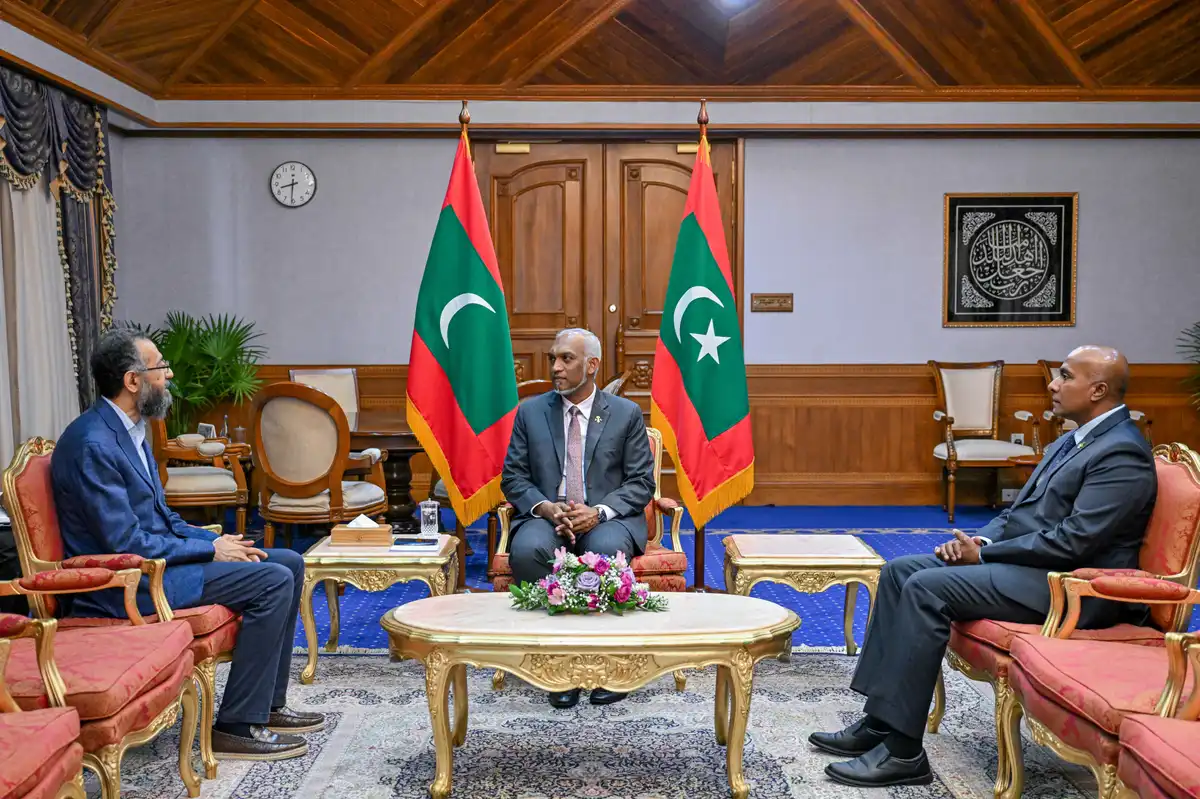
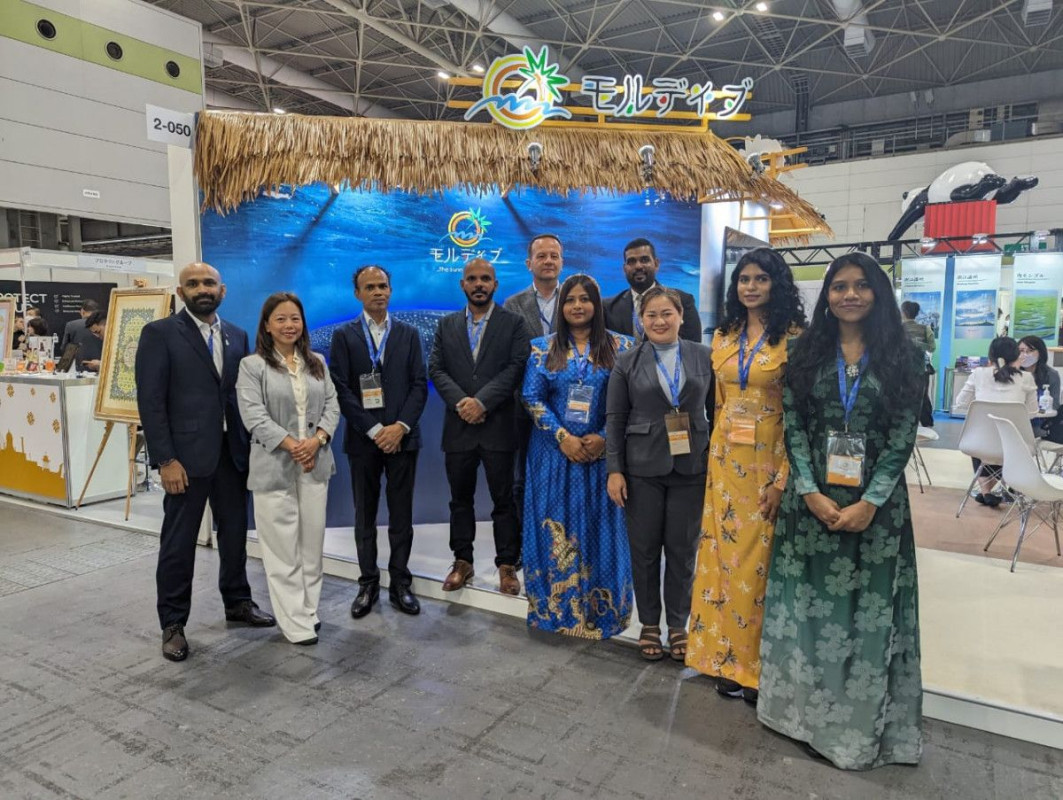
Maldives' largest tourism industry delegation of 2026 takes center stage at ATM Dubai | Visit Maldives Corporation
There are countless sensible strategies to expand the Maldives' tourism footprint, however, broadcasting at a global trade expo that an unsuspecting Muslim traveler’s poultry lunch was likely tainted by bacon grease seems like an exceptionally bizarre marketing pitch.
In a display of baffling public relations, the person charged with selling the Maldives to the world, the Managing Director of Visit Maldives, decided to muse aloud about resort poultry.
He casually remarked that when a Muslim visitor requests a chicken sandwich, the culinary tools behind the counter could very easily have chopped pork seconds earlier. He even took it upon himself to point out that mere water rinses do not magically satisfy genuine Halal criteria, despite the clueless diner naively assuming their meal is permissible.
Having the person entrusted with steering the nation’s foremost tourism promotion agency utter such musings on a world stage is nothing short of breathtaking negligence.
Catching up with basic commercial cooking
Resorts are no longer stuck in the culinary dark ages, having instituted dramatically stricter food security protocols than the haphazard methods seen decades back. Across contemporary island kitchens, staff routinely juggle color-designated cutlery and prep boards specifically to isolate contrasting ingredients. Cookware, pans, and everyday cooking vessels undergo rigorous, intentional separation.
Naturally, these safeguards are not merely about scoring religious points. Any halfway reputable modern galley relies on these intense protocols simply to prevent bacterial transfer, ward off dangerous allergens, and ensure visitors are not struck down by food poisoning.
Long-time trade professionals point out that standards are a world away from where things stood back in the 1980s or even the early 2000s. They bluntly recommend that top agency bosses actually educate themselves on modern kitchen realities before opening their mouths to invent culinary horror stories.
Inventing a wheel that already spins
Faith-conscious travel did not just materialize out of thin air, nor is it a dazzling novelty freshly imported to Maldivian shores by the Visit Maldives marketing office. Industry observers readily note that faith-aligned hospitality has quietly thrived across the archipelago across many years.
Accommodations dotting populated local islands naturally conform to Halal expectations by their very environment, completely unbothered by whether or not they flaunt a trendy marketing tag. Alongside them, multiple luxury resorts already dedicate resources to accommodate Islamic holidaymakers.
Wanting to cement the archipelago's status as a leading faith-friendly hotspot is all well and good, but torching the reputation of the food actively fed to Muslim travelers while trying to court them is pure incoherence.
Reality over trade-show theater
There is certainly room for serious conversations regarding how to reinforce faith-friendly criteria across the sector, including the potential introduction of formalized verification credentials.
Real discussions could legitimately tackle isolated Halal prep areas, exclusive kitchen hardware, and harmonization with recognized worldwide metrics.
Debating whether entirely faith-compliant resort islands can turn a consistent profit is a perfectly legitimate commercial riddle, but that dialogue requires hard operational facts rather than loose slander about the industry we currently run.