President's Office Chief of Staff Fayaz promoted to Senior Minister rank
10 ސެޕްޓެމްބަރު 2026 | ބުރާސްފަތި 08:22The decision to elevate the rank of the President’s Office Chief of Staff to that of a Senior Minister has drawn widespread public criticism, raising questions about the government’s commitment to its own austerity measures. As the administration continues to pledge a reduction in political appointees to stabilize the national economy, critics argue that upgrading the status of high-ranking officials directly contradicts its stated policy of fiscal responsibility.
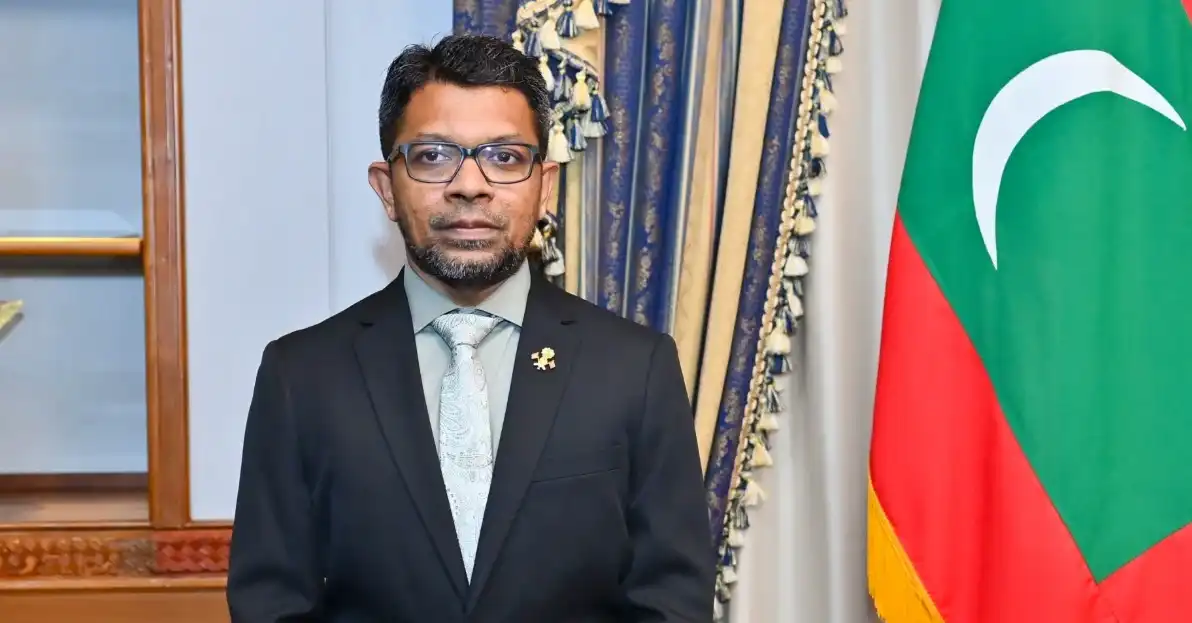
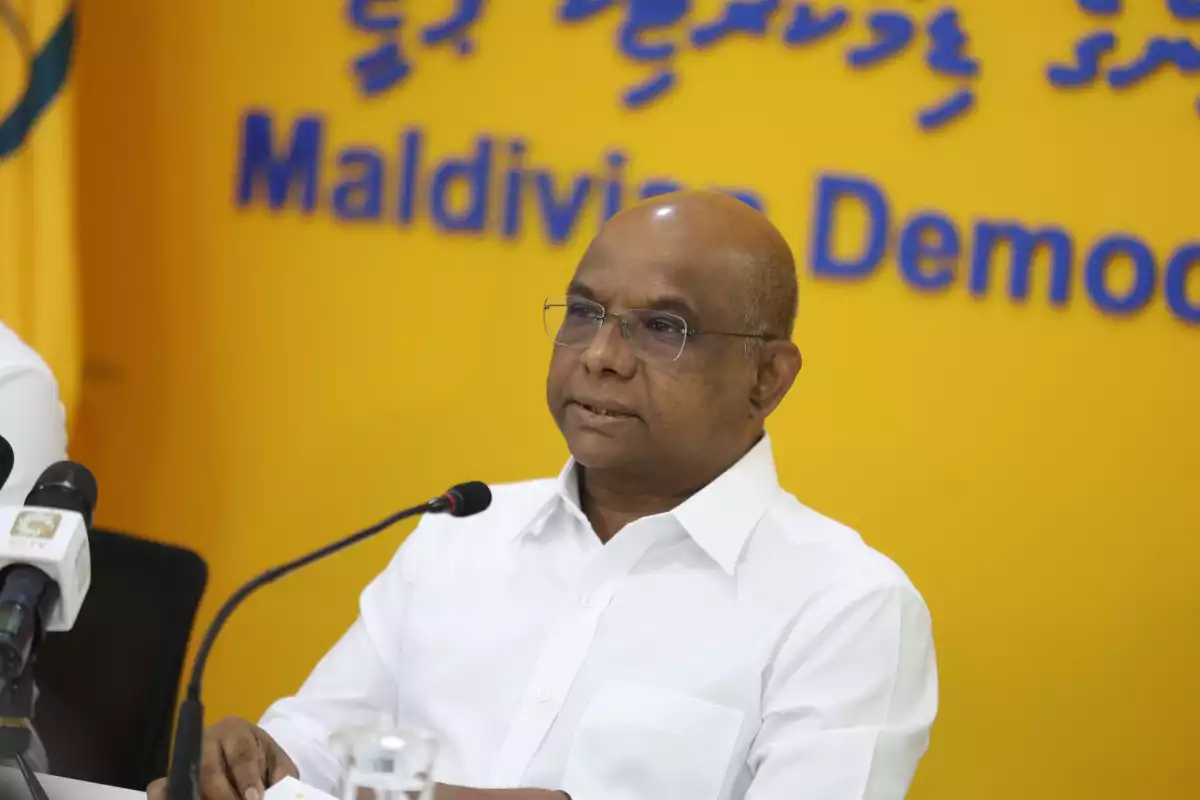
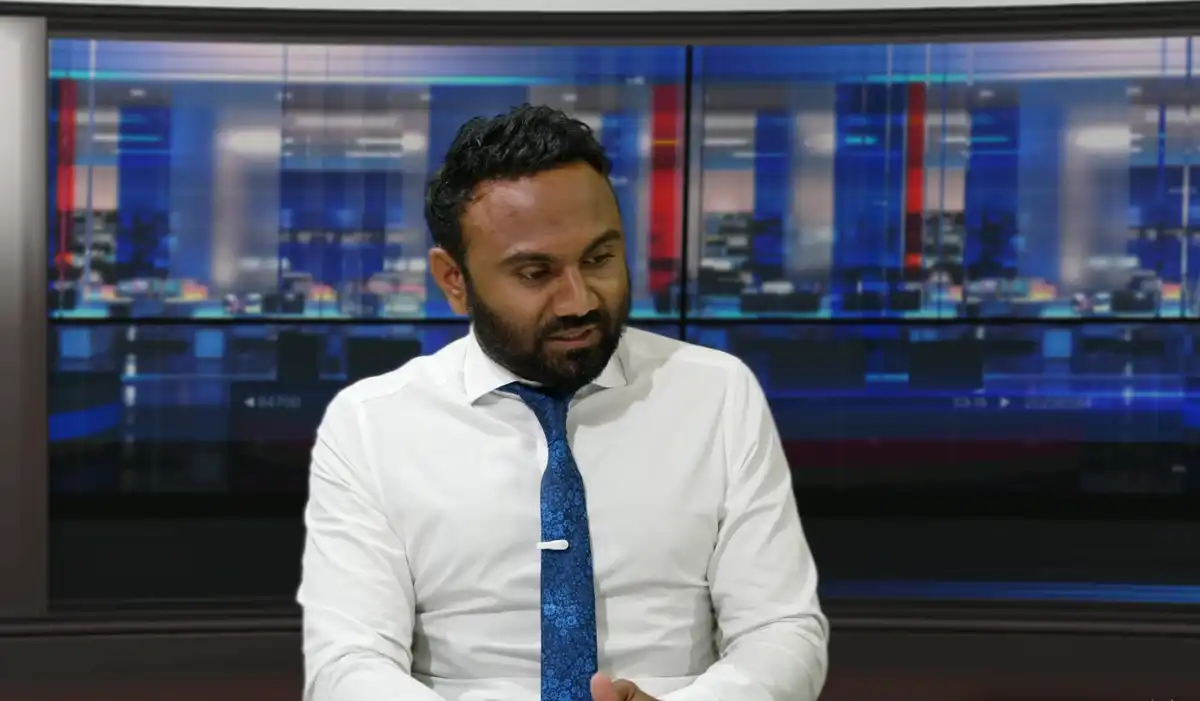
Abdulla Fayaz, the Chief of Staff at the President's Office. | President's Office
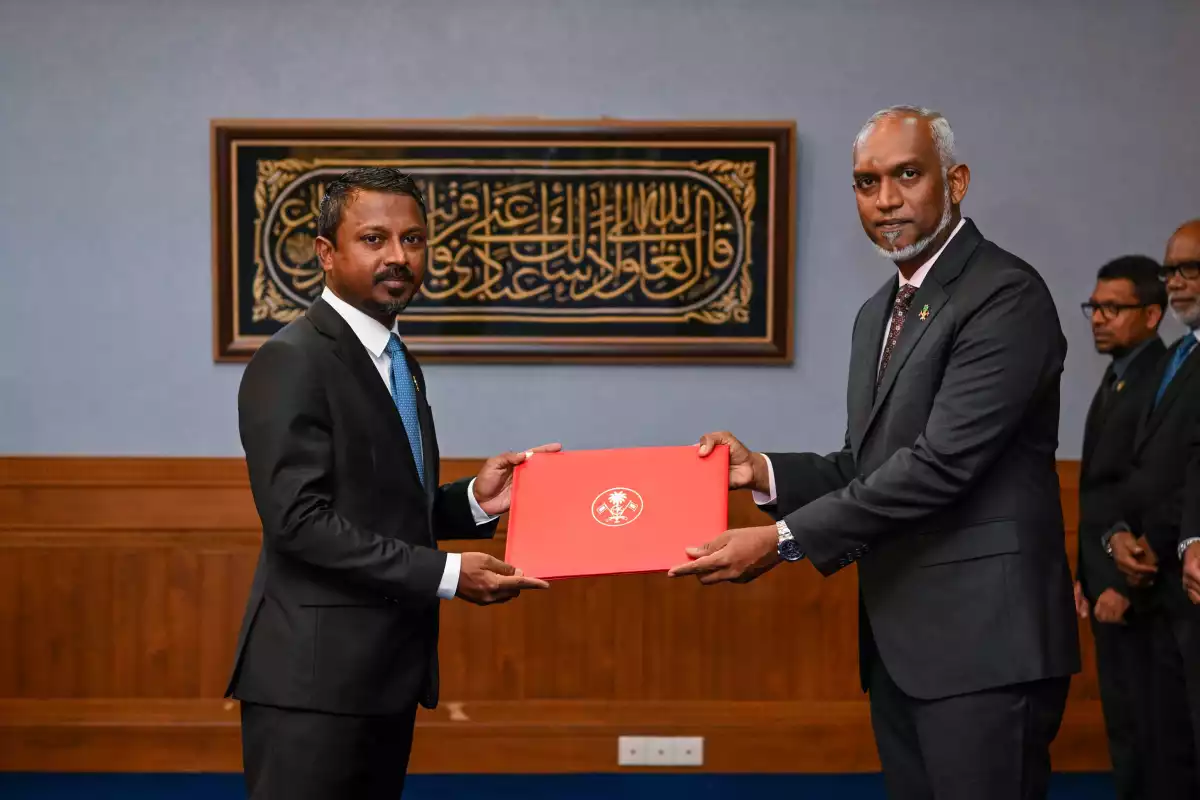
President Dr. Mohamed Muizzu has elevated the status of the Chief of Staff at the President's Office, Abdulla Fayaz, to the rank of Senior Minister.
With Fayaz's position now elevated to the rank of Senior Minister, he holds a high-level standing equivalent to that of Abdul Raheem Abdulla, who was appointed as the Special Advisor to the President earlier in this administration.
Abdulla Fayaz previously served as a Deputy Minister at the Ministry of Housing during President Muizzu's tenure as Housing Minister.
He is widely regarded as one of President Muizzu’s closest allies, having played a pivotal role in his path to the presidency and remaining a key figure within his inner circle since he took office. Many observers believe it was this close relationship and trusted standing that led to his appointment as the Chief of Staff at the President’s Office, the highest administrative position within the administration.
However, the government has come under intense public scrutiny for promoting and elevating individuals close to the President at a time when ordinary employees across various state institutions are being dismissed under a policy to reduce state expenditure. While the administration maintains that it is reducing the number of political appointees, many argue that such decisions highlight a significant inconsistency in government policy.
The government previously stated that it would take decisive measures to reduce expenditures and cut the number of political appointees to improve the country's economic situation. However, the promotion of high-ranking officials places an additional burden on the state budget, highlighting a growing inconsistency in these policies.