Search for toothache relief ends in a tragedy that shattered a family’s hearts
18 ނޮވެމްބަރު 2026 | ބުދަ 12:24A report by the health ministry has revealed significant negligence by Tree Top Hospital and Oracare Dental Clinic in the death of a patient undergoing dental treatment, noting that care was provided without adequate review of the patient's medical history or vital signs. Discrepancies were found in the medical records and the recorded time of transfer to Hulhumalé Hospital following the patient's deterioration. The incident resulted from the failure of the medical facilities to adhere to essential safety protocols


A patient receiving dental treatment | Social Media
One year has passed since a routine dental visit ended in an avoidable tragedy, and the health ministry’s long-awaited investigation report has finally pulled back the curtain on a disturbing pattern of systemic failure.
Dating back to 15 November 2025, this fatal incident left a grieving family behind, all stemming from glaring carelessness and outright regulatory breaches committed by medical staff and healthcare centers at nearly every turn.
Delivered to the victim's relatives after an agonizing 12-month delay, the findings paint a grim picture: from the very first check-in to the patient’s dying breath, the healthcare system failed to execute even the most elementary life-saving protocols.
This fatal chain of events was set in motion on 15 November 2025, at Tree Top Hospital. Even though existing records clearly indicated the patient was being managed for ongoing chronic illnesses, the facility bypassed any evaluation of their baseline health before jumping straight into dental work.
Astonishingly, staff left zero documentation showing they checked blood sugar management, nor did they bother consulting a physician ahead of the intervention.
According to the ministry's review, non-negotiable baseline screenings, specifically checking vital signs and blood glucose, were completely ignored.
Once an attempt to pull the tooth fell short, the patient was sent off to an outpatient clinic instead of a full-scale hospital equipped to handle acute medical crises, completely overlooking the fact that an oral and maxillofacial surgeon was required.
Adding insult to injury, the transfer paperwork left out what anesthesia had already been given, compelling the patient's accompanying relative to trek back to the hospital just to retrieve those details and burning precious minutes in the process.
Later that very same day, the patient arrived at Oracare Dental Clinic, only to be met with an equally reckless disregard for medical standards. Staff failed to log the time of the appointment on the prescription slip and skipped recording a medical history altogether.
Even after the attending dentist pulled up the patient's file on the Vinavi portal which explicitly flagged chronic diabetes, thyroid complications, high cholesterol and poorly managed blood sugar, none of the accompanying dangers were written down or reviewed with a medical doctor.
Worse still, despite having no clue how much anesthetic Tree Top Hospital had already injected and despite the dentist's own initial instinct to delay the work given the patient’s visible anxiety and fragile health, the clinic caved to the family’s pleas to stop the pain and went ahead with the procedure the same day without putting a single safety measure in place.
Oracare Clinic compounded these errors by skipping vital sign and blood sugar checks before starting the work. In direct defiance of Article 66 (a)(2) of the Regulations on the Operation of Healthcare Facilities which strictly requires signed, written informed consent whenever anesthesia is used, staff settled for nothing more than a verbal go-ahead.
Three teeth were ultimately pulled without anyone noting down when the anesthetic was injected or tracking vital signs afterward. Although the dentist later insisted the patient appeared fine at the time, investigators found that the clinic barely waited long enough between administering the anesthesia and sending the patient out the door to properly observe their recovery.
On top of everything else, the patient's cardiovascular vulnerabilities were entirely brushed aside, and the clinic lacked the basic emergency infrastructure needed if things went south.
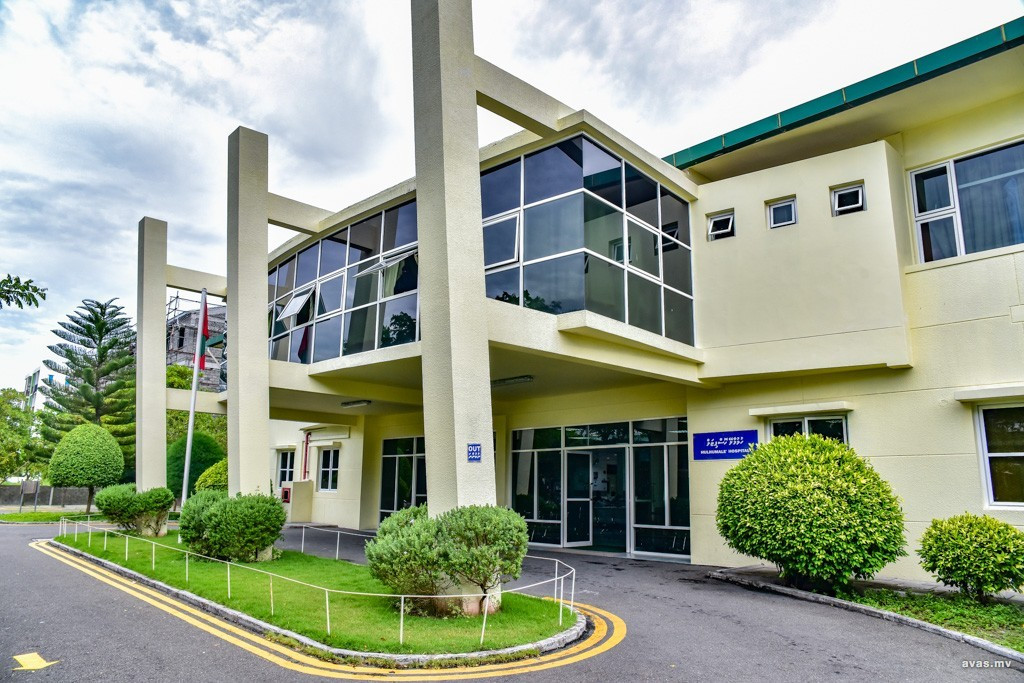
Sure enough, moments after walking out of the clinic, the patient went into a rapid tailspin, experiencing urinary incontinence, profuse sweating and a fading level of consciousness which prompted an urgent rush to Hulhumalé Hospital.
Once there, clinical evaluations uncovered catastrophic heart trauma, marked by a complete heart block and spiked cardiac biomarkers that had plunged the body into cardiogenic shock.
When nurses finally logged the first set of vitals at 03:15pm, the patient's pulse sat at 64 beats per minute while blood pressure had plummeted so severely the monitor could not even register a reading.
Even though staff immediately wheeled the patient into the resuscitation bay, cardiac arrest struck at 03:22pm, forcing doctors to launch CPR. Relentless chest compressions and three separate shocks from a defibrillator proved futile, and the patient could not be brought back. At 04:20pm, the patient was officially declared dead, leaving a devastated family in the wake of a wholly preventable disaster.
A closer look at the hospital's paperwork later uncovered troubling inconsistencies in how timestamps were logged; Hulhumalé Hospital’s emergency department chart was missing the exact arrival time, which subsequently showed up with conflicting entries in the discharge summary.
These discrepancies threw major roadblocks in front of investigators trying to piece together an accurate timeline of what happened.
Taken as a whole, the ministry's investigation lays bare an institutional breakdown across multiple facilities that repeatedly neglected to track the patient’s status, log basic vital signs or secure mandatory written consent prior to, during and following treatment.
More than anything, it exposes an utter unwillingness to weigh the mortal risks facing the patient.
Though these critical details have finally surfaced a year after the fact, the permanent void left in this family’s life cannot be brushed off as simple paperwork slip-ups, it is the direct consequence of inexcusable negligence that cost a human life.