A regime that built nothing claims everything
2 ސެޕްޓެމްބަރު 2026 | ބުދަ 09:38President Muizzu’s remarks concerning the amendments to the foreign exchange regulations are deeply concerning, as they risk defaming tourism industry leaders and undermining investor confidence. His warnings, suggesting that resorts are state property, pose a significant threat to the tourism sector, and could lead to formidable challenges for the industry

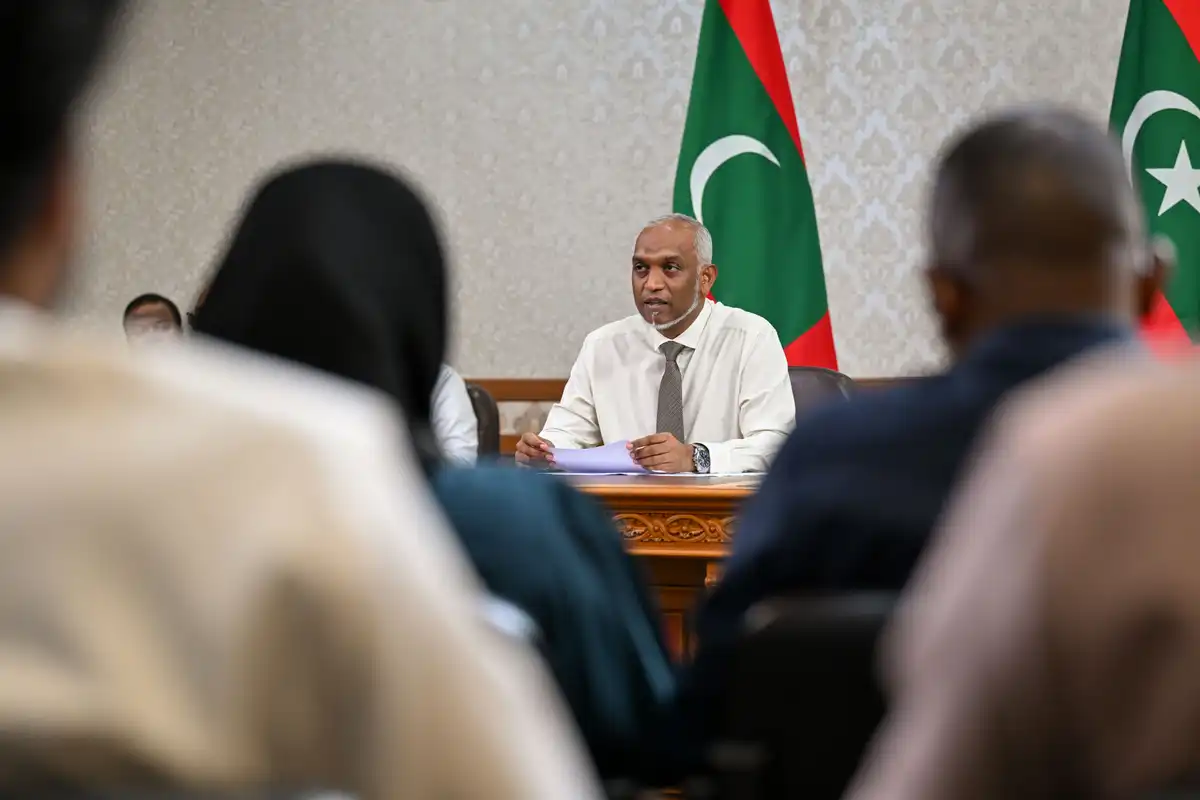
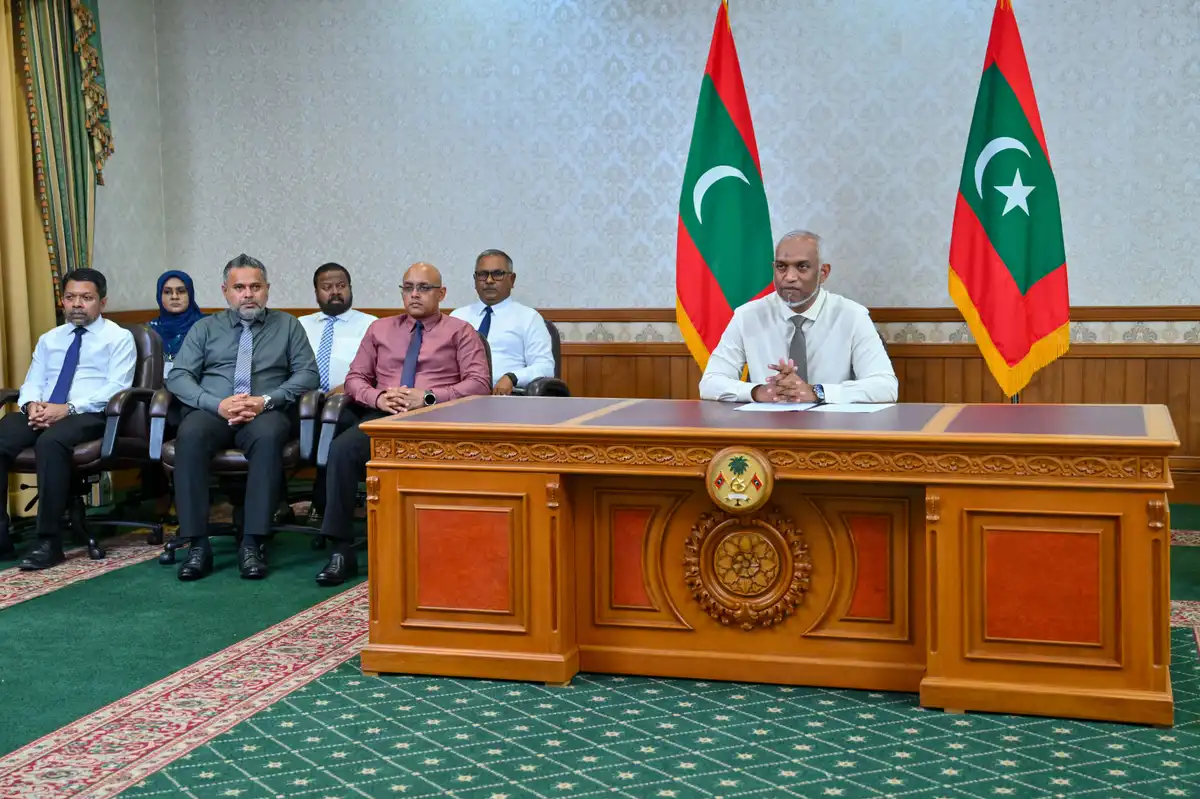
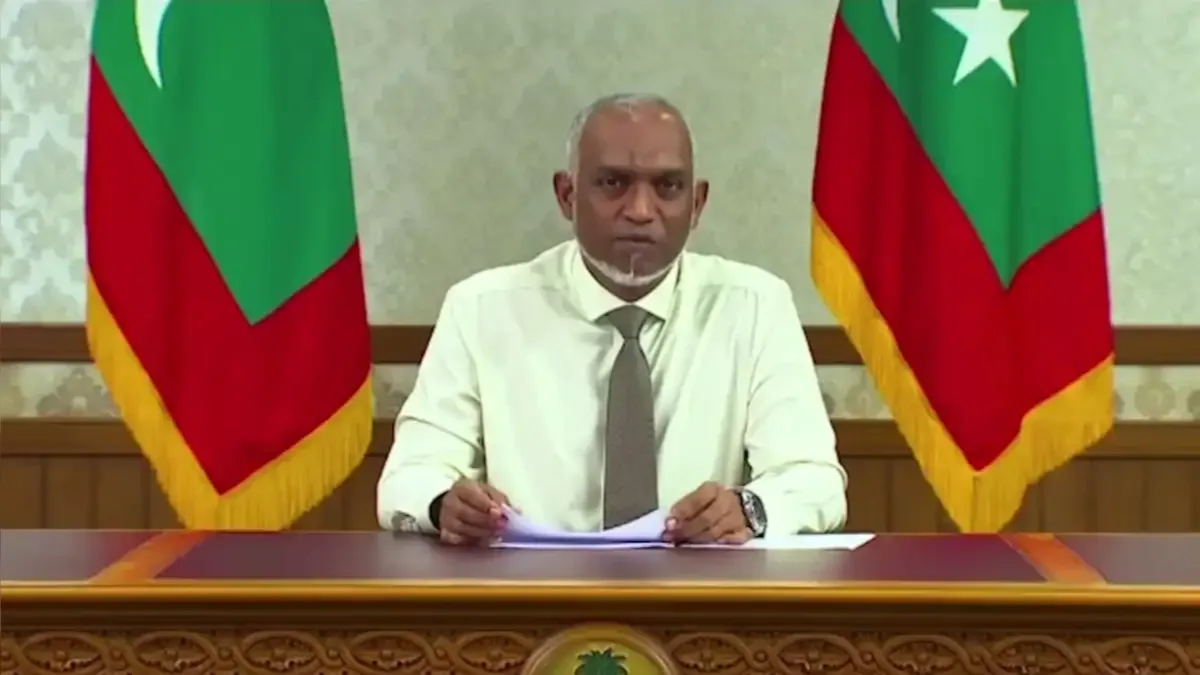
President Dr. Mohamed Muizzu at a presser | President's Office
Back in 1972, a handful of visionary locals built Maldivian tourism from the sand up with sheer grit and zero institutional backing.
Over the past five decades, those relentless individual efforts have turned the trade into the undeniable financial backbone of the nation, elevating it into a premier destination on the planet.
Multinational luxury giants now pour countless millions into the country, but the state’s actual contribution to this miracle remains laughably negligible.
All authorities ever managed to do was allocate plots of land or empty lagoons, pile on an exhausting web of restrictions, and hover greedily over foreign exchange inflows to fill public accounts.
This multi-billion-USD enterprise was never a state creation. For any head of state to abruptly claim supreme dominion over every independent resort, treating private enterprises as personal playthings to be manipulated on a whim, signals a reckless and thoroughly toxic delusion.
Rubber stamps and presidential spite
The warning signs flashed bright red on Monday during a gathering held inside the President's Office, where Dr. Mohamed Muizzu unburdened himself of some genuinely unsettling views on hospitality.
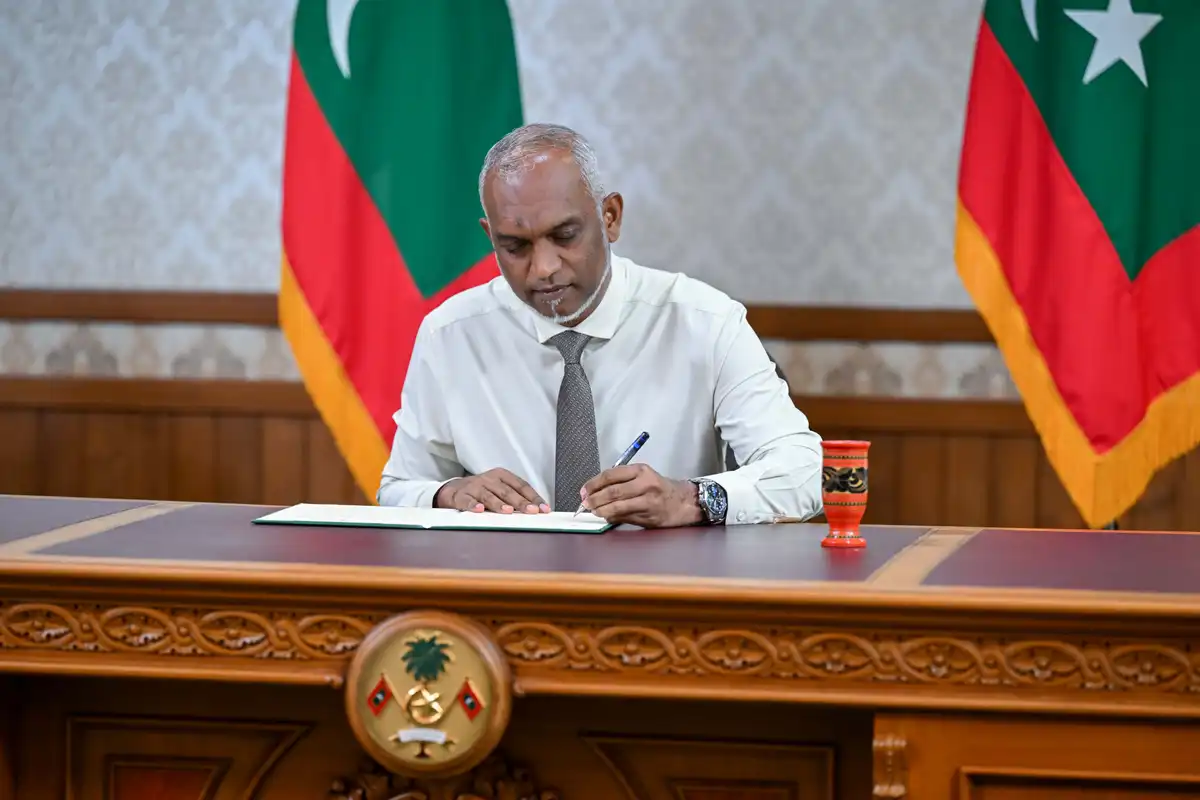
Fresh off endorsing seven separate statutes whipped through a docile, compliant parliament that functions as his personal echo chamber, the head of state turned his sights toward recent legal overhauls.
His vitriol settled squarely on revisions to the Foreign Exchange Act, which slap resorts with mandatory currency conversion rules. Adopting an abrasive, dismissive posture, he openly maligned sector workers, actively stoking societal outrage and hostility against them.
Rather than offering economic leadership, he threw around reckless charges, casting these professionals as enemies actively undermining everyday citizens and the nation.
Cooking books and stalking guests
The head of state escalated his attack by alleging that resort executives are openly plotting to falsify accounting books to simulate zero earnings.
Declaring that past regimes might have let such fiscal trickery slip by, he boasted that his freshly enacted laws would slam the door on these schemes. He openly sneered at the idea that operators could outsmart him, insisting that while previous leaders were easily tricked, his administration cannot be hoodwinked, an undisguised accusation of rampant corporate fraud.
As if accusing them of financial crime were not enough, he unveiled plans for an invasive surveillance apparatus targeting international arrivals.
Completely ignoring the reality that affluent travelers prize absolute seclusion above all else, he announced a tracking network designed to map out, within a thirty-day window, exactly where every visitor wanders, where they sleep, and the precise moment they exit the borders.
Unnamed saboteurs and black market bogeymen
Next came charges of currency sabotage, with claims that tourism operators threatened to dump foreign funds into unregulated street markets. The head of state alleged that private messages reached him demanding cuts to government spending and the abandonment of campaign pledges.
According to his narrative, these operators argued that massive state expenditure to fund political promises would drive up exchange rates, warning that they would route their foreign cash through informal exchange networks in response.
However, while urging reporters to chase down and interrogate these supposed conspirators, he failed to provide a single name, leaving the accusation hanging in the air as shadowy gossip.
Erasing the line between public land and private property
The performance reached its peak when the head of state delivered blunt threats directly to business proprietors. Insisting that the welfare of everyday citizens was in jeopardy and emphasizing that these resorts sit on national soil, he barked repeatedly that these properties are nothing less than state assets.
His hostile demeanor made it unmistakably clear that he views these establishments as territory where he can impose his whims without constraint.
This outburst exposes a staggering failure to grasp the basic difference between the permanent nation and the ruling administration. Private citizens and corporate entities are essential parts of the state, even if they operate outside the presidential circle.
The reality is straightforward: these operators secure legal leases on lagoons and islands governed by public jurisdiction. They spend staggering sums of capital, often borrowed directly from global banking institutions, to construct world-class luxury properties through sheer determination.
Once operational, these venues consistently transfer lease payments to the treasury, clear massive tax obligations, service their immense international debt, and spend millions maintaining daily operations and payroll.
No rational observer could possibly conclude that a temporary officeholder holds the unilateral authority to treat legally leased commercial operations as personal domain.
Terrifying investors and sabotaging the future
These statements cannot be brushed aside as mere political theater. Launching baseless assaults on business integrity and rewriting property rights sends a chilling warning across the global financial landscape.
This rhetoric appears to be designed purely to bully and shake down enterprises that shoulder immense fiscal risk. Intimidating travelers with invasive surveillance and signaling that the administration can seize control at will destroys hard-earned market credibility.
Ultimately, that destroyed trust will bankrupt the country’s main economic engine.
The fundamental outrage remains unresolved: what gives a political figure who contributed absolutely nothing to the creation of this thriving industry the audacity to dismantle it simply because he holds power today?