Calls made to halt efforts aimed at mandating conversion of tourism sector salaries and service charges into MVR
26 އޯގަސްޓު 2026 | ބުދަ 09:48The Tourism Employees Association of Maldives (TEAM) has expressed concern that new regulations requiring resorts to exchange more foreign currency will force employers to pay staff salaries and service charges in Maldivian Rufiyaa. The association emphasized that it is unjust for employees to bear the burden of the nation's foreign exchange shortage and called on the government to instead focus on reducing wasteful public spending.


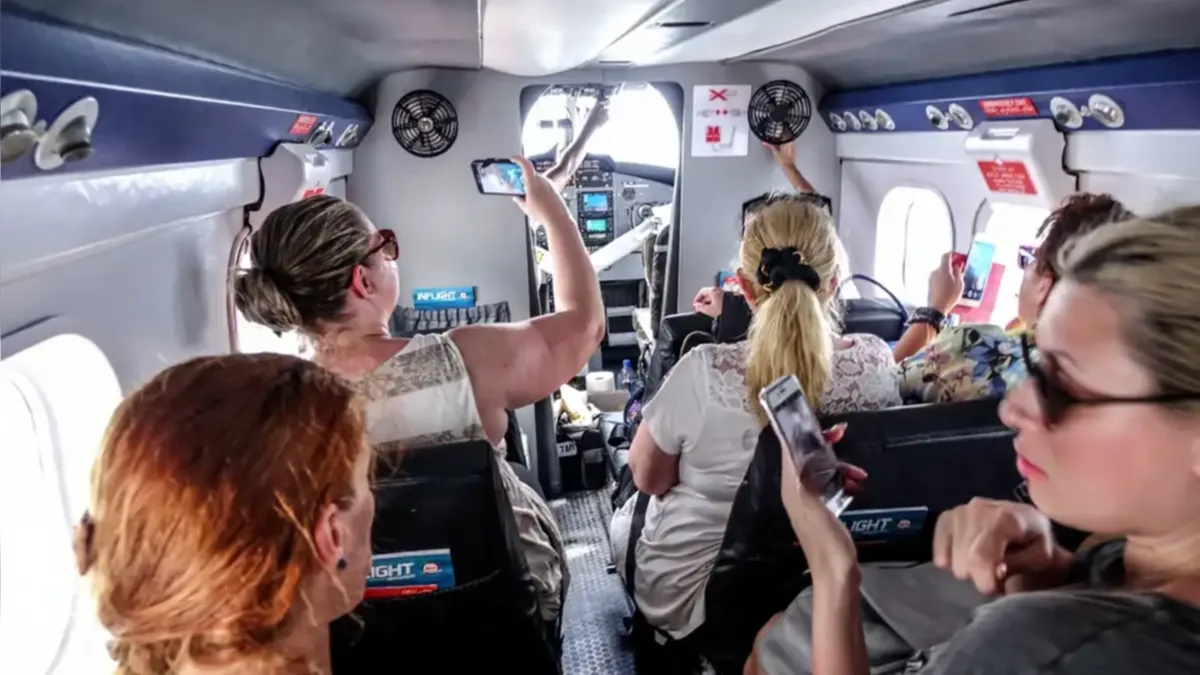
Resort employees at work.
The Tourism Employees Association of Maldives (TEAM) has called on the government to halt all efforts aimed at mandating the payment of salaries and service charges for tourism sector employees in Maldivian Rufiyaa.
In a statement, the association noted that resort operators are warning they will be forced to pay employee salaries and service charges in Maldivian Rufiyaa instead of US Dollars. This follows the government's decision to increase the mandatory foreign currency conversion requirement for resorts to 40 percent of their total foreign exchange earnings.
The Tourism Employees Association of Maldives (TEAM) has expressed profound concern over the decision, stating that it will lead to a drastic reduction in income for tourism sector workers and impose a significant financial burden on them. The association further emphasized that holding employees accountable for the country’s foreign exchange shortage is both unjust and unacceptable, noting that this situation did not arise from any negligence on the part of the workforce.
TEAM stated that the association and industry workers will not support any decision to convert dollar earnings into Rufiyaa without a full guarantee that employees can access dollars at the official rate of MVR 15.42 as needed. The organization further emphasized that any measures affecting employee salaries should only be taken as a last resort, following comprehensive consultations with all relevant stakeholders.
Furthermore, the team called on the government to reduce wasteful spending, cut the number of political appointees, and halt large-scale "vanity projects" requiring dollar expenditures—excluding essential services—to alleviate the foreign currency shortage. The team also urged the government to downsize unnecessary embassies and diplomatic missions abroad and to cease the practice of printing money.
The Tourism Employees Association of Maldives (TEAM) has reaffirmed its unwavering commitment to standing with tourism sector workers to protect their rights against adverse policies that could undermine their livelihoods and income.
In addition to TEAM, stakeholders across the tourism sector are voicing strong opposition and criticism toward the government's policies, which officials claim are intended to stabilize the dollar exchange rate. Many industry professionals argue that these measures have failed to achieve their objective, resulting only in increased difficulty in accessing foreign currency and a subsequent rise in the dollar's value.