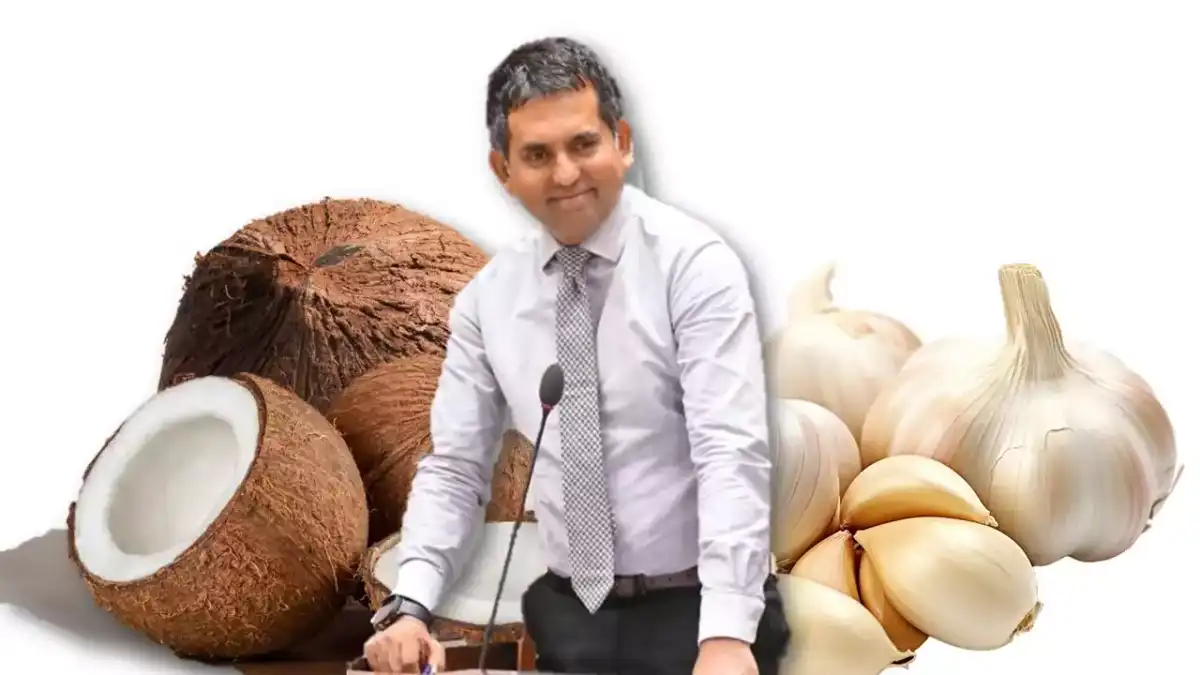
Muizzu and the calculations that don’t add up
3 ސެޕްޓެމްބަރު 2026 | ބުރާސްފަތި 13:09While the Muizzu administration maintains that major projects and economic reforms are undertaken following extensive research and technical evaluation, the practical reality suggests otherwise. This article highlights the government's shortcomings in fulfilling its pledges regarding the Ras Malé project, the foreign exchange crisis, and the restructuring of the Aasandha scheme. Consequently, the administration faces mounting criticism over the evident disconnect between its strategic rhetoric and actual results

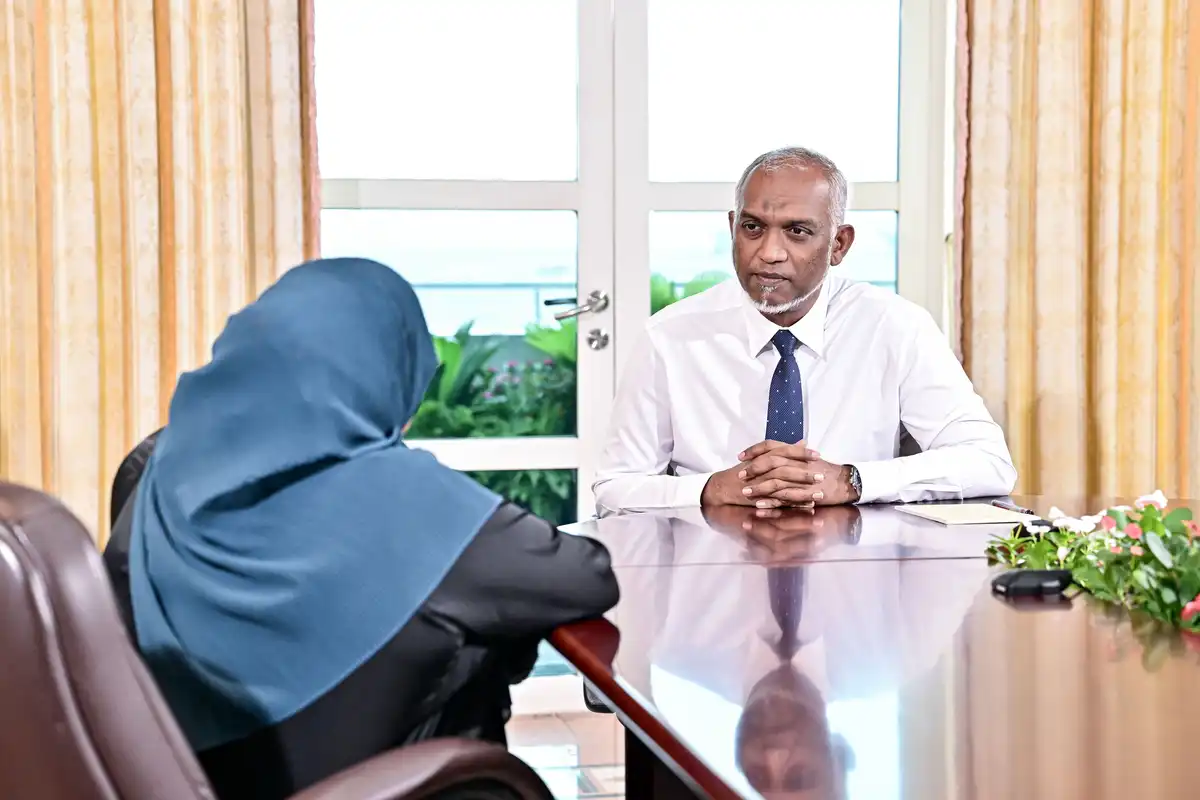
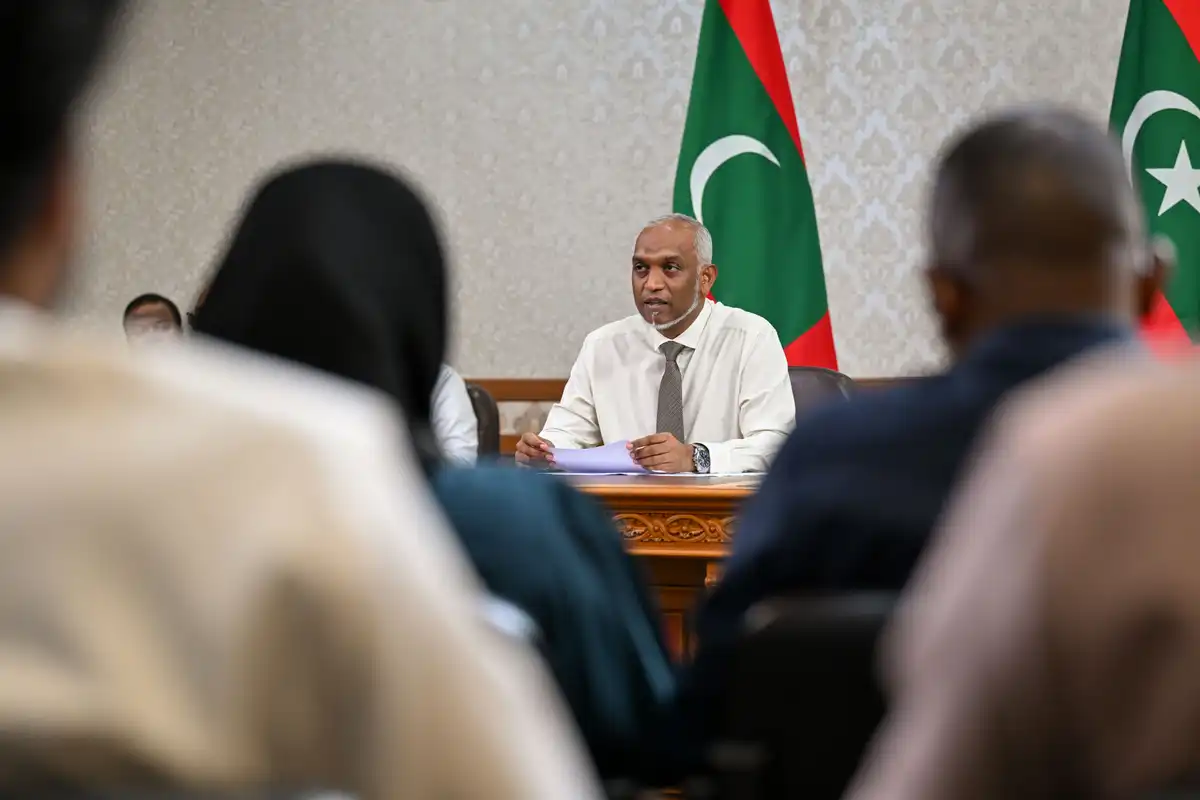
President Muizzu meets with the public as part of the "Rayyithunge Adu", a government series launched in mid-August 2026 | President's Office
Back when the ballots were tallied, an unsettling fog of dread settled over the nation. It almost felt like the end of time, leaving citizens with an uneasy impression that they would soon wake up stranded in an entirely foreign land.
That apprehension took root the moment Dr. Mohamed Muizzu, running on the People’s National Congress (PNC) ticket, captured the presidency off the backs of voters who took his lofty commitments at face value.
During that period, his self-assurance was absolute, having insisted to the public that every scheme had been brought to completion on paper, that all required capital had already been locked down, and that the prevailing condition of the national economy was essentially irrelevant. Whatever its distress, he pledged he would single-handedly nurse it back to health and deliver on every front. The narrative was clear: the work was mapped out to the finest detail, the funding sparked zero anxiety, and every crucial calculation had already been resolved without a hitch.
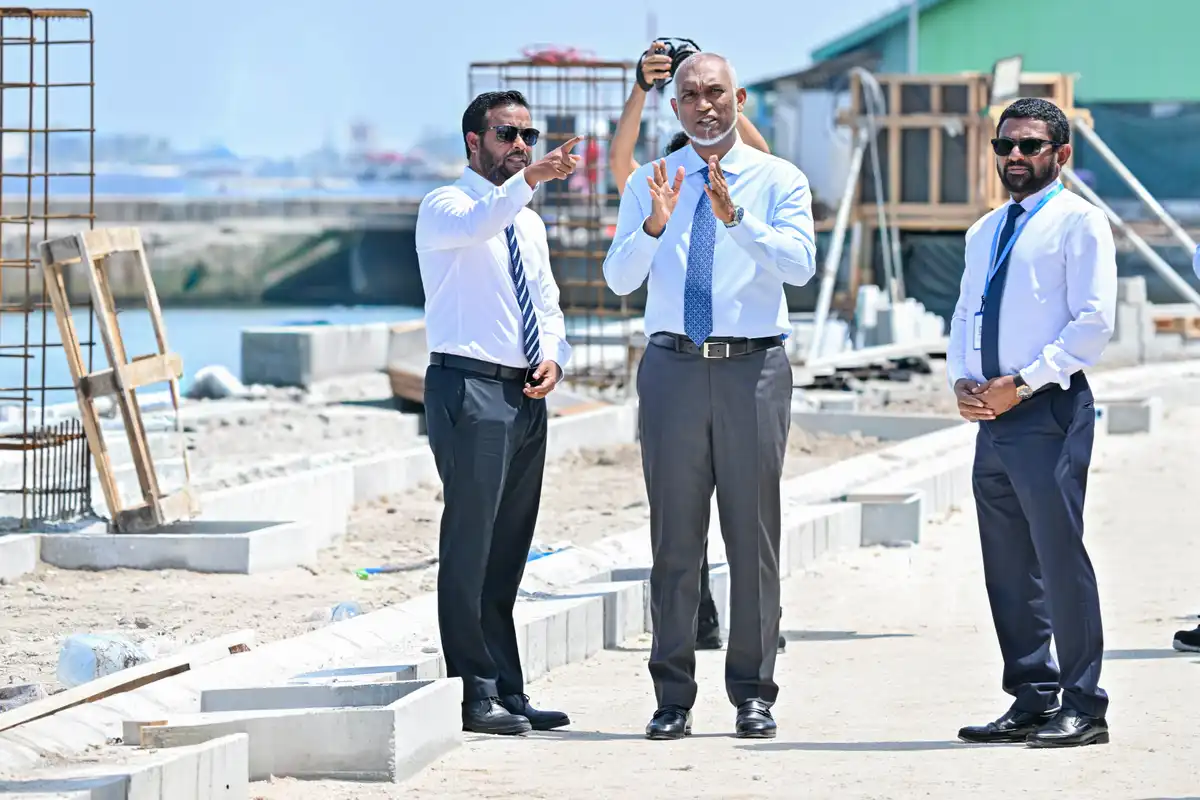
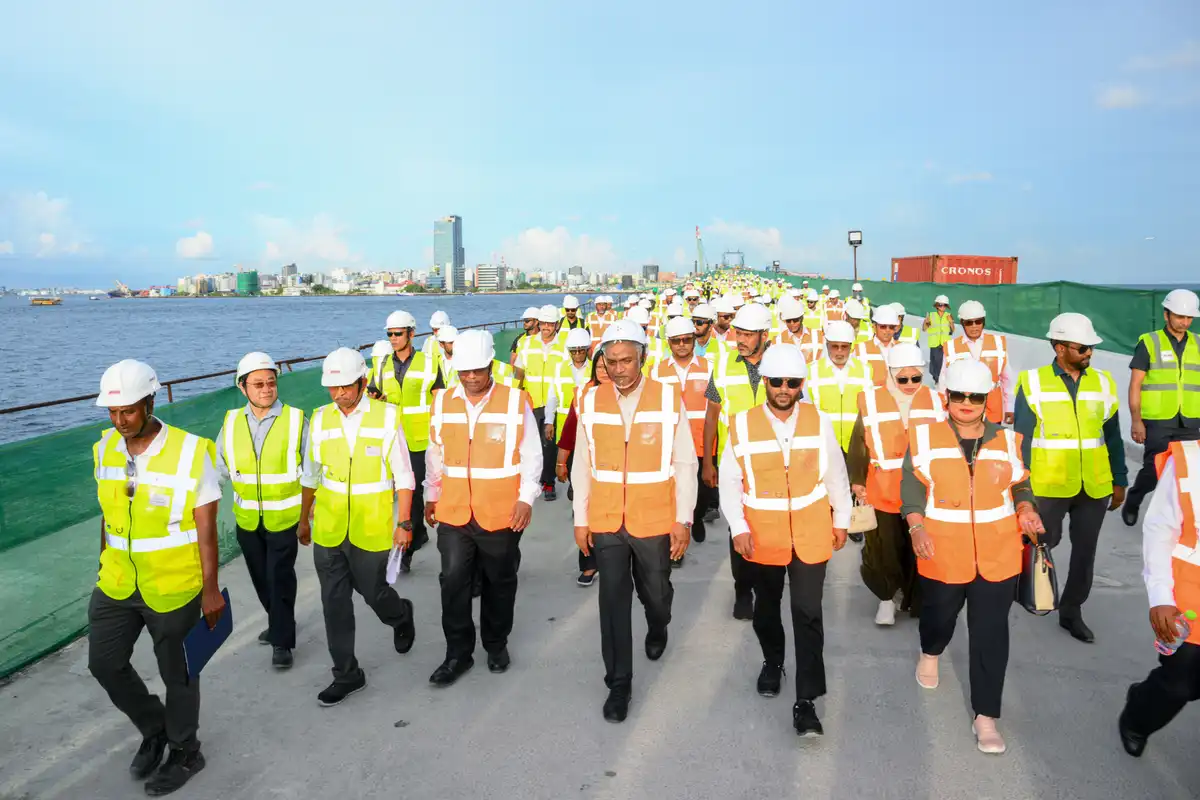
Front and center among these grand guarantees was the colossal land reclamation and residential venture known as Ras Malé. The bold assertion made to the public was that this undertaking would cross the finish line without extracting a single Laari from public coffers. Fast-forward past the midpoint of his presidential tenure, and the entire endeavor sits thoroughly dead in the water.
Far from avoiding state expenses, vast fortunes are vanishing into this black hole. Millions of U.S. Dollars drawn straight from the public purse have been burnt to summon the biggest dredging vessels on earth. As for those original, supposedly ironclad calculations, nobody has the faintest idea what became of them.
In the honeymoon phase of his tenure, when parliamentary election campaigning was in full swing, the narrative pivoted to convenient finger-pointing. The administration complained bitterly about working under a fiscal plan drafted by the preceding regime, insisting that very document had been engineered specifically to stifle their progress and tie their hands. Give us our own legislative majority, the argument went, and the new government will construct an authentic budget that will actually unleash national progress.
The populace complied, handing over the desired legislative majority, and every budget request that followed was stamped and passed. However the promised transformation remains utterly invisible. Far from launching new wonders, existing ventures that were already actively under construction have shuddered to a full stop. Metal rebar sits exposed to the elements turning into flakes of rust, while bags of cement have set into useless stone blocks. Recently dredged harbor basins are choking with returning silt, and sand pumped up for island reclamation simply dissolves back into the ocean currents. The transport vessels that once moved heavy boulders across the water have vanished, and the massive earthmovers trucked in as campaign props stand completely silent. Such is the breathtaking accuracy of these much-hyped calculations.
The legislature was delivered on a platter precisely as demanded. Alongside that plea came an explicit guarantee: armed with a parliamentary majority, the foreign currency exchange rate would be dragged down to an equitable, fair level entirely through deliberate, calculated measures.
The electorate was repeatedly told that serious technical groundwork and strategic foresight were driving these fiscal maneuvers. It was stated as fact that by the opening quarter of 2026, the foreign currency allowance allocated to every outbound Maldivian traveler would double from five hundred to one thousand greenbacks. All of this was framed as the direct triumph of calculated planning and technical sophistication. However, to this very day not a single Maldivian stepping onto an airplane has been allowed to buy that thousand-USD allowance.
The same grand story surrounded commercial trade, with guarantees that 50 percent of foreign exchange requirements for outbound bank transfers would receive state dollar support. Despite endless boasts of technical readiness and sharp bookkeeping, regular shopkeepers and commercial traders have yet to touch a single USD of that pledged currency aid. Whether this foreign exchange lifeline has quietly morphed into a private perk reserved exclusively for party insiders is a question lingering without an answer.
The pattern repeats with monotonous predictability: constant talk of exhaustive research, technical diligence, and deep assessment. The country was informed that state-sponsored medical welfare beneficiaries would bypass medical facilities in Sri Lanka or India entirely, heading instead to healthcare centers in Bangkok, all while cutting off imports of what was branded as low-grade Indian pharmaceutical goods. However, not a single ordinary patient has managed to tap into this overseas healthcare arrangement. On the ground in the capital, everyday citizens cannot even get a rudimentary medical prescription filled at a local counter. Still, the public was expected to believe this disruption was the byproduct of deep analysis.
The administration followed this up by declaring that any traveler departing the country under the medical welfare program would receive two thousand dollars in financial support. While it made for an impressive headline, this supposed masterclass in financial engineering was a backward stumble. Under the previous protocol, patients could retrieve these medical travel funds through any banking institution functioning across the Maldives. Under the newly branded, superior system, accessing that USD 2,000 allocation has been barricaded inside a solitary bank.
To overdo the track record any further is unnecessary. If one takes the official rhetoric seriously, every single maneuver is the immaculate outcome of technical precision, thorough academic inquiry, and unshakable arithmetic certainty.
There is no rational justification for anyone to raise an eyebrow or mount an objection against these initiatives. But empirical evidence tells the polar opposite story, as conditions systematically deteriorate on the ground.
This is the hallmark of the administration and its celebrated arithmetic; evaluated through any honest technical lens, the figures flatly refuse to balance.