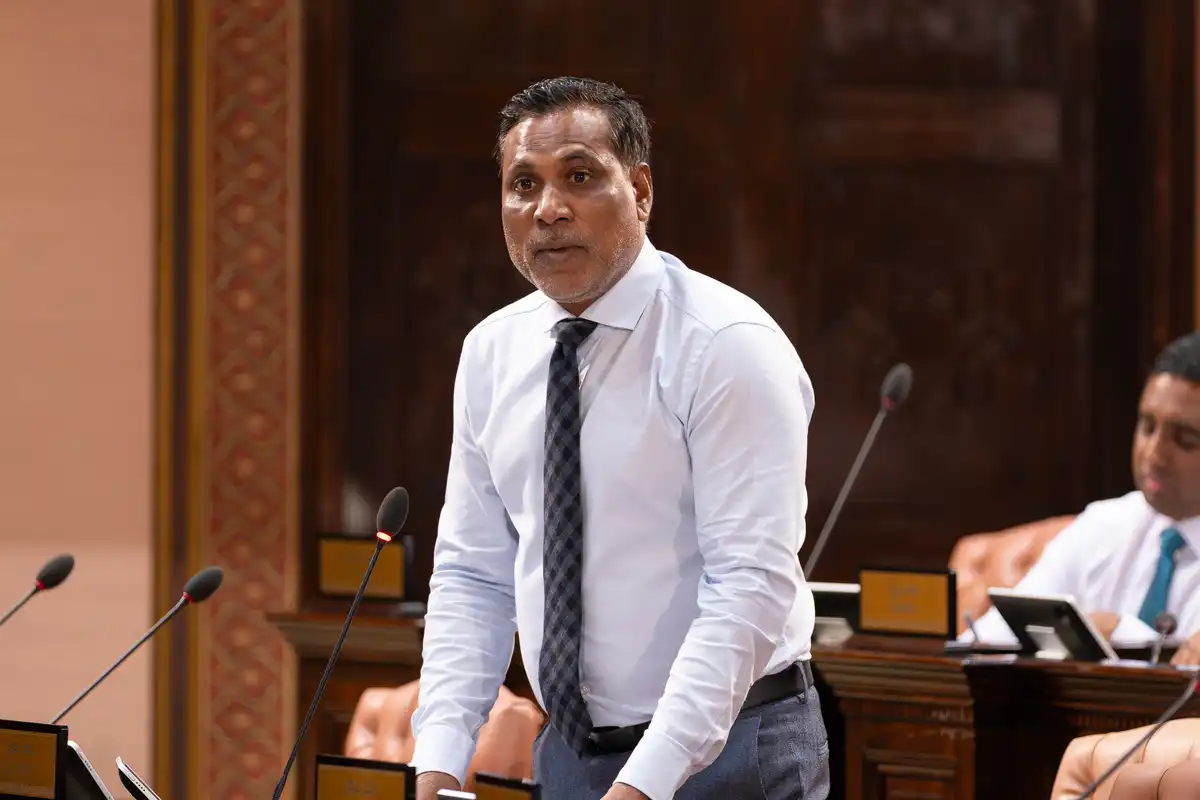
A detached presidency mocks a starving nation on the brink
2 ސެޕްޓެމްބަރު 2026 | ބުދަ 09:38Maldives is currently facing significant economic challenges, characterized by rising inflation and a severe shortage of foreign currency, which have placed immense pressure on both citizens and the business community. There is growing public criticism directed at government officials for their perceived detachment from these economic realities and for failing to implement effective solutions to address the concerns of the people

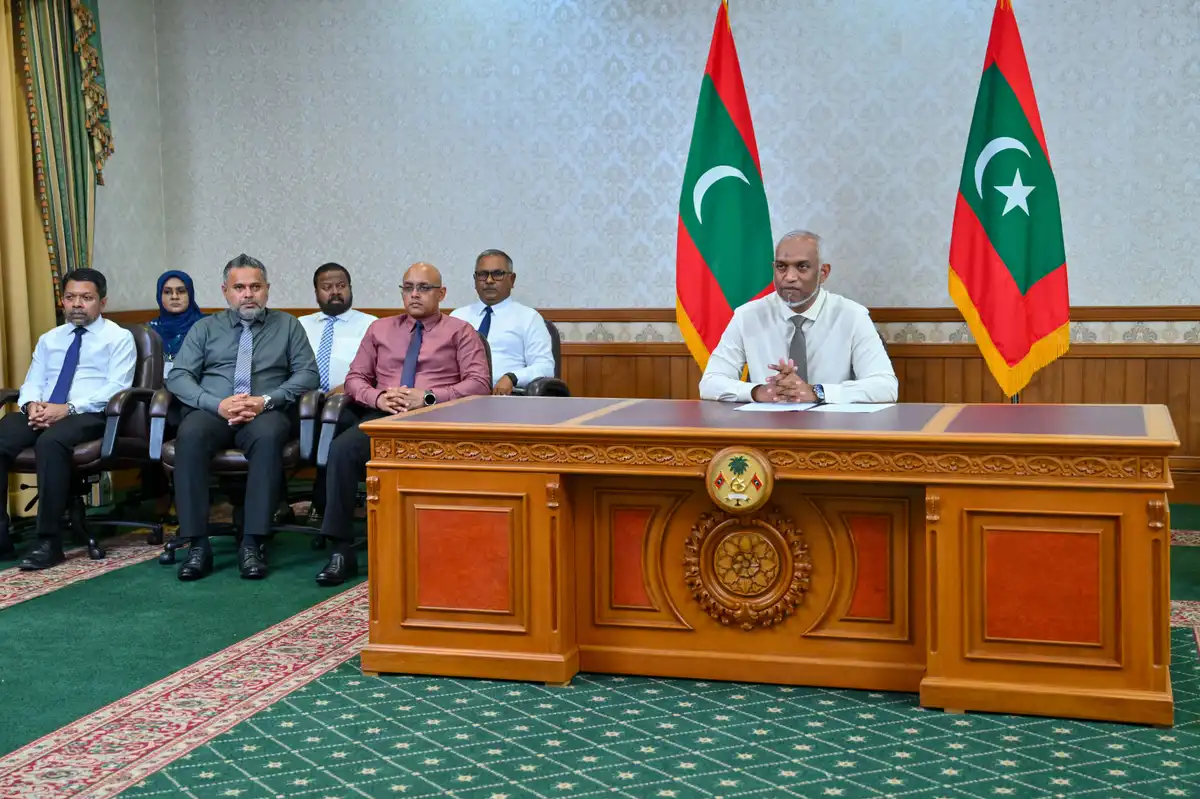
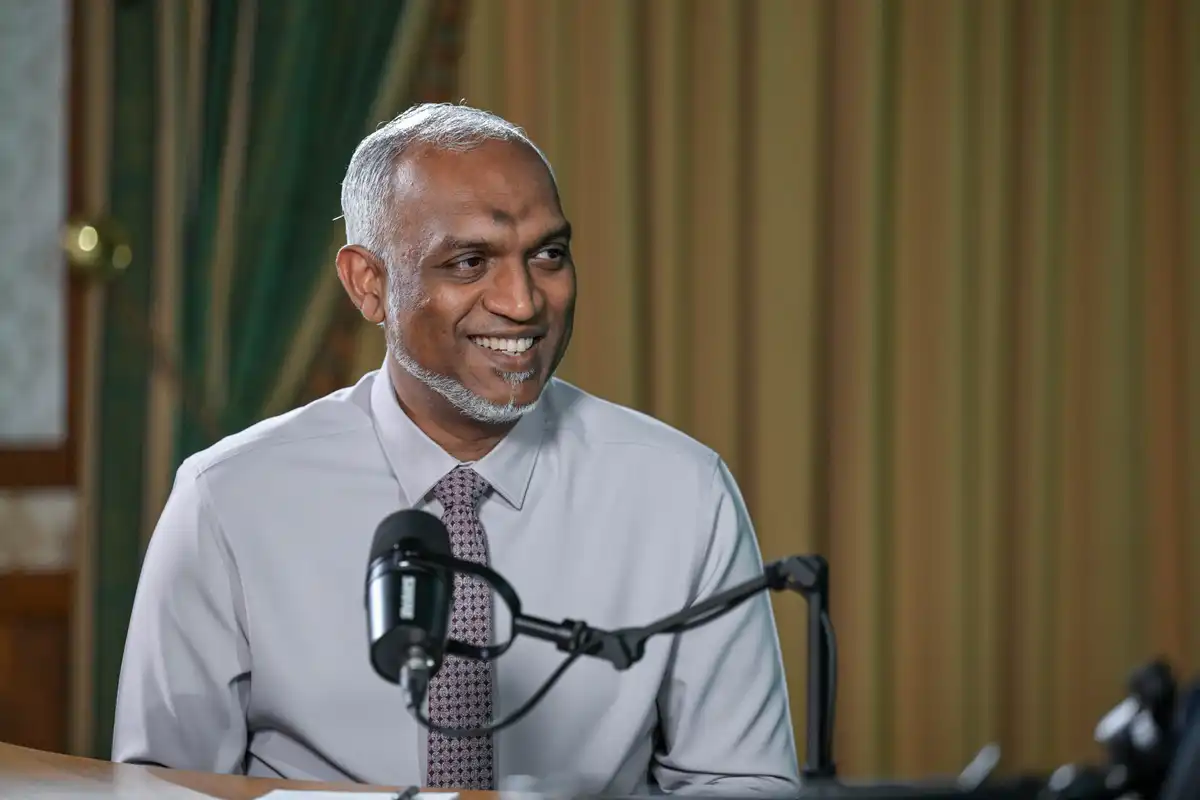
During the special ceremony held for the ratification of newly passed bills and amendments | President's Office
Holding power accountable regarding a fractured economy is the foremost duty of the press, especially when everyday existence has become an unaffordable nightmare for ordinary Maldivians.
However, during the media briefing on the final day of August 2026, when a reporter pressed for answers regarding the crippling foreign currency deficit and the complete absence of genuine public relief from state policies, the top leader fired back by asking what country the reporter thought they were living in, mockingly naming the Maldives itself.
This sharp, dismissive snap will go down in history as an unmistakable confession of administrative ineptitude.
No previous Maldivian head of state has ever stooped to addressing the media with such open hostility. However, setting unseemly precedents of this sort has become the trademark specialty of President Dr. Mohamed Muizzu.
Plunging off an economic cliff
The ground-level reality tells an unmistakable story of an economy descending straight into an abyss.
As the cost of acquiring foreign exchange on the parallel market skyrockets to preposterous heights, small and medium enterprises find themselves pushed to the wall.
The national treasury has run dry, leaving the state utterly powerless to supply the foreign currency required to keep the country running.
The fallout from banking institutions eliminating foreign currency card allowances and freezing basic exchange avenues is catastrophic.
Maldivian scholars pursuing education overseas are cut off from sustenance, citizens traveling for vital medical care are left stranded without resources, and modest entrepreneurs face displacement alongside devastating financial ruin.
Starving households in a forgotten archipelago
Food costs have soared so high that merely putting meals on the table represents an exhausting battle for average households. Modest salaries vanish instantly into housing leases and basic utility charges, leaving countless parents completely destitute and incapable of providing the essentials for their young children.
When life on the ground has decayed to this extent, one has to wonder whether Dr. Muizzu is physically present in the Maldives at all, or if he remains so completely out of touch with the country that he simply cannot perceive what is unfolding right before his eyes.
Meanwhile, individuals battling long-term illnesses suffer through the sheer agony of being unable to secure critical pharmaceutical drugs, creating a heartbreaking spectacle visible from one end of the nation to the other.
Paralyzed progress and empty waters
The machinery of physical and economic progress has ground almost completely to a halt. Essential public works designed to uplift societal wellbeing have been abandoned mid-stride, while the fishing industry, the very historical spine of the country, faces acute distress that demands serious reflection.
However, while common citizens are stripped of basic utilities and struggle through shortages of elementary necessities, the regime's roster of senior political appointees balloons by the day.
Top-level slots are handed out on a whim, signaling an administration blind to public misery. A toxic patronage culture is actively nurtured, handing state cash to idle youths while defenseless regular workers face arbitrary termination without a shred of fairness.
To make matters worse, figures implicated in the looting of public coffers hold mighty government perches, practically rubbing shoulders with the chief executive himself.
Fiction of economic recovery
The rosy landscape consistently painted by the Minister of Economic Development shares no common ground with the punishing existence grinding down ordinary citizens.
With the country's trajectory deteriorating day after day because of executive incompetence, it is entirely justified for the population to challenge rulers who view their agony with cold apathy.
Attempts to whitewash systemic theft and graft by hijacking every lever of public governance, spanning from the nation's primary port of entry to every single government corporation, can no longer be hidden under the carpet.
Illusion of compassion crumbles
By brushing off an inquiry about public distress with outright mockery rather than offering prudent governance, Dr. Muizzu has shredded the moral authority and standing of the presidency in the eyes of the populace.
The facade of empathy previously performed for the camera crews has dropped, laying bare an unvarnished reality for every citizen to see. The residual goodwill and esteem the public reserved for their country's leader have officially evaporated.
Now, Maldivians carry the heavy burden of severe financial stress, currency starvation, and an alarming inability to obtain life-saving drugs.
Looking at this grim landscape, it is the country's own leader who appears sequestered in an alternate realm, completely detached from the daily agony of the people he supposedly governs.